

1 min walk · Fatih
Mehmed II
- High
- Historic monument
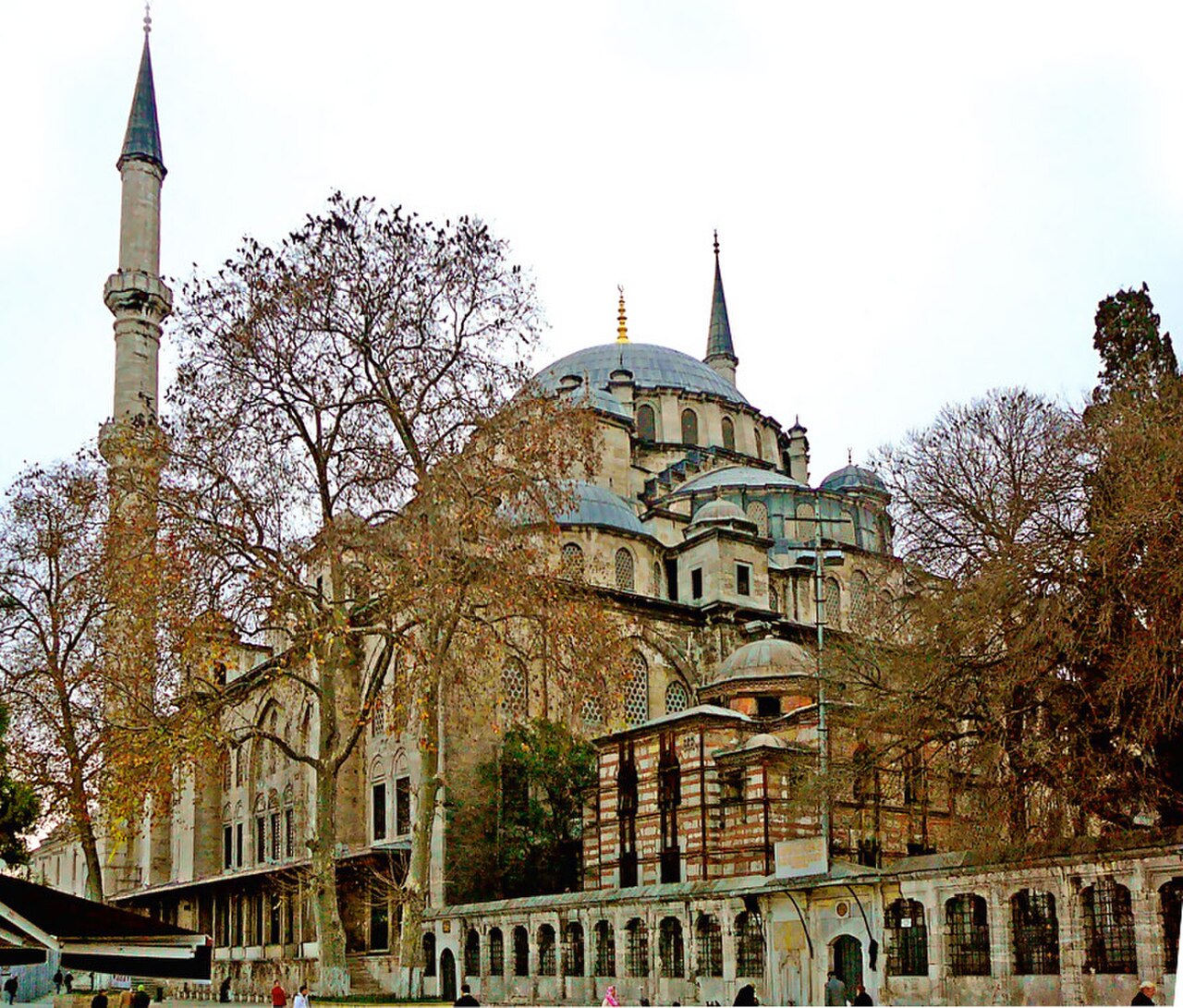
Historic monument · Fatih, Istanbul
Fatih Camii
| Monday | 04:00 – 23:00 |
|---|---|
| Tuesday | 04:00 – 23:00 |
| Wednesday | 04:00 – 23:00 |
| Thursday | 04:00 – 23:00 |
| Friday | 04:00 – 23:00 |
| Saturday | 04:00 – 23:00 |
| Sunday | 04:00 – 23:00 |
Checked 2026-08-31 · Source
| Per person | TRY 0.00 |
|---|
Checked 2026-08-31 · Source
Read from the OpenStreetMap access tags; anything not listed has no tag recorded.
Set the group type to family in the planner and the day window contracts to about three quarters of a solo day.
The Fatih Mosque is where Mehmed the Conqueror is buried, and it stands on the site of the Church of the Holy Apostles — the mausoleum of the Roman emperors, Constantine the Great among them. The original mosque was built between 1463 and 1470 by the Greek architect Atik Sinan, on Mehmed II's order. The sixth-century church, derelict by then, was demolished to make room for it. The gesture was not subtle: the conqueror put his own burial place on top of the burial place of the emperors he had replaced. Yes. A ramped approach reaches the prayer floor, but courtyard steps, cemetery paths and heritage thresholds make the wider complex partly accessible. Fatih Istanbul Mosque: Open daily from the dawn prayer until after the night prayer. Sightseeing pauses during the five services, with an extended worship-only period around Friday noon. Mosque and courtyard admission is free; donations are voluntary. A ramped approach reaches the prayer floor, but courtyard steps, cemetery paths and heritage thresholds make the wider complex partly accessible. Fatih bus stops on Fevzi Paşa Caddesi are closest; Emniyet-Fatih M1 station is about a 15-minute walk south. Operational facts for Fatih Istanbul Mosque: Open daily from the dawn prayer until after the night prayer. Sightseeing pauses during the five services, with an extended worship-only period around Friday noon. Mosque and courtyard admission is free; donations are voluntary.
Checked 2026-08-31 · Source
A 26-metre dome from the 1770s, and the tomb everyone comes for. The türbe of the Conqueror has a lavishly decorated interior and is a site of official ceremony as much as of visiting — Turkish state occasions are held here. It is the single most politically charged room in Istanbul. The mosque you walk into is not Mehmed's. His was destroyed in 1766 and what stands is Mustafa III's replacement in the baroque manner of its decade, which is why it looks nothing like the fifteenth-century buildings elsewhere in the city. No. Sightseeing pauses during services. Fatih bus stops on Fevzi Paşa Caddesi are closest; Emniyet-Fatih M1 station is about a 15-minute walk south.
Checked 2026-08-31 · Source
An hour, and the tomb takes as long as the mosque. The prayer hall is a half-hour visit. The Conqueror's türbe beside it needs twenty minutes and is often busy with Turkish visitors paying respects rather than sightseeing. Fatih is the quarter this mosque named, in the middle of the peninsula. It is a long walk from Sultanahmet and better reached on its own errand — combined with the Aqueduct of Valens and the Şehzade, which are between the two. Yes. Friday noon has a longer worship-only interval.
Checked 2026-08-31 · Source
Open daily from the dawn prayer until after the night prayer. Sightseeing pauses during the five services, with an extended worship-only period around Friday noon. Worship, weather, restoration and events can replace ordinary access. Yes; shoes are removed, shoulders and knees covered, and women cover hair.
Checked 2026-08-31 · Source
Mosque and courtyard admission is free; donations are voluntary. The base amount and currency follow the operator tariff. Transport, private hotel areas, tours and separately controlled sections remain excluded unless named. No. A ramp serves the prayer hall, while cemetery and courtyard routes include barriers.
Checked 2026-08-31 · Source
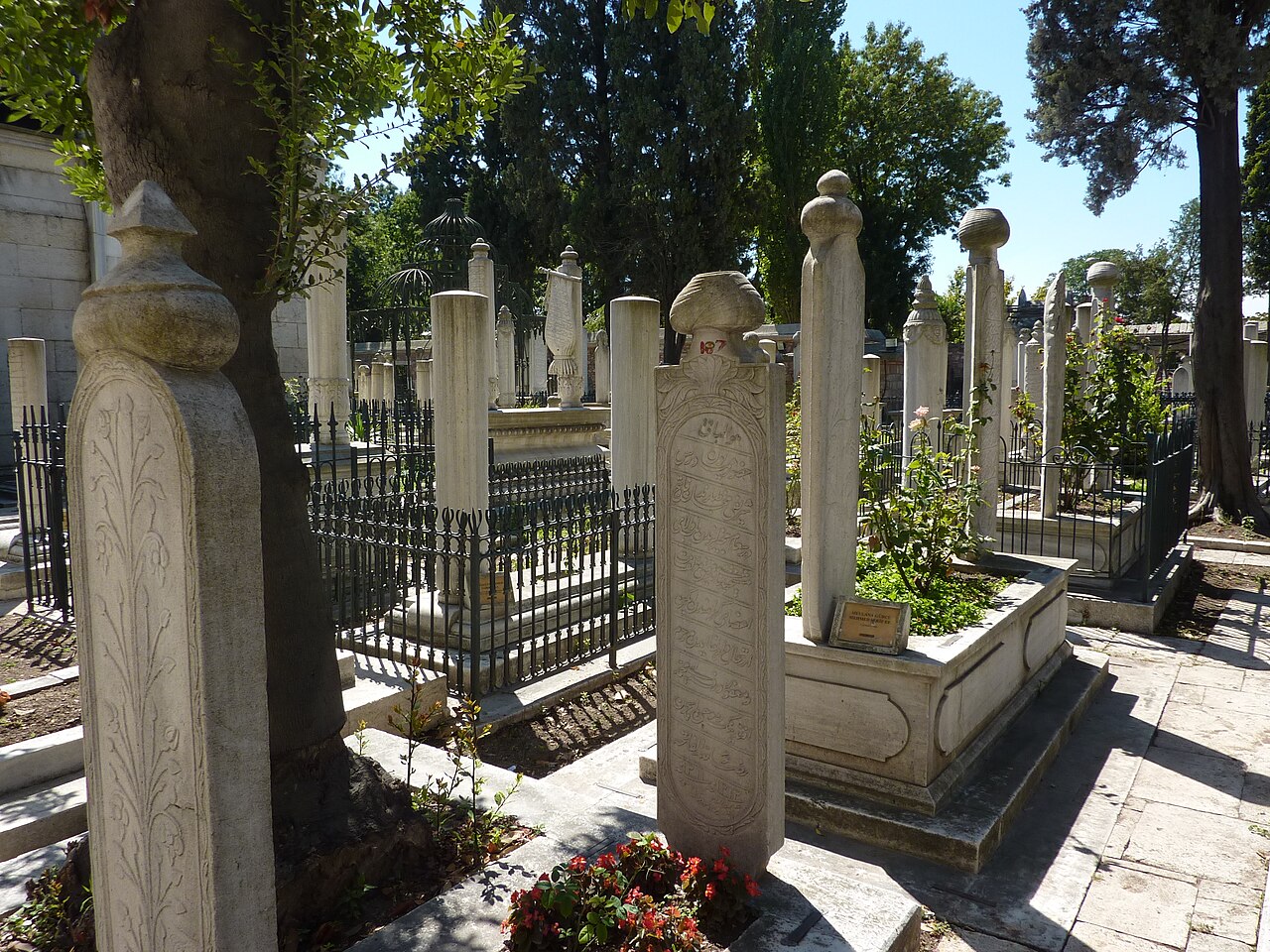
Fatih bus stops on Fevzi Paşa Caddesi are closest; Emniyet-Fatih M1 station is about a 15-minute walk south. Use the named entrance, stop or pier because hills, controlled sites and narrow historic streets change the practical approach. The complex includes the tombs of Mehmed II and Gülbahar Hatun.
Checked 2026-08-31 · Source
A ramped approach reaches the prayer floor, but courtyard steps, cemetery paths and heritage thresholds make the wider complex partly accessible. Yes. No. Sightseeing pauses during services. Yes. Friday noon has a longer worship-only interval. Historic surfaces, crowds and security remain relevant. Open daily from the dawn prayer until after the night prayer. Sightseeing pauses during the five services, with an extended worship-only period around Friday noon.
Checked 2026-08-31 · Source
The courtyard is the exterior photograph — a large classical space with the 26-metre dome behind it, best in late afternoon when the stone warms. Inside the mosque the eighteenth-century decoration is the subject, and it reads as baroque rather than classical Ottoman once you know the building was rebuilt after 1766. The Conqueror's türbe is richly decorated and dimly lit, and it is also a place where Turkish visitors come to pray. Photograph the room when it is empty or not at all. Not during prayer, and not pointed at people praying. Mosque and courtyard admission is free; donations are voluntary.
Checked 2026-08-31 · Source
Yes.
No. Sightseeing pauses during services.
Yes. Friday noon has a longer worship-only interval.
Yes; shoes are removed, shoulders and knees covered, and women cover hair.
No. A ramp serves the prayer hall, while cemetery and courtyard routes include barriers.
The complex includes the tombs of Mehmed II and Gülbahar Hatun.
Loading the interactive map…
The interactive map could not be loaded.
Last updated:
Source: OpenStreetMap contributors, Wikidata ·