
1 min walk · Fatih
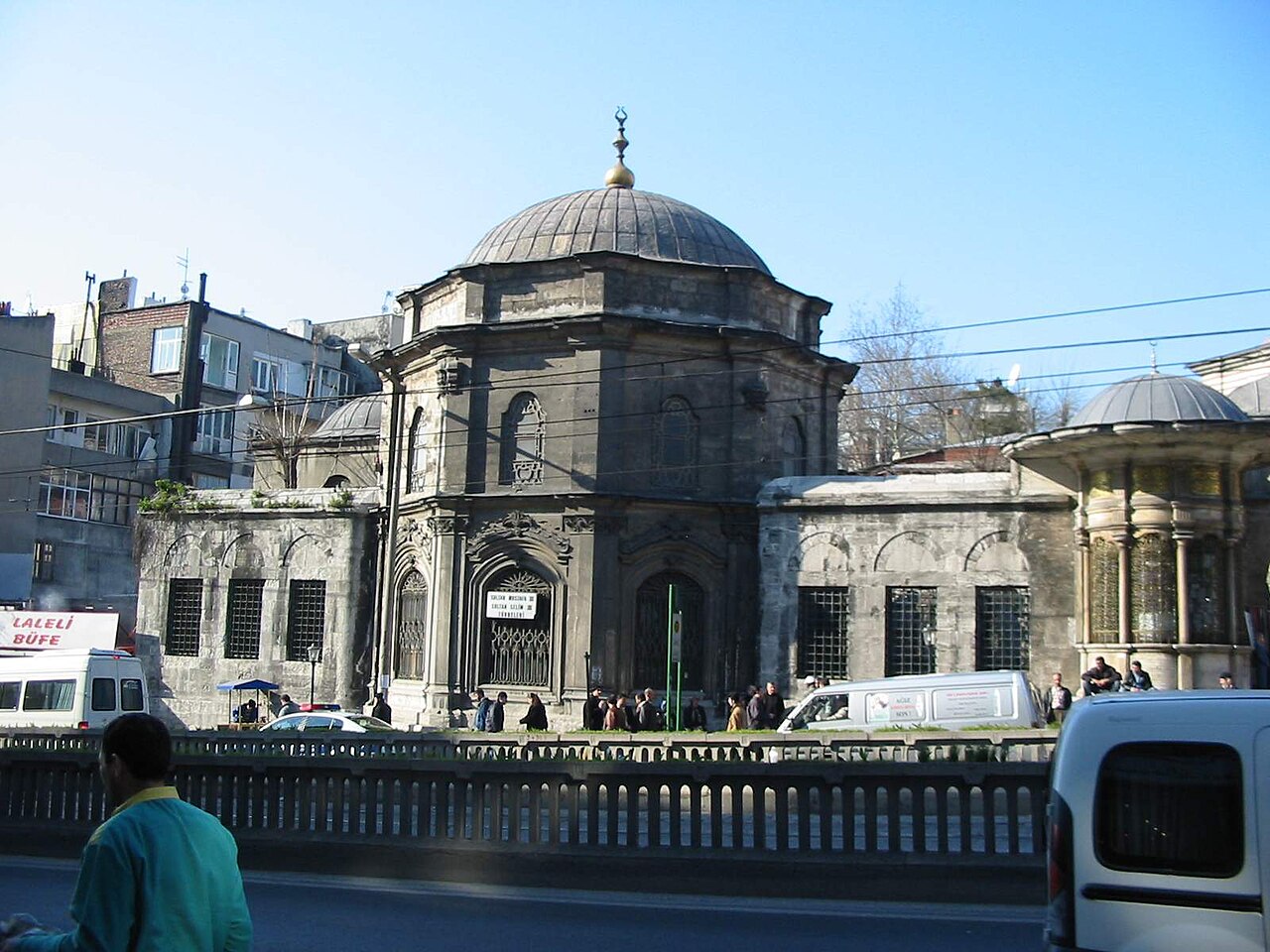
Tomb of Mustafa III
- High
- Historic monument
Language · 11 published
Place of worship · Fatih, Istanbul
Laleli Camii
Reviewed by Elena Voss · Roavina Travel Editor
Read from the OpenStreetMap access tags; anything not listed has no tag recorded.
Set the group type to family in the planner and the day window contracts to about three quarters of a solo day.
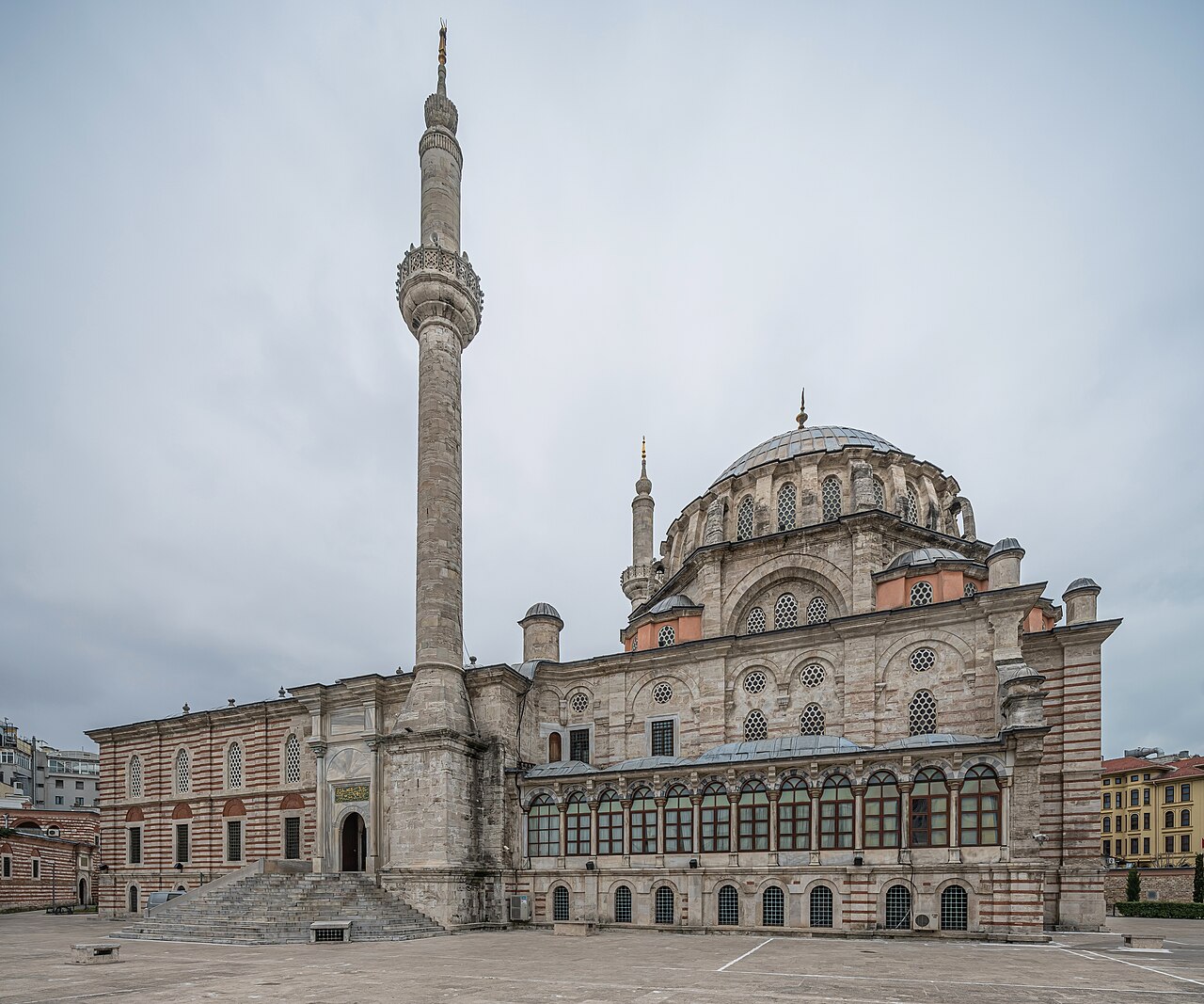
This place is a Place of worship. It was established in 1763. It was built in the Ottoman architecture style. It was designed by Mimar Mehmet Tahir. It is built of granite. It carries the cultural property requiring protection heritage designation.
The Laleli is Mustafa III's imperial mosque and the second building in Istanbul's baroque decade. Construction began on 5 April 1760 and finished on 9 March 1764.
Art historians attribute the design to Mehmed Tahir Ağa, chief imperial architect when it was completed, though the documentation does not settle it. He would go on to rebuild the Fatih Mosque after the 1766 earthquake.
It follows the Nuruosmaniye of 1755 and takes the same European direction with more restraint — the decoration is firmly baroque, but the plan keeps to Ottoman habits the Nuruosmaniye had abandoned.
Mustafa III is the sultan who also ordered the Fatih Mosque rebuilt after the 1766 earthquake, and he gave that job to the same architect. The two buildings a mile apart are the clearest statement of what Ottoman architecture had decided to become.
Checked 2026-08-23 · Source
Coloured stone, and a hall underneath the building that most visitors never see.
The prayer hall is faced in variegated marbles — red, blue, yellow and brown — with panels of semi-precious onyx and jasper. It is the most colourful interior of any imperial mosque in the city, and it works by stone rather than by tile.
The mosque stands on a raised terrace built over vaulted shops that earned the foundation's income. Beneath the building itself is a great hall carried on eight enormous pillars with a fountain at its centre — a substructure that is architecture rather than a cellar.
The octagonal domed mausoleum beside it holds Mustafa III, his successor Selim III and family. Its interior is lined with reused sixteenth-century İznik tiles — two hundred years old when they were installed.
Checked 2026-08-23 · Source
Forty-five minutes, and look down as well as up.
The prayer hall takes twenty-five minutes if you are reading the stonework. The tomb takes ten when it is open, and the terrace and the shops beneath it another ten.
Laleli sits between Beyazıt and Aksaray on the tram line, which makes it easy to add to a day rather than a destination. The Şehzade is ten minutes north.
The Nuruosmaniye at the Grand Bazaar is fifteen minutes east, and seeing the two in one morning is the only way to understand how quickly the style moved between 1755 and 1764.
Checked 2026-08-23
Between prayers, on a bright day, for the same reason as any coloured-stone interior.
Marble in red, blue, yellow and brown needs light to be anything other than brown. Mid-morning and mid-afternoon on a clear day are when the hall is worth the visit.
Friday around noon is the closure to avoid. Laleli is a garment-trade quarter and busy on weekdays, quiet at weekends.
Checked 2026-08-23
Free. It is a working mosque and admission costs nothing.
The mausoleum of Mustafa III is not separately ticketed on the sources this page uses, though it keeps its own hours.
The vaulted shops under the terrace are commercial premises and always have been — that is what they were built for.
Checked 2026-08-23 · Source
Laleli, in Fatih, between the Beyazıt and Aksaray tram stops on the T1 line.
Both stops are a few minutes' walk. The Grand Bazaar is ten minutes east and the Şehzade Mosque ten minutes north.
One contactless card covers tram, metro, funicular, bus and ferry, and it is the only ticket most visitors need.
Checked 2026-08-23
Shoulders and knees covered, headscarf for women, shoes off at the threshold. Coverings are usually available at the door.
Visitor access closes during the five daily prayers and Friday around noon is the busiest hour of the week. Prayer times shift through the year.
Photography of people at prayer is not acceptable.
The quarter around the mosque is Istanbul's wholesale garment district and is dense with trade traffic on weekdays. It is not a tourist area and makes no accommodation for being one.
The great hall beneath the mosque is not always accessible and its arrangements are not published.
Checked 2026-08-23 · Source
Coloured marble is the subject and it is a white-balance problem: red, blue, yellow and brown stone under warm interior lighting reads muddy unless corrected.
The onyx and jasper panels reward a longer lens and close attention rather than a wide view of the hall.
The reused sixteenth-century İznik tiles in Mustafa III's tomb are older than the building and the better photograph of the two interiors.
Outside, the raised terrace over the shops gives the mosque a plinth that reads well from the street below in late light.
Not during prayer, and not pointed at people praying.
Checked 2026-08-23 · Source
Construction began on 5 April 1760 and finished on 9 March 1764, for Sultan Mustafa III.
Ottoman baroque, following the Nuruosmaniye of 1755 but more restrained — baroque decoration on a plan that keeps to Ottoman habits.
A great hall carried on eight enormous pillars with a fountain at its centre, beneath a raised terrace built over vaulted shops that funded the foundation.
Variegated marble in red, blue, yellow and brown with panels of semi-precious onyx and jasper — the most colourful imperial mosque interior in the city, worked in stone rather than tile.
Mustafa III, his successor Selim III and family members, in an octagonal domed mausoleum lined with reused sixteenth-century İznik tiles.
No. It is a working mosque and admission is free.
Loading the interactive map…
The interactive map could not be loaded.

Last updated:
Source: OpenStreetMap contributors, Wikidata ·