
1 min walk · Fatih
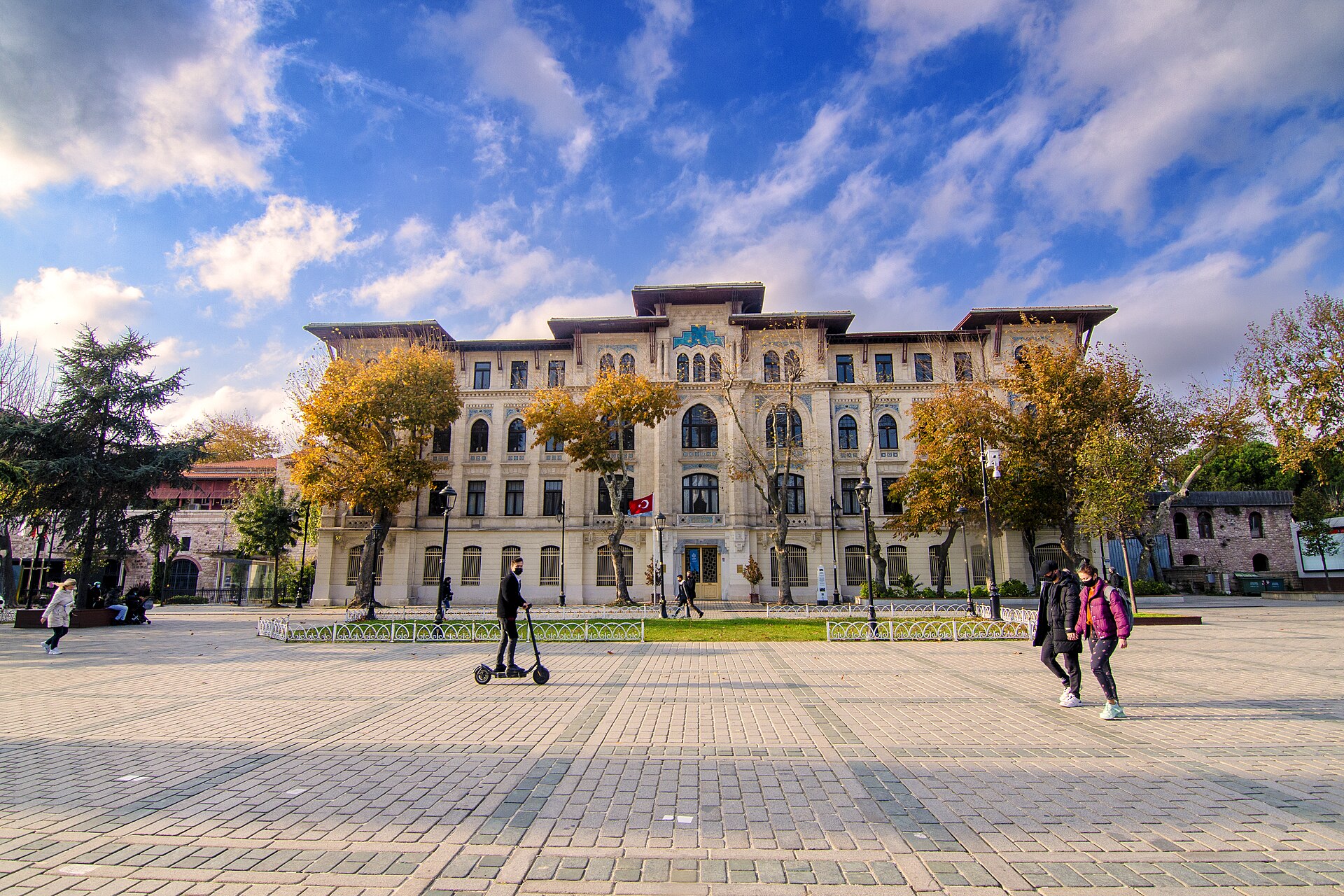
Hagia Sophia History and Experience Museum
- High
- Museum
Historic monument · Fatih, Istanbul
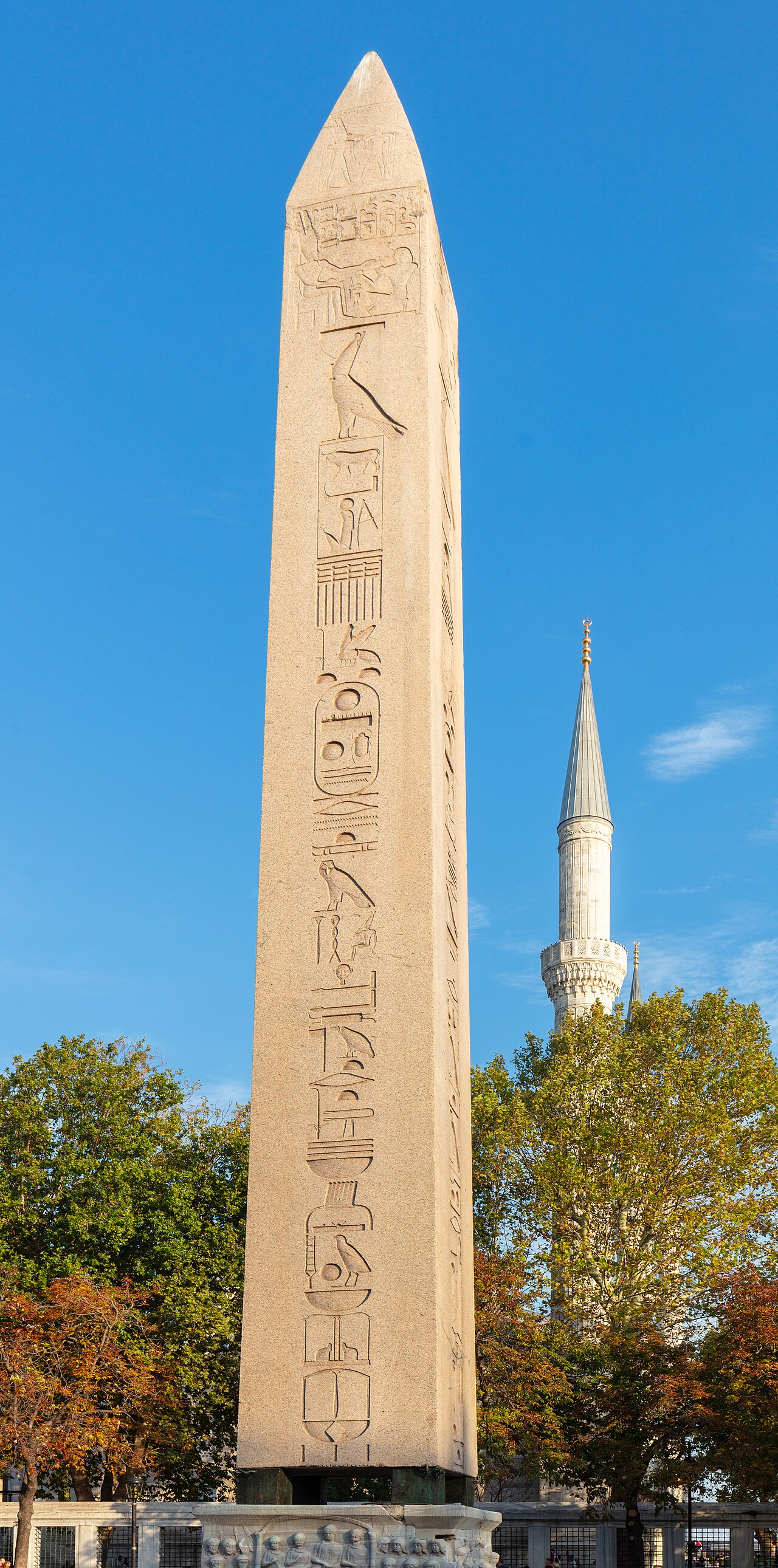
Theodosius Dikilitaşı
| Monday | 00:00 – 23:59 |
|---|---|
| Tuesday | 00:00 – 23:59 |
| Wednesday | 00:00 – 23:59 |
| Thursday | 00:00 – 23:59 |
| Friday | 00:00 – 23:59 |
| Saturday | 00:00 – 23:59 |
| Sunday | 00:00 – 23:59 |
Checked 2026-08-31 · Source
| Per person | TRY 0.00 |
|---|
Checked 2026-08-31 · Source
Read from the OpenStreetMap access tags; anything not listed has no tag recorded.
Set the group type to family in the planner and the day window contracts to about three quarters of a solo day.
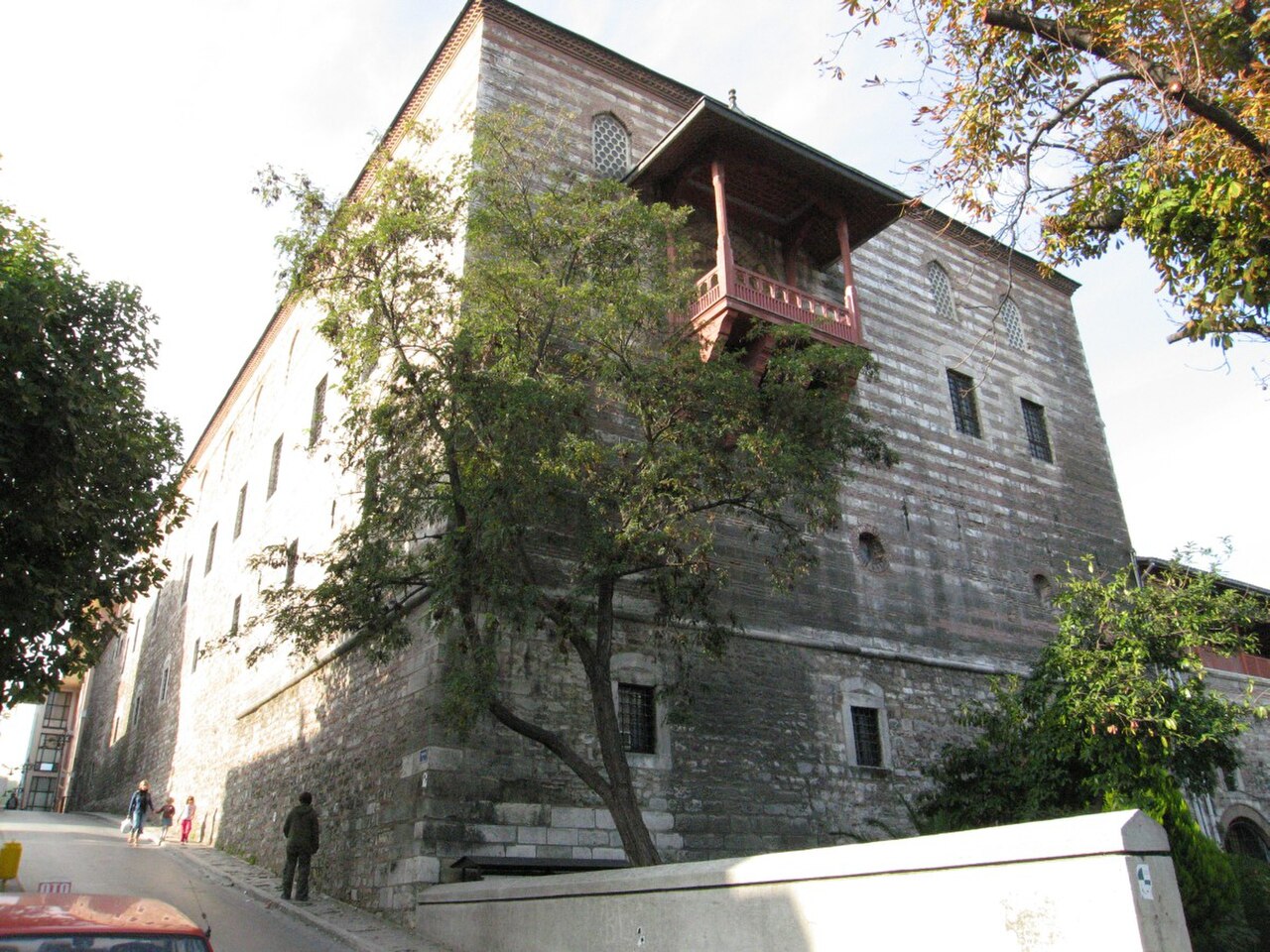
Older than almost everything around it by two thousand years, the Obelisk of Theodosius is a piece of pharaonic Egypt standing in the middle of a Turkish square. Thutmose III raised it at Karnak during Egypt's 18th dynasty, south of the seventh pylon of the great temple, some time between 1479 and 1425 BC. It stayed there for roughly eighteen centuries. Constantius II had it shipped to Alexandria in 357 to mark twenty years on the throne, and it sat in Alexandria unraised for a generation. Yes. It is an outdoor public monument. Level paved routes and curb ramps cross Sultanahmet Square to the protective railing. The relief-covered pedestal is viewed from ground level rather than climbed. Obelisk of Theodosius: The monument stands outdoors in At Meydanı and is visible 24 hours daily. Ceremonies, crowd-control barriers or conservation work can temporarily limit the immediate plinth area. Viewing the obelisk and its carved marble base is free. Level paved routes and curb ramps cross Sultanahmet Square to the protective railing. The relief-covered pedestal is viewed from ground level rather than climbed. Take T1 tram to Sultanahmet and walk south through At Meydanı. The obelisk stands on the former Hippodrome axis opposite the Museum of Turkish and Islamic Arts. The carved marble pedestal remains visible at ground level within the former Hippodrome axis.
Checked 2026-08-31 · Source
The granite is the famous part; the marble pedestal beneath it is the interesting one. Theodosius had it carved on all four faces, and each face is a different scene from the Constantinople of the 390s rather than from Egypt. The north face shows the obelisk itself being winched upright, with the machinery drawn in. The west face shows barbarians kneeling with tribute. The south face is a chariot race, the reason the Hippodrome existed. No regular hours apply; it is visible around the clock. Take T1 tram to Sultanahmet and walk south through At Meydanı. The obelisk stands on the former Hippodrome axis opposite the Museum of Turkish and Islamic Arts.
Checked 2026-08-31 · Source
Fifteen minutes, and that is a genuine fifteen minutes rather than a polite minimum. There is no interior, no route and no queue. The whole visit is a slow circuit of the pedestal at ground level, one face at a time, followed by stepping back far enough to take in the shaft against the sky. If the reliefs interest you, the north and south faces reward the longest look, and reading the two inscriptions against each other adds a few minutes. Yes. Level paved routes reach the surrounding railing.
Checked 2026-08-31 · Source
The monument stands outdoors in At Meydanı and is visible 24 hours daily. Ceremonies, crowd-control barriers or conservation work can temporarily limit the immediate plinth area. Prayer, maritime weather, conservation, security and dated events can replace ordinary access. No. A protective railing separates visitors from the ancient stonework.
Checked 2026-08-31 · Source
Viewing the obelisk and its carved marble base is free. The base amount and currency follow the official operator tariff. Transport, inner sections, evening programmes and separately operated venues remain excluded unless named. The Egyptian obelisk was originally erected at Karnak before Theodosius I installed it in Constantinople.
Checked 2026-08-31 · Source
Take T1 tram to Sultanahmet and walk south through At Meydanı. The obelisk stands on the former Hippodrome axis opposite the Museum of Turkish and Islamic Arts. Use the named gate, pier or stop because the historic peninsula, hills and controlled compounds can separate entrances and exits. The marble pedestal depicts Theodosius and court scenes connected with the Hippodrome.
Checked 2026-08-31 · Source
Level paved routes and curb ramps cross Sultanahmet Square to the protective railing. The relief-covered pedestal is viewed from ground level rather than climbed. Yes. It is an outdoor public monument. No regular hours apply; it is visible around the clock. Yes. Level paved routes reach the surrounding railing. Worship, shoe removal, crowds and historic surfaces remain relevant. The monument stands outdoors in At Meydanı and is visible 24 hours daily. Ceremonies, crowd-control barriers or conservation work can temporarily limit the immediate plinth area.
Checked 2026-08-31 · Source
The instinct is to shoot the whole obelisk from a distance, and that picture is dull: a thin dark spike against bright sky, with the interesting carving too small to read. The better frames are close and low. Kneel at the base and shoot up one edge so the shaft converges and the pedestal fills the foreground. Viewing the obelisk and its carved marble base is free.
Checked 2026-08-31 · Source
Yes. It is an outdoor public monument.
No regular hours apply; it is visible around the clock.
Yes. Level paved routes reach the surrounding railing.
No. A protective railing separates visitors from the ancient stonework.
The Egyptian obelisk was originally erected at Karnak before Theodosius I installed it in Constantinople.
The marble pedestal depicts Theodosius and court scenes connected with the Hippodrome.
Loading the interactive map…
The interactive map could not be loaded.
Last updated:
Source: OpenStreetMap contributors, Wikidata ·