
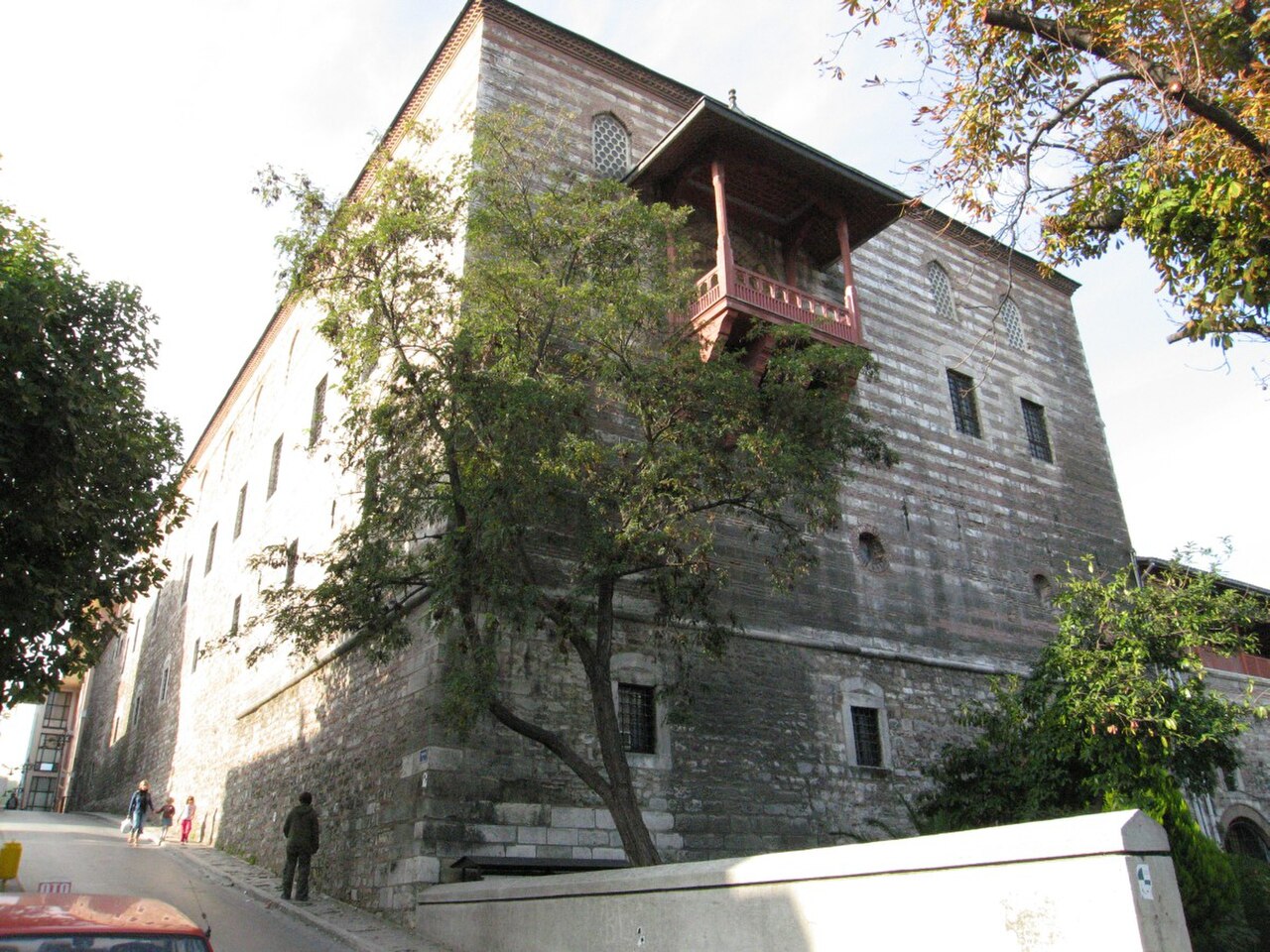
1 min walk · Fatih
Turkish and Islamic Arts Museum
- Must see
- Museum
Language · 11 published
Historic monument · Fatih, Istanbul
Yılanlı Sütun
Reviewed by Elena Voss · Roavina Travel Editor
| Monday | 00:00 – 23:59 |
|---|---|
| Tuesday | 00:00 – 23:59 |
| Wednesday | 00:00 – 23:59 |
| Thursday | 00:00 – 23:59 |
| Friday | 00:00 – 23:59 |
| Saturday | 00:00 – 23:59 |
| Sunday | 00:00 – 23:59 |
Checked 2026-08-31 · Source
Read from the OpenStreetMap access tags; anything not listed has no tag recorded.
Set the group type to family in the planner and the day window contracts to about three quarters of a solo day.
This place is a Attraction. It is built of bronze. It carries the part of UNESCO World Heritage Site heritage designation.
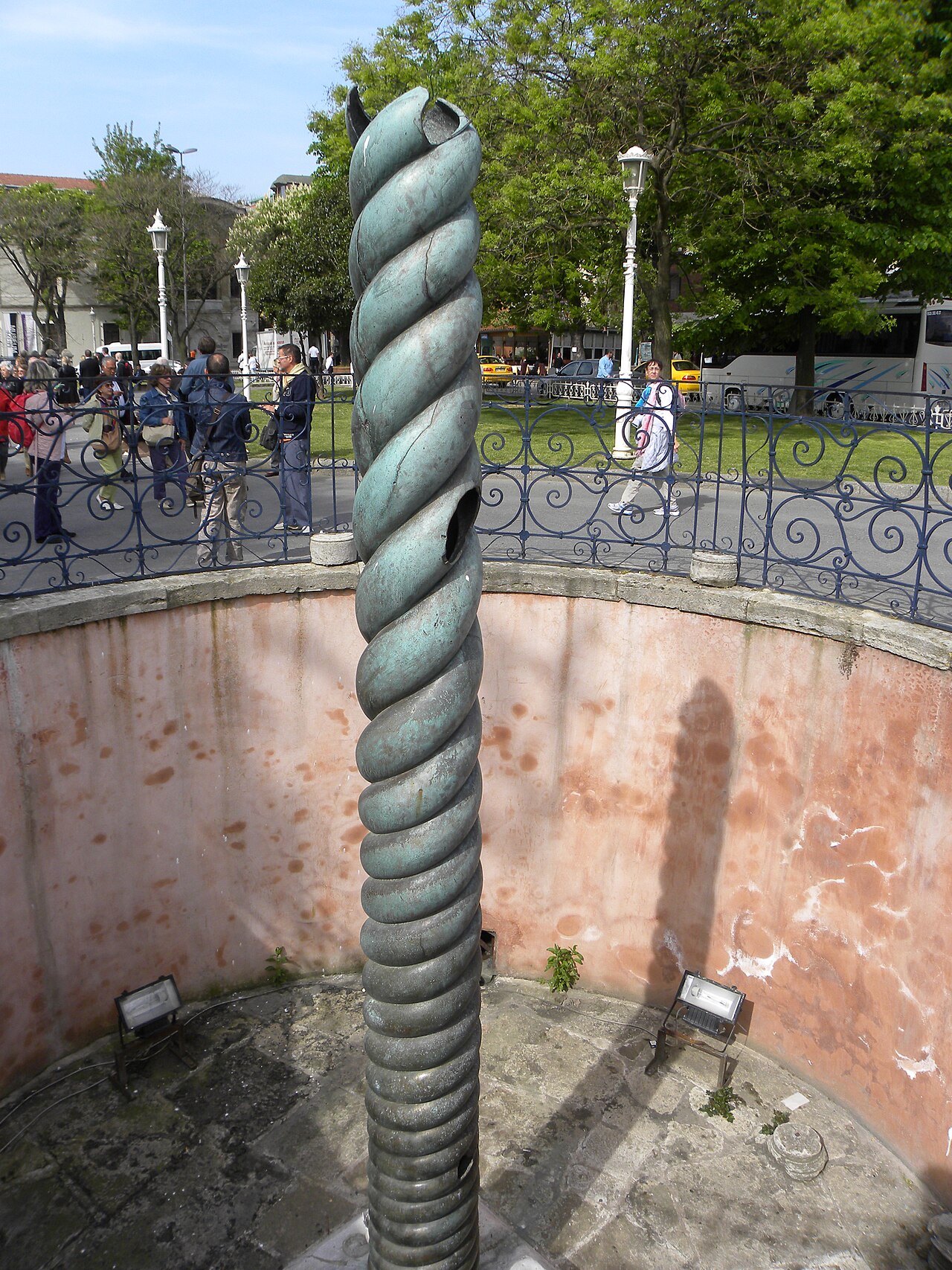
A battle trophy from 479 BC, standing in a hole in a square in Istanbul. The Greeks who beat the Persian army at Plataea melted down captured Persian weapons and cast three bronze serpents twisted into a column, set a golden tripod and cauldron on top, and dedicated the whole thing to Apollo at Delphi. Around the coils they inscribed the names of thirty-one Greek city-states that fought, ordered more or less by how many men or how much money each had contributed. Yes. Level paved routes reach the railing around the sunken monument base; the column itself is not touched or entered. Serpent Column: The outdoor monument is visible 24 hours daily in At Meydanı; temporary barriers can surround it during conservation or public events. Viewing is free. Level paved routes reach the railing around the sunken monument base; the column itself is not touched or entered. T1 tram to Sultanahmet, then walk south through At Meydanı between the Obelisk of Theodosius and Walled Obelisk. Operational facts for Serpent Column: The outdoor monument is visible 24 hours daily in At Meydanı; temporary barriers can surround it during conservation or public events. Viewing is free. Access and arrival for Serpent Column: Level paved routes reach the railing around the sunken monument base; the column itself is not touched or entered. T1 tram to Sultanahmet, then walk south through At Meydanı between the Obelisk of Theodosius and Walled Obelisk. Is it free? Yes. Does it close? No regular hours apply. Is it wheelchair accessible? Yes from the surrounding paved square. Why is the base sunken? The ancient Hippodrome track level lies below the modern square. Are the serpent heads still attached? No. The surviving shaft has lost its three heads; one fragment is held by the Istanbul Archaeological Museums. Which tram stop is closest? Sultanahmet on T1.
Checked 2026-08-31 · Source
What you see is the bottom of a monument. The column stands about eight metres, three serpent bodies coiled around each other in bronze gone green, with nothing on top: the gold tripod and cauldron are long gone, and so are the heads. All three serpent heads had been destroyed by the end of the seventeenth century. One jaw is said to have gone within fifty to a hundred years of the Ottoman conquest; the rest came off on 20 October 1700. No regular hours apply. T1 tram to Sultanahmet, then walk south through At Meydanı between the Obelisk of Theodosius and Walled Obelisk.
Checked 2026-08-31 · Source
Ten minutes. There is no interior, no circuit and no queue: the column stands in a sunken pit behind a railing in the middle of Sultanahmet Square, and looking at it and reading the plaque is the entire visit. That is not a criticism of the object, which is one of the oldest things in the city and arguably the most remarkable, but of the encounter. Yes from the surrounding paved square.
Checked 2026-08-31 · Source
The outdoor monument is visible 24 hours daily in At Meydanı; temporary barriers can surround it during conservation or public events. Worship, weather, restoration and events can replace ordinary access. The ancient Hippodrome track level lies below the modern square.
Checked 2026-08-31 · Source
Viewing is free. The base amount and currency follow the operator tariff. Transport, private hotel areas, tours and separately controlled sections remain excluded unless named. No. The surviving shaft has lost its three heads; one fragment is held by the Istanbul Archaeological Museums.
Checked 2026-08-31 · Source
T1 tram to Sultanahmet, then walk south through At Meydanı between the Obelisk of Theodosius and Walled Obelisk. Use the named entrance, stop or pier because hills, controlled sites and narrow historic streets change the practical approach. Sultanahmet on T1.
Checked 2026-08-31 · Source
Level paved routes reach the railing around the sunken monument base; the column itself is not touched or entered. Yes. No regular hours apply. Yes from the surrounding paved square. Historic surfaces, crowds and security remain relevant. The outdoor monument is visible 24 hours daily in At Meydanı; temporary barriers can surround it during conservation or public events.
Checked 2026-08-31 · Source
Everything about photographing this monument is fixed by its being below you. A picture taken standing at the railing looking down produces a green coil against gravel with no sense of what it is. The frame that works puts the column against the sky, which means crouching at the rail and shooting upward so the coils rise out of the pit. The other useful frame is contextual: the column with the Obelisk of Theodosius or the Blue Mosque behind it, which locates it on the spina and gives a viewer the scale of the square. Viewing is free.
Checked 2026-08-31 · Source
Yes.
No regular hours apply.
Yes from the surrounding paved square.
The ancient Hippodrome track level lies below the modern square.
No. The surviving shaft has lost its three heads; one fragment is held by the Istanbul Archaeological Museums.
Sultanahmet on T1.
Loading the interactive map…
The interactive map could not be loaded.
Last updated:
Source: OpenStreetMap contributors, Wikidata ·