07
2 hours
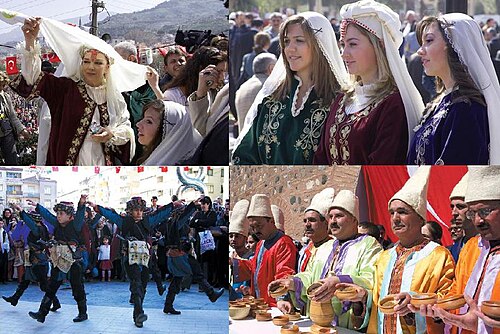
Mesir Macunu Festival at the Sultan Mosque
Once a year Manisa climbs onto the roof of a mosque and throws medicine at its own population.
- Must see
- Activity
Region guide · Türkiye
553 places catalogued in Manisa Province so far.
Ranked by importance — sitelinks, pageviews and heritage status, not editor preference.
114 places match
Category
Typical visit duration
Once a year Manisa climbs onto the roof of a mosque and throws medicine at its own population.
Alyattes'in Tümülüsü
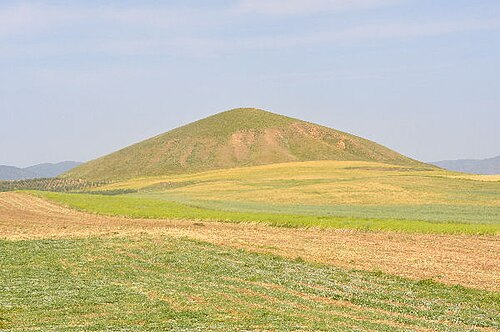
The Tumulus of Alyattes — Alyattes'in Tümülüsü on local maps — is the largest of the Bin Tepe mounds and one of the largest burial tumuli known anywhere, traditionally identified with the Lydian king Alyattes, father of Croesus, who died…
Sultan Camii
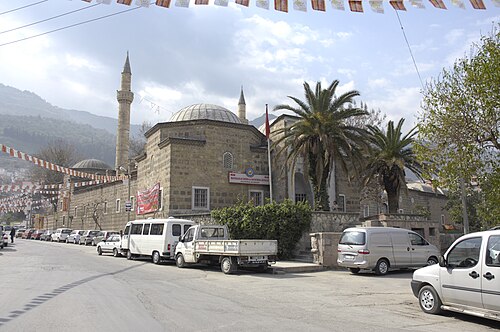
The Sultan Mosque is the centrepiece of Manisa and the reason the city has a festival.
Muradiye Külliyesi
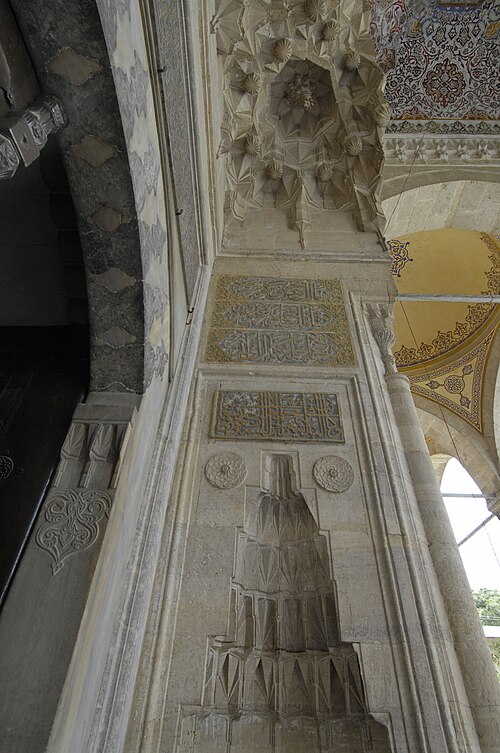
The Muradiye Külliyesi is the walled compound Sultan Murad III endowed in Manisa, and it is the reason three of the city's sights sit within a few steps of each other.

Niobe Ağlayan Kaya
The Weeping Rock of Niobe — Ağlayan Kaya on the roadside marker — is a natural cliff formation on the northern flank of Mount Sipylus above Manisa, in Dere Mahallesi — formerly Karaköy — at Çaybaşı, along the stream of…
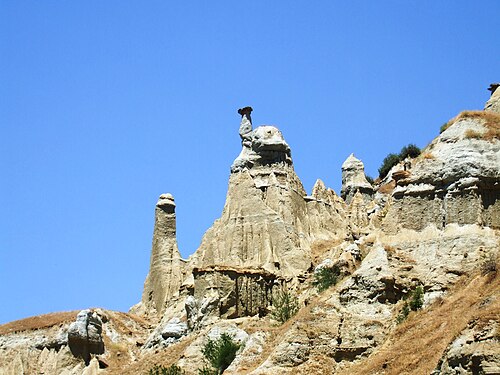
Kula Perbacaları seyir terası
Kuladokya is a fairy-chimney viewing terrace and 1.2 kilometre walking trail inside the Kula-Salihli UNESCO Global Geopark, near Yurtbaşı village on the İzmir-Ankara highway, about 16 km from Kula town.
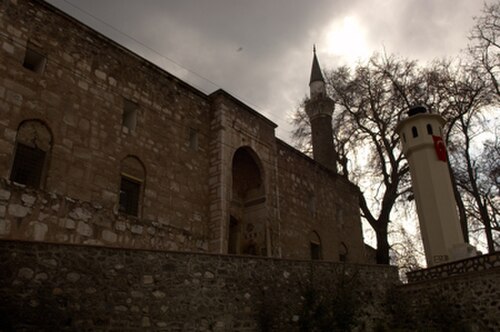
Ulu Camii
The Ulu Camii is the oldest important mosque in Manisa and the one that predates the Ottomans here.
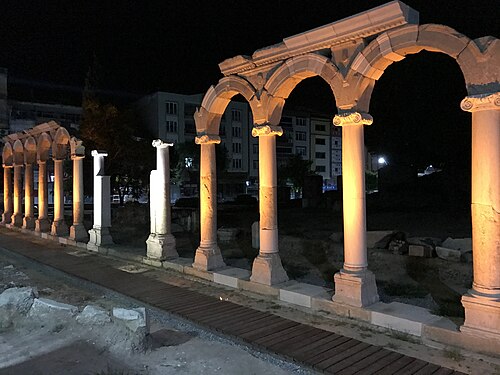
Tepemezarı
Thyatira is the ancient city underneath part of modern Akhisar, in Manisa province, and one of the seven churches addressed in the Book of Revelation.
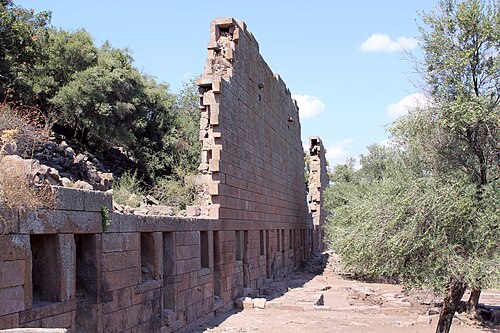
Aigai is an ancient Greek city on top of Mount Gün, in the Yunt range north of Manisa, near the village of Yuntdağı Köseler. It is the most substantial classical site in Manisa province and almost nobody goes.
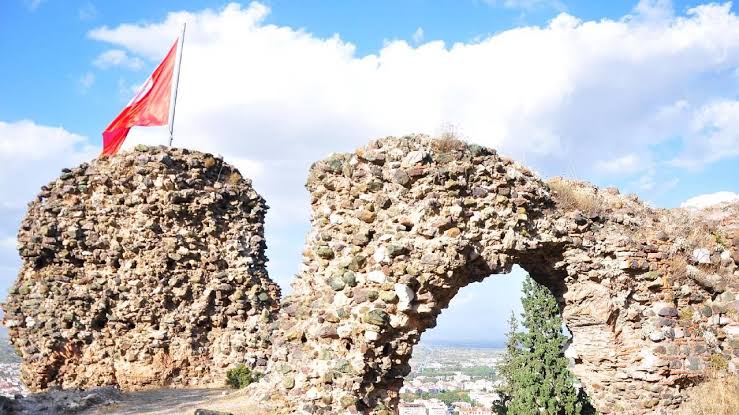
Sandikkale
Sandıkkale is the inner citadel of the Byzantine-era Manisa Kalesi, on the north slope of Spil Dağı immediately above Manisa city centre, in the Turgutalp neighbourhood.
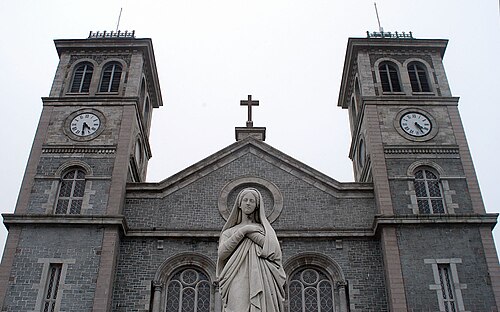
The Basilica of St John stands in the middle of modern Alaşehir, on the ground of ancient Philadelphia, one of the seven cities addressed directly in the Book of Revelation.
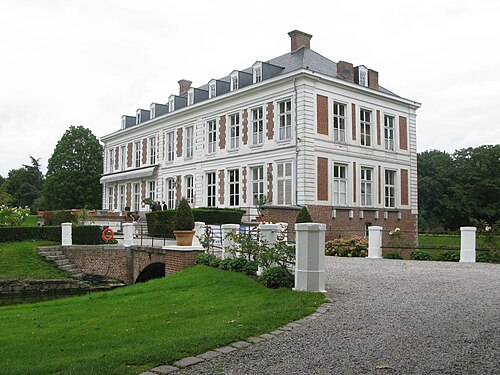
Sart Kalesi
Sardis Acropolis — Sart Kalesi on the road signs and local maps — is the fortified hilltop above Sardis, the citadel the Lydian capital was built around and the last stronghold the city ever held.
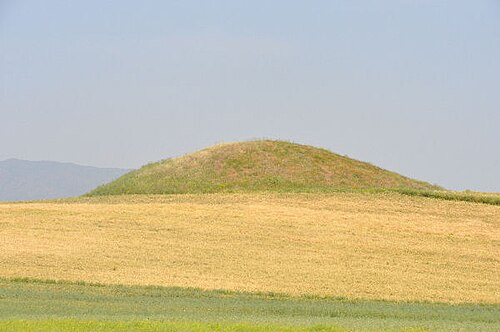
Giges Tümülüsü
The Tumulus of Gyges — Giges Tümülüsü on local maps, and known archaeologically as Karnıyarık Tepe — is the second-largest of the more than a hundred royal Lydian mounds gathered in the Bin Tepe field north of Sart, in Salihli…
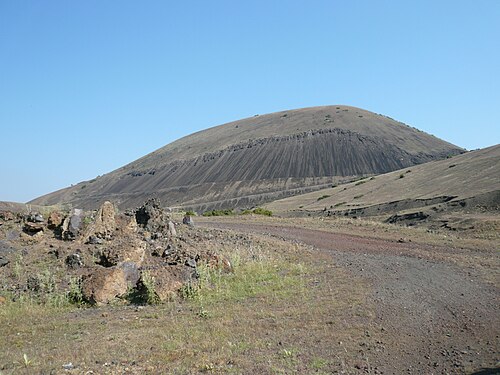
Kula
Kula Volcano is an extinct cinder cone in the Kula volcanic field, the feature that gives the field and the surrounding Kula-Salihli Geopark their name.
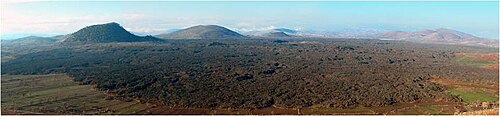
Divlit Yanardağı
Divlit Yanardağı, known locally as Çakallar Tepesi or Divlittepe, is a cinder cone on the shore of the Demirköprü Reservoir in Kula district, at roughly 750 m above sea level.
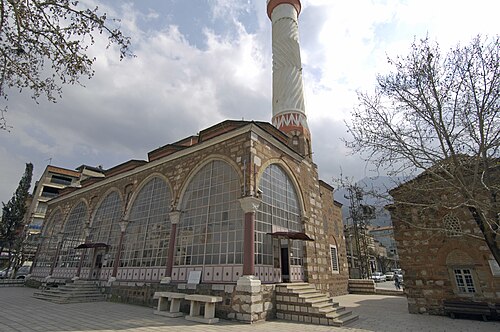
Hatuniye Cami
The Hatuniye Camii was built in 1490–91 by Şehzade Şehinşah, a son of Bayezid II, in honour of his mother Hüsnüşah Hatun.
Alaşehir throws its festival at the one moment of the year when the whole district smells of drying fruit.
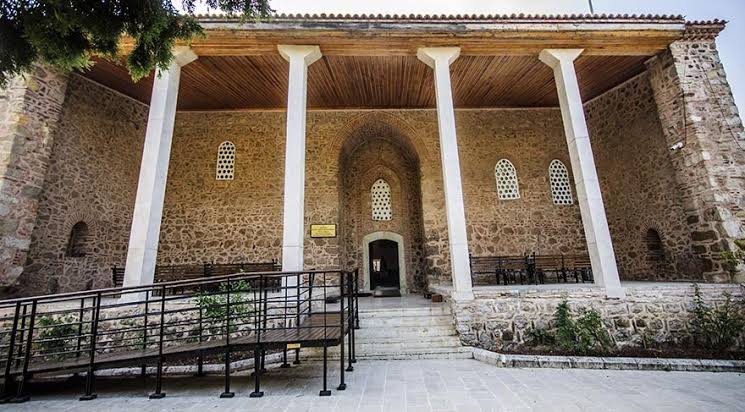
Manisa Mevevihane Müzesi
The Manisa Mevlevihane is a Mevlevi dervish lodge built in 1368-69 by İshak Çelebi, grandson of the Saruhanoğlu ruler Saruhan Bey, on a slope at the foot of Spil Mountain.
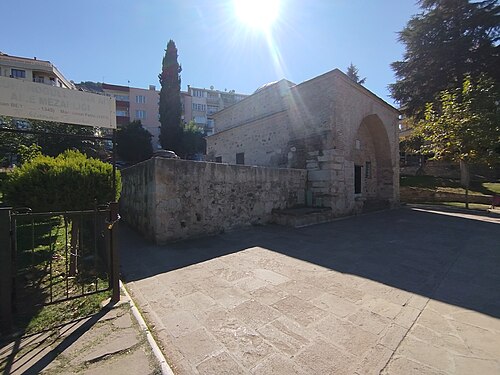
Saruhan Bey Türbesi
The tomb of Saruhan Bey is the oldest dated monument in Manisa's historic quarter, built in 1345 by his grandson İshak Çelebi.

Manisa Hafsa Sultan Şifahanesi
The Hafsa Sultan Hospital Museum is the surviving hospital wing of the Sultan Camii complex, the külliye Ayşe Hafsa Sultan — wife of Selim I and mother of Süleyman the Magnificent — commissioned in Manisa in 1522, where she lived…
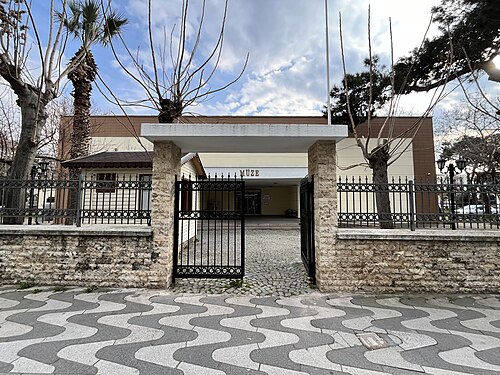
Akhisar Müzesi
Akhisar Museum, in the Paşa neighbourhood of Akhisar district, opened on 6 August 2012 in a building with a longer history than the museum itself: built in 1932 as the Ali Şefik Hospital, endowed by Ayşe Aloğlu, it later became…
Sidas is an unexcavated ancient city near İcikler village, south of Demirci in Manisa province.
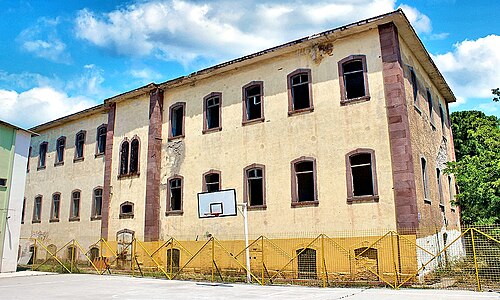
Or Yehuda Tarım Okulu
Or Yehuda Agriculture School is the surviving building of a Jewish agricultural colony and school founded near Akhisar in 1899, in what is today the Kayalıoğlu neighbourhood of Akhisar district.
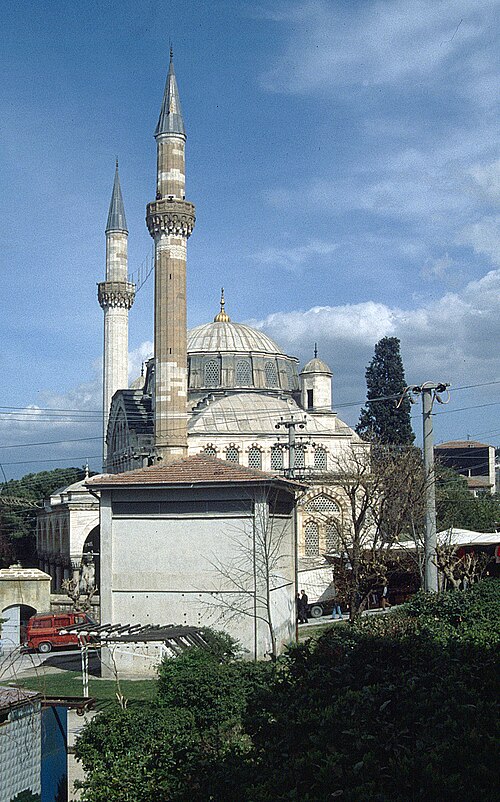
Muradiye Cami
The Muradiye is the mosque Mimar Sinan designed for Manisa, built between 1583 and 1586 for Sultan Murad III. It replaced a smaller mosque begun on the site in 1571 and is the finest Ottoman building in the city.
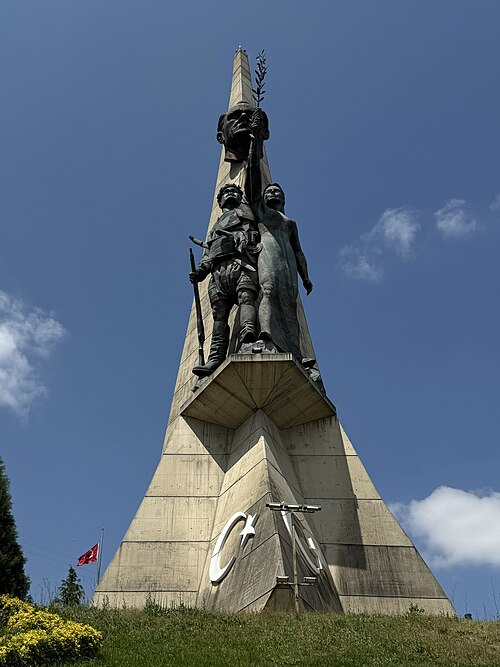
Kuva-yi Milliye ve Cumhuriyet Anıtı
The Kuva-yi Milliye ve Cumhuriyet Anıtı is a 63-metre monument on the southern approach to Manisa, and it is the tallest thing a visitor arriving by road will see.
District boundaries come from OSM administrative relations, so a district page holds exactly the places inside it — plus, for the islands and the coast, the nearest district by proximity.