


276
45 min
Cave House
Cave House is a small historic monument in Göreme, Nevşehir, positioned within the district’s distinctive cave-and-valley landscape.
- Notable
- Historic monument
- Nevşehir
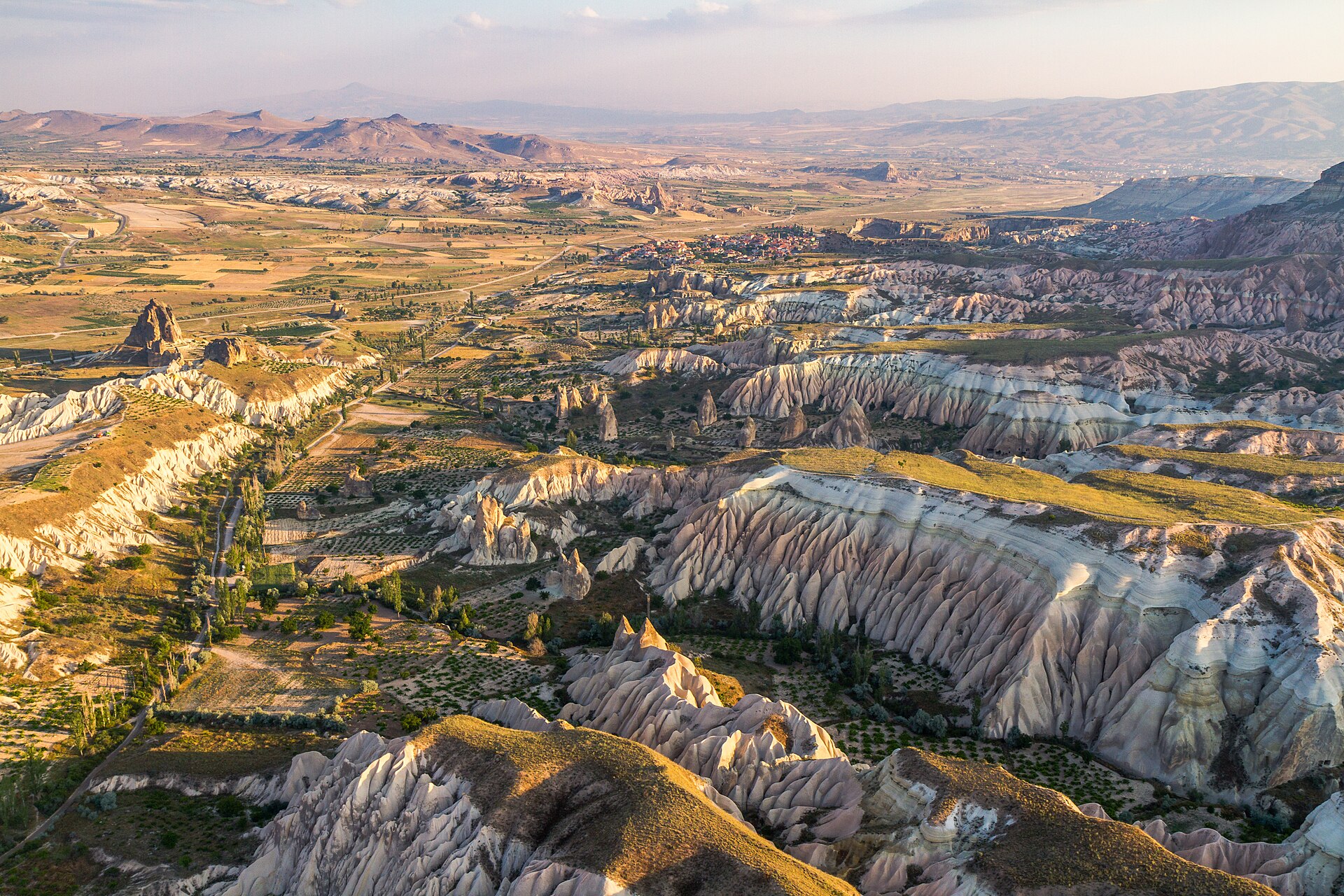
Country guide
Türkiye is 783,562 km² across 81 provinces, most of it Anatolia in West Asia with East Thrace on the European side of the straits. It has three coasts to choose...
Photograph · Benh LIEU SONG · CC BY-SA 4.0
Reviewed by Elena Voss · Roavina Travel Editor
Türkiye is 783,562 km² across 81 provinces, most of it Anatolia in West Asia with East Thrace on the European side of the straits. It has three coasts to choose between — the Black Sea to the north, the Aegean to the west, the Mediterranean to the south — and an interior plateau that behaves like a different country in winter. Istanbul is the largest city and the economic centre, Ankara the capital and the second-largest, and the December 2025 population of 86,092,168 is weighted heavily to the west. A first trip is usually Istanbul and one coast; the plateau is the second trip.
Checked 2026-08-25
Every city catalogued in this country so far, ranked by how much there is to see.
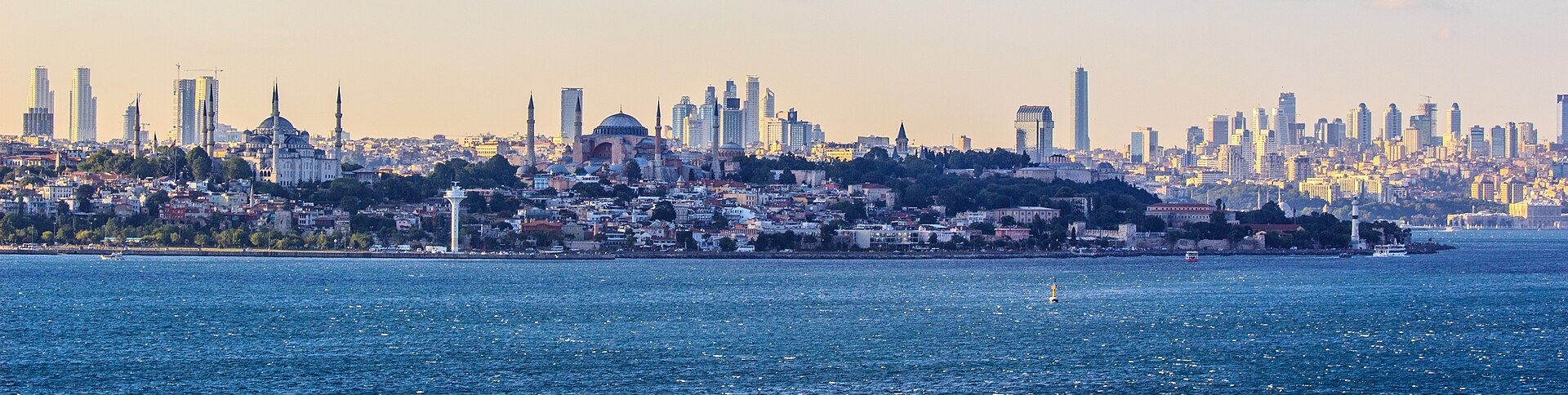
Photograph · Ben Morlok · CC BY-SA 2.0
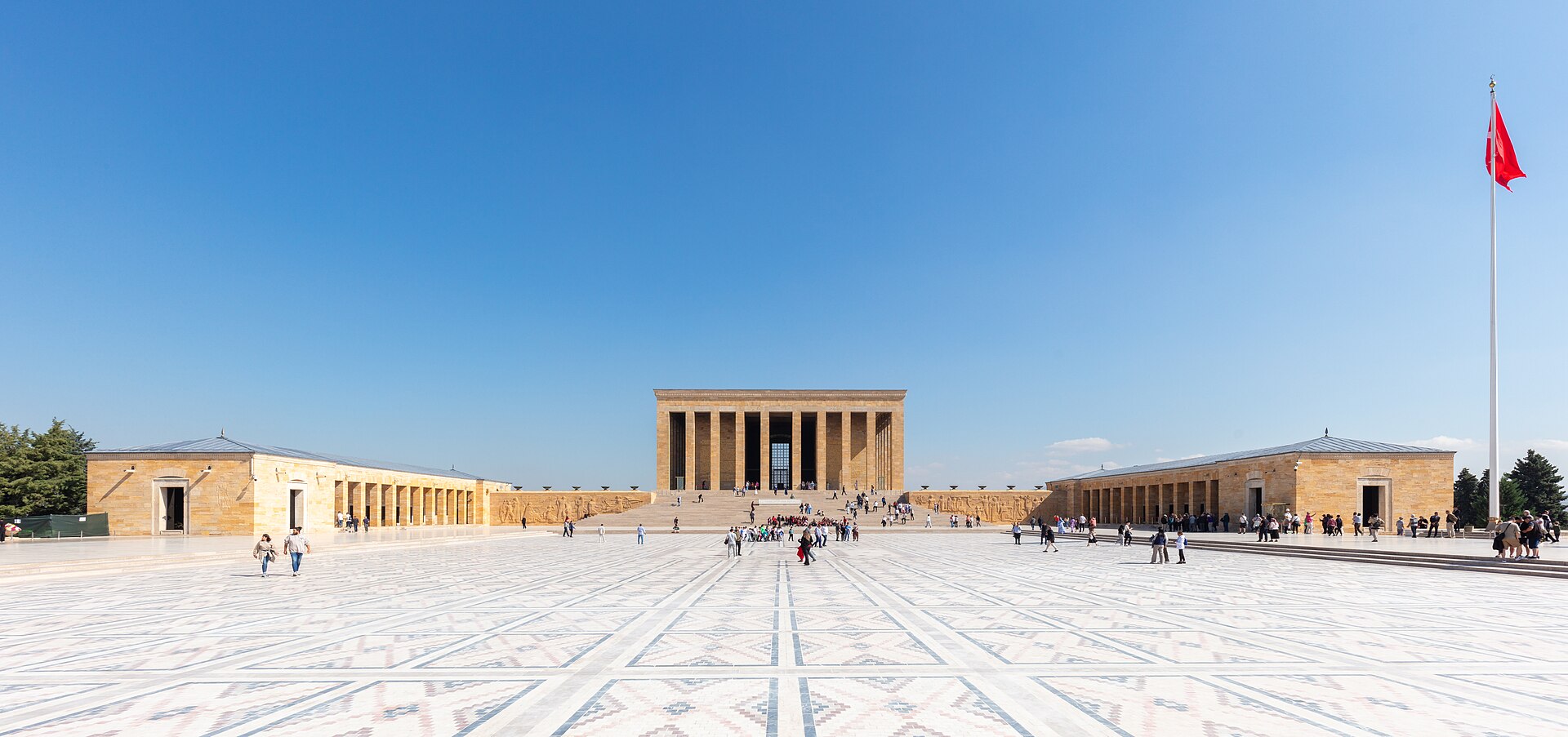
Photograph · Diego Delso · CC BY-SA 4.0
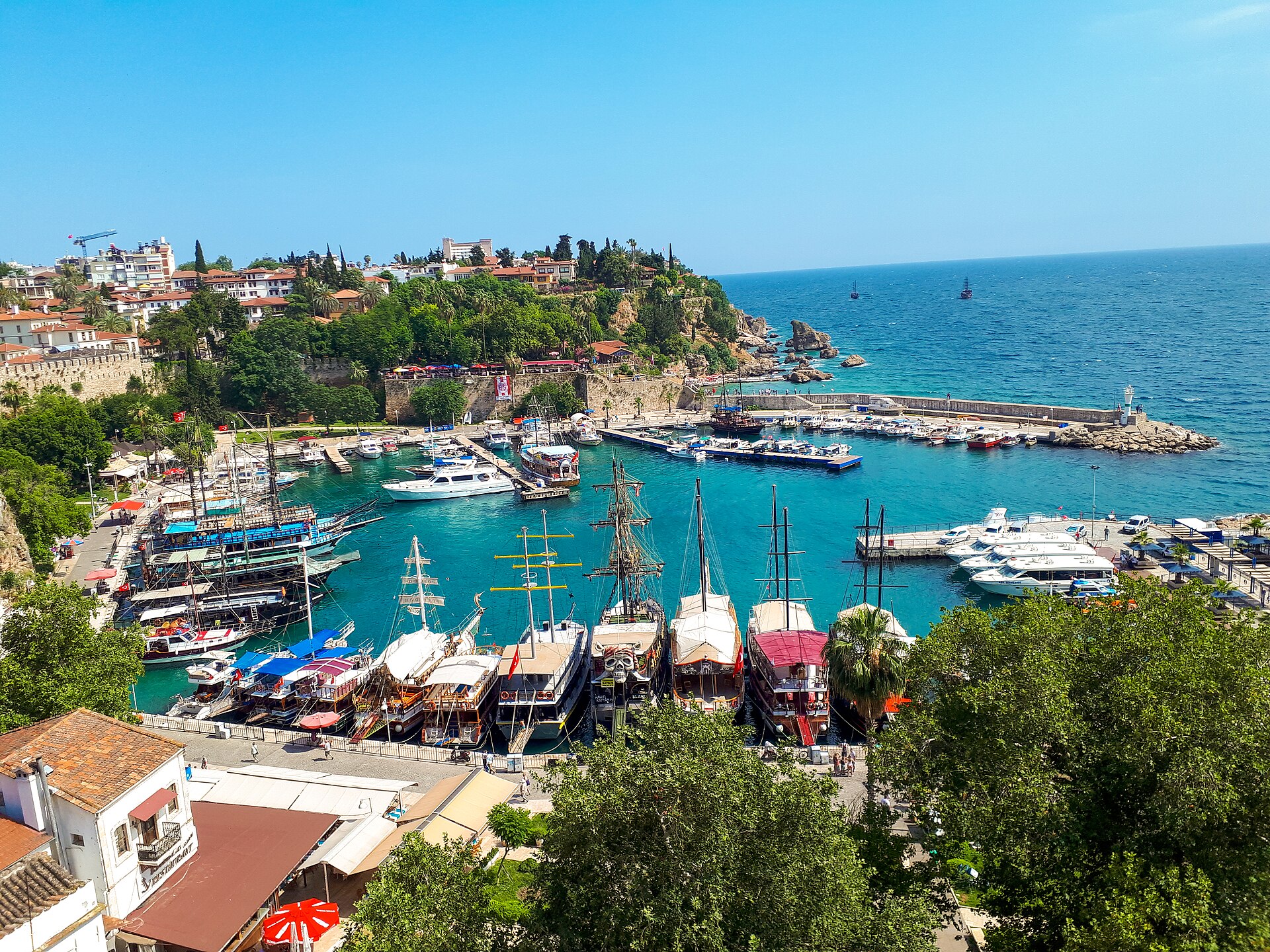
Photograph · REHBER0770 · CC BY-SA 4.0
Photograph · Anonymous · CC0
Photograph · Dan Taylor · CC BY 2.0
Photograph · Dogaaunlu · CC BY-SA 4.0
Photograph · Egemenakgul · CC BY-SA 4.0
Ranked by importance — sitelinks, pageviews and heritage status, not editor preference.
379 places match
Category
Typical visit duration
Interests
Cave House is a small historic monument in Göreme, Nevşehir, positioned within the district’s distinctive cave-and-valley landscape.
Cave House (entrance up through bottom chimney) is a small, distinctive rock-cut landmark in Güllüdere Valley, between Göreme and Çavuşin in Nevşehir Province.
Cave pigeon-loft is a small rock-cut pigeon house in the Göreme Archaeological Site area of Göreme, Nevşehir. Its carved openings belong to Cappadocia’s working landscape, alongside the better-known churches and chapels.
Cave Tomb is a specific rock-cut burial feature marked in the Güllüdere walking area of Nevşehir’s Cappadocia landscape. Its identity comes from the carved tomb itself, rather than from a museum collection, fortress, church complex or staffed visitor building.
Cave village is the historic outdoor settlement landscape of Çavuşin, in Avanos district of Nevşehir Province, rather than a single museum building.
Çavuşin Kalesi
Çavuşin Kalesi is the prominent rock settlement rising above Çavuşin village in Avanos district of Nevşehir.
Çeç is a large stone-covered tumulus rising from Çeç Tepesi in the countryside between Avanos and Özkonak. Its broad artificial profile makes it a landmark across the surrounding Cappadocian landscape, including views from the Avanos area.
Cemal Ranch is a working horse-riding base in Kızılçukur Mevkii, Yukarı Mahallesi, outside Ortahisar in Cappadocia. It is arranged around guided riding rather than a conventional visitor attraction with a separate entrance ticket.
Cemel Höyüğü is identified in the official cultural inventory as Yeşilöz Höyüğü, an open-air archaeological site near Yeşilöz village in Gülşehir district, Nevşehir. The mound is registered under decision K.K.T.V.K.K.
Chimney Police Station is a working police-service facility near the fairy chimneys of Paşabağları and Çavuşin, in Avanos District of Nevşehir Province. The map identifies it with amenity=police and historic=yes.
Church is a rock-hewn Christian sanctuary in Nevşehir’s Cappadocian heritage landscape. The sanctuary belongs to a tradition in which worship spaces were carved directly into volcanic tuff and other eroded formations.
El Nazar Church is a compact rock-cut sanctuary in El Nazar Valley near Göreme, carved directly into Cappadocia’s volcanic tuff. Its free-cross plan, three apses and central dome give the small interior a distinct architectural identity.
Church, also known as Kaymaklı Church, is a twentieth-century heritage building in Kaymaklı, within Nevşehir’s Merkez district. The heritage record connects it with the Greek Rum community.
Church is a rock-cut Christian space within the Zelve archaeological site near Aktepe, in Avanos district of Nevşehir Province.
Column Church is a rock-cut church encountered in Güllüdere Valley, the natural corridor between Göreme and Çavuşin in Nevşehir.
big cave church
Big Cave Church is a rock-cut Christian sanctuary in the Mısırören Deresi valley, about 3 kilometres north of Ortahisar. It is also known as Columned Church, Column Church, Sütunlu Kilise and Kolonlu Kilise.
Delikli Bent is a natural and historic rock formation in the Selendi River bed, in Yıldız neighbourhood of Selendi district, Manisa. The site is also known locally as Delik Düven.
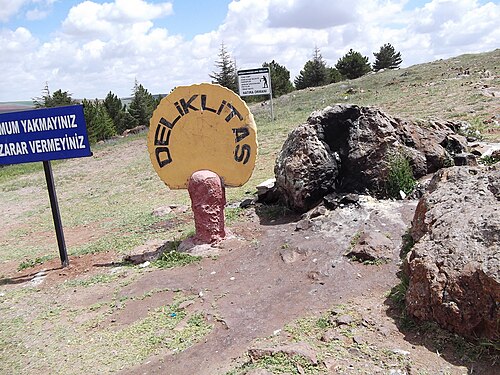
Deliklitaş is a compact rock feature in the Çilehane area of Hacıbektaş, Nevşehir. The feature is defined by a cave cut into the rock, with an entrance and exit, together with a narrow opening that leads outdoors.
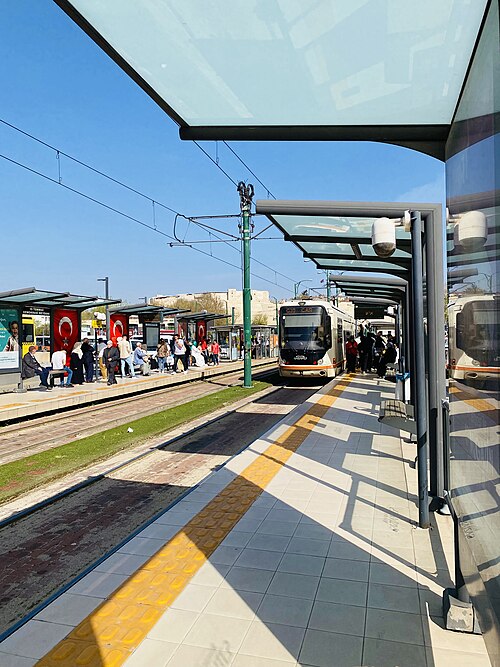
Demokrasi Meydanı is an open-air civic square in central Manisa’s Şehzadeler district, known in official notices as 15 Temmuz Demokrasi Meydanı.
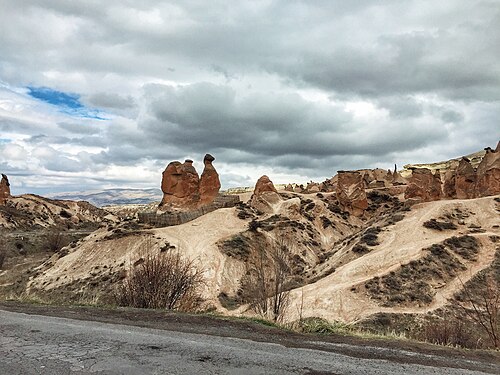
Devrent Vadisi
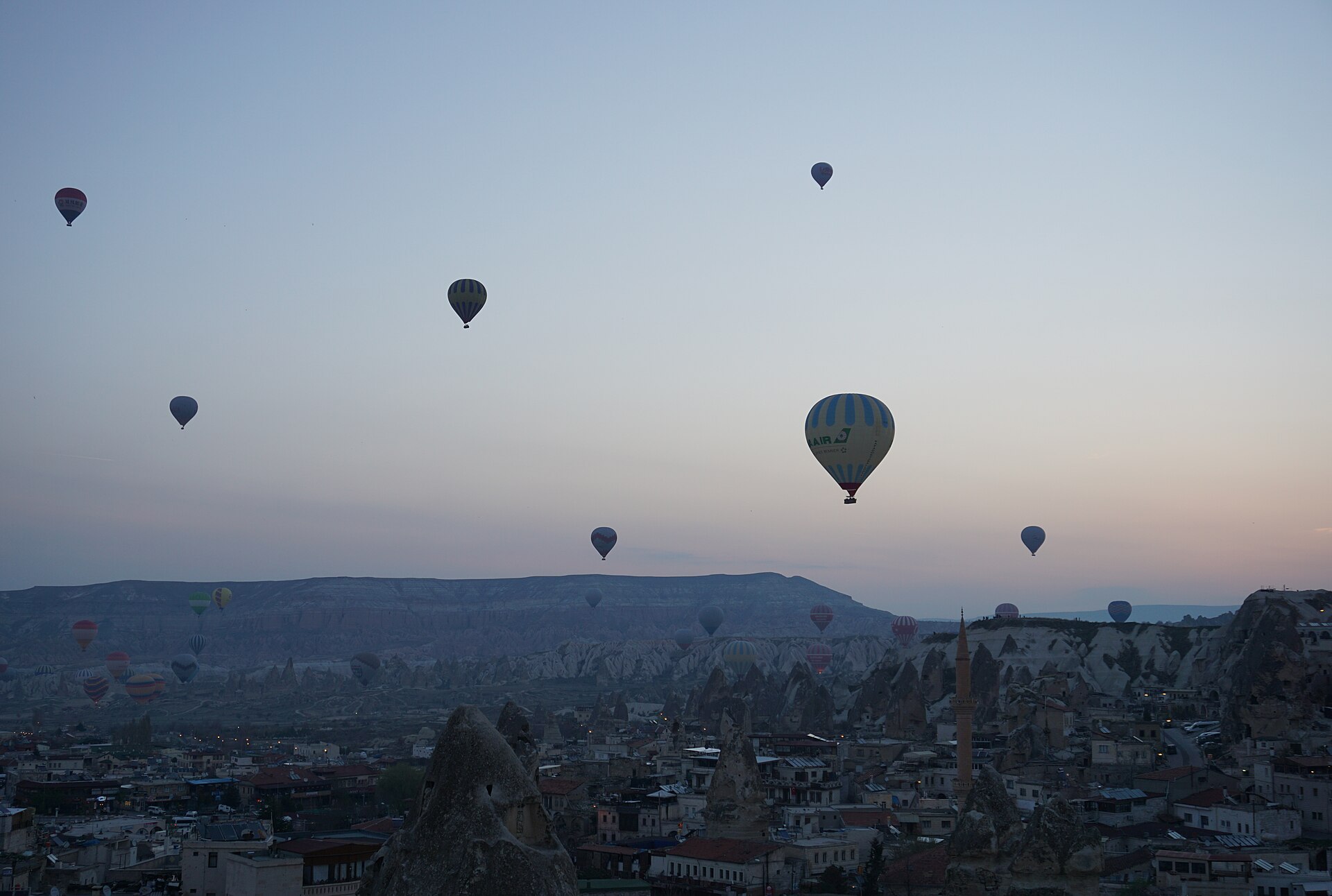
Devrent Valley, also called Hayal Vadisi or Imaginary Valley, is an open Cappadocian landscape of fairy chimneys, tuff rocks and natural silhouettes.
DSM is an open-air monument in Salihli, within Manisa province, set in the everyday urban landscape rather than inside a museum or visitor complex.
Durmuş Kadir Kilisesi
Durmuş Kadir Kilisesi is a Byzantine rock-cut monument in Göreme’s Karşı Bucak area, dating from the sixth or seventh century.
Entry to Sable Valley is a named access point in Göreme National Park, near Göreme in Nevşehir Province. It is a starting point for an outdoor experience: moving from the settled approach into Sable Valley and its Cappadocian terrain.
Eski Gördes Harabeleri are the surviving traces of Gördes’s former hillside settlement in Manisa. The place lies in Eski Gördes, in Atatürk Mahallesi, near Eski Gördes Pazar Camii on the eastern slope of Kepez, also called Tekke Dağı.
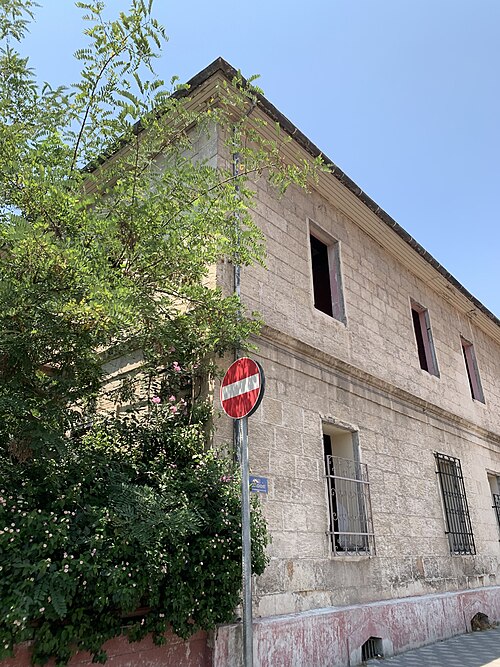
Eski Kilise is a ruined historic Christian place of worship in Kula, a district of Manisa province.
Ten to fourteen days allows about four days in İstanbul and at least three around Antalya when coastal archaeology is included. Cappadocia needs its own regional stay, and a one-way coastal route is more workable than returning to the same city each night.
Türkiye's visa position varies by passport and purpose. Verify the rule through the Ministry of Foreign Affairs and, when eligible, use only the official e-Visa service rather than an intermediary.
İstanbul's two airports and Antalya are the principal gateways for this itinerary. Domestic flights cover long cross-country legs, coaches serve many city pairs, and high-speed rail is most useful on the İstanbul-Ankara axis rather than as a universal substitute.
April to May and September to October are broad choices for combining İstanbul with the Mediterranean coast. Cappadocia nights, inland heat, and Antalya's coastal conditions differ, so confirm weather for each overnight base.
Türkiye uses the Turkish lira (TRY). Keep lira available for smaller transport and market transactions even when cards are accepted, and review the displayed amount in TRY before agreeing to any card conversion.
Dial 112 for emergencies in Türkiye. Electricity is 230 V through Type C and F sockets; tap-water safety is not recorded here, so obtain current local advice at each stop.