İvaz Paşa Mosque
İvaz Paşa Camii
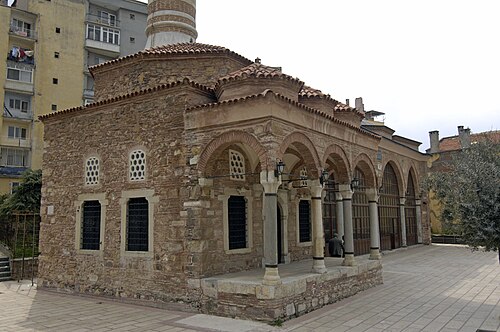
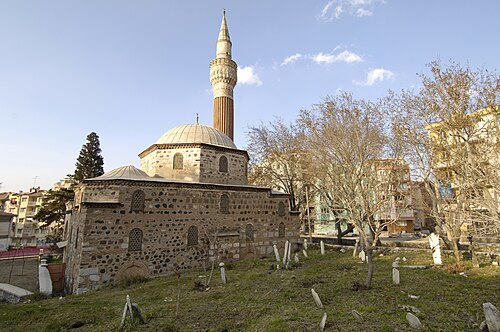
The İvaz Paşa Camii was built in October 1484 for İvaz Paşa, eight years before the end of the fifteenth century and nearly forty years before the Sultan Mosque.
- High
- Place of worship
- Manisa
Country guide
Türkiye is 783,562 km² across 81 provinces, most of it Anatolia in West Asia with East Thrace on the European side of the straits. It has three coasts to choose...
Photograph · Benh LIEU SONG · CC BY-SA 4.0
Reviewed by Elena Voss · Roavina Travel Editor
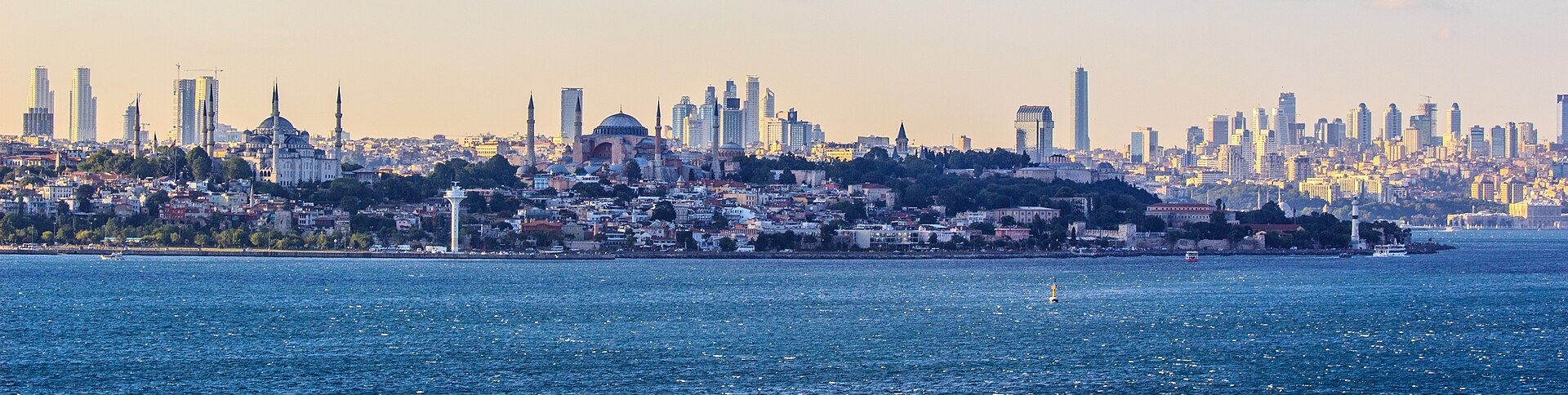
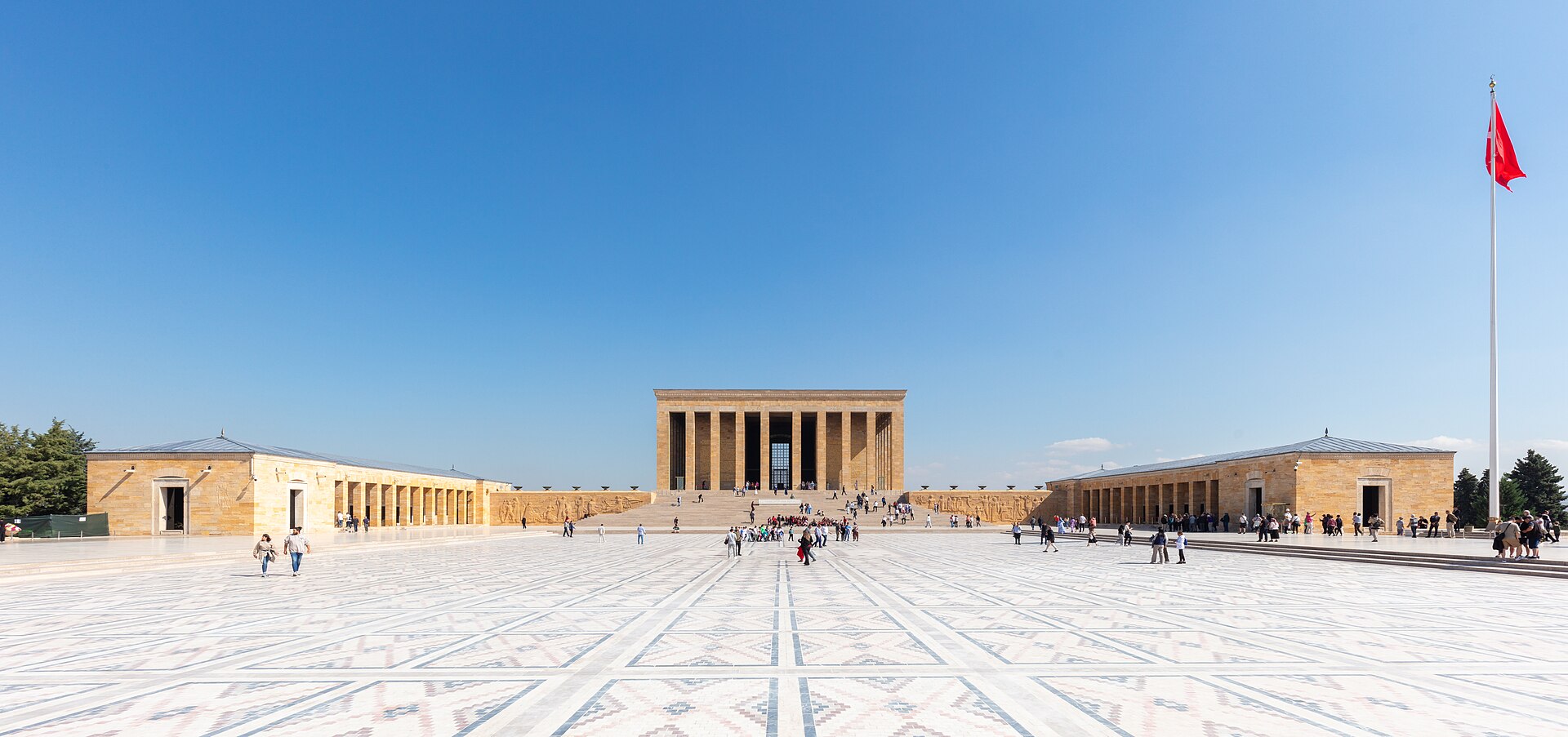
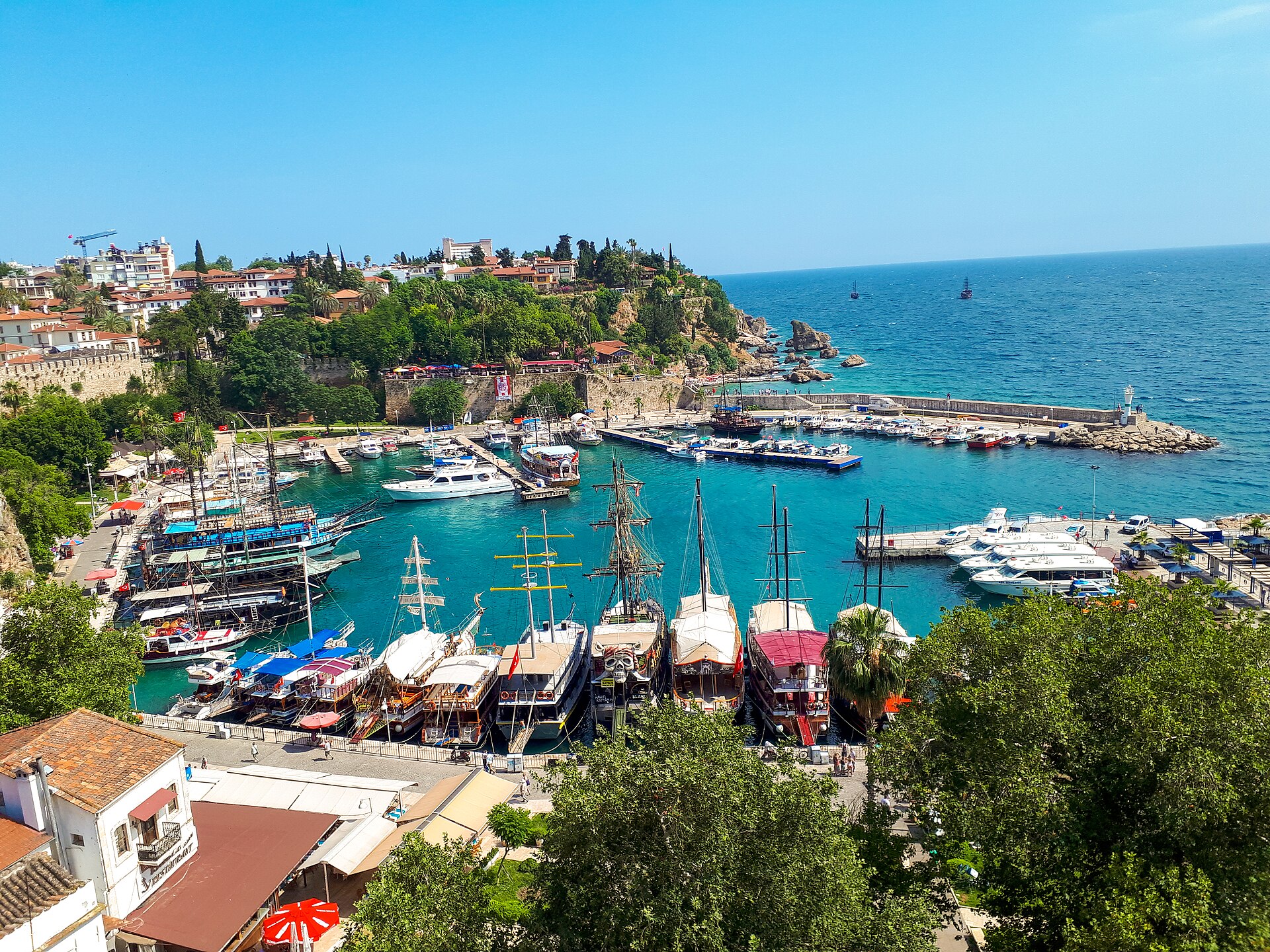
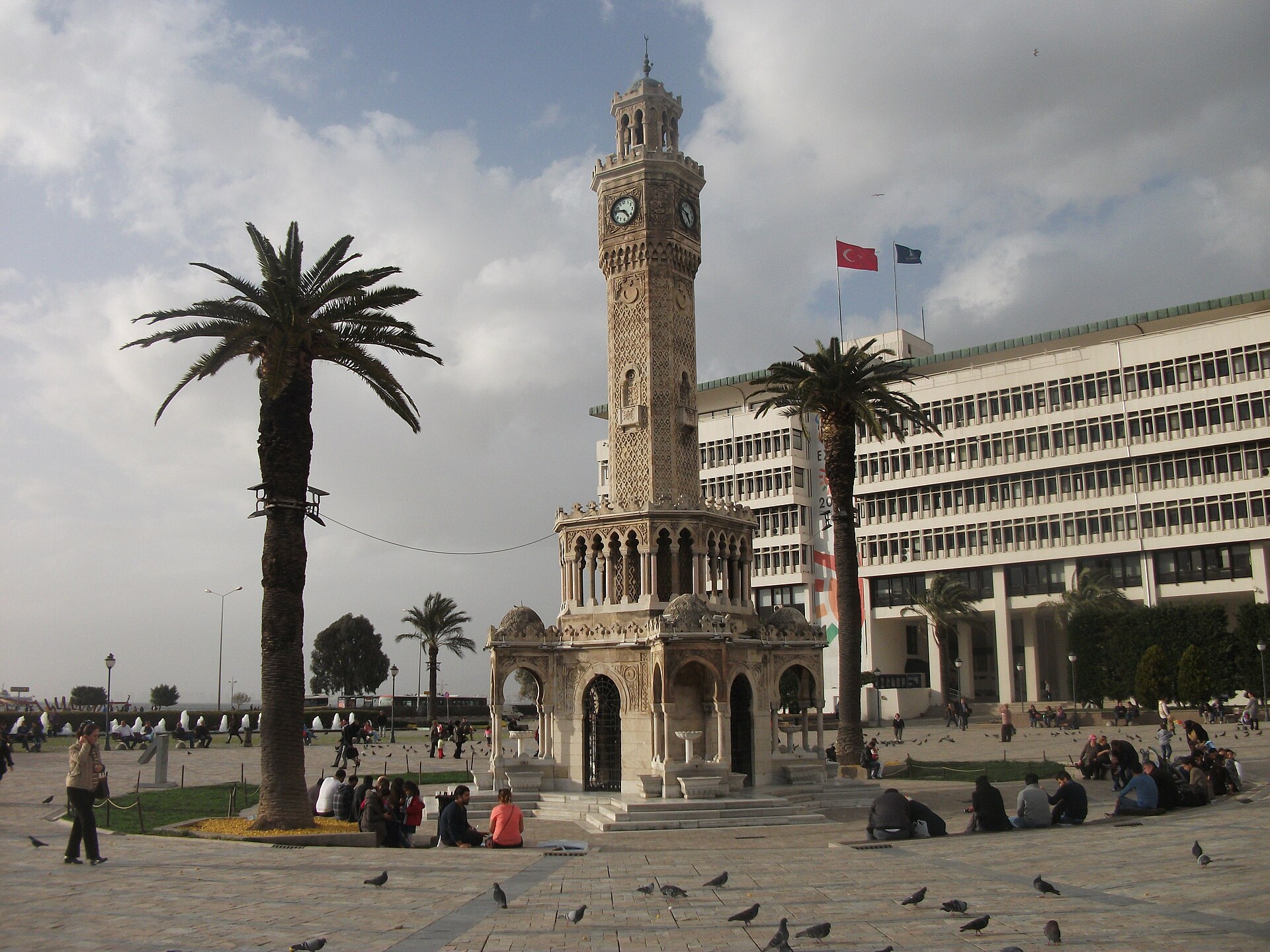
Türkiye is 783,562 km² across 81 provinces, most of it Anatolia in West Asia with East Thrace on the European side of the straits. It has three coasts to choose between — the Black Sea to the north, the Aegean to the west, the Mediterranean to the south — and an interior plateau that behaves like a different country in winter. Istanbul is the largest city and the economic centre, Ankara the capital and the second-largest, and the December 2025 population of 86,092,168 is weighted heavily to the west. A first trip is usually Istanbul and one coast; the plateau is the second trip.
Checked 2026-08-25
Every city catalogued in this country so far, ranked by how much there is to see.
Photograph · Ben Morlok · CC BY-SA 2.0
Photograph · Diego Delso · CC BY-SA 4.0
Photograph · REHBER0770 · CC BY-SA 4.0
Photograph · Anonymous · CC0
Photograph · Dan Taylor · CC BY 2.0
Photograph · Dogaaunlu · CC BY-SA 4.0
Photograph · Egemenakgul · CC BY-SA 4.0
Ranked by importance — sitelinks, pageviews and heritage status, not editor preference.
619 places match
Category
Typical visit duration
İvaz Paşa Camii
The İvaz Paşa Camii was built in October 1484 for İvaz Paşa, eight years before the end of the fifteenth century and nearly forty years before the Sultan Mosque.
Akyarlar Yanardağı
Akyarlar is a seaside settlement at the southern end of the Bodrum Peninsula, in Muğla’s Bodrum district, where a mapped coastal place becomes the setting for an open-air beach visit.
Ortahisar Kalesi
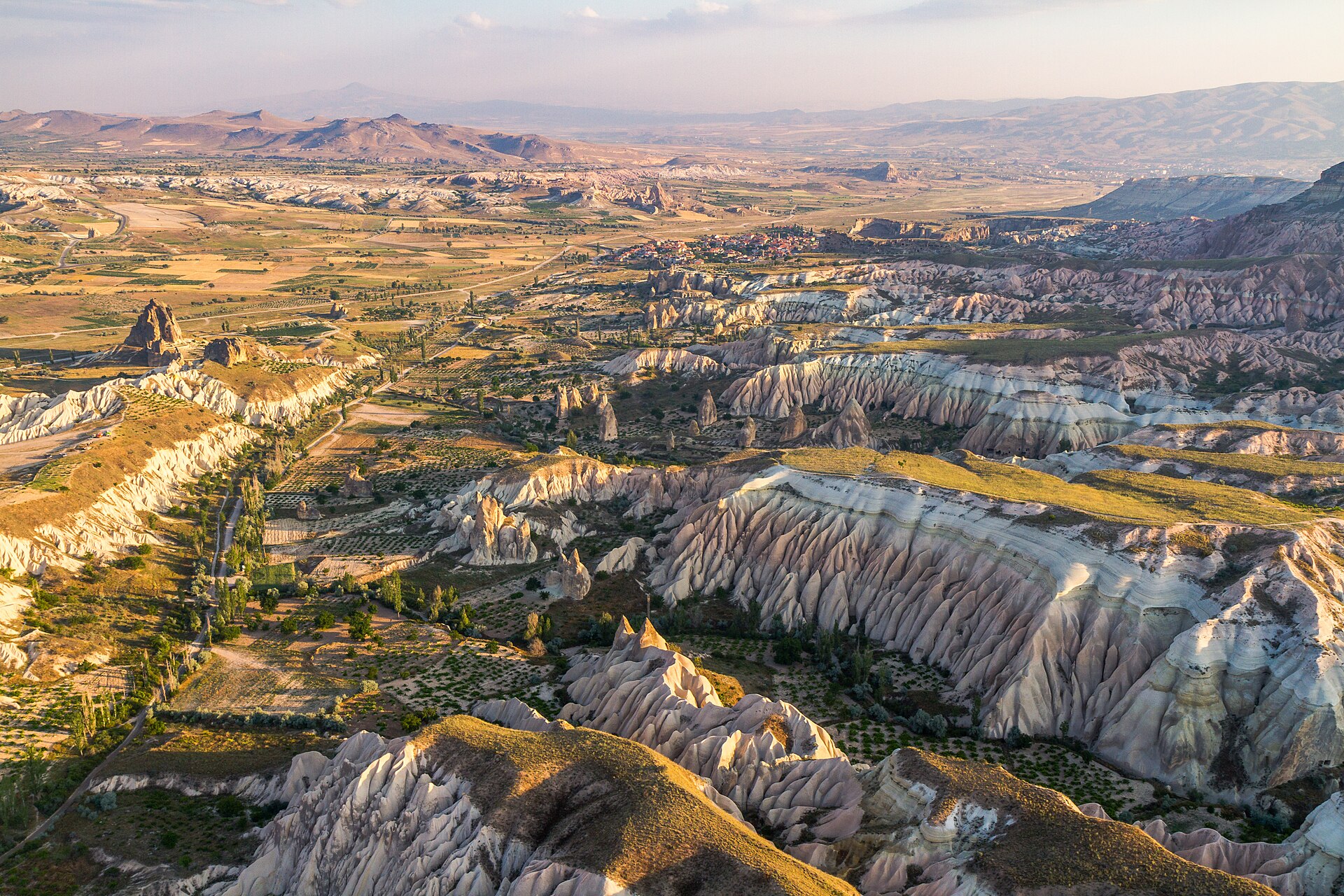
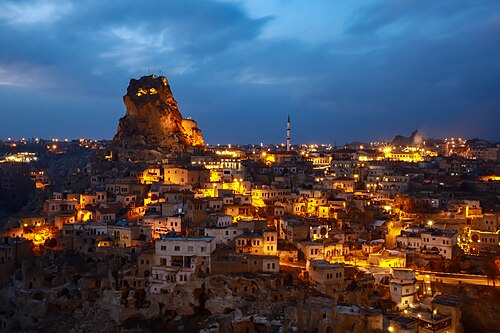
Castle of Ortahisar is the landmark rock citadel at the centre of Ortahisar in Ürgüp district, Nevşehir Province.
Dua Tepe
Duatepe Hill is an outdoor memorial in Polatlı, west of Ankara, marking a decisive position in the Battle of Sakarya.
Hüseyingazi Zirvesi
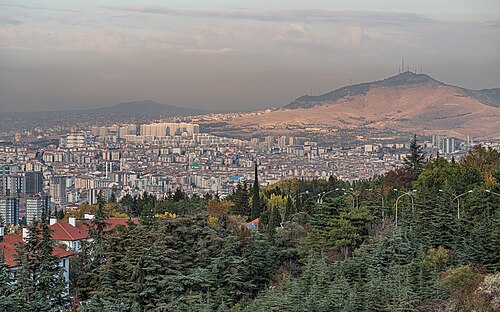
Hüseyin Gazi Mountain rises to 1,236 metres in Ankara’s Mamak district, with a summit settlement that combines a historic tomb and living communal spaces.
Keltepe is a 1,704-metre natural peak in Ankara Province’s Beypazarı district, near Hamzalar and Doğanyurt. OpenStreetMap identifies it as a natural peak, so the destination is the mountain landform itself rather than a staffed attraction, museum, park or commercial viewpoint.
Paşa Dağı is a natural summit in Ankara Province, in the Şereflikoçhisar area near Aksoylar and Odunboğazı. Ankara Governor’s Office lists Paşa Dağı among the province’s volcanic mountains, giving this quiet rural high point a distinctive geographical identity.
Afkule Monastery
The Monastery of Afkule is a remote religious ruin above Kayaköy in Fethiye district, reached through woodland rather than by a formal museum entrance.
Yedigöller
Buca Yedigöller is a neighbourhood recreation area in İzmir, set among the Çağdaş, İzkent, Karanfil, Gaziler and Murathan neighbourhoods.
Çamaltı Tuzlası
Çamaltı Salt Pan is a working coastal salt-production landscape inside İzmir’s Gediz Delta, where shallow evaporation ponds, embankments and wetland habitats meet.
Kordonboyu
Kordon is İzmir’s bayfront promenade, stretching between Konak and Alsancak Port along the central shore of İzmir Bay. Its defining experience is movement beside open water: a continuous urban route where the bay, city frontage and everyday public life meet.
Suluin Mağarası
Suluin Cave Finike is a natural attraction in Finike district, on Antalya province’s Mediterranean coast.
Tulumtaş Mağarası
Tulumtaş Cave is a fossil cave in Tulumtaş Mahallesi, within Ankara’s Gölbaşı district, in the Karayatak area beside the Ankara Ring Road.
Akün Sahnesi
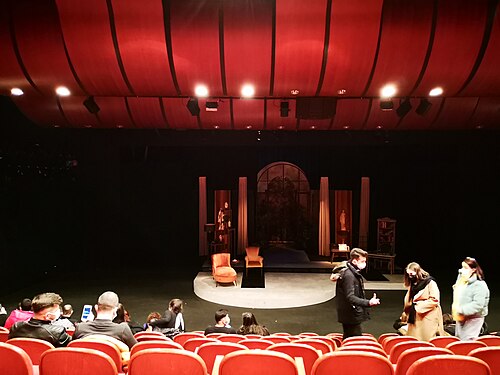
Akün Stage is an Ankara State Theatre venue in Çankaya, beside Kuğulu Park on Atatürk Boulevard. It opened on 12 January 2003 after Akün Cinema was converted into a theatre venue.
Mareşal Atatürk Anıtı
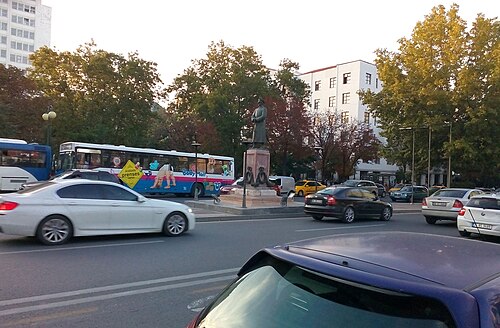
Marshal Atatürk Monument is a bronze civic memorial in Zafer Meydanı, on Atatürk Bulvarı in central Ankara. Italian sculptor Pietro Canonica created it, and it opened on 4 November 1927.
Akhisar Musevi Mezarlığı
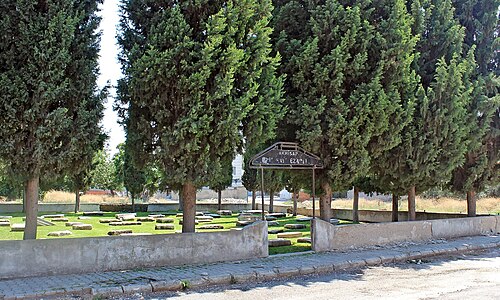
This is the burial ground of Akhisar's Jewish community, a Sephardic congregation that at its peak numbered around 400 people and no longer exists in the town.
Çeşnigir Cami
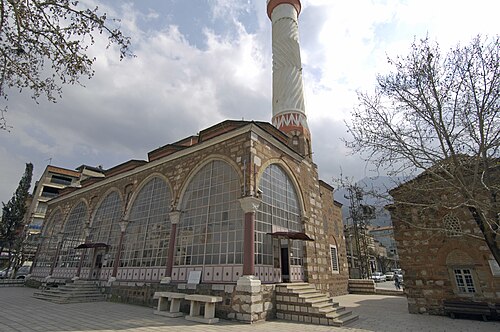
The Çeşnigir Camii of 1474 is one of the oldest mosques in Manisa, built by Çeşnigir Sinan Bey — a man who had been enslaved and was freed by Mehmed II, the sultan who took Constantinople.
Hatuniye Cami
The Hatuniye Camii was built in 1490–91 by Şehzade Şehinşah, a son of Bayezid II, in honour of his mother Hüsnüşah Hatun.
İmrahor Camii
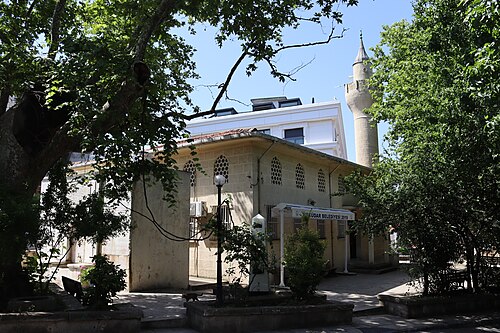
İmrahor Camii is a small working neighbourhood mosque in Salacak, the shore quarter that runs south from Üsküdar square on Istanbul's Asian side.
Kırtık Mezarlığı
Kırtık Mezarlığı is the largest cemetery in Manisa, a Muslim civil burial ground of 333,000 m² in Şehzadeler, still in use. It is also known as Kırtık Asri Mezarlığı or the Manisa Municipality Asri Cemetery.
Ağıl Höyük
Ağıl Höyük (Mucur) is a named archaeological mound in Mucur district, near Küçükburunağıl and Kırlangıç Hill.
Ahi Ebubekir Türbesi
Ahi Abu Bakr Tomb is a small local shrine on Ahi Sokak in Akyol Mahallesi, Yatağan, Muğla. Local historical accounts connect Ahi Abu Bakr with the founding of the settlement once known as Ahiköy, alongside his brother Ahi Sinan.
Dağdeviren Höyüğü is a registered archaeological mound in the Kayalıoğlu area of Akhisar, Manisa Province. It is also known as Dağdeviren Çiftliği Höyüğü, while older references call it Akırbey Çiftliği.
Doğala Han is a Seljuk-period caravanserai ruin in Doğala village, Derinkuyu district, Nevşehir, with its surviving remains inside the village cemetery.
Dolayhan
Dolay Han is a ruined Seljuk caravanserai southeast of Til Village, in Derinkuyu district, approximately 30 kilometres southeast of Nevşehir.
Ten to fourteen days allows about four days in İstanbul and at least three around Antalya when coastal archaeology is included. Cappadocia needs its own regional stay, and a one-way coastal route is more workable than returning to the same city each night.
Türkiye's visa position varies by passport and purpose. Verify the rule through the Ministry of Foreign Affairs and, when eligible, use only the official e-Visa service rather than an intermediary.
İstanbul's two airports and Antalya are the principal gateways for this itinerary. Domestic flights cover long cross-country legs, coaches serve many city pairs, and high-speed rail is most useful on the İstanbul-Ankara axis rather than as a universal substitute.
April to May and September to October are broad choices for combining İstanbul with the Mediterranean coast. Cappadocia nights, inland heat, and Antalya's coastal conditions differ, so confirm weather for each overnight base.
Türkiye uses the Turkish lira (TRY). Keep lira available for smaller transport and market transactions even when cards are accepted, and review the displayed amount in TRY before agreeing to any card conversion.
Dial 112 for emergencies in Türkiye. Electricity is 230 V through Type C and F sockets; tap-water safety is not recorded here, so obtain current local advice at each stop.