


01
3 hours
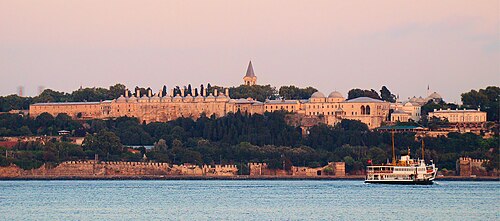
Topkapı Palace
Topkapi Sarayı
Topkapı was the seat of the Ottoman empire for nearly four centuries.
- Must see
- Museum
- Istanbul
Language · 11 published
Country guide
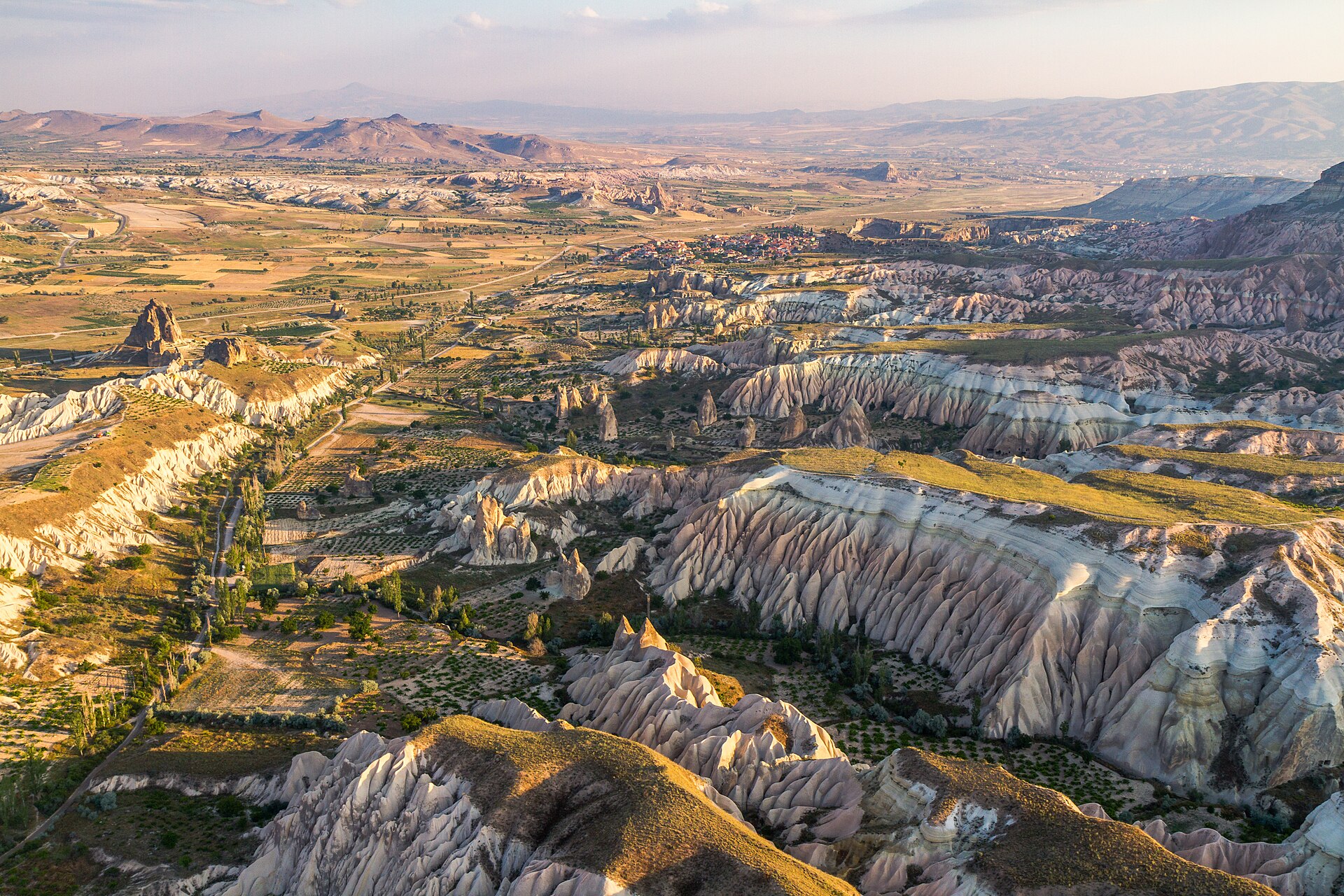
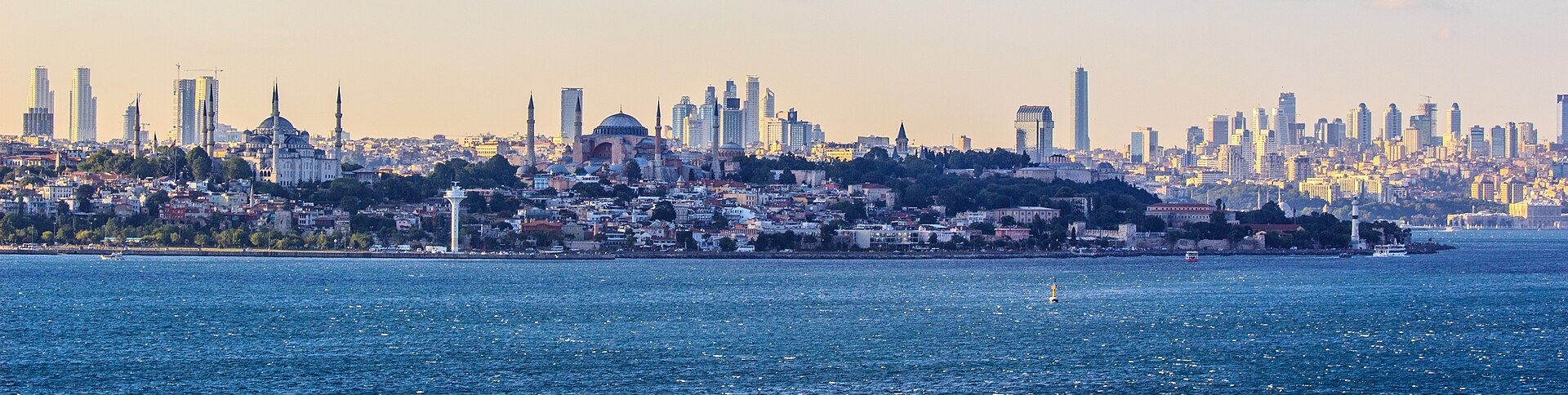
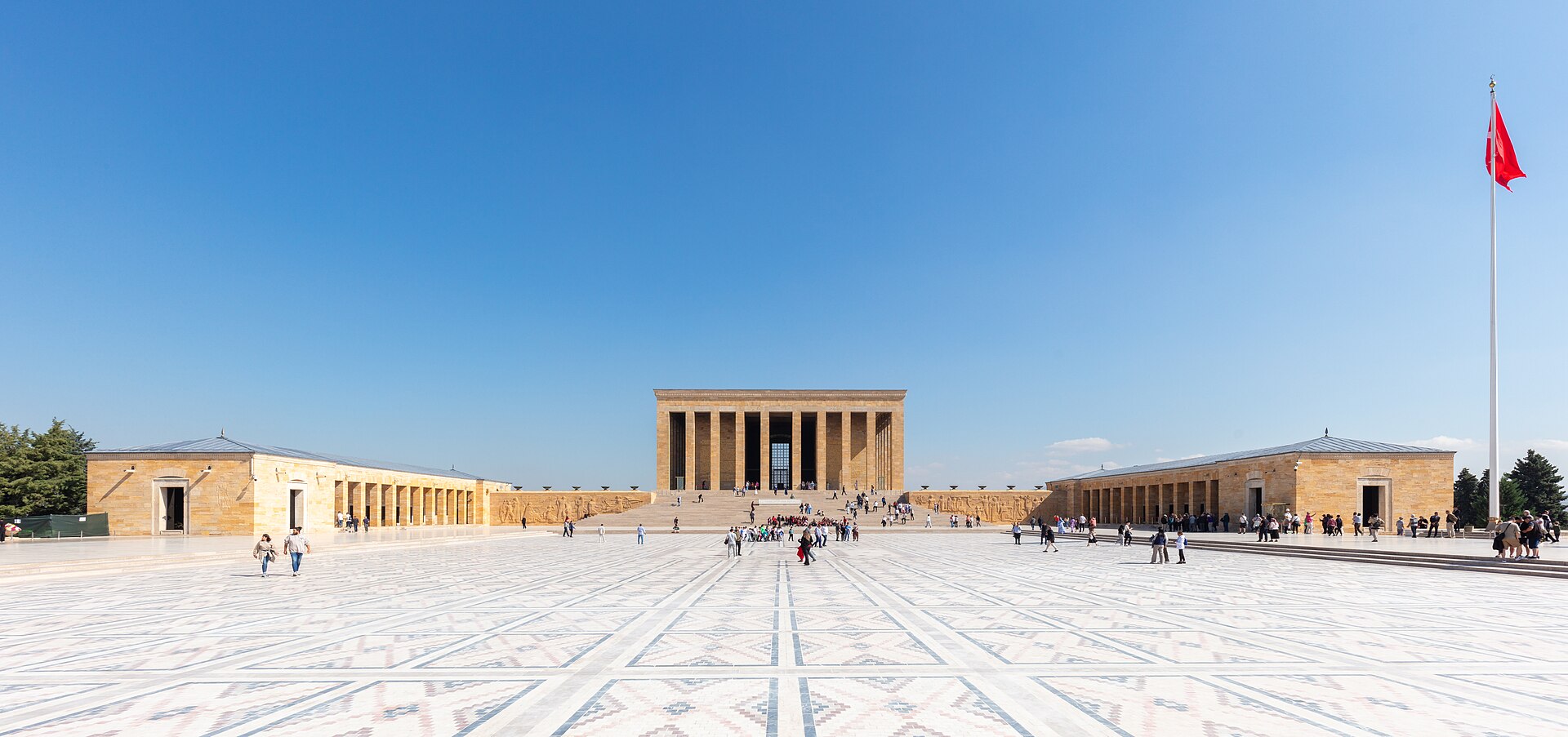
Türkiye is 783,562 km² across 81 provinces, most of it Anatolia in West Asia with East Thrace on the European side of the straits. It has three coasts to choose between — the Black Sea to the north, the Aegean to the west, the Mediterranean to the south — and an interior plateau that behaves like a different country in winter. Istanbul is the largest city and the economic centre, Ankara the capital and the second-largest, and the December 2025 population of 86,092,168 is weighted heavily to the west. A first trip is usually Istanbul and one coast; the plateau is the second trip.
Reviewed by Elena Voss · Roavina Travel Editor
Every city catalogued in this country so far, ranked by how much there is to see.
Photograph · Ben Morlok · CC BY-SA 2.0
Photograph · Diego Delso · CC BY-SA 4.0
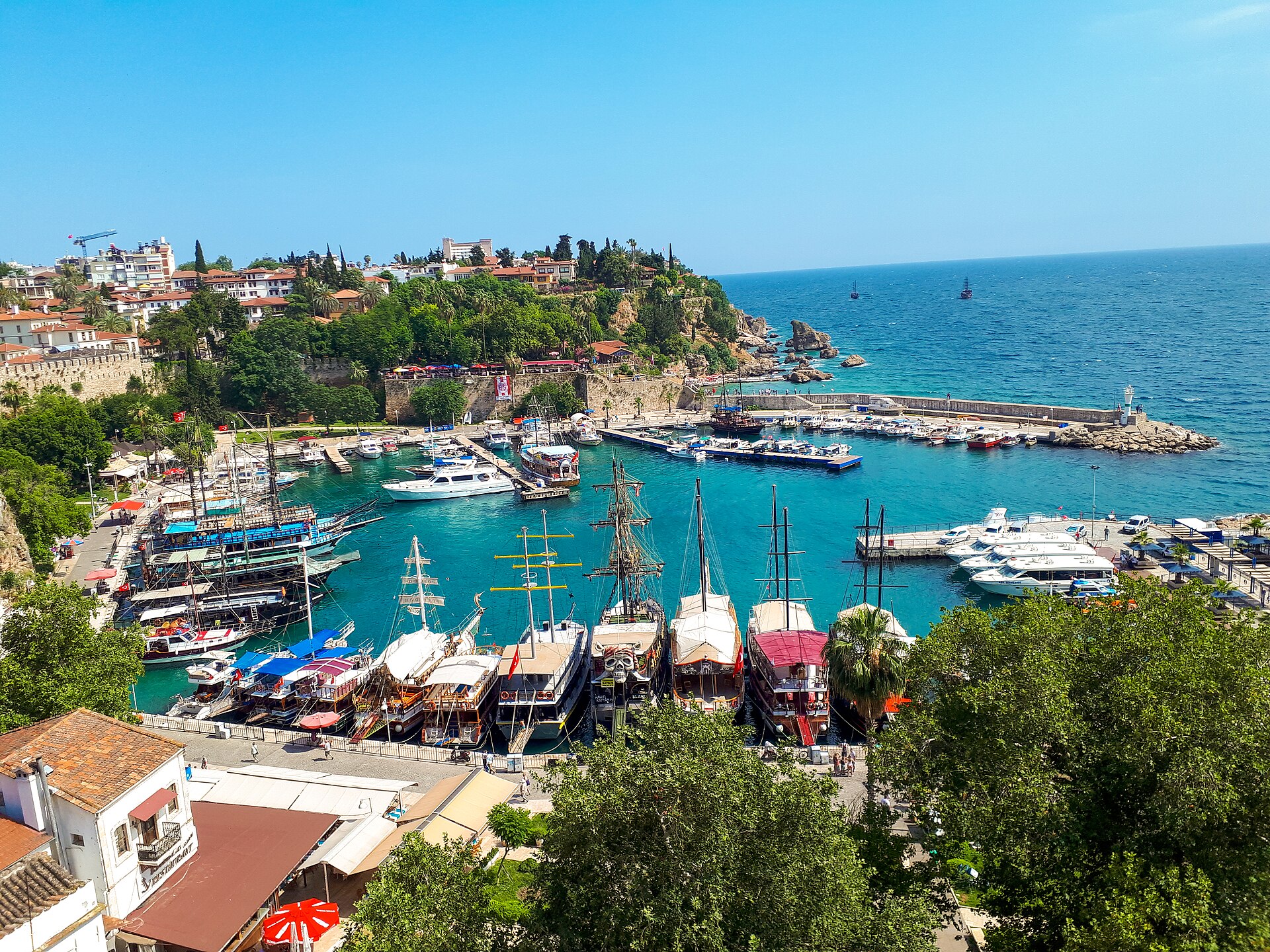
Photograph · REHBER0770 · CC BY-SA 4.0
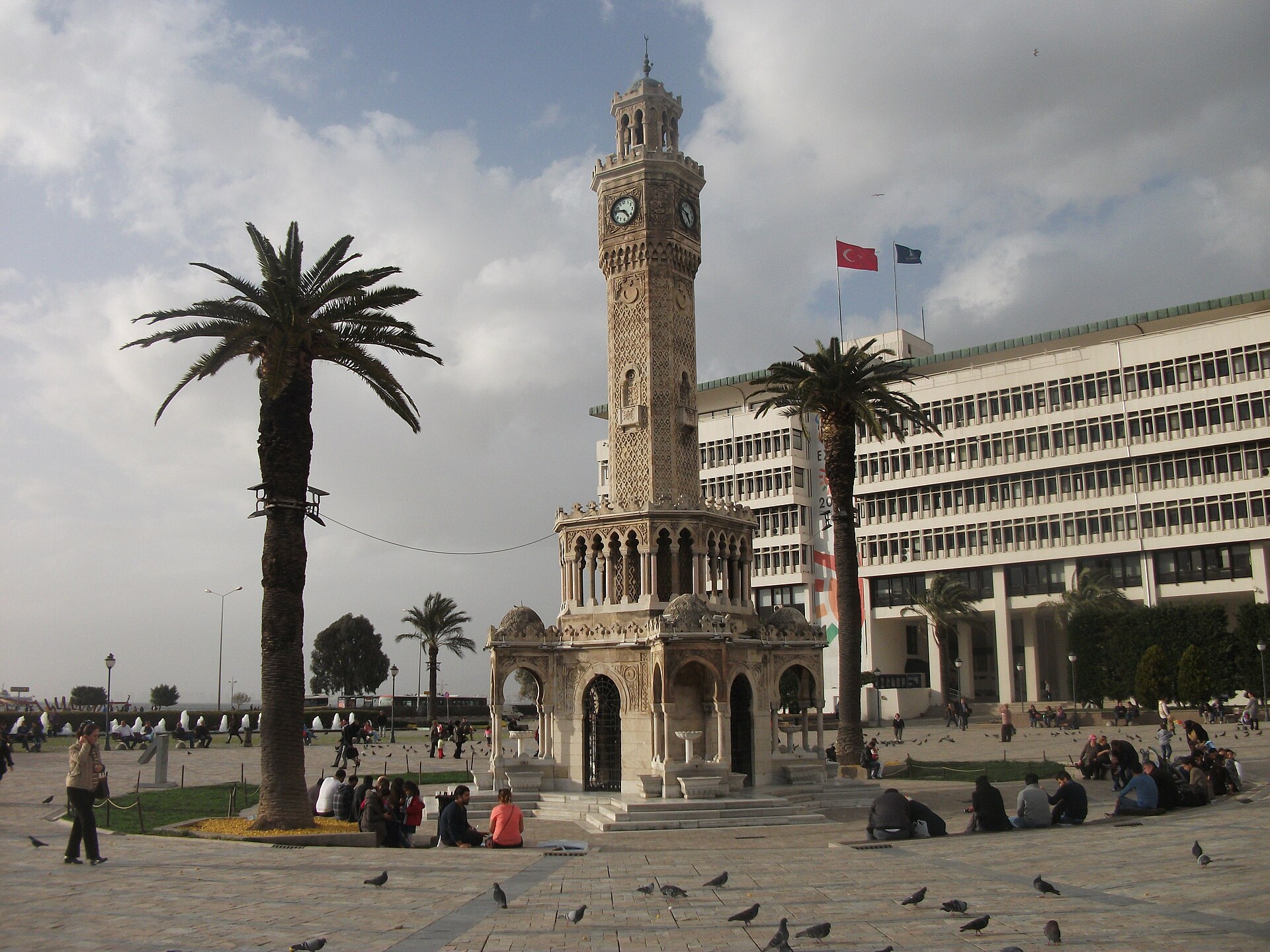
Photograph · Anonymous · CC0
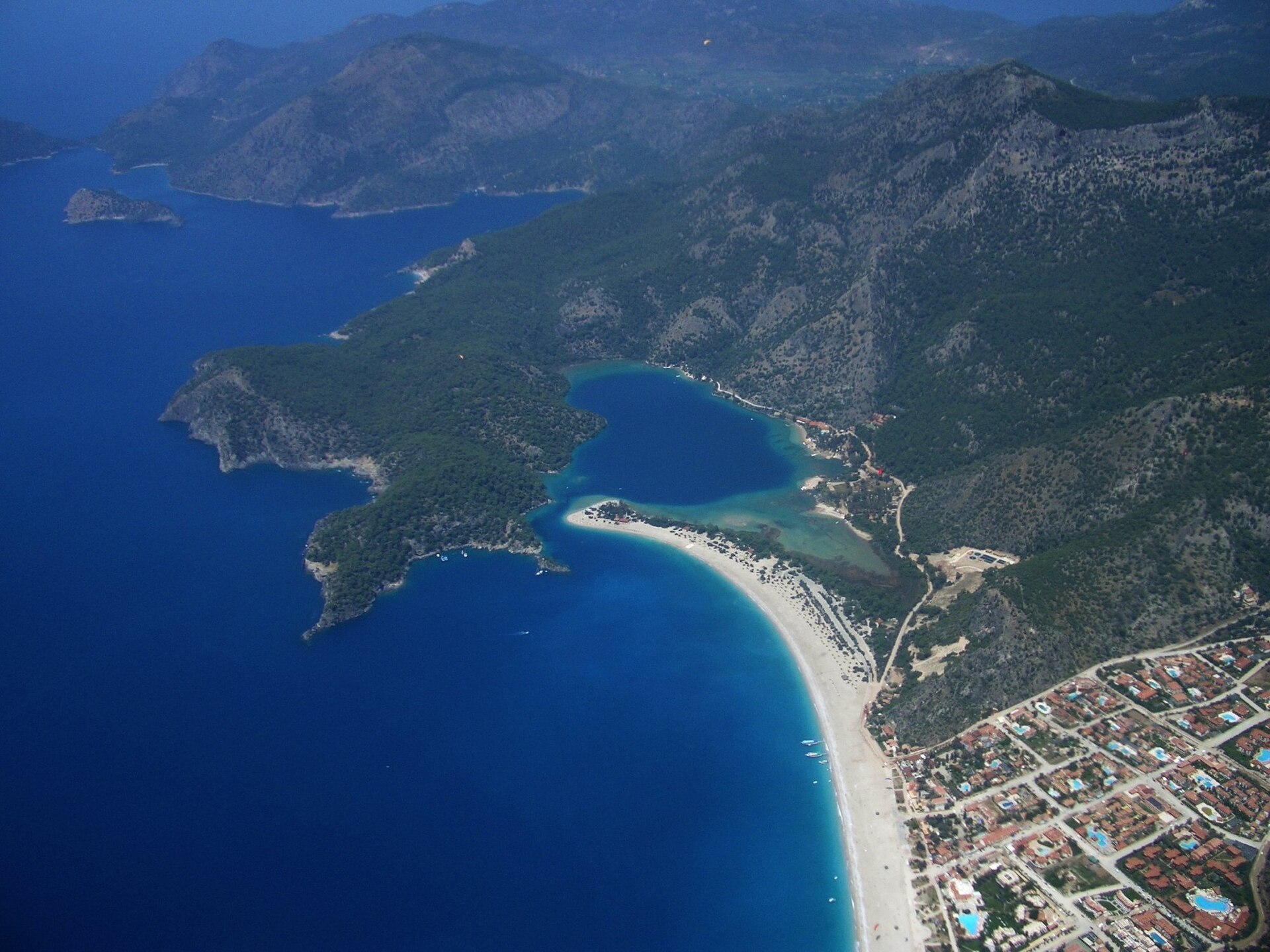
Photograph · Dan Taylor · CC BY 2.0
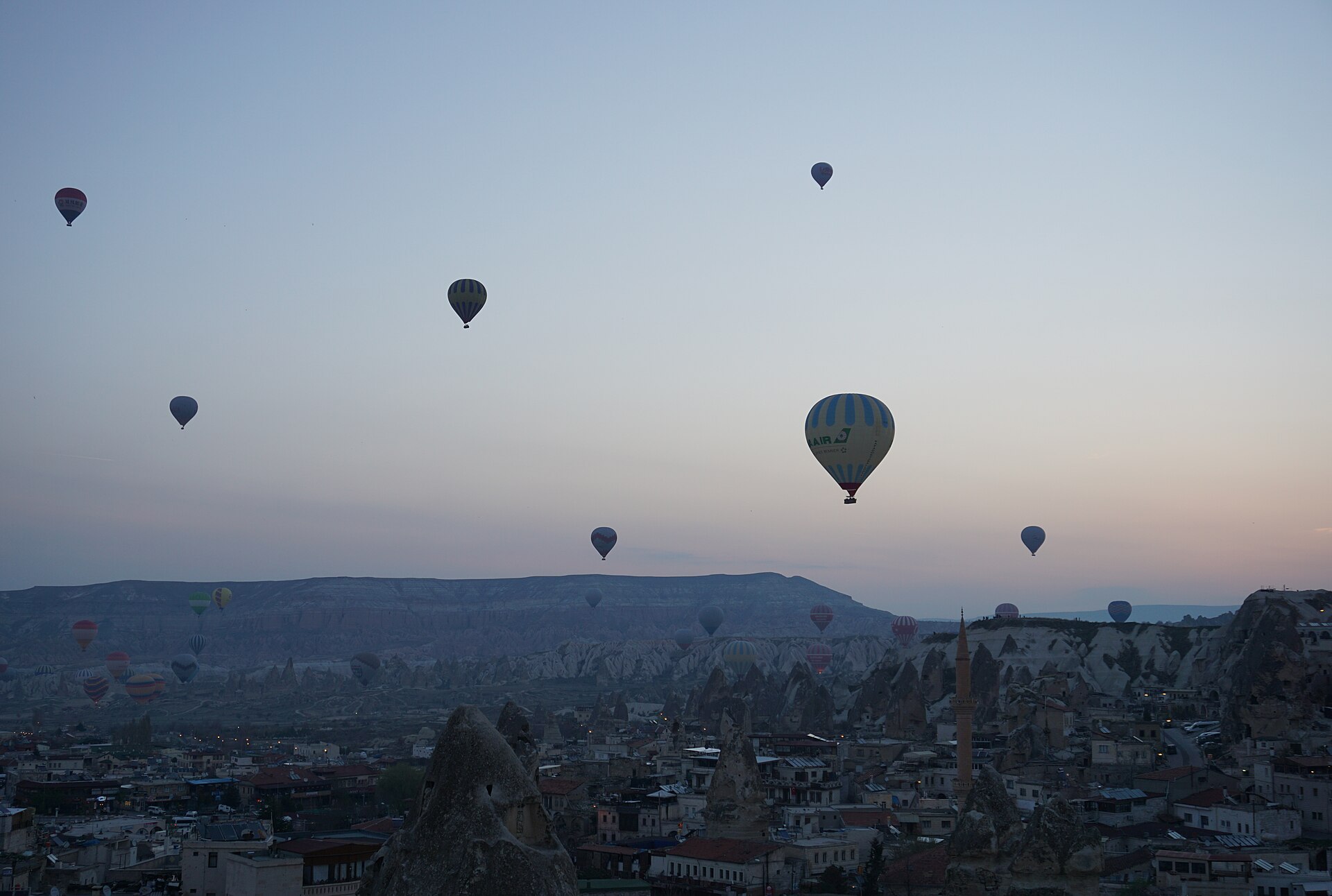
Photograph · Dogaaunlu · CC BY-SA 4.0
Photograph · Egemenakgul · CC BY-SA 4.0
Ranked by importance — sitelinks, pageviews and heritage status, not editor preference.
13 places match
Category
Typical visit duration
Interests
Topkapi Sarayı
Topkapı was the seat of the Ottoman empire for nearly four centuries.
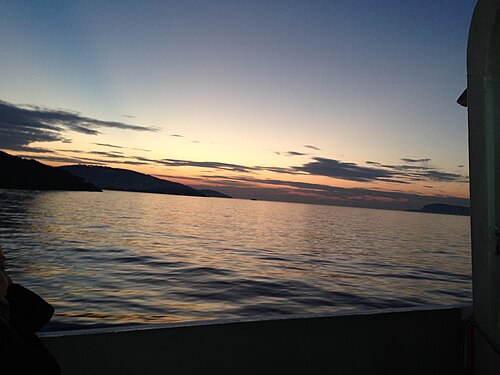
The public ferry to the Princes' Islands — Adalar, officially — nine islands in the Sea of Marmara off Istanbul's Asian shore, reachable by Şehir Hatları boat from several piers on both sides of the city.

Sardis is the excavated capital of the ancient kingdom of Lydia, on the outskirts of the modern village of Sart in the Salihli district of Manisa province, roughly 72 km from İzmir along the Ankara-İzmir corridor.
Spil Dağı
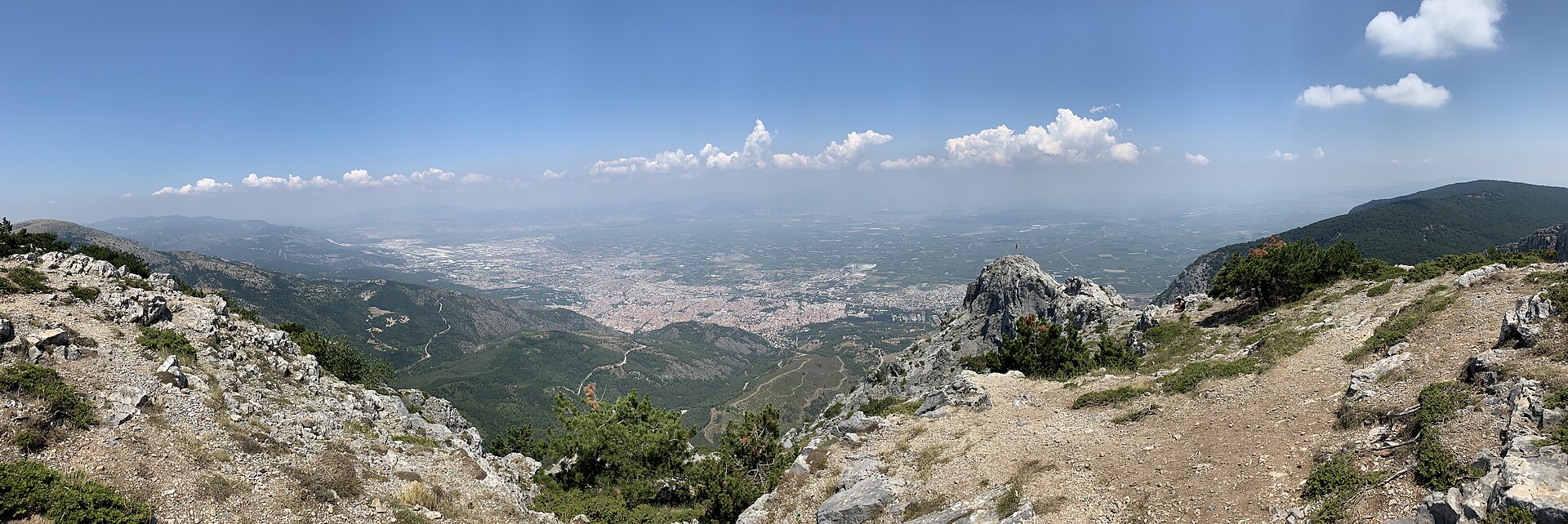
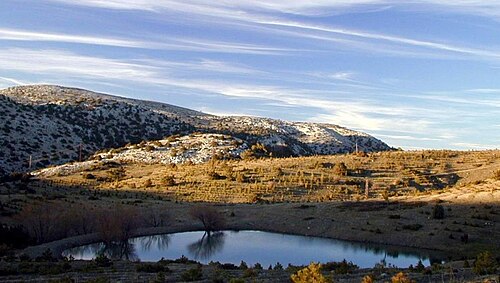
Mount Sipylus — Spil Dağı in Turkish — is the 1,513 m limestone massif standing immediately south of Manisa, the highest point on the city's skyline and the reason the city sits where it does.
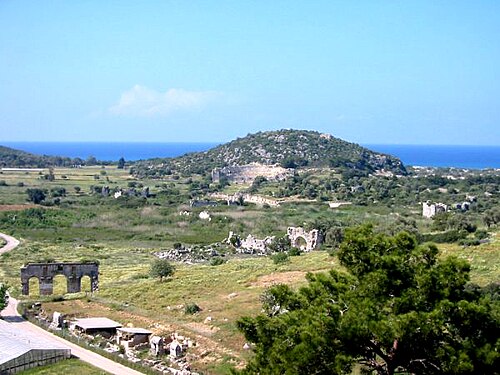
Patara is the excavated remains of the harbour city that served as the capital of the Lycian League, spread across a sandy plain behind the beach at Gelemiş, in the Kaş district of Antalya province.
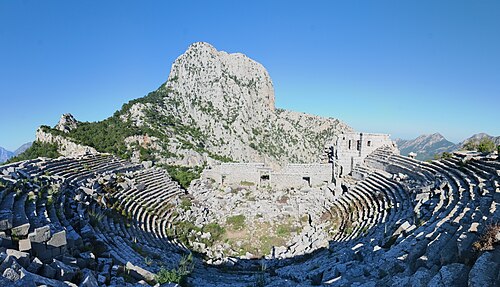
Termessos
Termessos is a Pisidian city on a natural platform about a thousand metres up the south-western flank of Güllük Dağı, the ancient Mount Solymos, in the Taurus range north-west of Antalya.
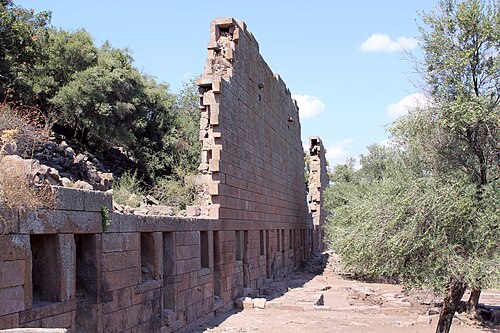
Aigai is an ancient Greek city on top of Mount Gün, in the Yunt range north of Manisa, near the village of Yuntdağı Köseler. It is the most substantial classical site in Manisa province and almost nobody goes.
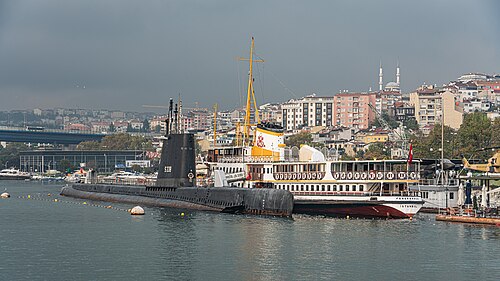
Rahmi M. Koç Müzesi
Istanbul's museum of industry, transport and communication sits on the northern shore of the Golden Horn at Hasköy, well upstream of the tourist city and reached by water more pleasantly than by road.
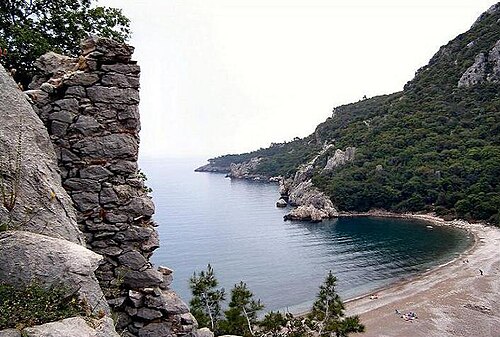
Olympos is a ruined Lycian and Roman city lying along both banks of the Ulupinar stream where the valley meets the sea, in the Yazir neighbourhood of Kumluca district, Antalya.
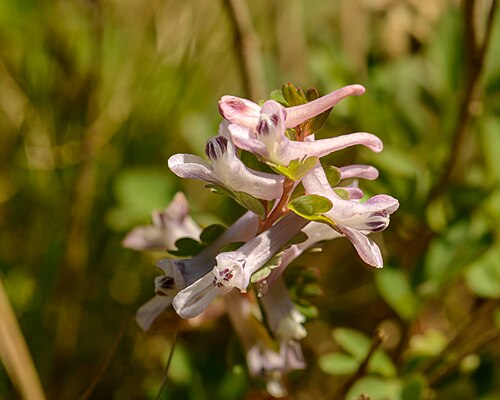
Spil Dağı Millî Parkı
Spil Dağı Milli Parkı is the protected forest on the mountain behind Manisa, opened to the public on 22 April 1968.
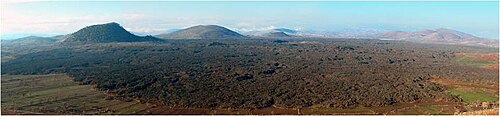
Divlit Yanardağı
Divlit Yanardağı, known locally as Çakallar Tepesi or Divlittepe, is a cinder cone on the shore of the Demirköprü Reservoir in Kula district, at roughly 750 m above sea level.
Kula Volkanik Jeoparkı
Kula-Salihli UNESCO Global Geopark, signed locally as Kula Volkanik Jeoparkı, is a 2,320 square kilometre protected volcanic landscape spanning the Kula and Salihli districts of Manisa Province, roughly 100 km east of Manisa city.
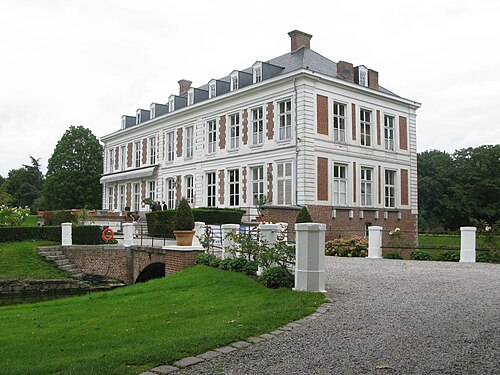
Sart Kalesi
Sardis Acropolis — Sart Kalesi on the road signs and local maps — is the fortified hilltop above Sardis, the citadel the Lydian capital was built around and the last stronghold the city ever held.
Source: OpenStreetMap contributors, Wikidata ·
Ten to fourteen days allows about four days in İstanbul and at least three around Antalya when coastal archaeology is included. Cappadocia needs its own regional stay, and a one-way coastal route is more workable than returning to the same city each night.
Türkiye's visa position varies by passport and purpose. Verify the rule through the Ministry of Foreign Affairs and, when eligible, use only the official e-Visa service rather than an intermediary.
İstanbul's two airports and Antalya are the principal gateways for this itinerary. Domestic flights cover long cross-country legs, coaches serve many city pairs, and high-speed rail is most useful on the İstanbul-Ankara axis rather than as a universal substitute.
April to May and September to October are broad choices for combining İstanbul with the Mediterranean coast. Cappadocia nights, inland heat, and Antalya's coastal conditions differ, so confirm weather for each overnight base.
Türkiye uses the Turkish lira (TRY). Keep lira available for smaller transport and market transactions even when cards are accepted, and review the displayed amount in TRY before agreeing to any card conversion.
Dial 112 for emergencies in Türkiye. Electricity is 230 V through Type C and F sockets; tap-water safety is not recorded here, so obtain current local advice at each stop.