


2 min walk
Sheikh Obaid bin Thani House
- Notable
- Museum
Museum · Dubai
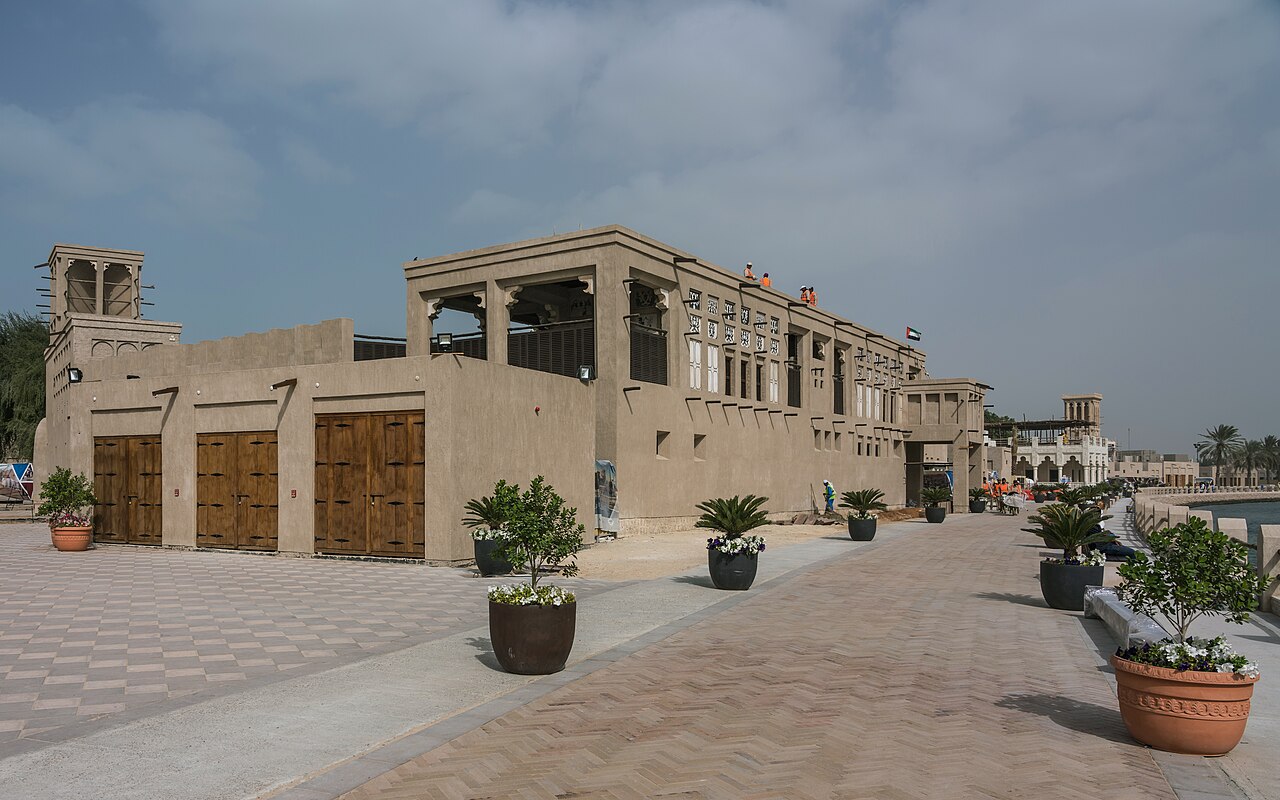
Saeed Al Maktoum House is a historic Dubai residence associated with the Al Maktoum ruling family. The house offers a direct connection with the emirate’s pre-oil past and with the traditional architecture of the Gulf. It is a heritage stop for travellers who want to understand Dubai before its rapid modern transformation, when homes were organised around climate, family life and social customs. The building’s importance lies in its combination of political association and domestic character. Rather than presenting Dubai through skyscrapers or shopping, it places visitors in an older urban setting where architecture, courtyards and wind towers explain how people lived in the local environment.
Checked 2026-08-26 · Source
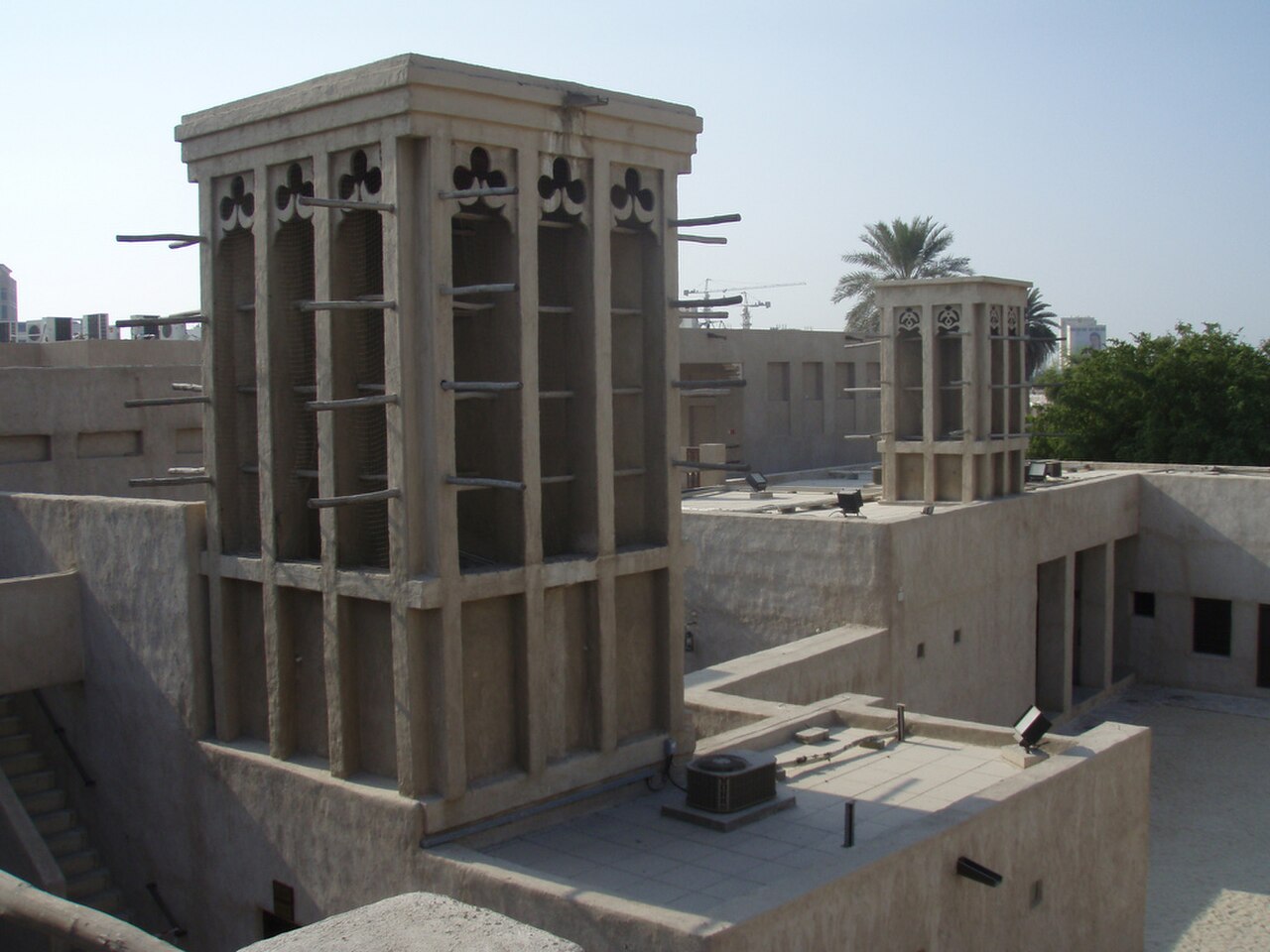
The house’s traditional Gulf design is best understood through its arrangement of courtyards, rooms and wind towers. These elements show how a substantial residence could organise family life while responding to Dubai’s hot climate before modern air conditioning. Visitors can look for regional building materials, decorative details, wooden doorways and evidence of the craftsmanship used in a historic Emirati home. The spaces also help explain the relationship between private rooms, shared areas and the courtyard at the centre of the house. Move slowly and compare the way air, shade and spatial separation shape the building. The experience is architectural and cultural, with the house itself providing the main interpretation.
Checked 2026-08-26 · Source
Allow around thirty minutes to one hour for the house itself. That is enough time to walk through the compact historic spaces, study the wind towers and courtyard arrangement, and read the available interpretation at a calm pace. Travellers fascinated by Gulf architecture may stay longer to examine construction details and decorative work. The most rewarding plan is to combine the visit with other heritage places in Dubai’s creek district, turning a short interior visit into a broader walking route through the older city. Include pauses for photographs and shade when moving between sites. The house works as a focused stop, while the surrounding district supplies the longer historical context.
Checked 2026-08-26 · Source
The cooler months from November through March are the most comfortable period for combining Saeed Al Maktoum House with a walking route through Dubai’s historic district. Summer heat can make the spaces between heritage sites demanding, so schedule outdoor movement for the gentler parts of the day and carry water. Friday and Ramadan routines can change the rhythm of cultural and religious areas across Dubai. A morning or late-afternoon heritage outing gives you better conditions for walking and for seeing the relationship between the house, creek and neighbouring historic streets. Treat the visit as part of a district experience rather than a distant standalone landmark, and leave room for unhurried observation.
Checked 2026-08-26 · Source
Plan Saeed Al Maktoum House as a heritage visit centred on the building and its historical setting. If your day includes several museums, houses and markets in the creek district, organise the route so that the house receives enough attention rather than becoming a rushed stop between meals. Carry identification with your travel essentials, and keep any admission or reservation information available when you arrive. Groups interested in architecture, history or education should allow time for everyone to move through the compact spaces together. The visit is most valuable when you look closely at how the residence combines status, domestic life and climate-conscious design. Pairing it with nearby heritage places gives the day a stronger narrative.
Checked 2026-08-26 · Source
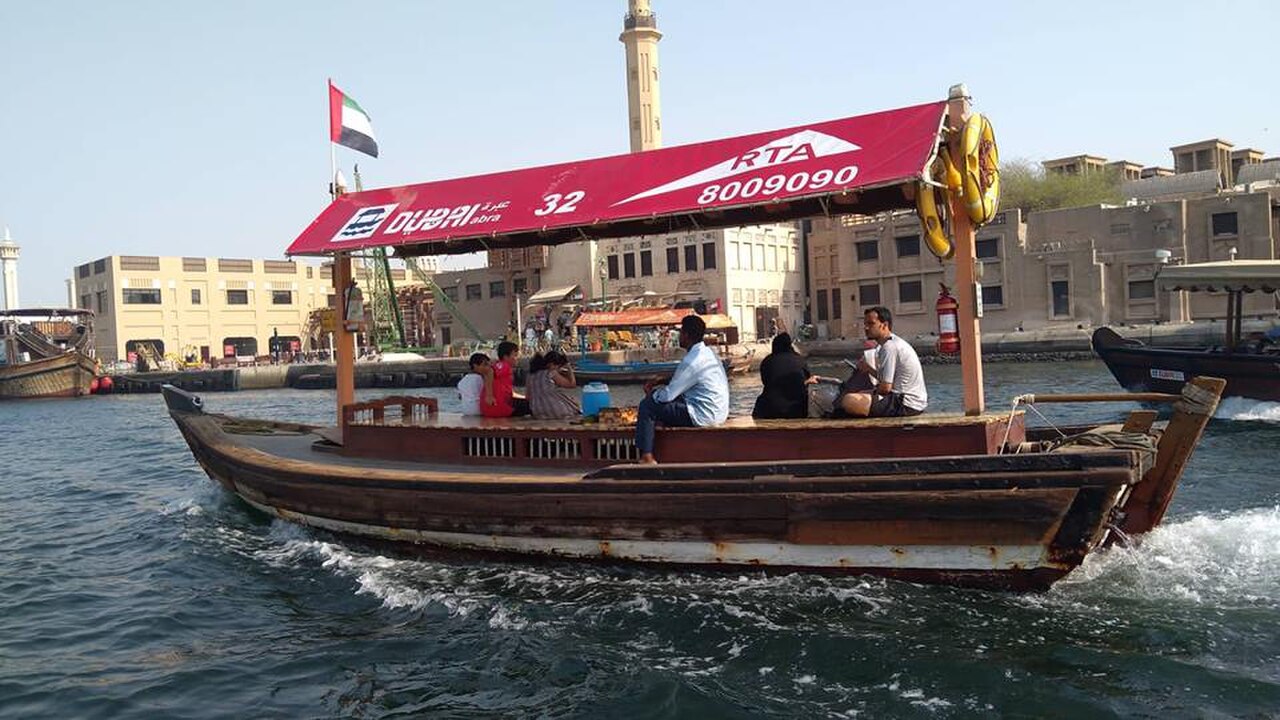
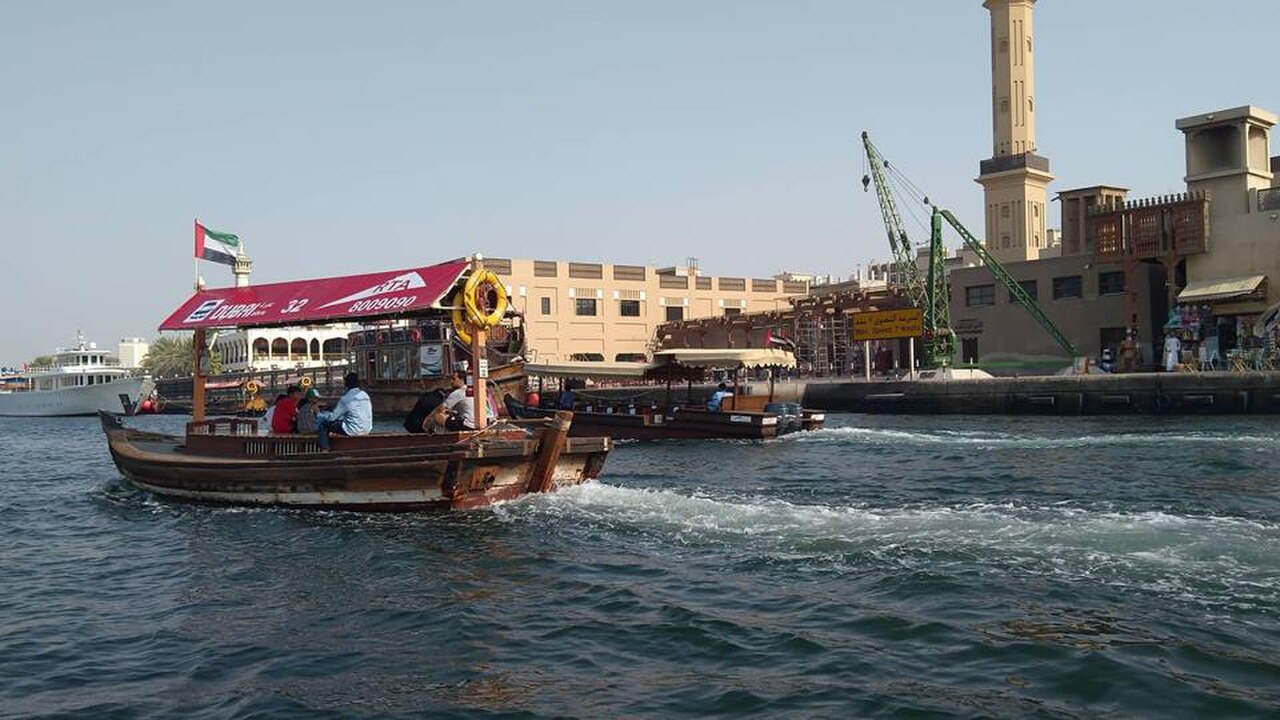
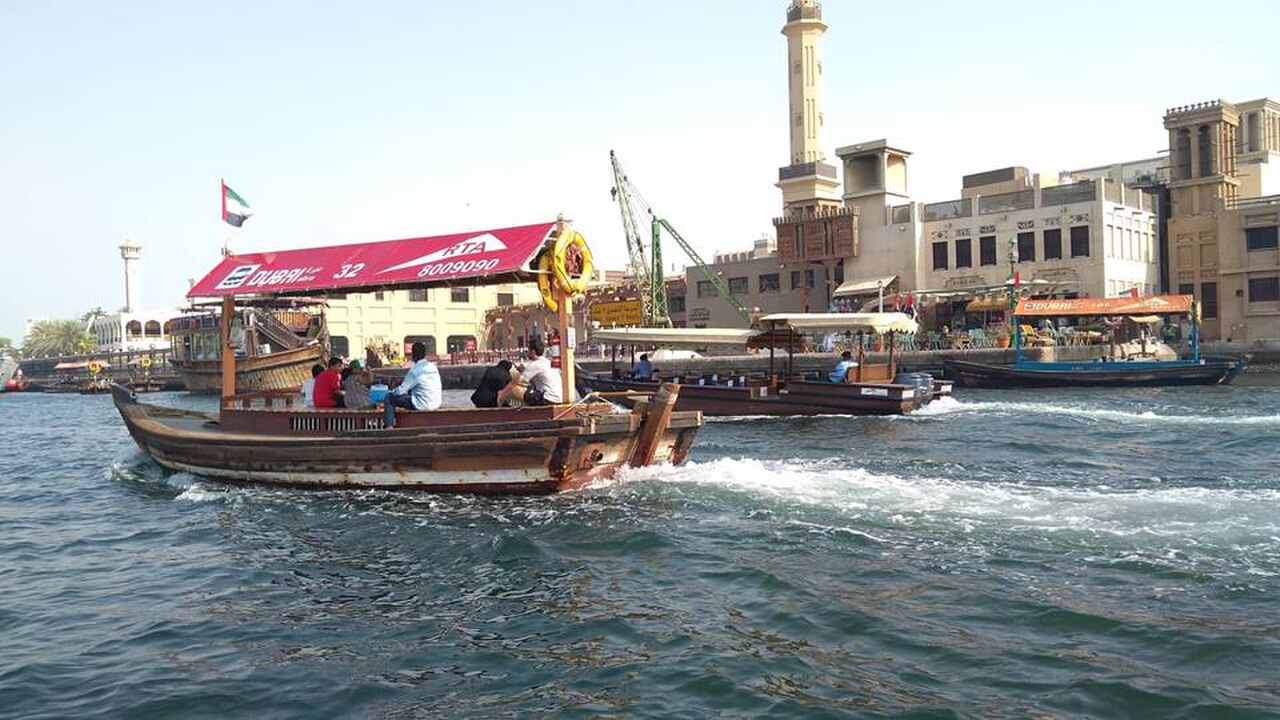
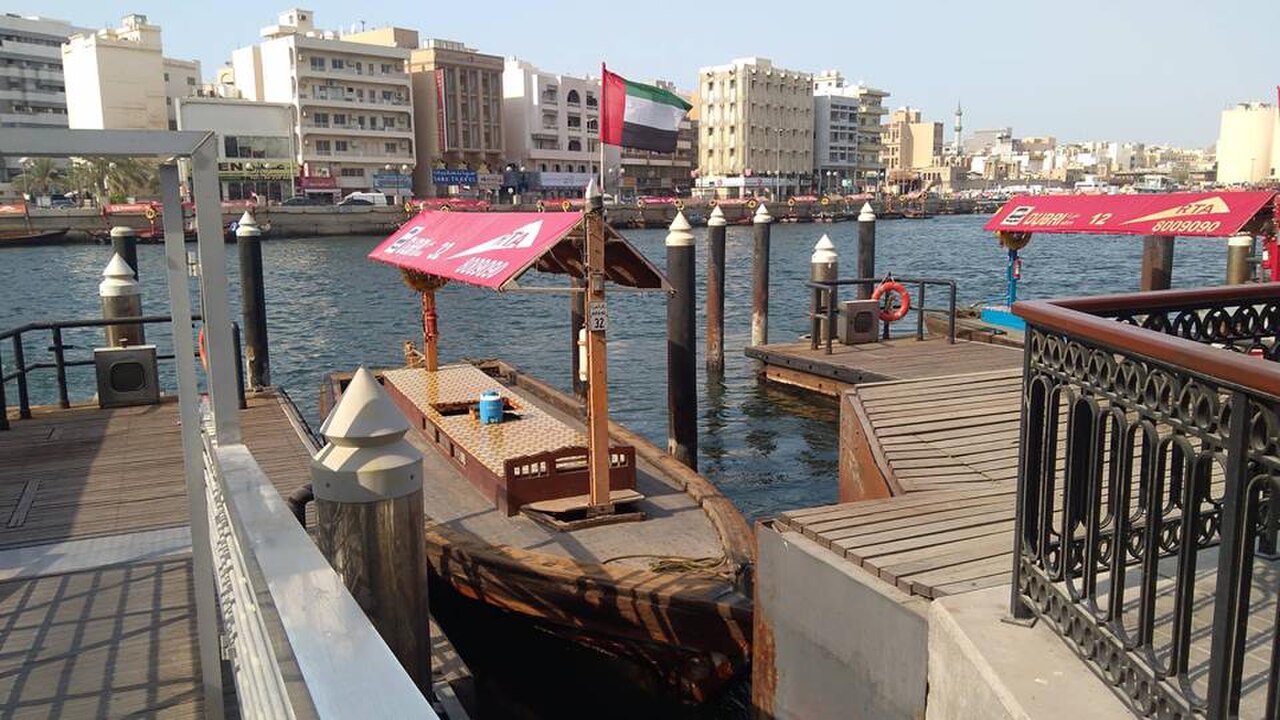
Saeed Al Maktoum House is in Dubai’s historic creek district, where a visit can be combined with museums, souks and preserved streets. Taxis and ride-hailing services offer a simple arrival from other areas of the city. Public transport can bring you toward the creek district, followed by a walk through older neighbourhood streets. Abra crossings and water taxis can add a distinctive approach when they fit your route. Use the full attraction name in navigation and keep the final walking section visible on your phone. Comfortable footwear is important because the best way to understand this area is to move between several nearby heritage sites rather than visit one building in isolation.
Checked 2026-08-26 · Source
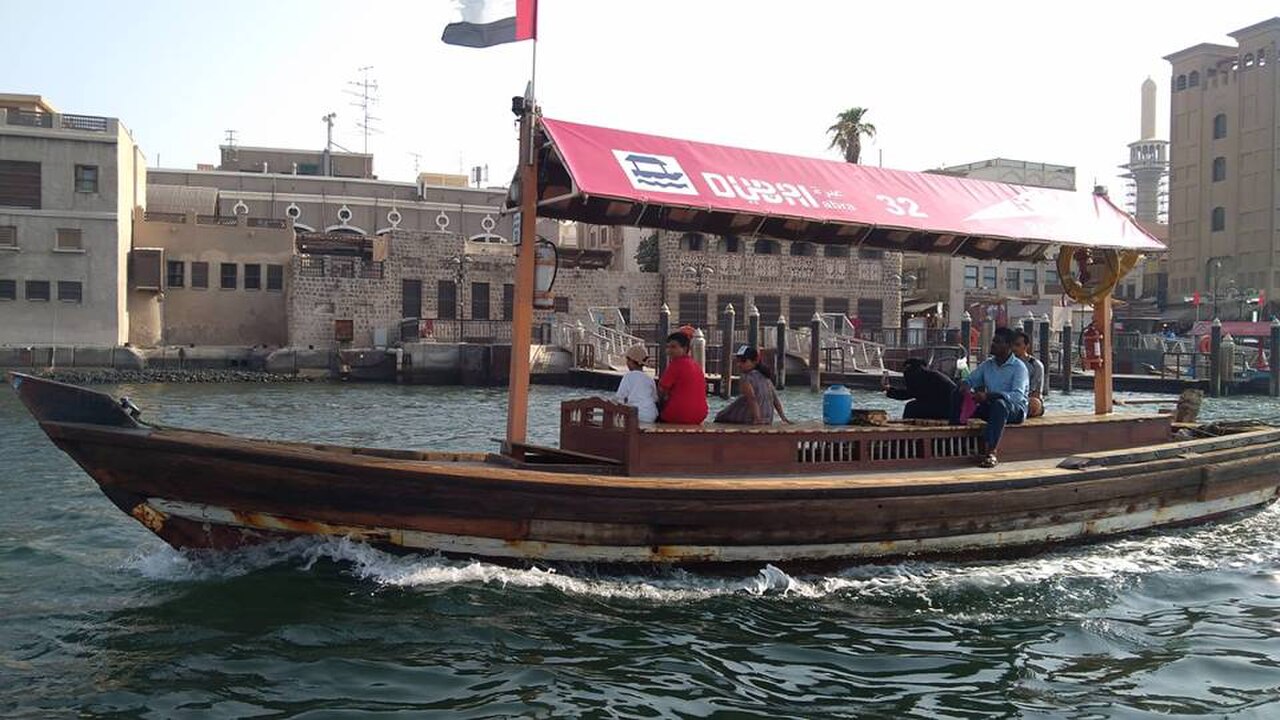
Historic houses can have steps, uneven surfaces, narrow doorways and compact rooms, so plan the visit with the building’s age and layout in mind. Strollers and wheelchairs may find some parts of the route difficult. Dubai’s heat is a serious consideration when walking between sites; carry water, wear sun protection and take shade breaks. Dress respectfully in this heritage district and keep voices moderate inside the house. Be alert around roads, market movement and busy pedestrian areas. The house may feel warmer and less controlled than a modern museum, which is part of the architectural setting. Move carefully and give other visitors space in narrow passages.
Checked 2026-08-26 · Source
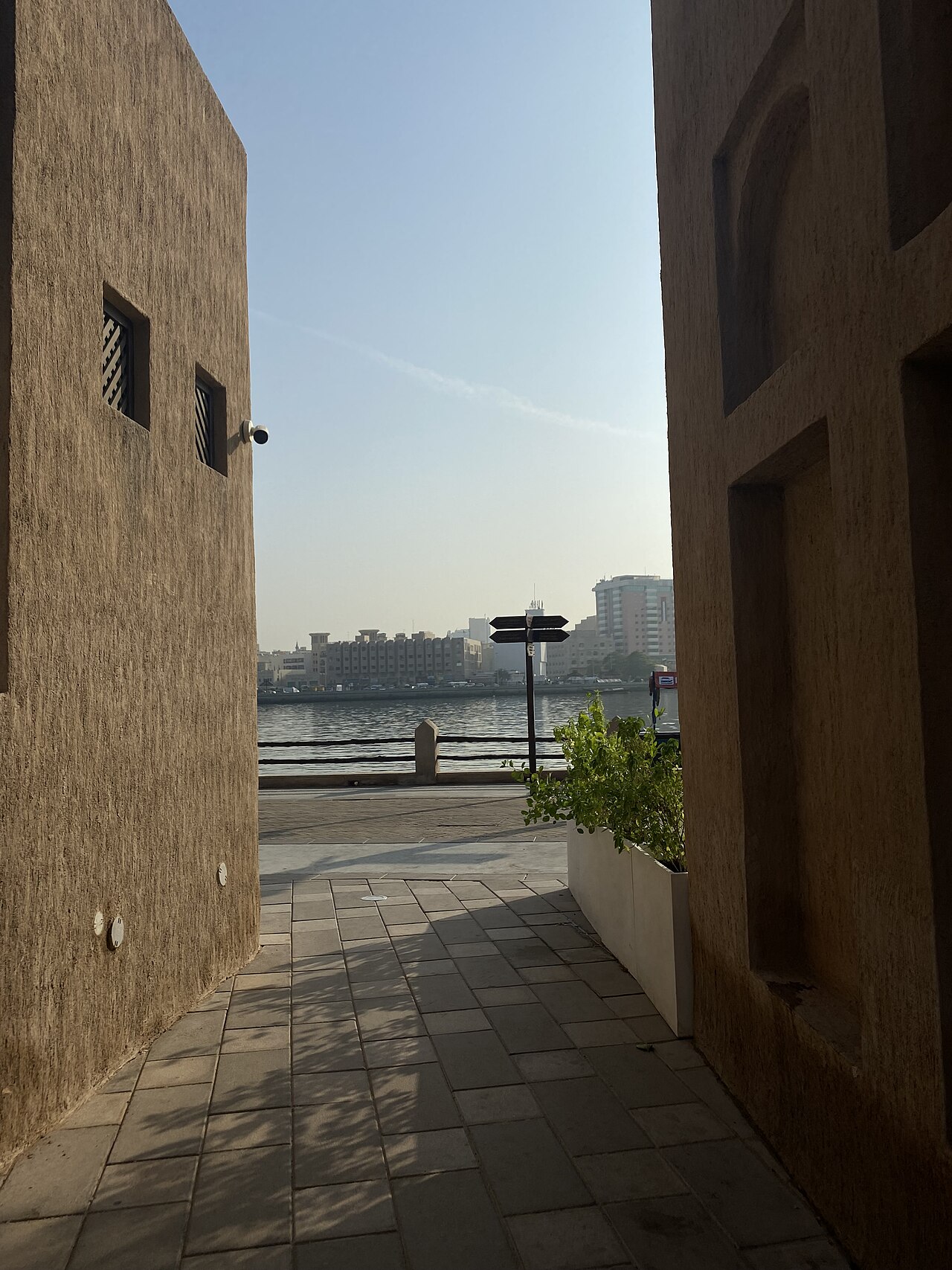
The house offers rich subjects for heritage photography: wind towers, courtyard views, wooden doors, textured walls and details of traditional construction. Morning and late-afternoon light can give the exterior stronger definition, while courtyard shadows reveal the building’s relationship with the sun. Keep equipment compact in narrow rooms and avoid blocking routes. Ask before making close images of staff or other visitors, and respect any areas where photography is limited. Professional equipment or organised shoots belong to a different category from ordinary travel photography and may need permission. The strongest record of the visit often combines architectural details with wider images showing how the house sits within Dubai’s historic creek district.
Checked 2026-08-26 · Source
The house is associated with Dubai’s ruling Al Maktoum family and preserves the character of an elite Emirati residence from the emirate’s pre-oil past.
Focus on the wind towers, courtyard layout, wooden doorways, regional materials and decorative craftsmanship that show how traditional Gulf homes responded to climate and family life.
Allow roughly thirty minutes to one hour for the house. Add more time if you are studying architectural details or combining it with nearby heritage sites.
Yes. Its location in the historic creek district makes it a natural part of a route including preserved buildings, museums, souks and water crossings.
Choose respectful clothing suitable for Dubai’s heritage district, and wear comfortable footwear for walking between the house and nearby historic places.
Yes. The courtyards, wind towers, materials and spatial arrangement make it a rewarding stop for travellers interested in traditional Gulf residential design.
Loading the interactive map…
The interactive map could not be loaded.
Last updated:
Source: OpenStreetMap contributors, Wikidata ·