3 min walk
Al Shindagha Museum
- Must see
- Museum
Historic monument · Dubai
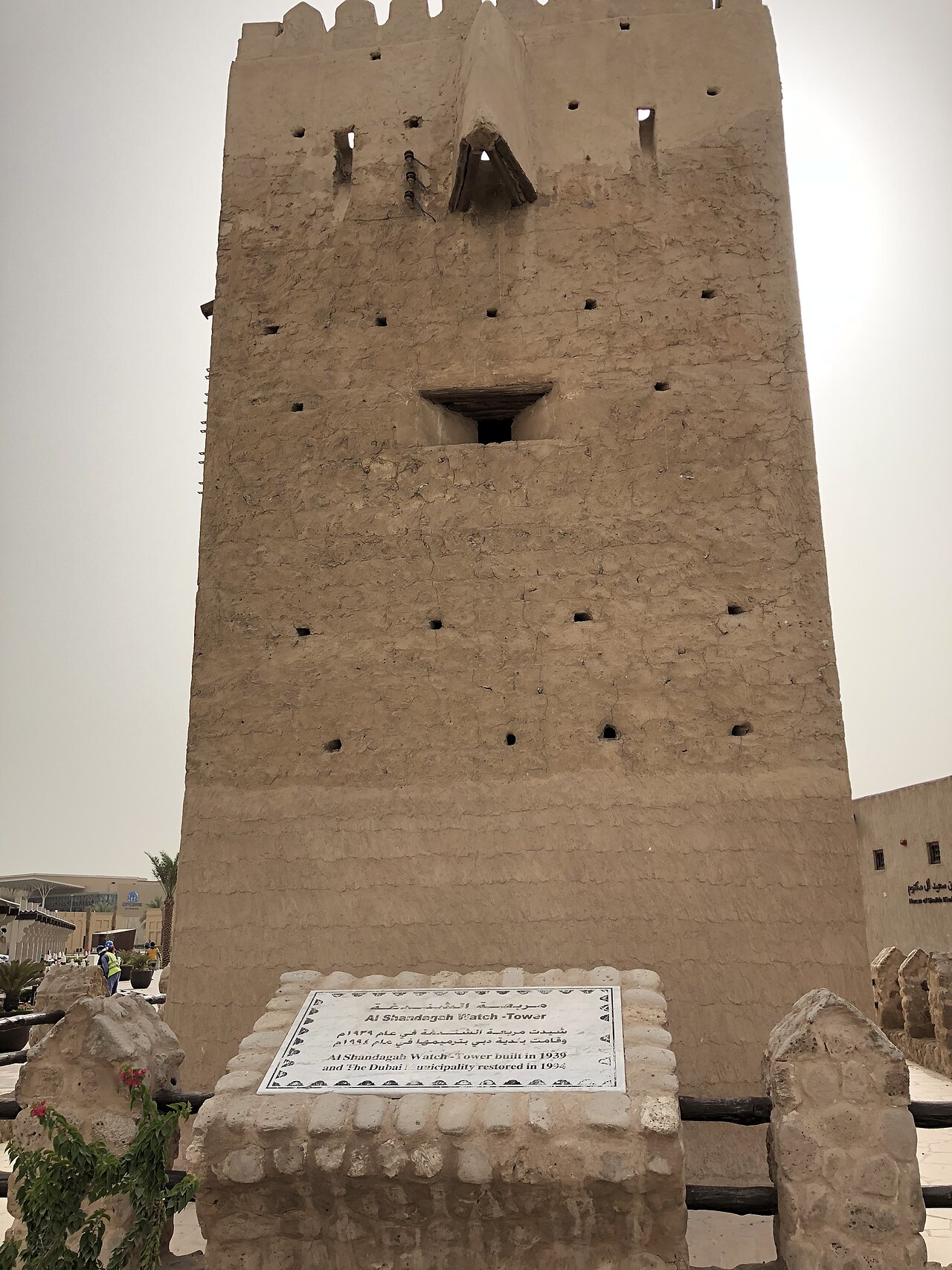
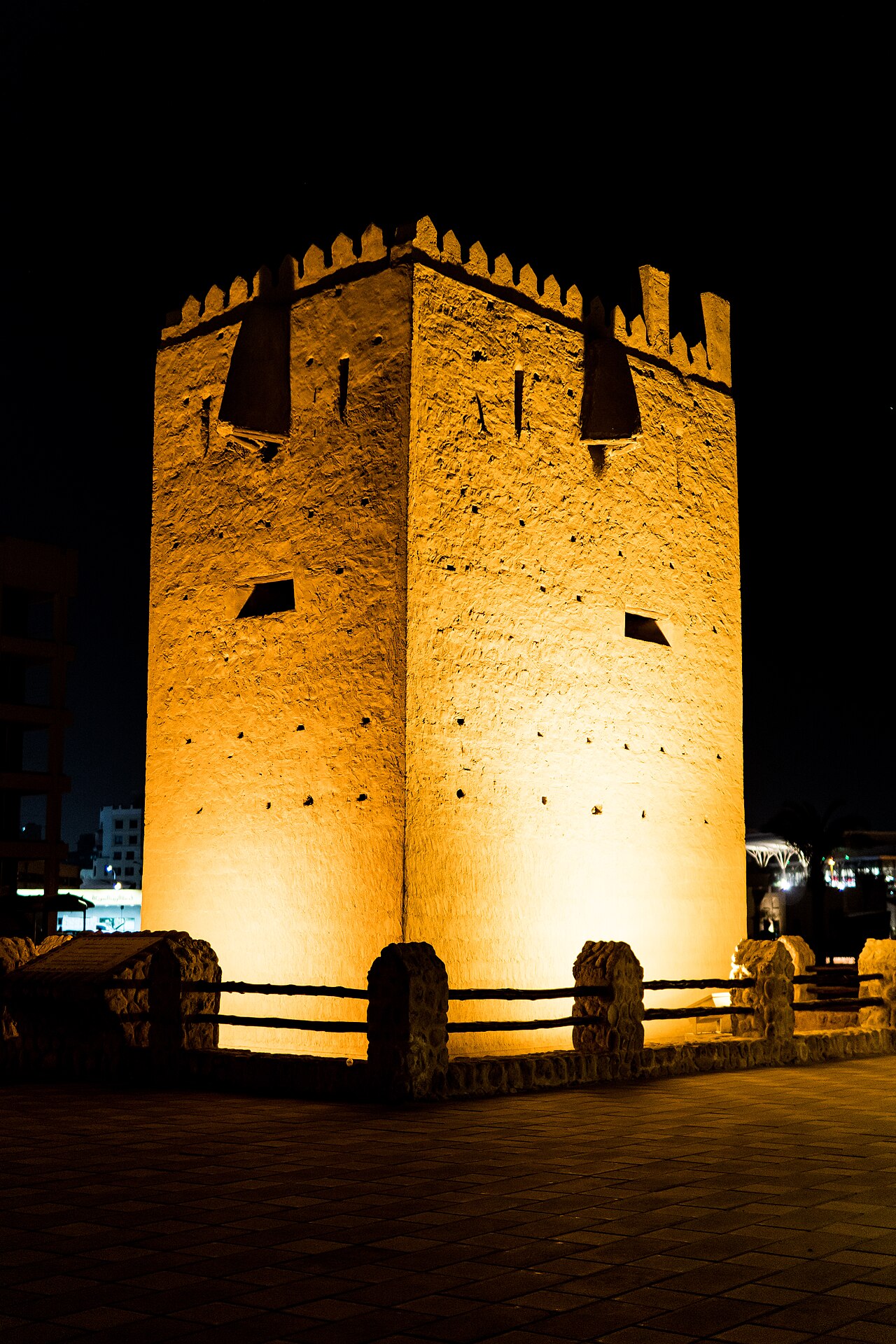
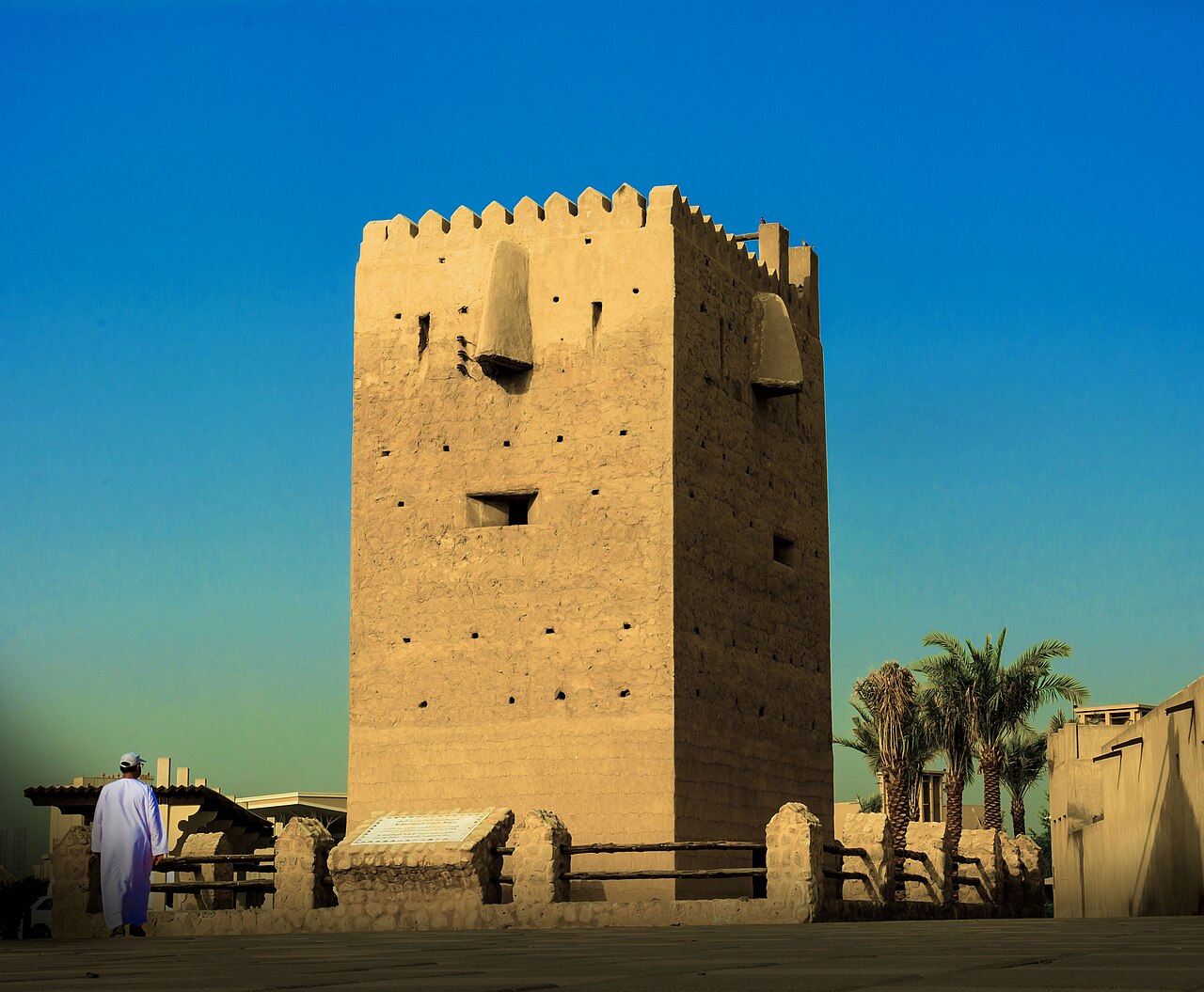
Al Shandagah Watch Tower is a historic defensive structure in Dubai’s Al Shandagah area. It represents the watchtowers that helped protect coastal settlements and monitor movement along the Arabian Gulf. Its value lies in the compact, practical form of pre-oil Dubai, when elevated lookout points supported community safety. Visit it as part of the older Bur Dubai heritage landscape, where traditional buildings and the creek-side setting provide context for the tower’s role. Al Shandagah Watch Tower is a historic defensive structure located in the Al Shandagah area of Dubai, United Arab Emirates. The tower forms part of the traditional architectural heritage of the emirate, representing the watchtowers that once served coastal and settlement surveillance purposes. These structures were integral to community safety, providing early warning against maritime threats and other dangers. The tower stands as a physical reminder of Dubai's pre-oil era, when such fortifications were essential to daily life along the Arabian Gulf coastline. Visitors should verify operational status through official Dubai tourism channels before traveling.
Checked 2026-08-26 · Source
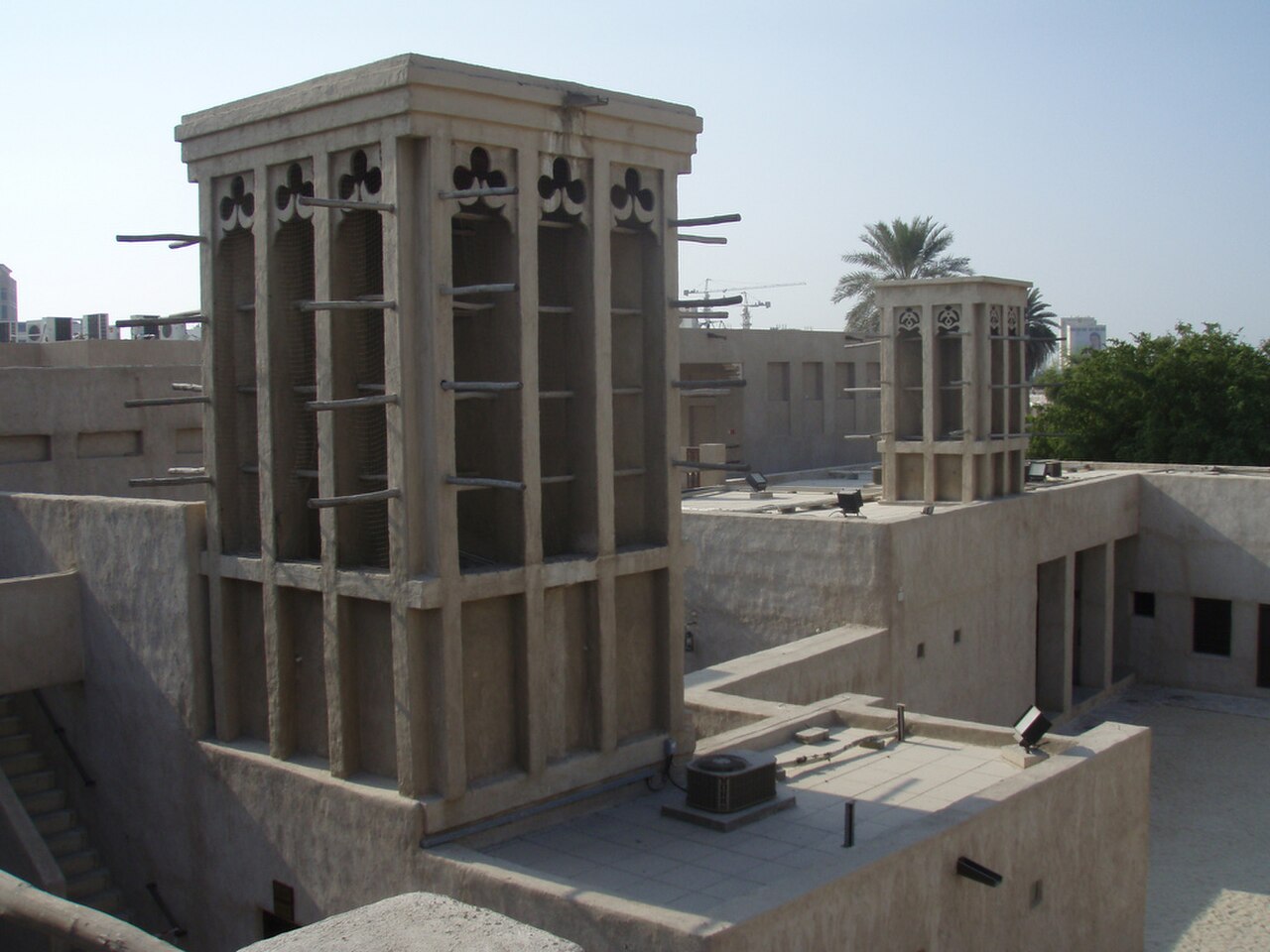
Traditional Gulf watchtowers were built for function rather than comfort or display. A compact interior, stair access and small openings for observation and ventilation define the type of structure represented here. Coral stone, gypsum and related local materials are associated with the historic coastal architecture of the region. The tower’s significance is easiest to understand from its proportions, elevated lookout purpose and relationship with the surrounding heritage district, rather than from a large collection of interior exhibits. Traditional watchtowers of this region typically contained minimal internal divisions, with stair access to upper observation levels and small windows or openings for surveillance and ventilation.
Checked 2026-08-26 · Source
Set aside fifteen to thirty minutes for the tower itself, including exterior viewing and a brief look at the structure if entry is available. Its compact scale makes it a natural short stop within a longer walk through Al Shandagah and Bur Dubai. Add more time for nearby heritage streets, the creek and connected historic attractions. Visitors interested in architectural details or photography may linger, but the tower does not require a full-day visit on its own.
Checked 2026-08-26 · Source
November through March offers the most comfortable conditions for walking between heritage sites in Dubai. During the hot summer months, early morning or late afternoon reduces exposure to the strongest heat, although unshaded surfaces can remain demanding. The older district is especially rewarding when combined with a creek-side walk, so choose a period that leaves time for outdoor movement. Restoration work, local activity or seasonal programming can alter the feel of the surrounding streets.
Checked 2026-08-26 · Source
The tower is best understood as a heritage stop within the traditional district, not as a conventional commercial attraction. A short exterior visit can be incorporated into a walking route through Bur Dubai and Al Shandagah. Carry UAE dirhams for nearby personal expenses, including drinks or transport. If access to an interior area forms part of a managed heritage programme, follow the admission arrangement presented at the site. The tower itself should not be confused with a large ticketed museum.
Checked 2026-08-26 · Source
The watch tower sits in the traditional Bur Dubai area. From Dubai Metro, Al Fahidi is a useful starting point for walking through the historic neighbourhood, with the exact final route guided by the mapped OpenStreetMap position. Taxis and ride-hailing services serve the district. Dubai Creek is close enough to connect the outing with an abra crossing from Deira. Expect older streets, pedestrian movement and limited convenience compared with newer districts.
Checked 2026-08-26 · Source
Historic structures can involve uneven ground, narrow stairs and limited lighting, particularly where visitors can enter older interiors. Wear comfortable shoes and take care on vertical circulation. Dubai’s heat makes water, sun protection and sensible timing important during outdoor walks. The surrounding area remains a lived-in district with homes, businesses and local activity. Respect private property, keep paths open and follow any barriers or directions around restoration work.
Checked 2026-08-26 · Source
The tower’s exterior is well suited to close architectural studies of textured walls, openings and defensive proportions. Morning and late-afternoon light can give the historic surfaces stronger relief while keeping the walk more comfortable. Photograph from public paths and avoid pointing cameras into nearby private spaces. Interior images should follow any instructions at the entrance. Leave drones out of a casual visit: UAE aviation rules require specific permissions, and heritage surroundings demand additional care.
Checked 2026-08-26 · Source
It represents the defensive watchtowers of pre-oil Dubai, which supported coastal settlement protection and provided elevated lookout points for community warning.
The tower is in the traditional Bur Dubai and Al Shandagah heritage area, close to Dubai Creek and within walking range of historic district attractions.
Allow fifteen to thirty minutes for the tower itself. A longer heritage walk can include Al Shandagah, Bur Dubai, Dubai Creek and nearby historic attractions.
Use Al Fahidi Metro station as a starting point for a walk through Bur Dubai, or arrive by taxi, ride-hailing service or an abra crossing from Deira.
Wear comfortable shoes for historic streets and uneven surfaces. Water and sun protection are important during Dubai’s warmer months, especially on an outdoor heritage walk.
The exterior offers architectural details such as textured walls, small openings and compact defensive proportions. Photograph from public paths and respect nearby private spaces.
Loading the interactive map…
The interactive map could not be loaded.
Last updated:
Source: OpenStreetMap contributors ·