


3 min walk
Dubai Gold Souk
- Must see
- Historic monument
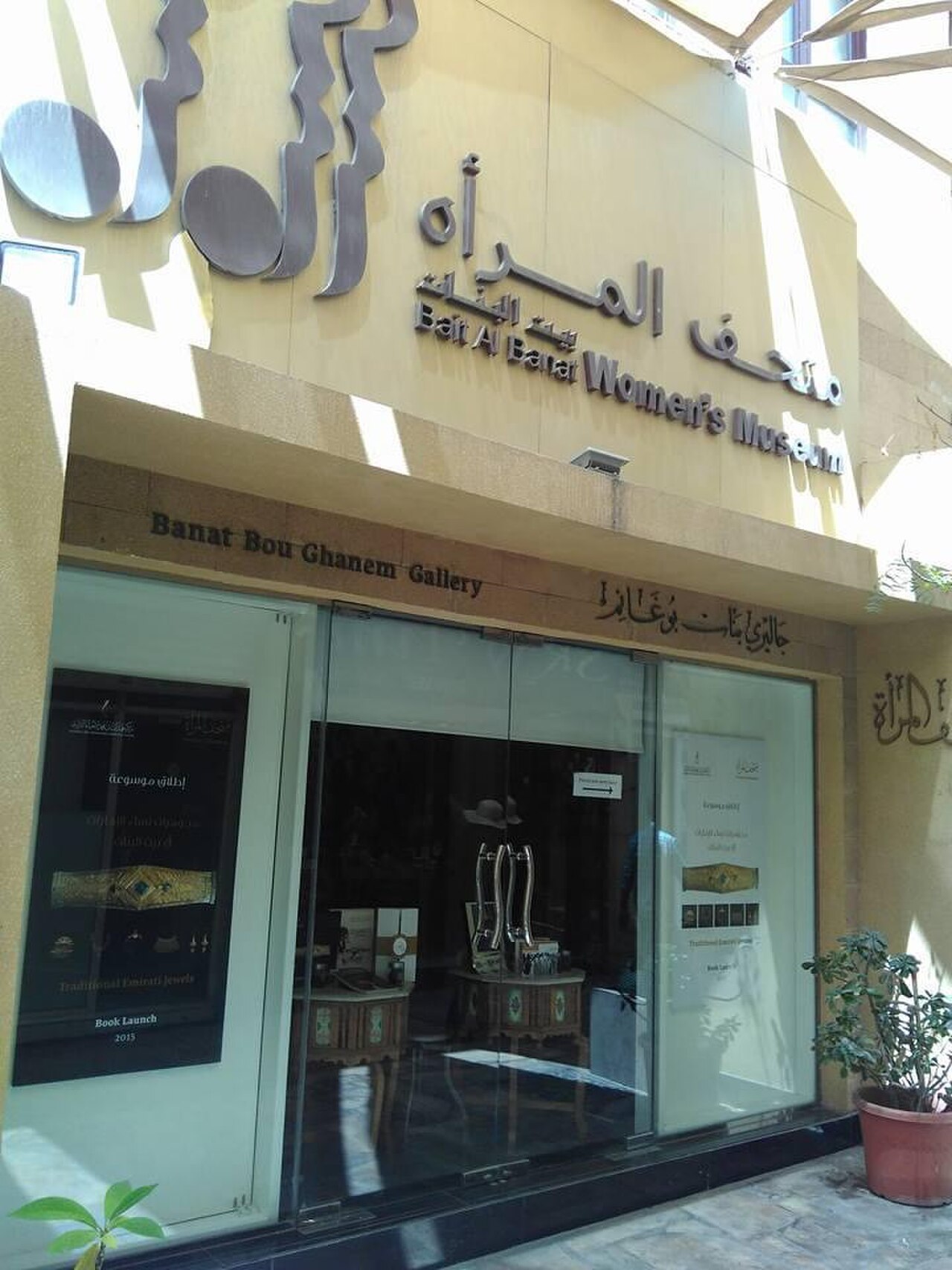
Museum · Dubai
Women's museum
The Women's Museum in Dubai is a cultural institution dedicated to documenting and celebrating the contributions of women to the United Arab Emirates. Located in the historic Al Fahidi district, it occupies a renovated traditional house. The museum preserves stories, photographs, and artifacts illustrating women's roles in family, education, politics, and society. It serves as an archive and exhibition space, highlighting Emirati women's evolving status from past generations to the present day. The museum represents an effort to record oral histories and material culture that might otherwise be lost to rapid urban development and social change.
Checked 2026-08-26
The museum contains exhibition halls spread across multiple floors of the restored building. Displays include personal belongings, traditional dresses, jewelry, and household items donated by Emirati families. Photographic archives show women in various life stages and social contexts. Some sections focus on pioneering women in fields such as education, government, and arts. There are documentary materials including letters and certificates. The building itself features traditional wind-tower architecture and courtyard spaces typical of older Dubai residences. Not all galleries may be accessible at any given time due to rotation or maintenance schedules.
Checked 2026-08-26
Visitors typically spend between one and two hours exploring the museum's exhibitions. Those with strong interest in social history, gender studies, or Emirati culture may wish to allocate additional time for reading detailed captions and examining artifacts closely. The compact nature of the traditional building means circulation between floors requires navigating staircases, which may slow some visitors. Photography enthusiasts and researchers should plan accordingly. A thorough visit including all available galleries and audiovisual materials would rarely exceed half a day. The surrounding Al Fahidi neighborhood merits separate exploration for its architecture and cafés.
Checked 2026-08-26
Visitors should verify current opening times through official channels before planning their trip. Dubai's climate makes indoor attractions preferable during summer months when temperatures exceed forty degrees Celsius and humidity rises sharply. The cooler period from November through March offers more comfortable walking conditions in the surrounding historic district. Ramadan scheduling may affect accessibility and visitor experience. Weekday mornings potentially offer quieter conditions than weekends, though this varies. Holiday periods and special exhibitions may draw increased attendance. Advance confirmation remains essential regardless of season. Check the operator's own site for the travel date before relying on a schedule or fare.
Checked 2026-08-26
The museum may operate with free admission, donation-based entry, or fixed ticket pricing depending on management decisions and exhibition programming. Visitors should consult official sources for current fee structures. Group rates, student discounts, or guided tour supplements may apply but remain unverified. Payment methods accepted at the venue are not documented. Some cultural institutions in Dubai participate in city-wide museum passes or promotional programs, though specific affiliation is unconfirmed. Budget-conscious travelers should prepare for variable scenarios and carry appropriate payment options. Receipts should be retained where applicable. Check the operator's own site for the travel date before relying on a schedule or fare.
Checked 2026-08-26
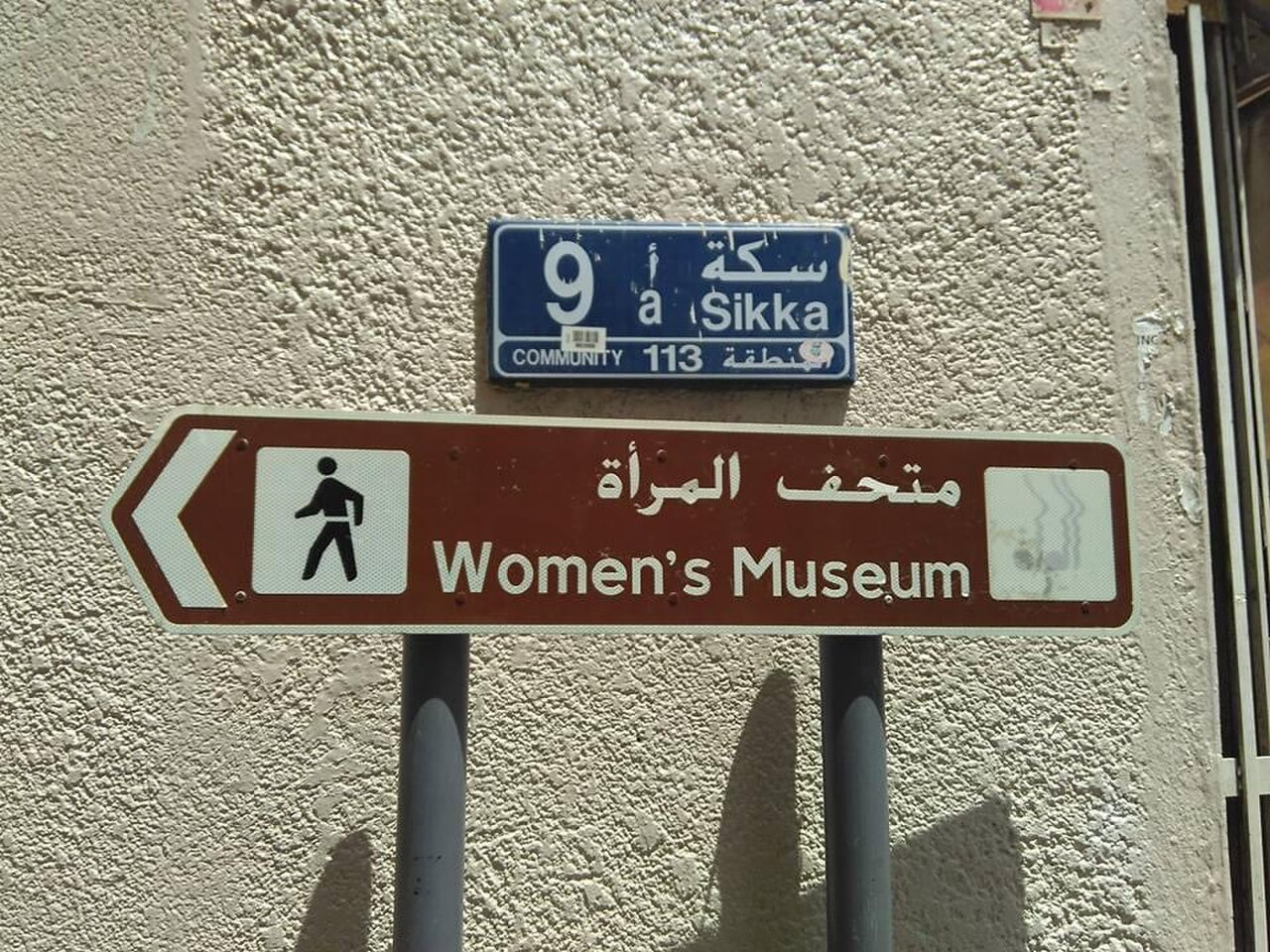
The museum sits in Al Fahidi, Dubai's heritage district near Dubai Creek. The nearest Dubai Metro station is Al Fahidi on the Green Line, requiring subsequent walking through neighborhood lanes. Taxis and ride-hailing services can approach nearby but may not reach the immediate pedestrian zone. Water taxis and abras cross the creek to nearby Bur Dubai landing points. Signage in the historic district can be inconsistent; visitors should carry the specific address or coordinates. The area's narrow streets and restored buildings create a maze-like environment. Comfortable footwear and sun protection for walking segments are advisable.
Checked 2026-08-26
The traditional building lacks modern accessibility features; staircases between floors are unavoidable and may be steep. Climate control may vary from contemporary standards given the structure's age. Some exhibition labels may lack English translations or use abbreviated text. The surrounding district contains commercial galleries and cafés that may confuse visitors seeking the museum specifically. Cultural sensitivity regarding photography of people and certain subjects is appropriate. Opening status should be confirmed as smaller institutions occasionally close for private events or maintenance without broad announcement. Nearby construction in developing heritage zones may affect pedestrian routes and noise levels.
Checked 2026-08-26
Photography policies within the museum are not formally documented. Visitors should observe posted signage or inquire with staff upon entry. Flash photography and tripods are commonly restricted in museums to protect artifacts and prevent obstruction. Some displays may carry explicit no-photography designations. The building's interior architecture and courtyard offer atmospheric subjects if permitted. Respect for depicted individuals and families in photographic exhibits is essential regardless of technical permissions. The exterior and surrounding Al Fahidi lanes provide alternative photographic opportunities with fewer restrictions. Drone use would require separate authorization throughout Dubai and is inappropriate in this dense historic quarter.
Checked 2026-08-26
The museum's content focuses on social history and may engage older children with interest in culture. Younger children might find the exhibition format less interactive than dedicated family attractions. The building's staircases require supervision.
Guided tour availability is not recorded. Visitors may inquire on arrival or check official channels in advance. Some Dubai museums offer scheduled tours or audio guides, but specific services at this institution are unverified.
The traditional building with multiple floors and staircases presents accessibility challenges. Modern adaptations like elevators are not documented. Visitors with mobility requirements should contact the venue directly for current conditions.
The Women's Museum specializes in gender-specific social history and women's contributions. The Dubai Museum in Al Fahidi Fort presents broader city history. They are separate institutions with distinct missions though located in the same historic district.
The Al Fahidi district contains multiple heritage houses, galleries, and the Dubai Museum. The textile souk and abra crossings to Deira are walkable. Combined itineraries are practical though timing depends on individual pacing and opening hours.
On-site commercial facilities are not recorded. The surrounding neighborhood contains independent cafés and shops. Visitors should not assume amenities within the museum itself and may wish to plan accordingly for refreshments and souvenirs.
Loading the interactive map…
The interactive map could not be loaded.

Last updated:
Source: OpenStreetMap contributors, Wikidata ·