Dubai Coins Museum
Coins Museum
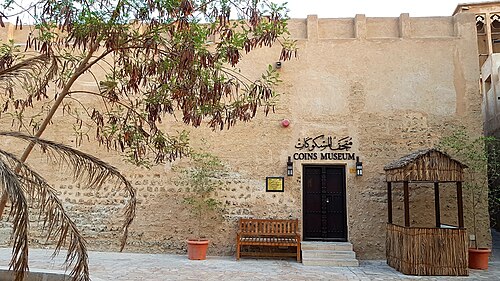
Dubai Coins Museum is a specialised numismatic museum focused on the history of currency. Its displays connect coins with trade, political authority, economic life and cultural exchange.
- High
- Museum
- Dubai
Country guide
The United Arab Emirates has been one country since 2 December 1971, when seven emirates — Abu Dhabi, Dubai, Sharjah, Ajman, Umm Al Quwain, Fujairah and Ras Al...
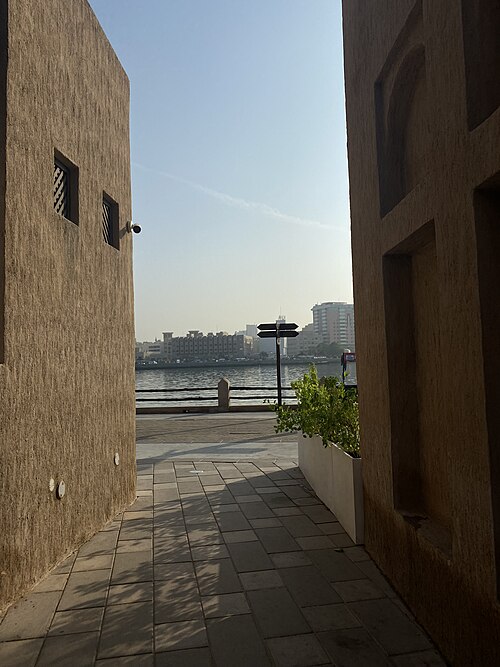
Photograph · Tonenight · CC BY-SA 4.0
Reviewed by Elena Voss · Roavina Travel Editor
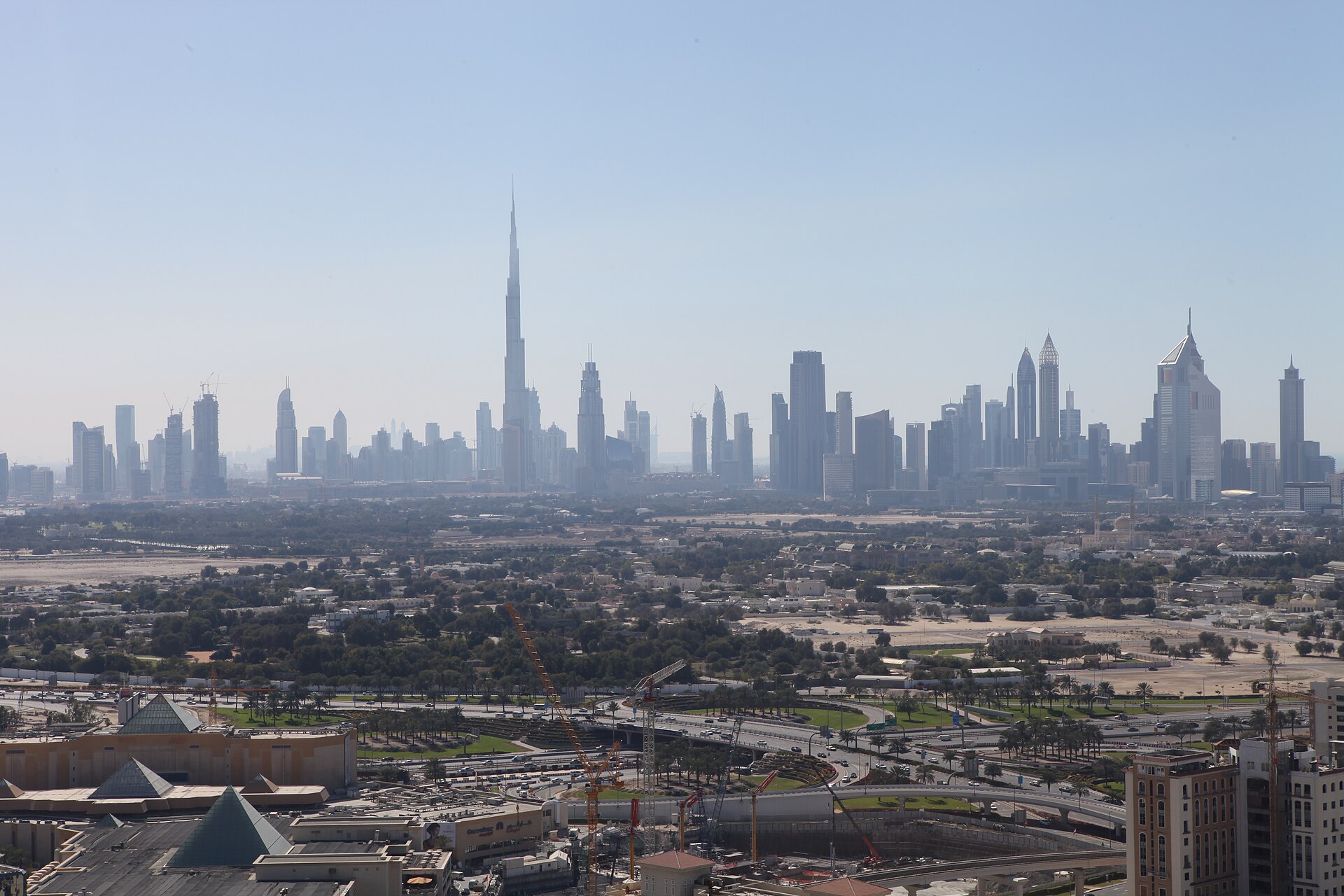
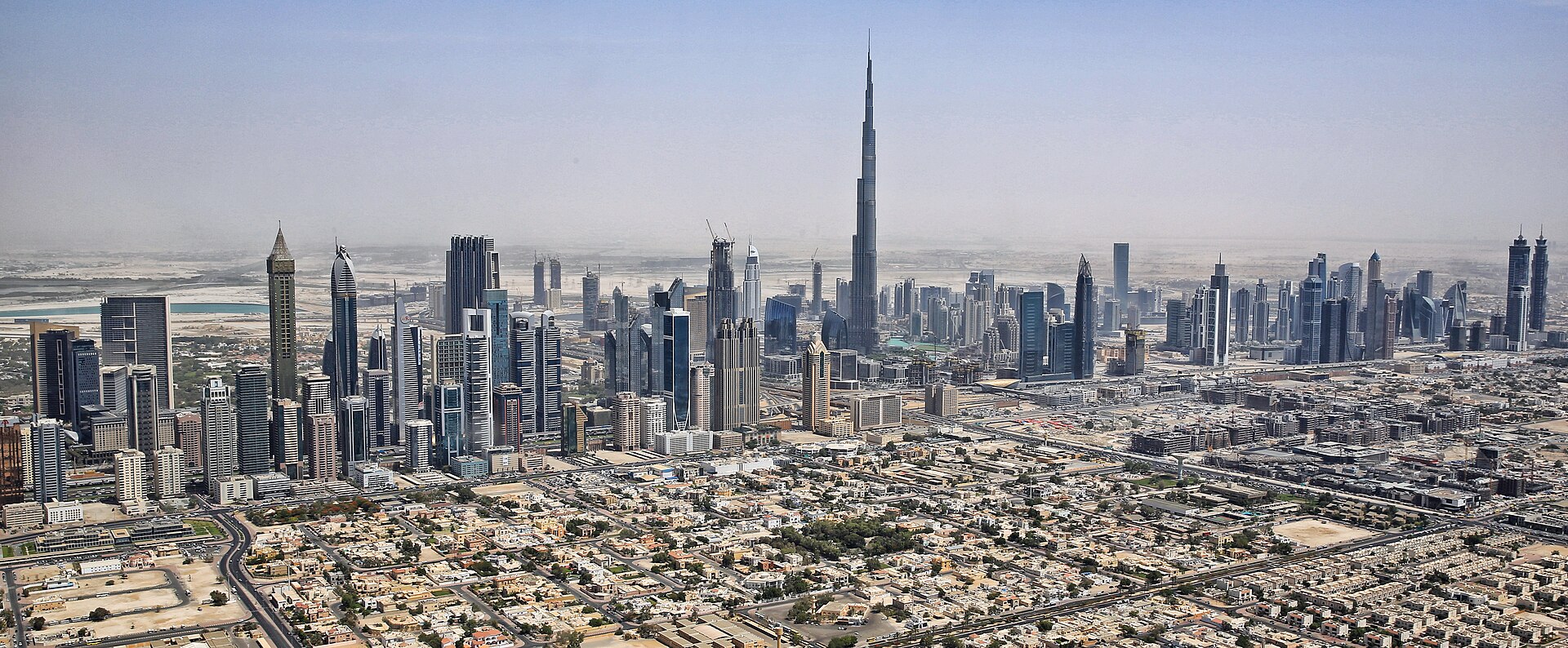
The United Arab Emirates has been one country since 2 December 1971, when seven emirates — Abu Dhabi, Dubai, Sharjah, Ajman, Umm Al Quwain, Fujairah and Ras Al Khaimah — federated. It covers 83,600 km² and held 11,027,129 people in 2024, of whom about 11 per cent are Emirati citizens; the rest came to work, and that shapes the food, the languages and the shape of a week more than any monument does. Abu Dhabi is the capital and Dubai the largest city, close enough to treat as one base. The northern emirates beyond them are quieter and far less built.
Checked 2026-08-25
Every city catalogued in this country so far, ranked by how much there is to see.
Photograph · Tim Reckmann from Hamm, Deutschland · CC BY-SA 3.0
Photograph · Валерий Дед · CC BY 3.0
Ranked by importance — sitelinks, pageviews and heritage status, not editor preference.
53 places match
Category
Typical visit duration
Interests
Coins Museum
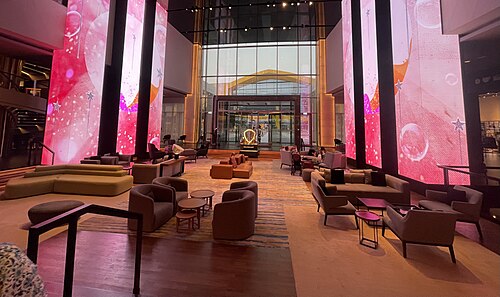
Dubai Coins Museum is a specialised numismatic museum focused on the history of currency. Its displays connect coins with trade, political authority, economic life and cultural exchange.
بوليوود باركس دبي
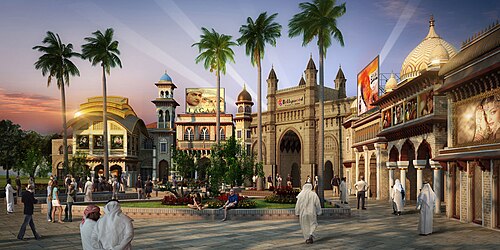
Real Madrid World is a football-themed entertainment destination in Dubai associated with the Spanish football club Real Madrid.
عالم وارنر براذرز أبو ظبي
Warner Bros. World Abu Dhabi is a fully indoor, air-conditioned theme park on Yas Island. Six themed lands bring together DC superheroes, Looney Tunes, Hanna-Barbera characters and Warner Bros.
ياس وتر ورلد
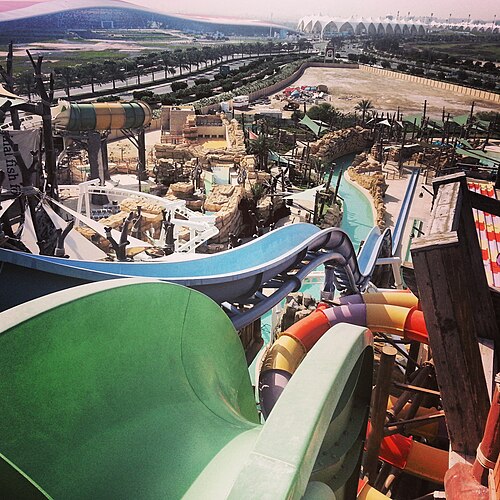
Yas Waterworld is a water theme park located on Yas Island in Abu Dhabi. The local name is ياس ووتروورلد, also rendered as ياس وتر ورلد.
Women's museum
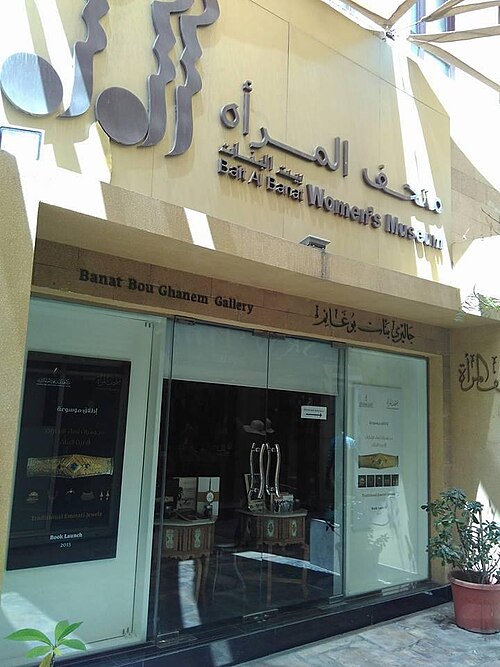
The Women's Museum in Dubai is a cultural institution dedicated to documenting and celebrating the contributions of women to the United Arab Emirates. Located in the historic Al Fahidi district, it occupies a renovated traditional house.
Jameel Arts Centre is a contemporary art institution on Dubai’s Jaddaf Waterfront. It is a place for exhibitions, commissions, research and public programmes, with a quieter atmosphere than the city’s large entertainment venues.
ناشونال اكواريوم ابوظبي
The National Aquarium Abu Dhabi is a major marine life attraction in the Al Qana entertainment district. It represents one of the largest aquariums in the Middle East, housing diverse aquatic ecosystems across multiple themed zones.
Al Marmoom Heritage Village is a Dubai cultural attraction set within the wider Al Marmoom desert landscape. It presents elements of Emirati heritage and the traditional way of life that developed before the emirate's rapid modern growth.
Al Shindagha Museum is a cultural institution situated in the historic Al Shindagha district along Dubai Creek.
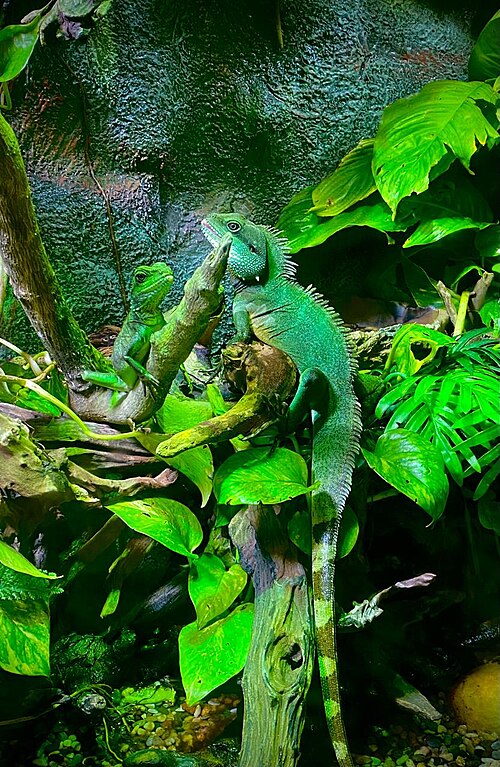
Dubai Crocodile Museum is a specialist attraction devoted to crocodiles and wildlife education. The museum offers a focused alternative to Dubai’s better-known skyscrapers, shopping centres and entertainment complexes.
القرية العالمية
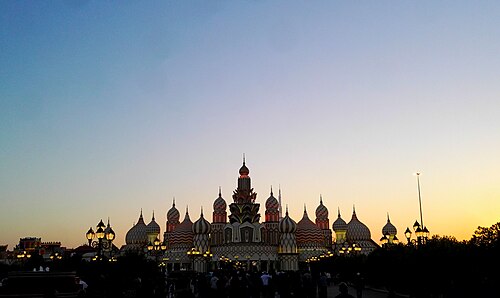
Global Village is a seasonal cultural and entertainment destination in Dubai. It brings together pavilions representing numerous countries, each showcasing traditional crafts, merchandise, and culinary specialties from their respective regions.
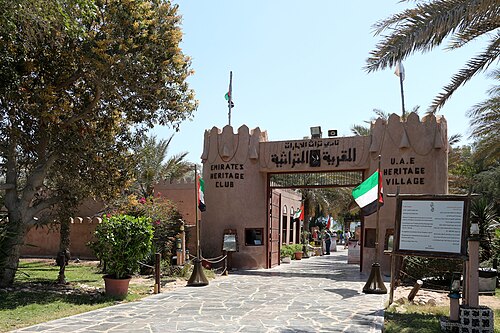
Heritage Village is a reconstructed oasis settlement on Abu Dhabi Corniche Breakwater, beside Marina Mall on Marina Mall Island. It is an interpretive cultural attraction rather than an original historic settlement preserved in place.
House of Artisans is an Abu Dhabi heritage venue devoted to Emirati craft traditions and the knowledge embedded in making. Its focus is the relationship between maker, material, technique, and cultural memory, rather than a broad survey of modern art.
Love Lake is a man-made lake attraction in Dubai’s Al Qudra desert area. Its signature design consists of two interlocking hearts, a shape best understood from above and a memorable subject even from ground level.
Miraj Islamic Art Centre is an independent Islamic art collection set within Umm Al Emarat Park in Abu Dhabi. The venue’s defining character is this pairing of a focused art destination with one of the city’s major park settings.
متحف الغموض
The Museum of Illusions in Dubai is an attraction dedicated to optical illusions, visual tricks, and perceptual phenomena. It presents interactive exhibits that challenge visitors' understanding of reality through carefully constructed rooms, installations, and displays.
Natural History Museum Abu Dhabi is a scientific and cultural institution in Saadiyat Cultural District. Its galleries trace 13.8 billion years from the formation of the universe through the evolution of life and the environments of the present day.
SeaWorld Abu Dhabi is an indoor marine-life theme park on Yas Island and the first SeaWorld park built outside the United States.
سوق مدينة جميرا
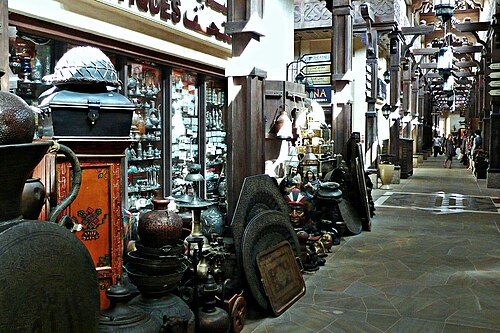
Souk Madinat Jumeirah is a purpose-built covered marketplace inside the Madinat Jumeirah resort, in the Jumeirah district a short way south of the Burj Al Arab.
teamLab Phenomena Abu Dhabi is an immersive digital art museum under development in Abu Dhabi, conceived by the Japanese interdisciplinary art collective teamLab.
The National Gallery in Dubai is an art institution presenting collections and exhibitions to the public. It operates as a cultural venue within the city's developing arts landscape.
وو-هوو!
Woo-hoo! is listed as a visitor attraction in Dubai and is included in the city’s tourism landscape. Its name gives the place a playful identity, while the available description places it among Dubai’s broad range of visitor experiences.
Six to eight days is enough for roughly four days in Dubai and two or three in Abu Dhabi. Sharjah can be a separate museum day, while Ras Al Khaimah or Fujairah requires dedicated road time rather than being treated as a quick urban extension.
UAE entry permission depends on nationality and may be arranged in advance or granted under a nationality-specific rule. Confirm the current position through the federal ICP service or the responsible UAE embassy, especially for a stopover itinerary.
Dubai combines metro, tram, buses, and marine transport; Abu Dhabi relies more heavily on buses and taxis. Travel between emirates remains road-based, so allow for an intercity bus, taxi, or rental car rather than expecting a passenger train.
November through March gives the most practical outdoor hours for this Dubai-Abu Dhabi route. In hotter months, schedule waterfront and heritage districts early or late and reserve the middle of the day for indoor museums.
The United Arab Emirates uses the dirham (AED). Cards are widely useful in Dubai and Abu Dhabi, but retain an AED backup for smaller fares or deposits and check which currency a card terminal proposes.
Police in the UAE can be reached on 999 and ambulance services on 998. Type G sockets supply 230 V; tap-water guidance is not recorded here, so ask the accommodation for the building-specific position.