
1 min walk
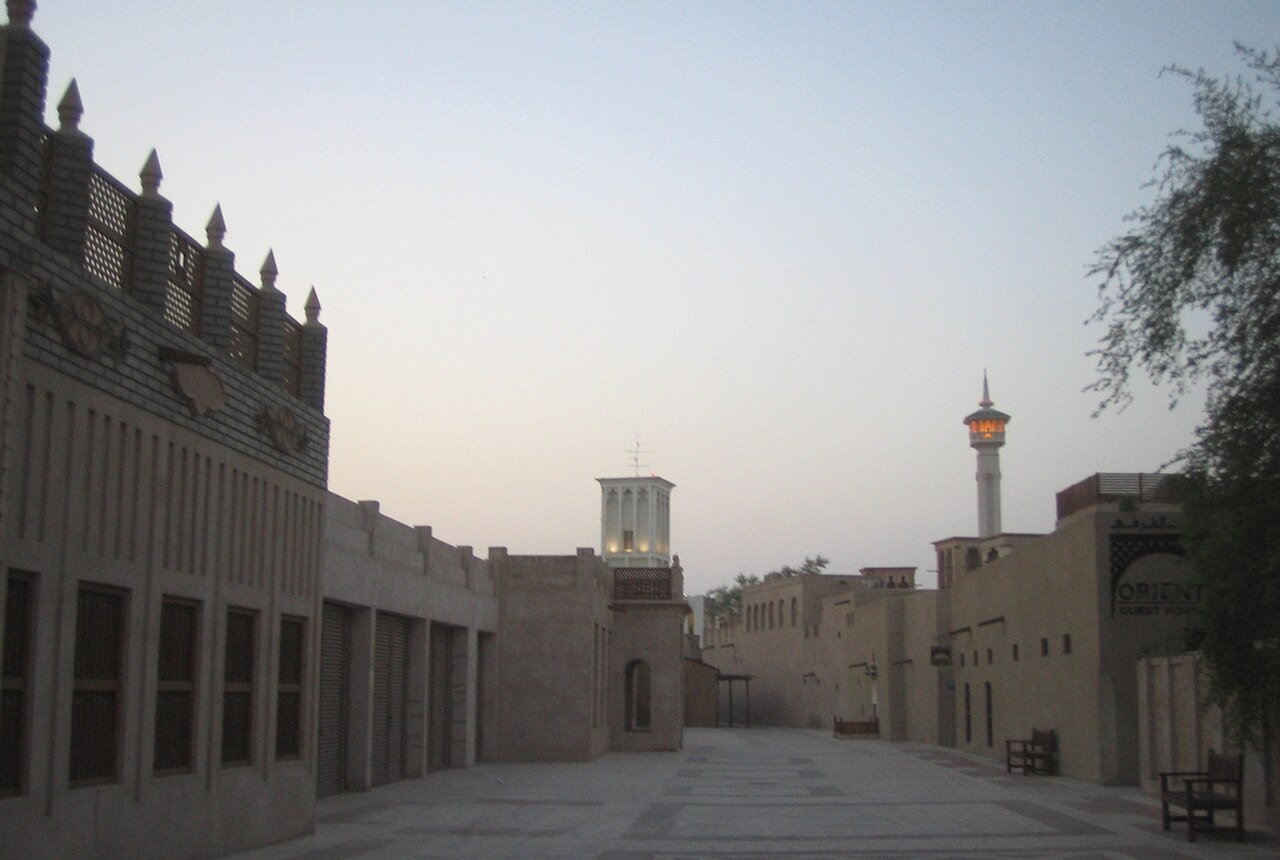
Al Bastakiya
- Must see
- Historic monument
Museum · Dubai
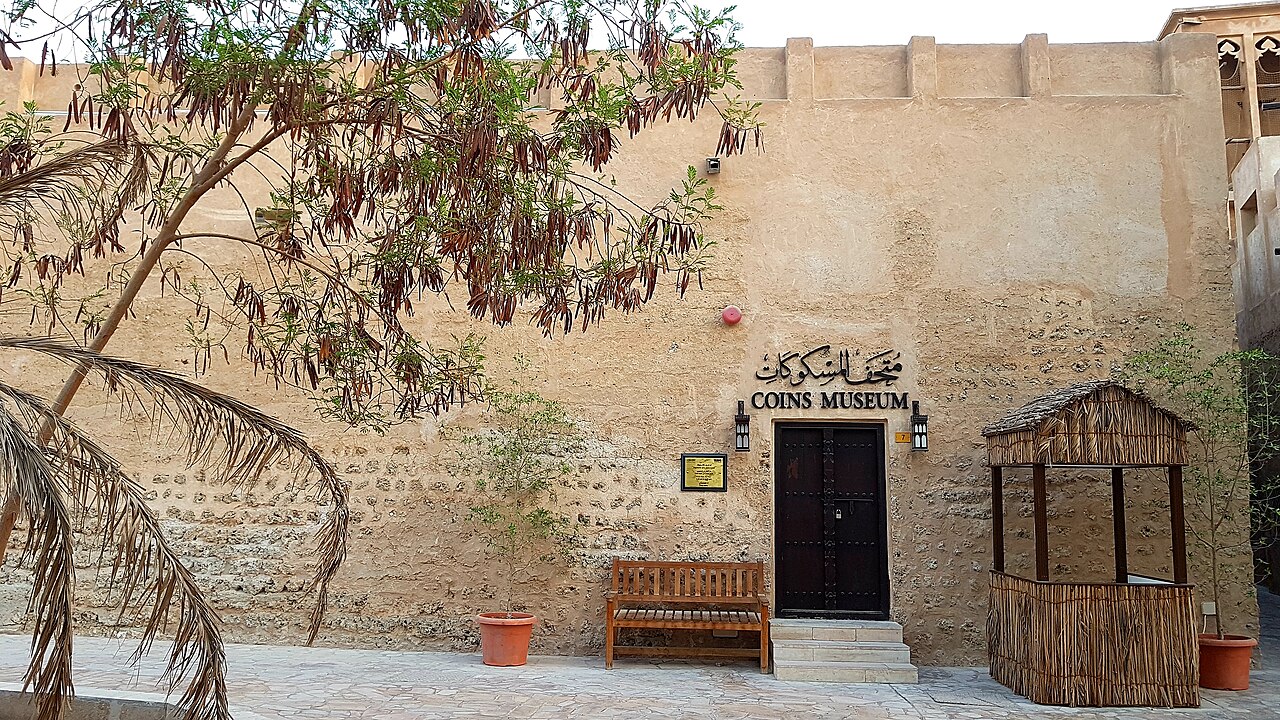
Coins Museum
Dubai Coins Museum is a specialised numismatic museum focused on the history of currency. Its displays connect coins with trade, political authority, economic life and cultural exchange. For travelers, the museum offers a quieter alternative to Dubai’s large commercial and architectural attractions. It is a focused stop for anyone interested in how money reflects the societies that produced, used and circulated it across the region and beyond. The Coins Museum in Dubai is a specialised numismatic institution dedicated to the history of currency. It houses collections that trace the evolution of coins used across the region and beyond. The museum offers visitors insight into monetary systems, trade practices, and cultural exchanges that shaped economic history. Located within Dubai's cultural district, it serves as an educational resource for both residents and tourists interested in the material culture of money and its role in human civilisation across centuries.
Checked 2026-08-26 · Source
The collection brings together coins from different historical periods and geographical origins, including currency associated with the Arabian Peninsula and wider international trade. Look for differences in metals, denominations, designs and minting techniques. Interpretive material places the objects within wider stories of commerce, authority and cultural identity. The museum rewards close attention: details that look small at first can reveal changes in technology, political power and connections between distant communities. The museum displays curated collections of coins from various historical periods and geographical origins. Exhibits include regional currency from the Arabian Peninsula alongside international specimens that demonstrate global trade connections. Interpretative materials accompany displays to provide historical context. The collection encompasses different metals, denominations, and minting techniques. Visitors can observe the craftsmanship of coin production and understand how currency designs reflected political authority, economic stability, and cultural identity in different eras and societies.
Checked 2026-08-26 · Source
Set aside about forty-five minutes for a concise walkthrough and up to ninety minutes if you want to read the interpretive material carefully. The focused subject makes the museum easier to fit into a wider Dubai cultural day than a large general museum. Coin enthusiasts may want more time for close observation, while casual visitors can enjoy the main sequence at a steady pace and then continue to another nearby stop.
Checked 2026-08-26 · Source
An indoor museum is a comfortable choice during Dubai’s hottest summer months, especially from June through September. From November to March, pair the visit with outdoor sightseeing in the city’s historic and cultural areas. Weekday mornings generally offer a calmer setting for reading labels and studying individual coins. If you are building a full day around cultural stops, place the museum when your group wants a quieter interval between busier streets, markets or larger attractions.
Checked 2026-08-26 · Source
Plan the museum as a dedicated cultural visit rather than as a shopping venue. Admission arrangements can differ between museums, so use the visit’s confirmed access details when deciding how it fits your day. The collection itself is the central experience: allow time for the displays and explanatory material rather than expecting a large entertainment complex. A focused museum stop can add historical depth to an itinerary otherwise dominated by modern Dubai.
Checked 2026-08-26 · Source
The museum is situated in Dubai’s established cultural quarter. Reach the surrounding district by metro or bus, then continue on foot or by a short taxi ride. Taxis and ride-hailing services provide a direct option for travelers carrying bags or visiting several places in one day. If you stay in the historic or central parts of Dubai, walking from nearby accommodation may be practical. Group the museum with other cultural stops to reduce cross-city travel.
Checked 2026-08-26 · Source
Coins are small objects, so the museum rewards patient viewing more than a quick pass through the room. Read the labels and give other visitors space around display cases. The subject may engage older children and adults more readily than visitors seeking hands-on entertainment. Interior climate control can feel cool after Dubai’s heat. Follow the museum’s rules around cases, movement and photography so the collection remains protected and the galleries stay comfortable.
Checked 2026-08-26 · Source
Use photography to capture display details, patterns and the variety of coin designs, provided the museum permits it in the relevant gallery. Avoid flash if signs or staff prohibit it, and keep equipment unobtrusive around cases. Tripods and commercial photography can interfere with other visitors in a compact museum setting. Photograph your own companions freely where permitted, but respect privacy and do not handle coins or cases while composing an image.
Checked 2026-08-26 · Source
It focuses on the history of currency through coins from regional and international historical periods.
Allow about forty-five to ninety minutes, depending on how closely you study the coins and interpretive material.
The displays include regional and international coins, with differences in metals, denominations, designs and minting techniques.
Yes. Its focused collection adds historical context to a Dubai itinerary and fits well between visits to other cultural areas.
Yes. The museum is an indoor cultural stop and can provide a comfortable activity during Dubai’s hottest summer months.
Compare the coins’ metals, denominations, designs and minting techniques, then read how they relate to trade and political authority.
Loading the interactive map…
The interactive map could not be loaded.
Last updated:
Source: OpenStreetMap contributors, Wikidata ·