


1 min walk
Al Bastakiya
- Must see
- Historic monument
Language · 11 published
Museum · Dubai
Coffee Museum
Reviewed by Elena Voss · Roavina Travel Editor
This place is a Museum.
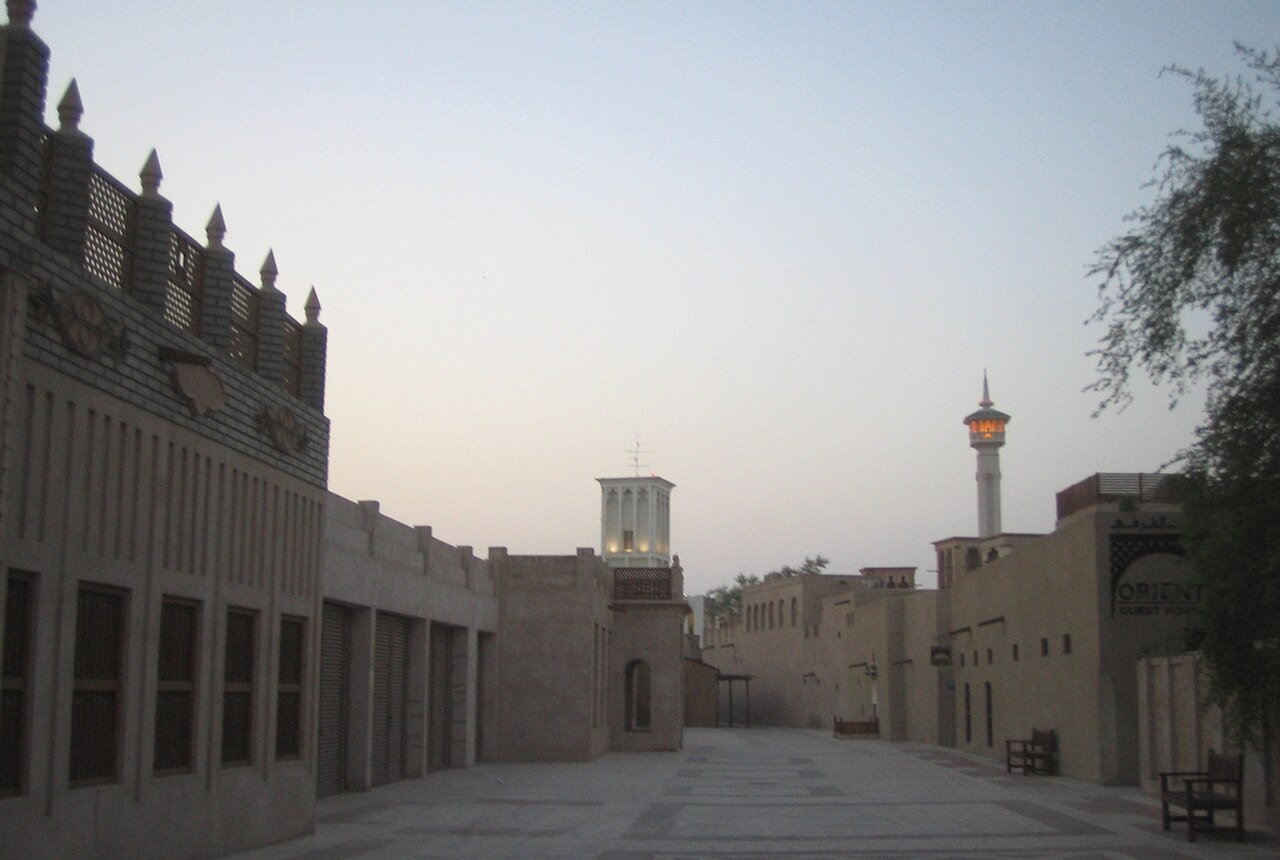
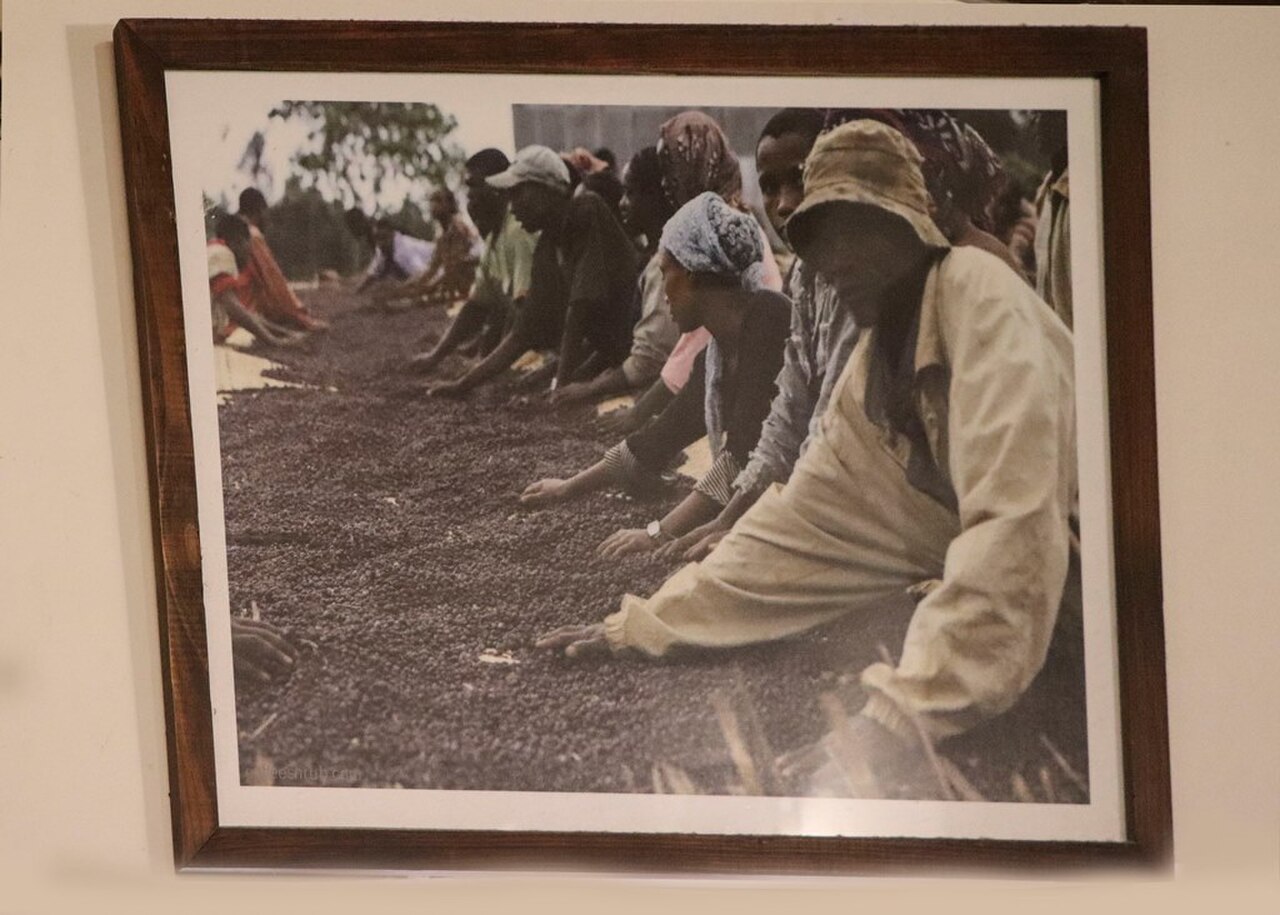
Dubai Coffee Museum is a compact cultural museum in the Al Fahidi Historical Neighbourhood, housed in a traditional wind-tower building. Its focus is coffee as both a global product and a social tradition, with particular attention to the Arabian Peninsula and wider Middle Eastern hospitality. The visit connects coffee’s journey from the Ethiopian highlands to international consumption with the customs surrounding roasting, brewing, serving, and welcoming guests. It suits travelers who want a quieter, history-led experience in Dubai’s oldest urban quarter. The setting is part of the attraction: the museum’s rooms and architectural details provide a close contrast with the city’s modern towers and large entertainment venues.
Checked 2026-08-26 · Source
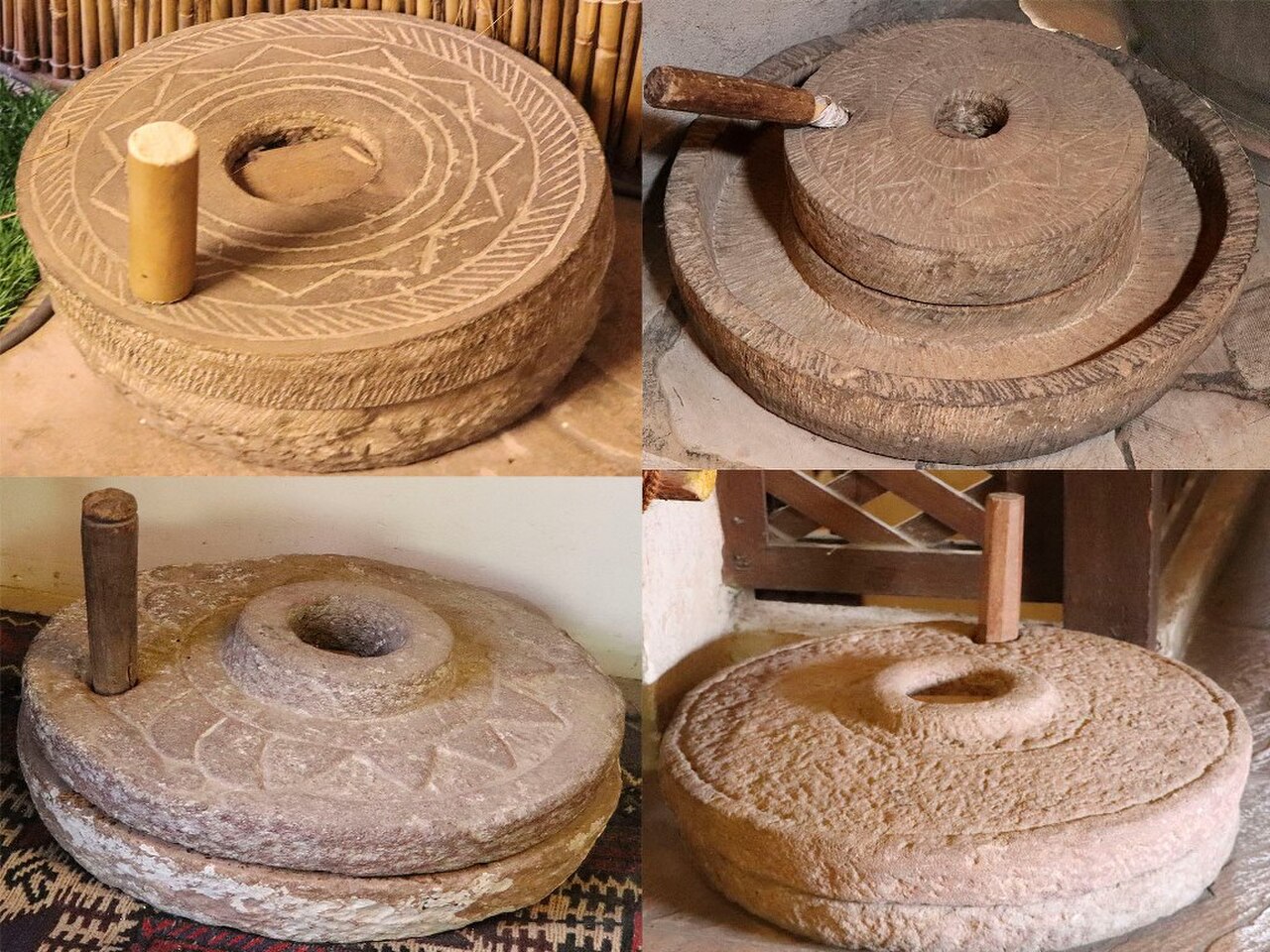
Inside, visitors encounter antique coffee equipment from different periods and regions, including roasting tools, hand grinders, pots, and serving vessels. Displays explain traditional Arabic coffee preparation and show how coffee moved through trade routes and cultural exchange. Roasting over an open flame is part of the museum’s practical character, while prepared Arabic coffee offers a sensory connection to the hospitality customs described by the exhibits. Books and documentary material add context for travelers who want more than a quick look at objects. The collection is focused rather than extensive, so the experience works best when you take time to compare the shapes, materials, and uses of the artefacts.
Checked 2026-08-26 · Source
Allow roughly forty-five minutes to ninety minutes for the museum itself. A shorter visit can cover the principal objects and the central story of coffee’s cultural journey, while a longer stay gives more time for exhibit labels, roasting activity, preparation details, and conversation about regional traditions. The traditional building is compact, and movement can slow when several visitors gather around a demonstration or a small display. Reserve extra time for Al Fahidi Historical Neighbourhood, where restored lanes, galleries, cafés, and other heritage sights make it easy to extend the outing beyond the museum.
Checked 2026-08-26 · Source
Morning is a good fit if you want to focus on demonstrations and explore the surrounding heritage quarter before the strongest heat. The shaded passages of Al Fahidi make walking more comfortable than exposed modern districts, although the historic interior has a different atmosphere from a fully climate-controlled attraction. Plan with Dubai’s local weekend pattern in mind, since Friday and Saturday are the principal weekend days. A visit also works well as part of a half-day route through Al Fahidi and along Dubai Creek, especially when you want to combine indoor cultural interest with shaded outdoor walking.
Checked 2026-08-26 · Source
Treat the museum as a small, focused cultural stop within a wider Al Fahidi outing. Its visit is centered on the collection, demonstrations, and coffee experience rather than a large ticketed entertainment programme. The surrounding heritage district contains attractions with different admission arrangements, so a day here can be shaped around both free street-level exploration and separate paid venues. Travelers visiting as a group should allow room to gather in the compact rooms and around demonstrations. The coffee tasting and the museum displays belong to the same cultural experience, giving the visit a more personal character than a conventional retail café.
Checked 2026-08-26 · Source
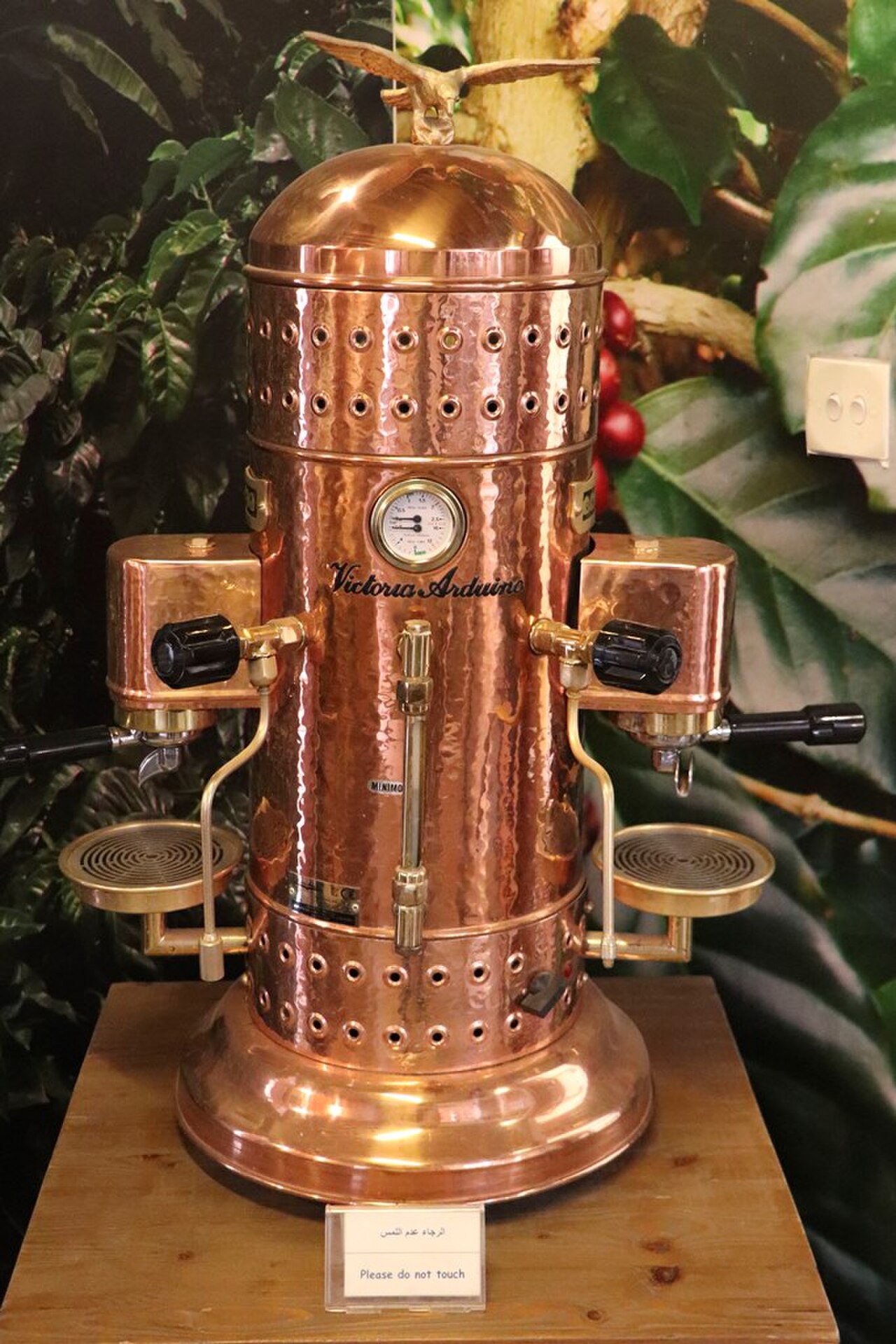
The museum is in Al Fahidi Historical Neighbourhood, where narrow lanes and limited vehicle access make the final approach a walking experience. Dubai Metro’s Green Line serves the area through Al Fahidi and Sharaf DG stations, followed by a walk through the restored district. Taxis and ride-hailing services can use Al Fahidi as the destination, but the vehicle may not reach the museum entrance itself. An abra or water taxi from the Deira side of Dubai Creek gives the outing a more atmospheric arrival, with further walking required. Comfortable shoes are useful on traditional and uneven surfaces.
Checked 2026-08-26 · Source
The museum’s traditional building has narrow doorways, stairs, and compact rooms, which can make movement difficult for wheelchair users or visitors with pushchairs. Crowding around displays may also reduce the space available to pause. Coffee preparation and tasting involve caffeine, so take a measured approach if you are sensitive to it. The experience is intimate and educational rather than theatrical, with modest rooms and historic objects instead of large immersive installations. Treat the building and artefacts carefully, and give demonstrations enough space to continue. Respectful behaviour is especially important in a preserved heritage setting.
Checked 2026-08-26 · Source
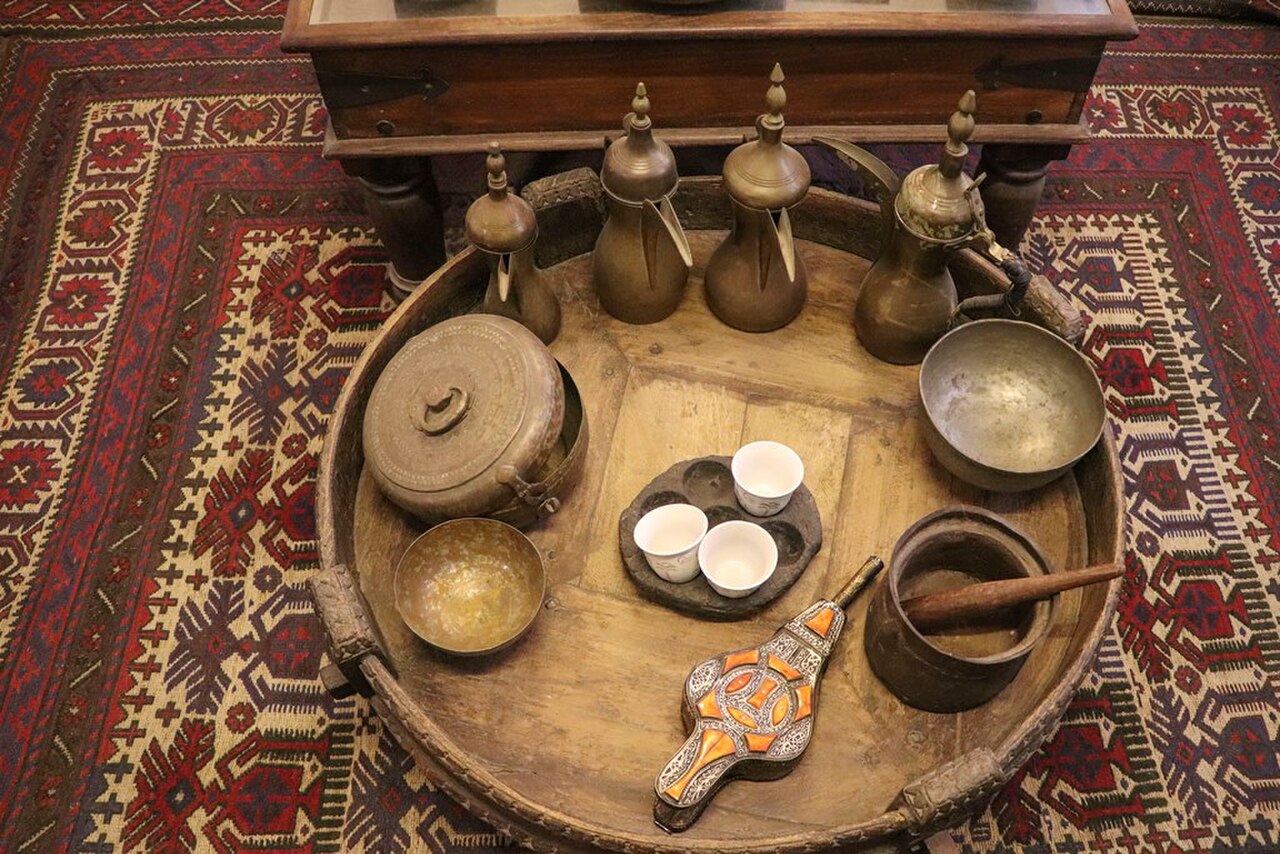
The museum offers visual interest through its wind-tower architecture, wooden details, courtyard atmosphere, antique coffee vessels, and roasting equipment. Keep camera use quiet and unobtrusive when demonstrations are taking place or when other visitors are examining small displays. Flash can be distracting in the compact rooms, so natural light is preferable for interior images. The surrounding Al Fahidi lanes provide additional subjects, including walls, doorways, galleries, and heritage details. When photographing residents or identifiable people, ask permission and remain mindful that the district combines visitor spaces with private homes and working businesses.
Checked 2026-08-26 · Source
Older children can engage with the museum’s antique grinders, pots, roasting tools, and coffee journey, while the tasting and preparation traditions add a sensory element to the visit.
The museum focuses on roasting, brewing, Arabic coffee preparation, serving vessels, and the role of coffee in Emirati and wider Middle Eastern hospitality.
It is located in the Al Fahidi Historical Neighbourhood, a restored heritage district with narrow lanes, galleries, cafés, and traditional wind-tower buildings.
Allow approximately forty-five to ninety minutes, with additional time if you plan to explore Al Fahidi Historical Neighbourhood and Dubai Creek afterward.
It places coffee in a historical and cultural context, using antique equipment, trade routes, preparation traditions, and hospitality customs rather than focusing primarily on commercial consumption.
Al Fahidi Historical Neighbourhood is the natural companion, with restored lanes, galleries, cafés, traditional architecture, and access toward Dubai Creek.
Loading the interactive map…
The interactive map could not be loaded.
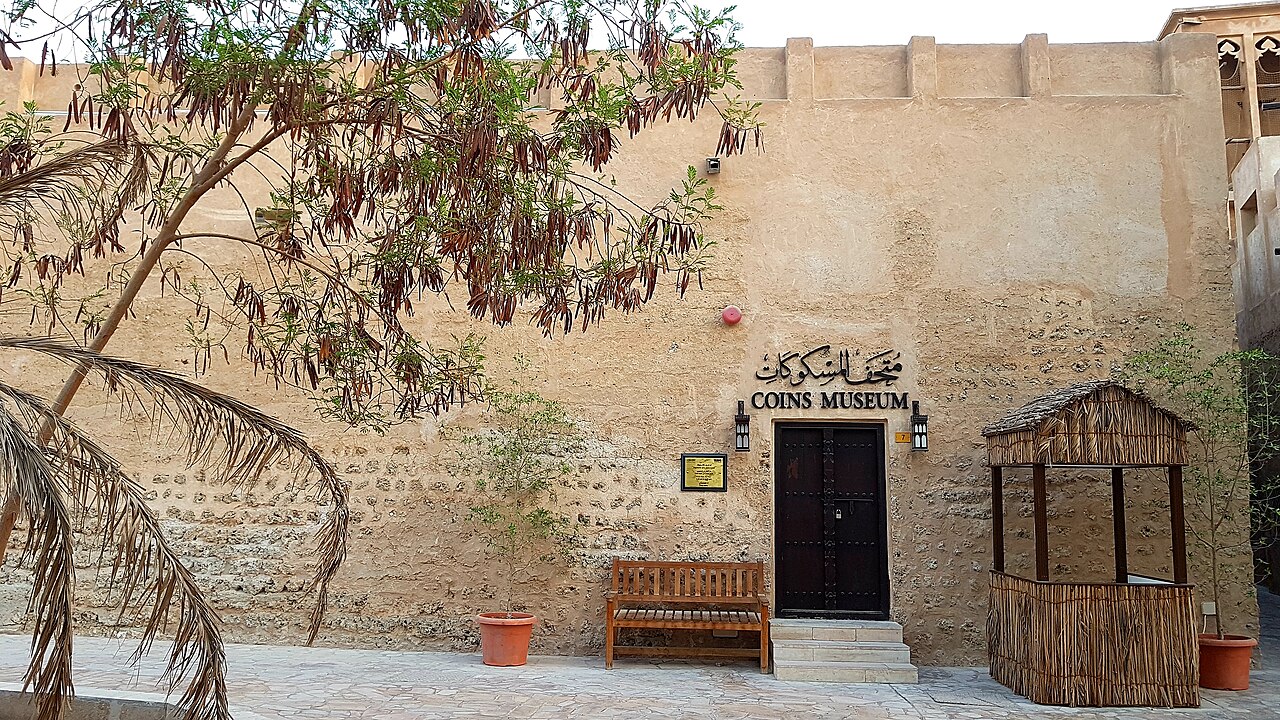
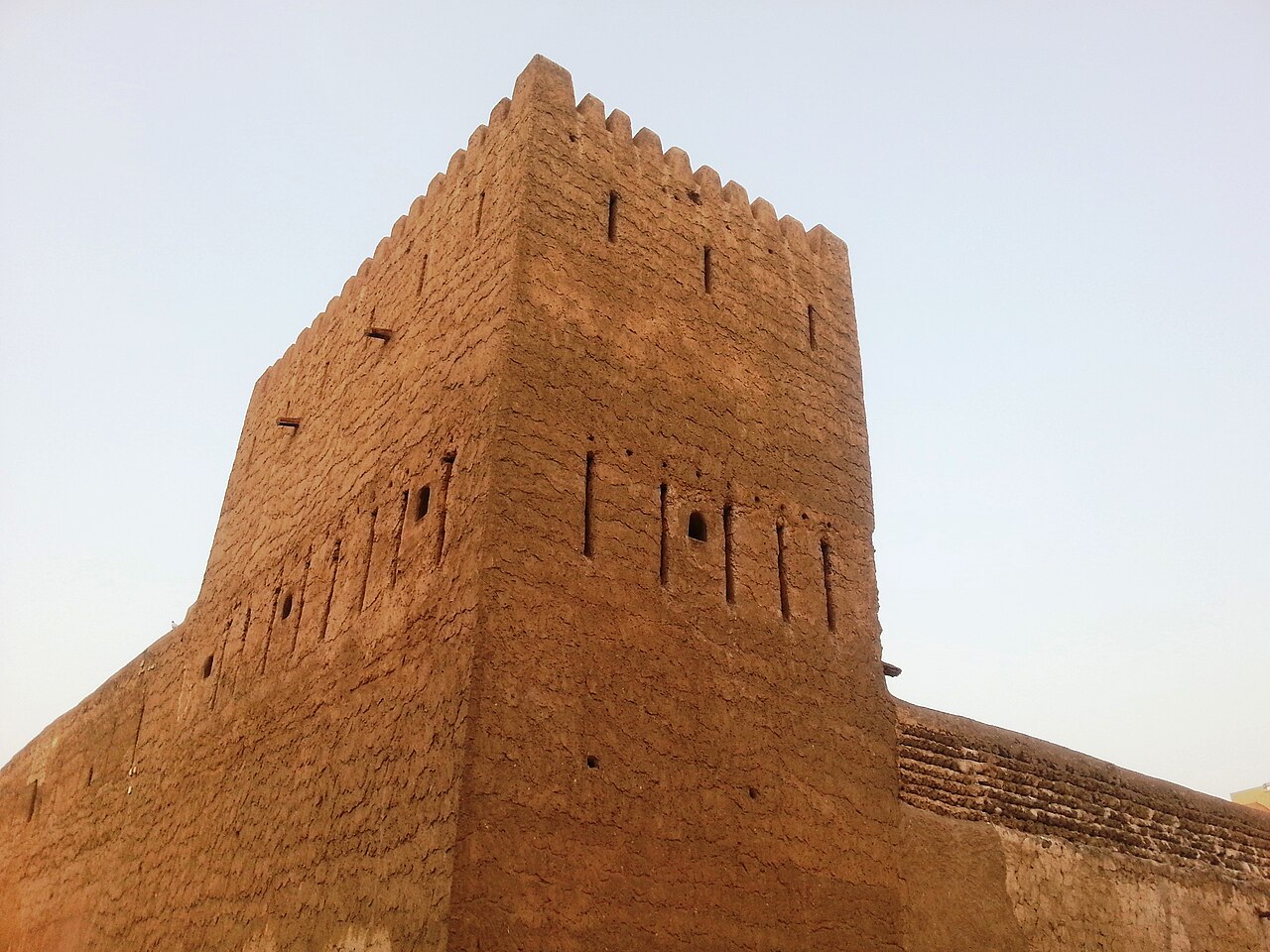
Last updated:
Source: OpenStreetMap contributors, Wikidata ·