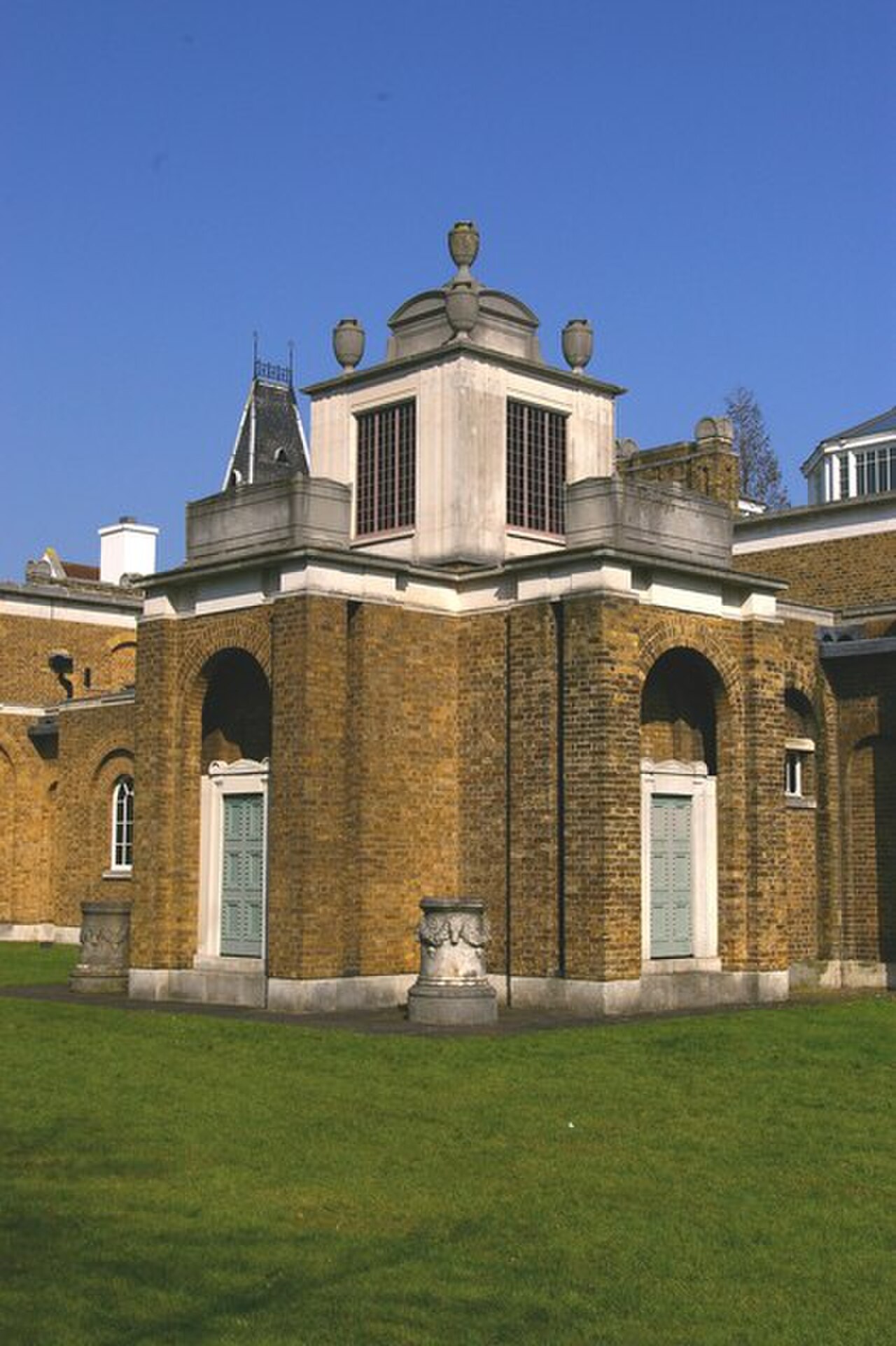
Dulwich Picture Gallery is an art museum in south London housed in a purpose-built gallery designed by Sir John Soane. Opened in 1817, it is England's oldest purpose-built public art gallery. The building is as important to the visit as the paintings: Soane used skylights, domed ceilings and carefully controlled natural illumination to create a distinctive setting for viewing art. The gallery stands in Dulwich, an area with a village-like character, and its historic surroundings include the mausoleum containing the tombs of the founders. The collection began with works associated with Sir Francis Bourgeois and Noel Desenfans and focuses on European Old Master painting. Its relatively compact scale makes it a calm alternative to London's larger national museums, especially for travelers who prefer a concentrated collection and a slower south London outing.
The permanent collection spans European Old Master paintings from the sixteenth to the nineteenth centuries. Works by Rembrandt, Rubens, Canaletto, Poussin and Gainsborough provide recognizable points of entry, while the gallery's compact rooms make it practical to compare artists and periods without crossing a huge complex. Temporary exhibitions occupy dedicated spaces and can add a different curatorial focus to the visit. Soane's architecture shapes the experience through domed ceilings, top lighting and carefully framed rooms that allow daylight to influence the atmosphere around the pictures. The attached mausoleum contains the founders' tombs and adds a solemn historical layer to the building. Educational programmes and events extend the gallery's role beyond the collection. Move between the paintings and the architecture deliberately: the ceiling, light and proportions are not a neutral container but part of the way the art is presented.
Most visitors need one to two hours for the permanent collection. That is enough for a focused look at the principal paintings and the architecture, while visitors with a strong interest in Old Masters may prefer to stay longer with individual works. A temporary exhibition can add another thirty minutes to an hour depending on its size and your pace. The surrounding historic grounds provide room to pause after the galleries, and Dulwich Park makes a longer half-day outing possible. The gallery's compact layout supports concentration rather than endurance: you can see a coherent collection without the fatigue associated with a major museum. Plan more time if you enjoy reading interpretation, comparing the lighting in different rooms or attending an event. A relaxed visit works particularly well when paired with a walk through Dulwich rather than with a tightly packed central London schedule.
Weekday mornings outside school holiday periods offer a good setting for close attention to the paintings and the quiet architectural details of the building. Popular exhibition openings and school visits can make the rooms busier, so travelers seeking a reflective experience should leave flexibility around those periods. Mild weather lets you combine the gallery with Dulwich Park and the surrounding village-like streets. Winter can be especially atmospheric inside because the skylights and top lighting remain central to the experience even when the outdoor conditions are cold. The gallery's location away from the largest central London museums makes it suitable for a deliberately slower day. Plan the sequence around your interests: spend the clearest part of your time with the permanent collection, add a temporary exhibition if relevant, and use the grounds for a pause before continuing through south London.
The gallery's permanent collection and temporary exhibitions can form separate parts of the visit, with admission arrangements differing between them. Concession categories can include students, seniors and children, and membership schemes support frequent visits. Some community programmes and annual events may also have their own arrangements. For a first visit, the permanent collection provides a complete experience because the building, Old Masters and founders' mausoleum are already closely connected. A temporary exhibition can extend the day when its subject matches your interests. Online booking is relevant for popular exhibitions and events, while the compact gallery makes a short collection visit practical when time is limited. The gallery sits far enough from central London that it works best as a destination within a south London plan, paired with Dulwich Park or a walk through the surrounding neighbourhood.
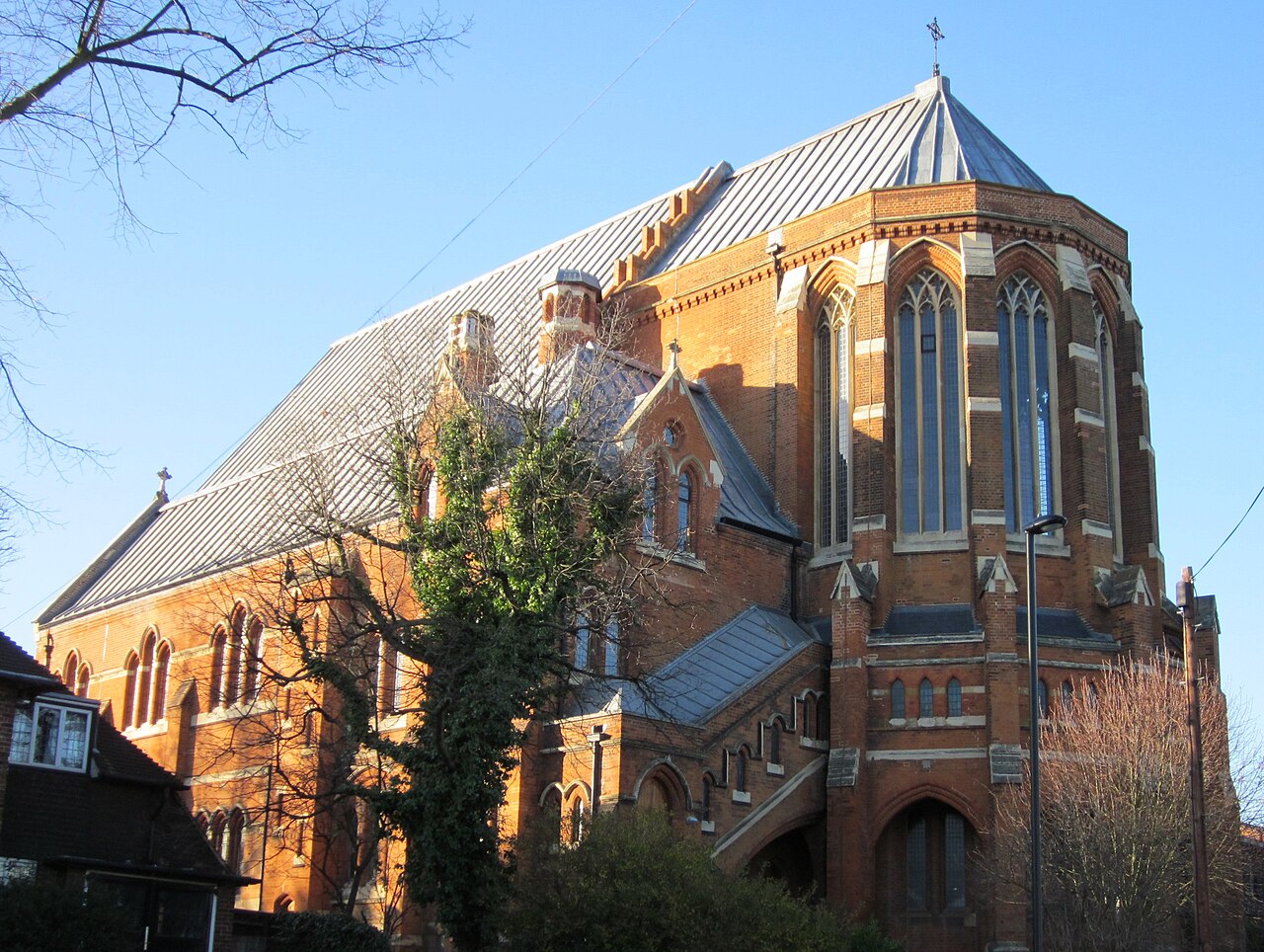
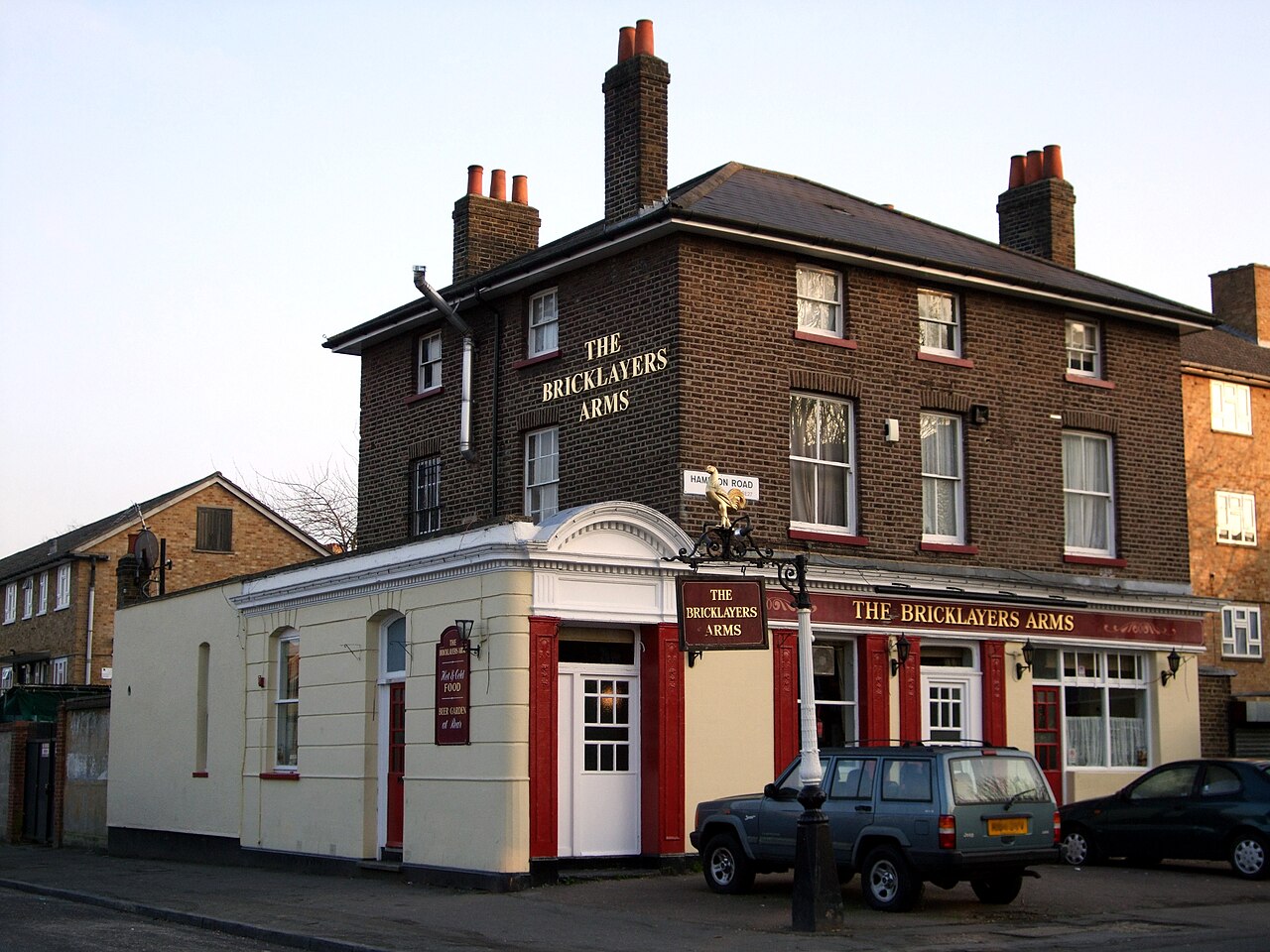
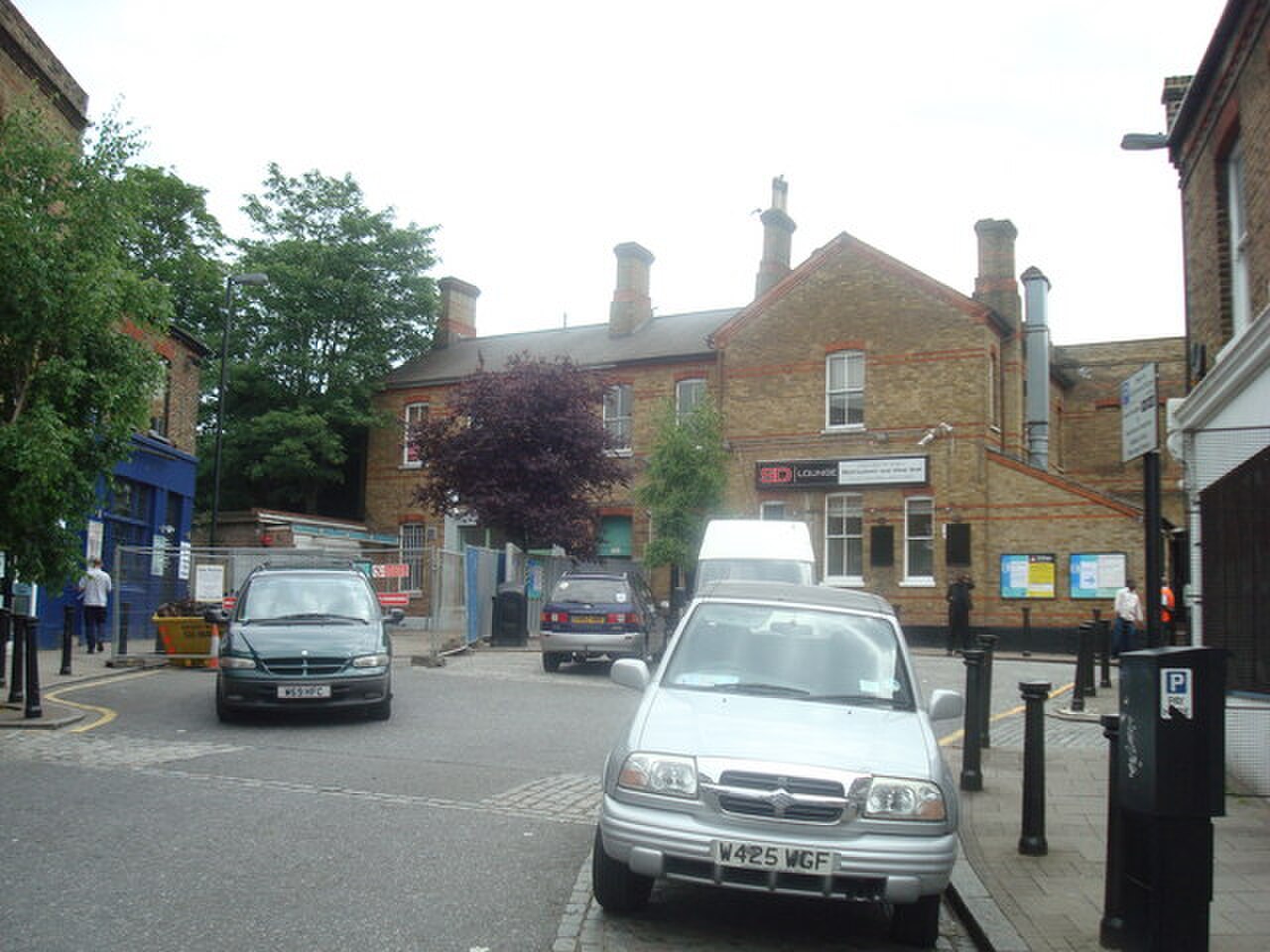
Dulwich Picture Gallery is about four miles from central London and has no London Underground station directly beside it. North Dulwich and West Dulwich stations provide National Rail connections from London Victoria, while Herne Hill offers another rail option. From the nearby stations, the walk takes roughly ten to fifteen minutes through residential streets. Bus routes serve the surrounding area, and cycling is feasible on quieter roads and the Green Man Lane path. Parking in the vicinity is limited, so public transport is a practical choice for most travelers. The approach through Dulwich helps establish the gallery's village-like setting before you reach Soane's building and its grounds. Allow time for the final walk, especially when combining the visit with Dulwich Park or when traveling with children and equipment.
The early nineteenth-century building includes steps and uneven surfaces, so the historic setting has practical consequences for visitors with mobility needs. The gallery is compact, and popular exhibitions or school visits can make rooms feel busy. The top lighting gives the interiors their character but can create changing viewing conditions as daylight shifts outside. The adjacent mausoleum and cemetery grounds contribute to the site's history but may not suit visitors who prefer to avoid such settings. Because the gallery is in south London rather than beside a major Tube hub, include the walk from the station in your schedule. Reception can be variable in parts of the building and grounds. Take time with the transition between rooms, since the building's proportions and light are central to the experience rather than details to pass quickly on the way to the paintings.
The gallery's paintings and architecture offer strong subjects, but photography conditions can differ between the permanent collection and temporary exhibitions. Flash is restricted around light-sensitive works, while tripods and selfie sticks are generally unsuitable in the compact rooms. Temporary exhibitions may impose a complete photography ban when requested by lenders. Follow the signage and staff directions in each area rather than applying one rule throughout the building. Soane's domed ceilings, skylights and top-lit rooms provide architectural details worth observing even when photography is restricted. The grounds and exterior offer additional subjects, including the gallery facade and the historic setting around the mausoleum. Commercial photography requires separate arrangement. Keep equipment unobtrusive and leave clear sightlines for other visitors, especially when a particular Rembrandt, Canaletto or architectural feature draws a crowd.
The gallery holds European Old Master paintings from the sixteenth to nineteenth centuries, including works by Rembrandt, Rubens, Canaletto, Poussin and Gainsborough.
Why is Dulwich Picture Gallery architecturally important?
Sir John Soane designed the building, which opened in 1817 as England's oldest purpose-built public art gallery and uses skylights and domed ceilings for natural illumination.
How do I reach Dulwich Picture Gallery by train?
Use National Rail services from London Victoria to North Dulwich or West Dulwich, then walk roughly ten to fifteen minutes. Herne Hill is another nearby station.
How long should I spend at Dulwich Picture Gallery?
Allow one to two hours for the permanent collection. A temporary exhibition can add thirty minutes to an hour, and Dulwich Park can extend the outing to a half day.
Can children visit Dulwich Picture Gallery?
Yes. Children can visit the gallery, and the compact collection can suit a shorter family cultural outing when combined with outdoor space nearby.
What is beside Dulwich Picture Gallery?
The gallery stands within Dulwich's village-like setting, with historic cemetery grounds and a mausoleum containing the founders' tombs. Dulwich Park is nearby for a longer outing.