

.jpg)


10 min walk
Stockport Museum
- Must see
- Museum
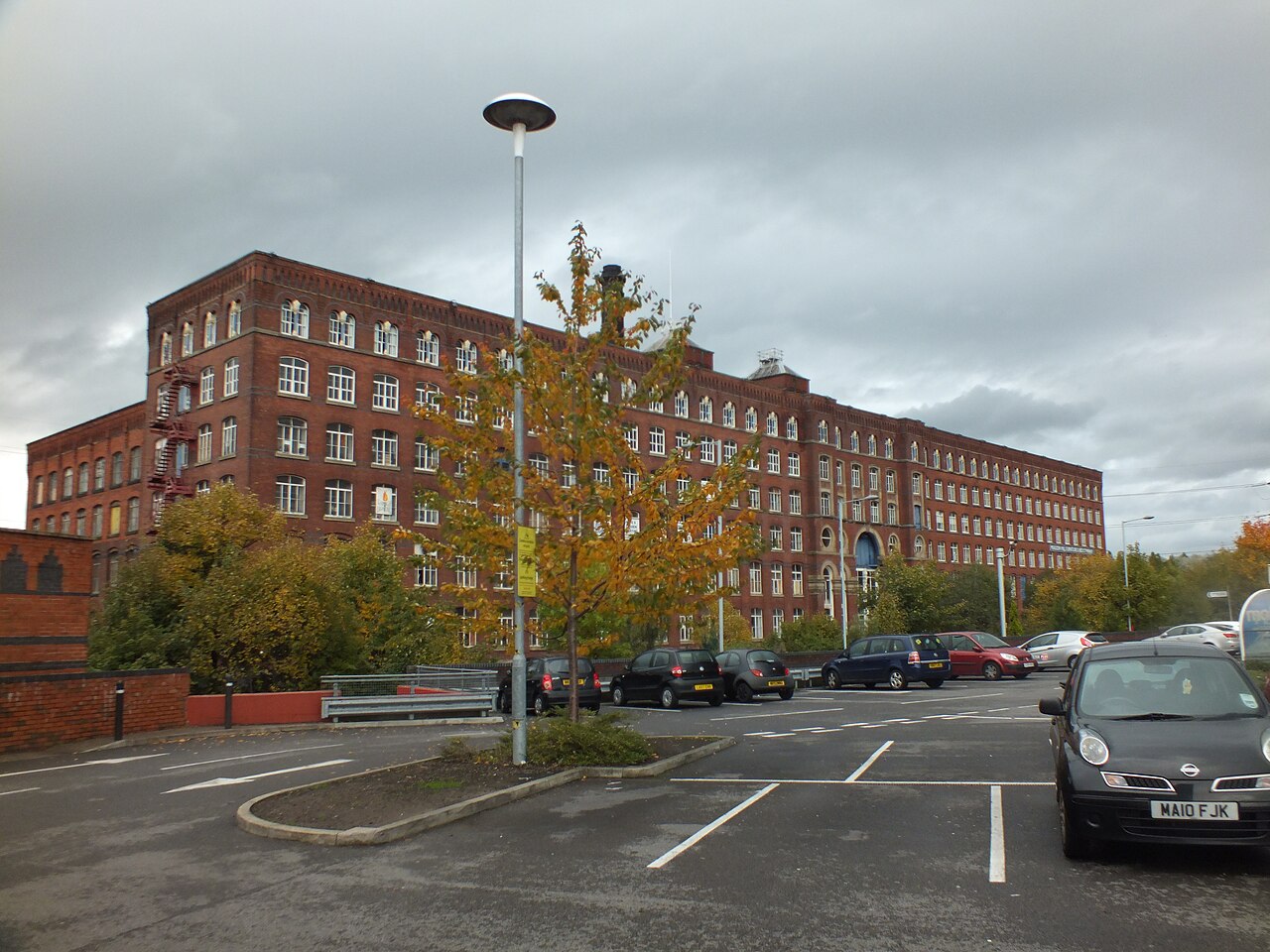
Historic monument · Manchester
Meadow Mill
Meadow Mill is a historic industrial building in Manchester, recognised in the name used for this place because it includes a tall wing to the south-west. Its value for travellers lies in the surviving form of Manchester's mill landscape: large structures created for textile production and shaped by the city's industrial past. It is a useful stop for visitors interested in architecture, urban history and working-city heritage. Meadow Mill is a historic mill building in Manchester, England, notable for its tall wing extending to the south-west. The structure represents the city's industrial heritage as a centre of textile manufacturing during the nineteenth century. Manchester's mill architecture is internationally significant, and this building contributes to that legacy. The designation 'Including The Tall Wing To The South West' indicates a specific architectural feature of note. The mill stands as evidence of the region's transformation through industrialisation, though its current operational status and accessibility for visitors require direct verification. Public access is not confirmed. The building may operate as private premises. Visitors should seek current information from Manchester visitor services.
Checked 2026-08-26 · Source
The building's character is easiest to read from its massing, industrial scale and the relationship between the main mill and the prominent south-west wing. Historic mill interiors were organised for manufacturing, storage and administration, but this place should be approached as an architectural landmark rather than as a guaranteed indoor exhibition. The tall wing provides the clearest feature to look for when studying the structure from its surroundings. Historic mills of this type typically contained spinning or weaving machinery, storage areas, and administrative spaces across multiple floors. The tall wing may have served specialised functions such as warehousing or housed particular manufacturing processes. The building may have been repurposed for alternative commercial or residential use, as has occurred with numerous Manchester mills.
Checked 2026-08-26 · Source
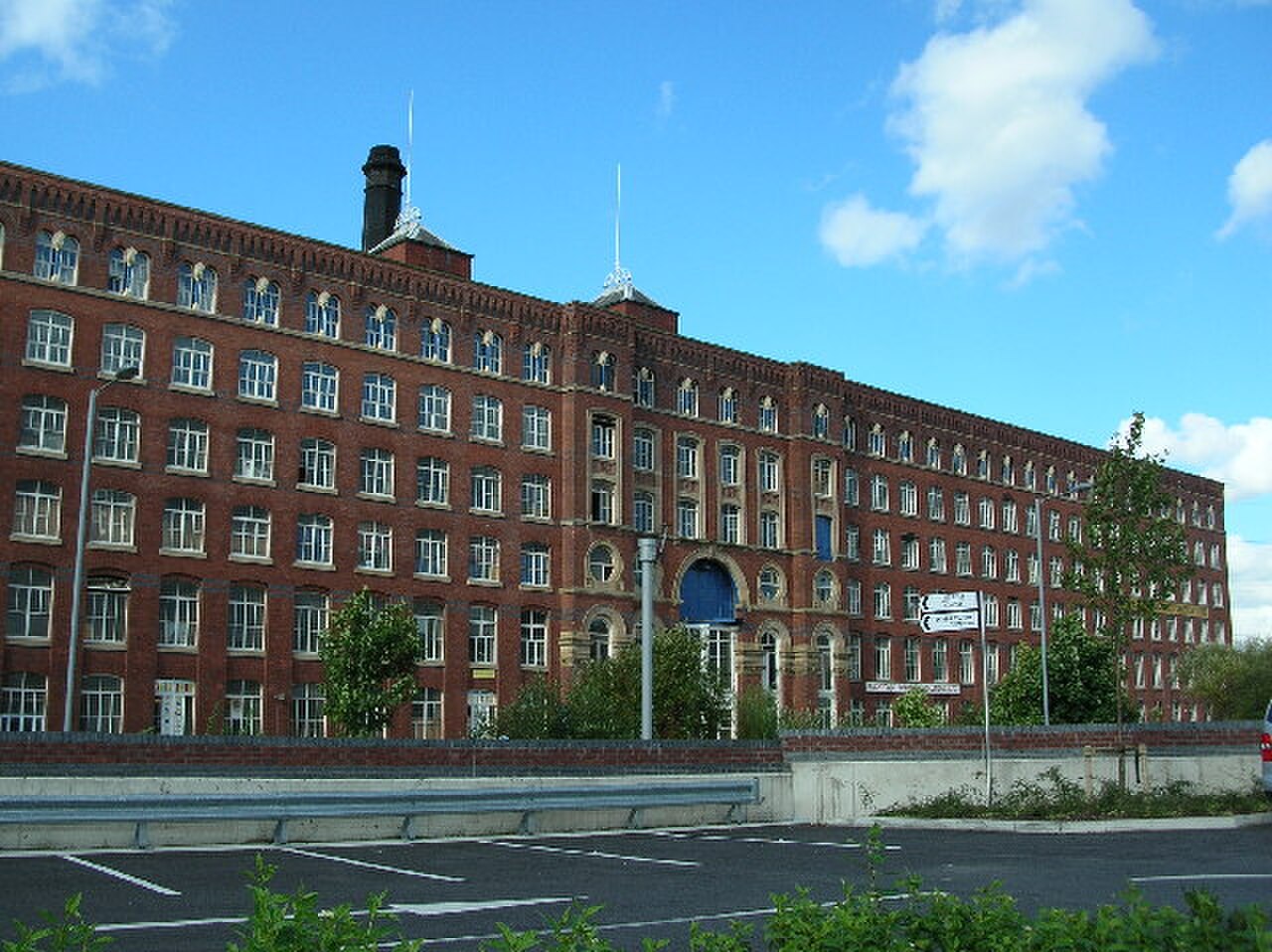
Allow around thirty minutes for a focused exterior look, including time to study the tall south-west wing and photograph the building from appropriate public viewpoints. A longer visit makes sense only when combined with other Manchester industrial-heritage locations nearby. Keep the stop flexible: the building rewards close observation, but it is not presented as a conventional attraction with a sequence of galleries or displays.
Checked 2026-08-26 · Source
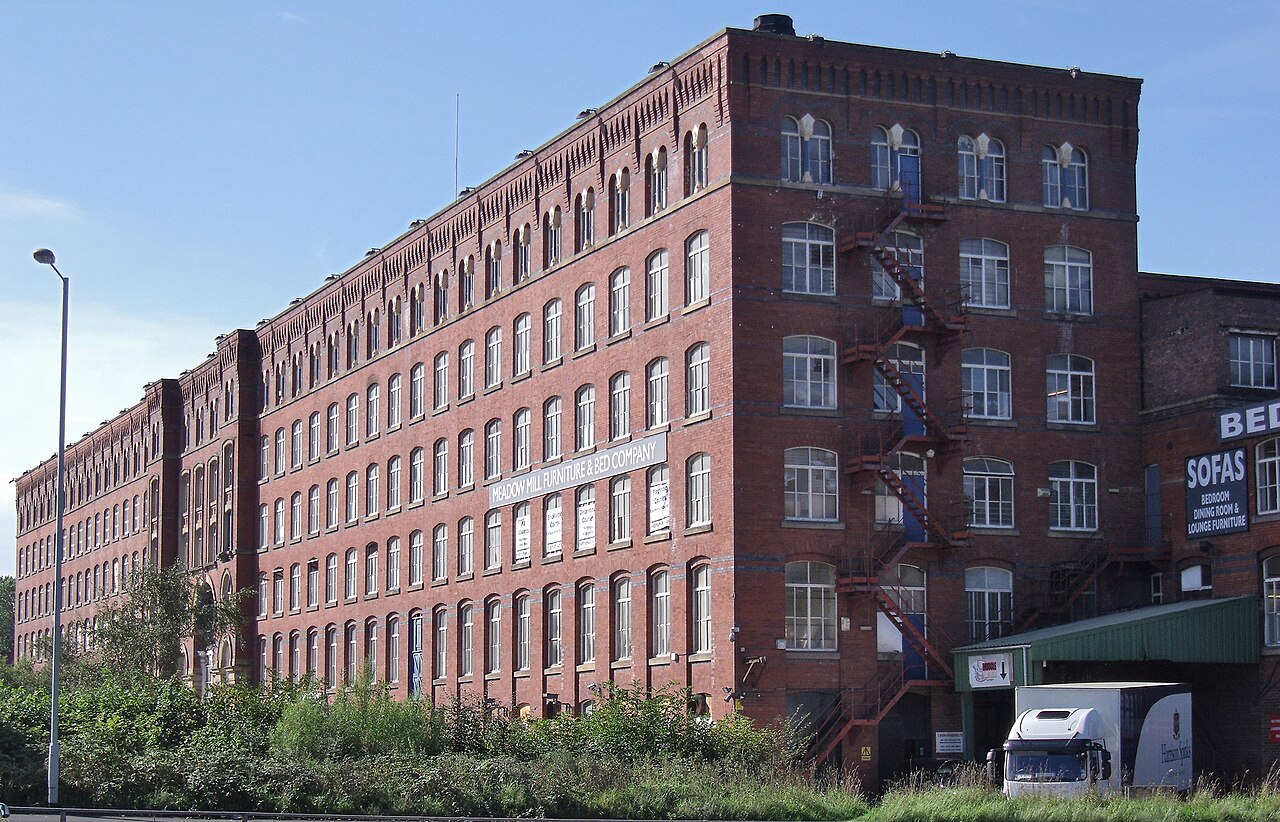
Daylight is the practical choice for seeing the building's height, brickwork and relationship with the surrounding streets. Summer provides longer daylight, while overcast conditions can soften the contrast across industrial façades and make architectural details easier to photograph. The best opportunity for interior exploration would be a specifically organised heritage event, so place this stop in your itinerary only when such access is part of the event you are attending.
Checked 2026-08-26 · Source
Meadow Mill is primarily an architectural and heritage sight rather than a standard ticketed attraction. An exterior view from a public route does not require a museum-style admission visit. If a heritage event provides special entry, follow the arrangements attached to that event, including any booking or donation request. Do not plan the stop around a permanent ticket desk; its interest comes from the building itself and the industrial story visible in its form.
Checked 2026-08-26 · Source
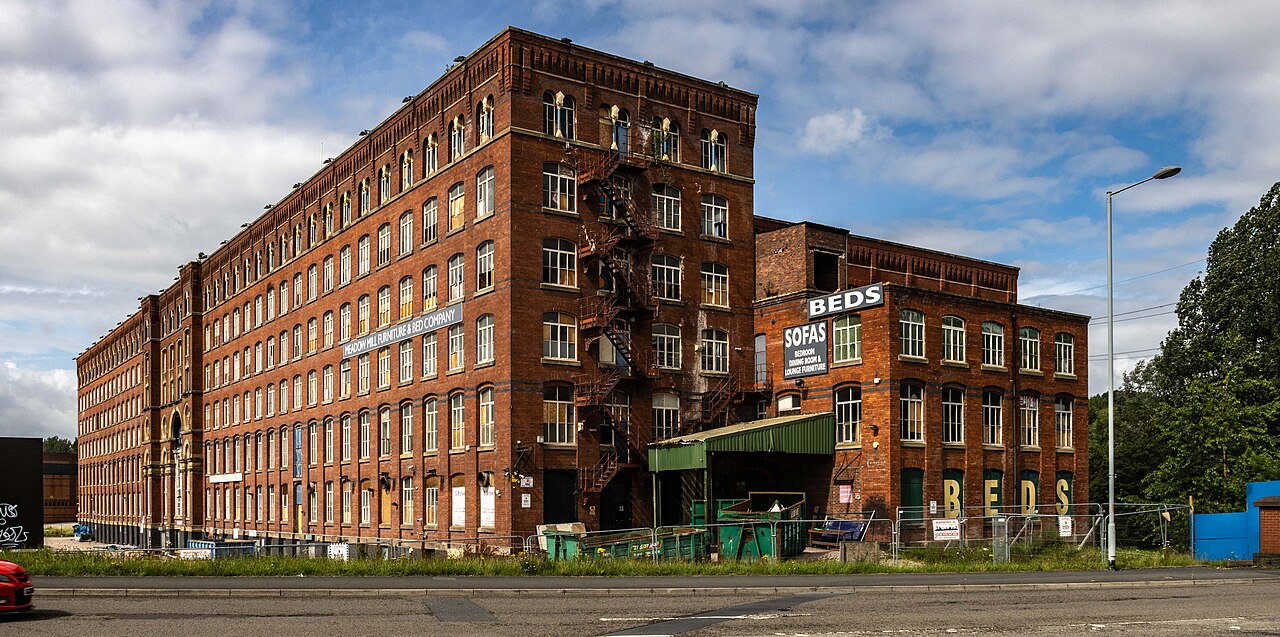
Use the OpenStreetMap location for Meadow Mill when planning the final approach, because the building's setting within Manchester determines the most convenient tram, bus, rail or walking route. Once nearby, choose public streets and viewpoints that let you see the main structure and its south-west wing. The wider city has extensive public transport and cycling routes, while the immediate approach should be treated as an urban industrial environment rather than a landscaped visitor site.
Checked 2026-08-26 · Source
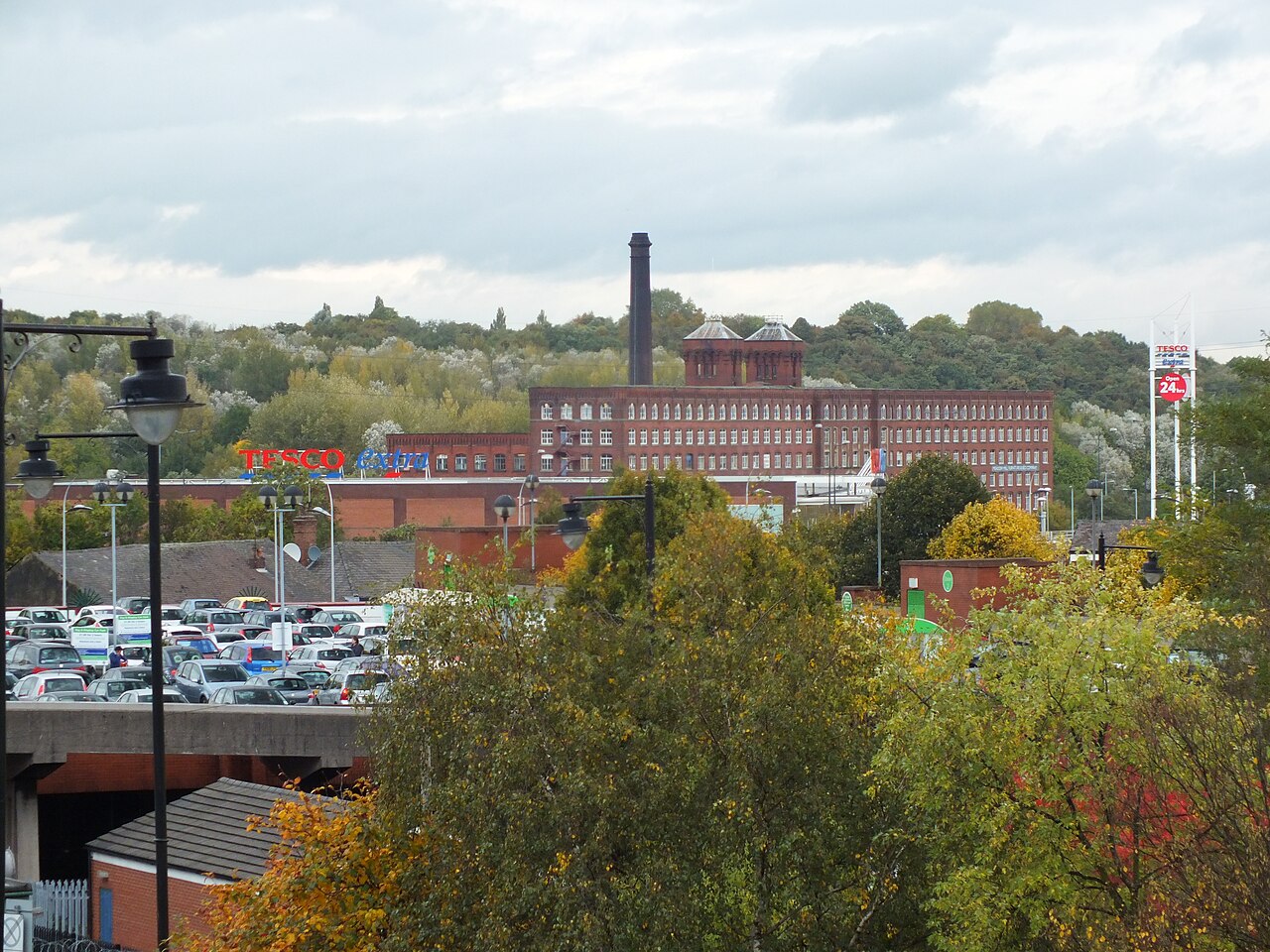
Respect boundaries, gates and signs because a historic mill may contain active commercial, residential or restricted areas. Stay on public routes, give vehicle access priority where needed, and avoid entering yards or doorways that are not clearly open to visitors. Uneven pavements, traffic and exposed weather are more relevant here than museum facilities. Bring suitable clothing and plan refreshments elsewhere unless your wider route already includes a café or shop.
Checked 2026-08-26 · Source
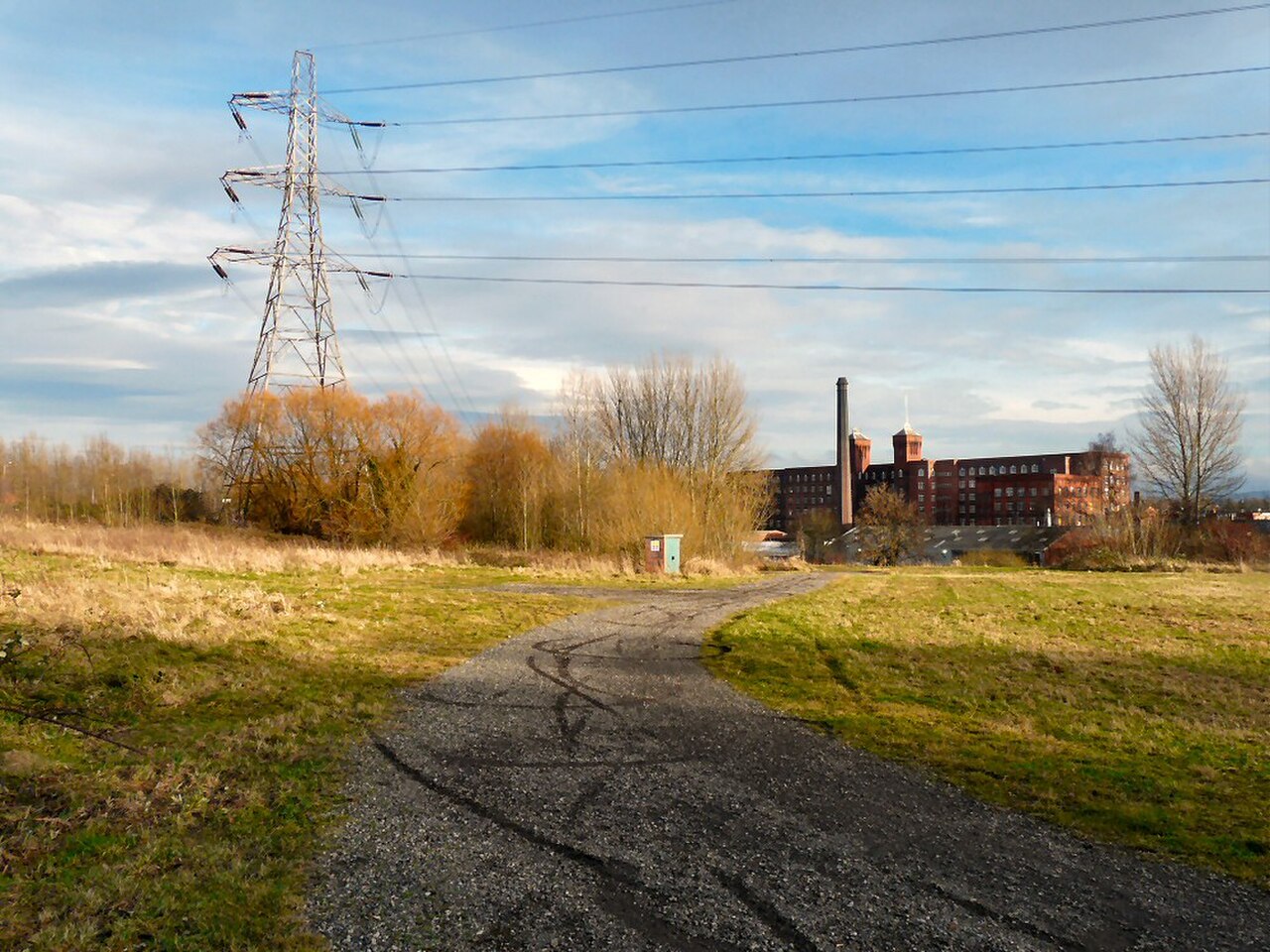
The tall south-west wing gives Meadow Mill a strong vertical subject. Step back on a public route to show the wing against the main mill and surrounding city, then move closer for brickwork, windows and changes in scale. Soft cloud can work well with industrial masonry, while low sunlight may emphasise texture. Keep tripods and cameras clear of pavements and entrances, and do not cross private boundaries for a better angle.
Checked 2026-08-26 · Source
Its most distinctive named feature is the tall wing extending to the south-west, which gives the industrial building a notable vertical profile.
Study the building's industrial scale, masonry, main mill form and the relationship between them and the tall south-west wing.
About thirty minutes suits a focused exterior visit; allow longer only if you are combining it with other industrial-heritage sights.
Visit in daylight so the building's height and architectural details are visible, with summer offering the longest useful daylight.
Use the mapped OpenStreetMap position to plan your public-transport or walking route, then view the mill from public streets near the building.
Exterior photography from suitable public viewpoints is the central photographic experience; keep clear of private land, entrances and vehicle routes.
Loading the interactive map…
The interactive map could not be loaded.
Last updated:
Source: OpenStreetMap contributors, Wikidata ·