
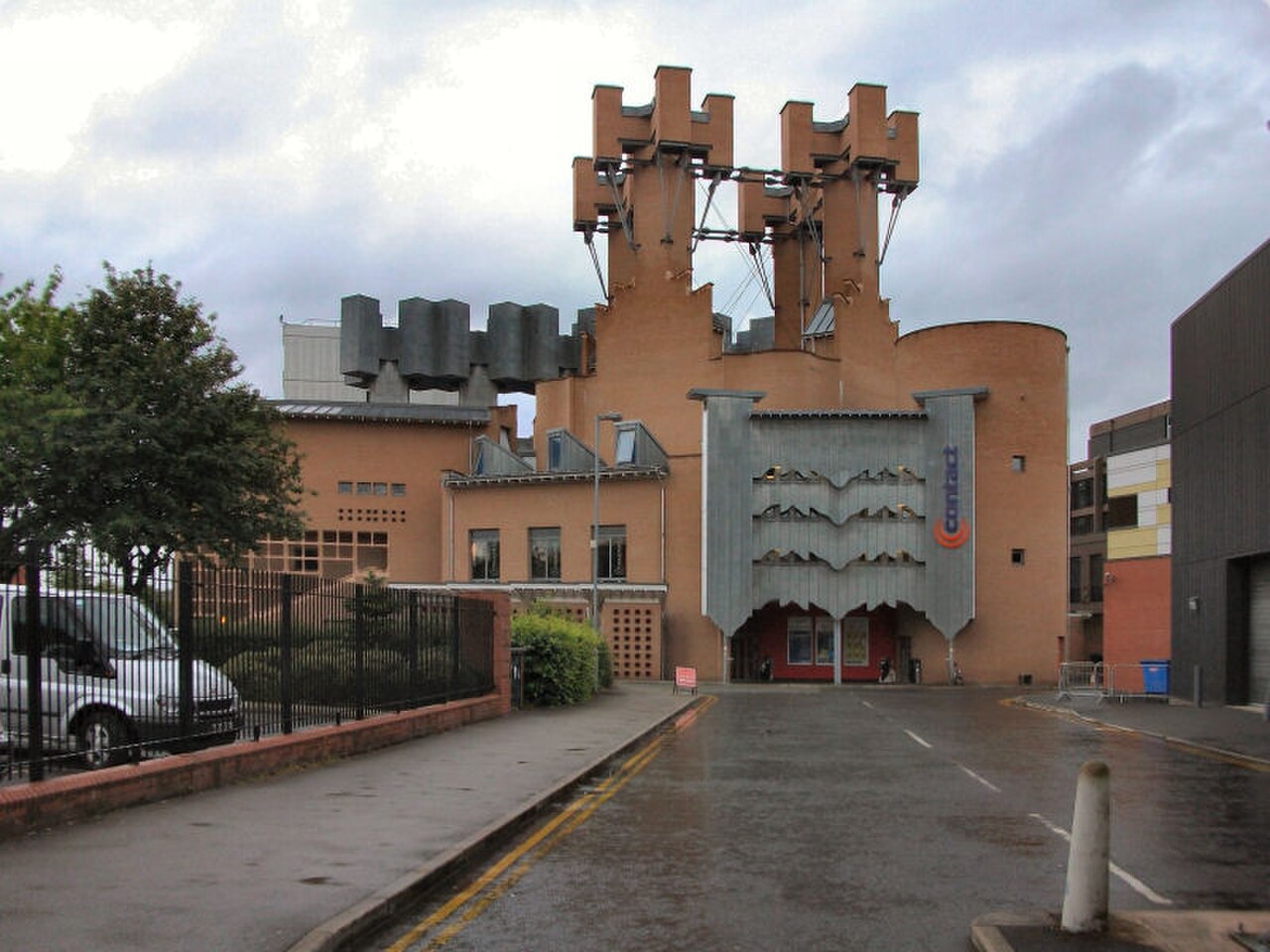
6 min walk
Contact Theatre
- Must see
- Art and culture venue
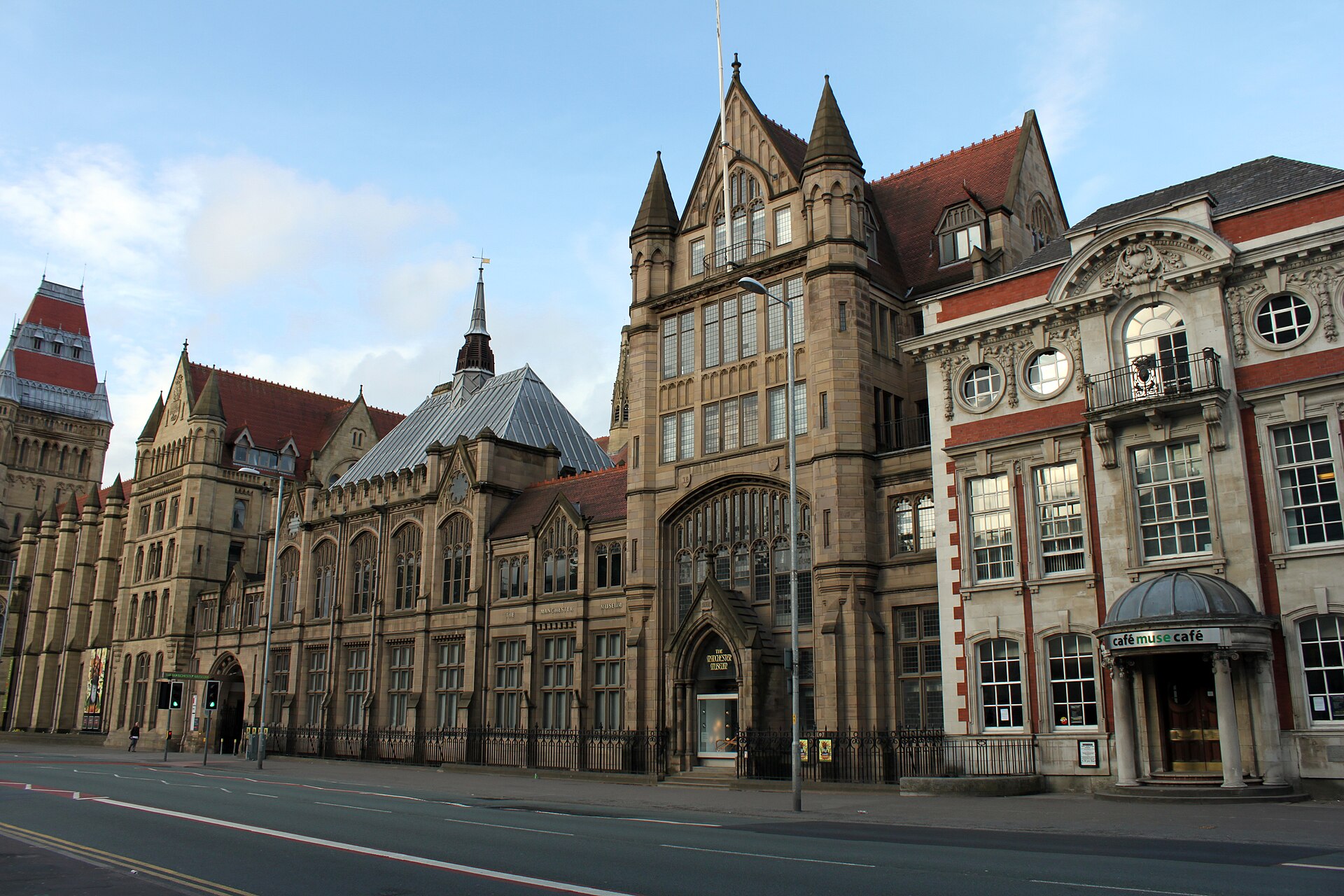
Museum · Manchester
The Manchester Museum
Closed today, Sunday. Next open Tuesday at 10:00 — the planner will not place a stop here on a Sunday.
Plan around it| Monday | Closed |
|---|---|
| Tuesday | 10:00 – 17:00 |
| Wednesday | 10:00 – 21:00 |
| Thursday | 10:00 – 17:00 |
| Friday | 10:00 – 17:00 |
| Saturday | 08:00 – 17:00 |
| Sunday | Closed |
| Sunday |
10:00 – 17:00
Valid 2026-08-01 – 2026-08-31 |
Checked 2026-08-26 · Source
| Per person | Free entry |
|---|
Checked 2026-08-26 · Source
Read from the OpenStreetMap access tags; anything not listed has no tag recorded.
Set the group type to family in the planner and the day window contracts to about three quarters of a solo day.
Manchester Museum is the University of Manchester’s museum of human cultures and the natural world, housed in its Oxford Road neo-Gothic building. The visitor offer changed substantially with the redevelopment completed in 2023: collections are now framed through community participation, research and questions about who interprets the past. This is not a single-subject natural-history museum. A visit can move from dinosaurs and living amphibians to archaeology, South Asian diaspora stories and contemporary research. That breadth is the reason a two-hour plan needs choices, and why the floor guide matters before climbing beyond the Main Hall.
Checked 2026-08-26 · Source
The ground floor holds Fossils and Dinosaurs, including Stan the Tyrannosaurus rex and April the Tenontosaurus. Floor 1 groups South Asia, Egypt and Sudan, Archaeology, Chinese Culture, Belonging and Living Worlds. Floor 2 contains Nature’s Library, the Vivarium, Collections Reimagined and the Research Studio; the Top Floor is a community-centred space rather than another conventional specimen gallery. The South Asia Gallery was co-curated with community members and organises its stories through themes such as movement, empire, lived environments and sound. The Vivarium displays live amphibians and reptiles alongside conservation work, so it needs a different pace from the object galleries.
Checked 2026-08-26 · Source
Set aside two hours, then choose one cultural sequence and one natural-history sequence. A balanced editorial route is forty minutes among fossils and dinosaurs, forty minutes across South Asia plus Egypt and Sudan, and thirty minutes for Nature’s Library or the Vivarium, leaving ten minutes for orientation and transitions. Trying to read every floor in that time turns the visit into stair-climbing. Families following children’s interests may spend most of the visit with Stan and the live animals; researchers may prefer the upper-floor displays. This duration is planning judgement, and a booked temporary exhibition needs additional time within its stated slot.
Checked 2026-08-26
Regular hours are Tuesday, Thursday, Friday and Sunday 10.00 to 17.00, Wednesday 10.00 to 21.00, and Saturday 08.00 to 17.00. Monday is normally closed but opens 10.00 to 17.00 during August. Saturday 08.00 to 10.00 is Quiet Time, with only Belonging, Archaeology, Egypt and Sudan, Chinese Culture, the shop and café available before the remaining galleries open at 10.00. Last admission is thirty minutes before closing. Wednesday evening suits adults wanting more reading time; Saturday Quiet Time suits visitors who accept the reduced early gallery set.
Checked 2026-08-26 · Source
Entry to the permanent galleries is free. The museum currently requires advance booking for its main temporary exhibition, so free general entry should not be confused with unrestricted access to that exhibition. The programme labels other activities as drop-in or book-online; use the event page rather than assuming a place from the admission policy. No general admission charge belongs in the practical table. For a short visit, booking a temporary show can displace an entire permanent floor, so decide before arrival whether the priority is Stan, South Asia, living species or the time-limited exhibition.
Checked 2026-08-26 · Source
The entrance is on Oxford Road at Manchester M13 9PL. The operator estimates a fourteen-minute walk from Oxford Road station, seventeen minutes from St Peter’s Square Metrolink and twenty-one minutes from Manchester Piccadilly, and lists frequent buses along the Oxford Road corridor. Those figures are the useful basis for planning; a car is unnecessary for most central stays. The museum is part of a busy university campus, so follow the museum frontage rather than entering an adjacent academic building. Cyclists can use the Oxford Road cycleway and campus stands. Allow extra crossing time because the bus and cycle lanes carry continuous traffic.
Checked 2026-08-26 · Source
Gallery availability is unusually important here. The museum has published upcoming closures for Egypt and Sudan, a Vivarium refurbishment from December 2026 into April 2027, and a later period when Stan will leave the Fossils Gallery. Those dated notices should be checked again rather than treated as permanent facts. Saturday’s early Quiet Time does not open the whole museum. Live-animal spaces demand calm movement, while the Main Hall and dinosaur displays can become congested with school and family groups. The building map identifies lifts, lockers, a quiet room, prayer room, Changing Places toilet and water points; use it instead of searching floor by floor.
Checked 2026-08-26 · Source
Stan is best photographed from the Main Hall at enough distance to show the skeleton’s scale against Waterhouse’s interior; a tight skull photograph loses that relationship. The South Asia Gallery rewards details and paired objects, while the Vivarium calls for patience because glass reflections and moving animals defeat hurried phone shots. This is editorial composition advice, not a permission policy. Keep flash off around live animals and sensitive objects as a conservative practice, do not block the bridges or the dinosaur route, and follow any temporary exhibition restriction. The exterior reads most clearly from across Oxford Road, where the full neo-Gothic frontage fits in one frame.
Checked 2026-08-26
No. From 08.00 to 10.00 the operator limits Quiet Time access to Belonging, Archaeology, Egypt and Sudan, Chinese Culture, the shop and café. The rest of the museum opens at 10.00.
Stan is in Fossils and Dinosaurs on the ground floor, alongside April the Tenontosaurus. The museum has announced a future 2027 absence for Stan, so anyone travelling specifically for the skeleton should check the current notice.
It is a permanent British Museum partnership gallery co-curated with community members. Its six themes combine historic material with South Asian and British Asian lived experience rather than presenting the region as a closed historical culture.
Two hours is the editorial baseline for two or three major areas. A complete floor-by-floor reading needs longer, especially if a booked temporary exhibition or the live-animal Vivarium is included.
Permanent galleries are free. The main temporary exhibition requires advance booking at the time checked, and individual events state whether they are drop-in or book-online.
The published floor guide marks lifts, lockers, a quiet room, prayer room, water, a Changing Places toilet and step-free café access. Gallery-specific closures can still alter routes, so check operational notices as well as the map.
Loading the interactive map…
The interactive map could not be loaded.


Last updated:
Source: OpenStreetMap contributors, Wikidata ·