
A photograph of Manchester

City guide · United Kingdom

Museums in Manchester, United Kingdom

Manchester has a compact city centre surrounded by distinct Greater Manchester towns and cultural districts. The civic core, Northern Quarter, Ancoats, Castlefi...

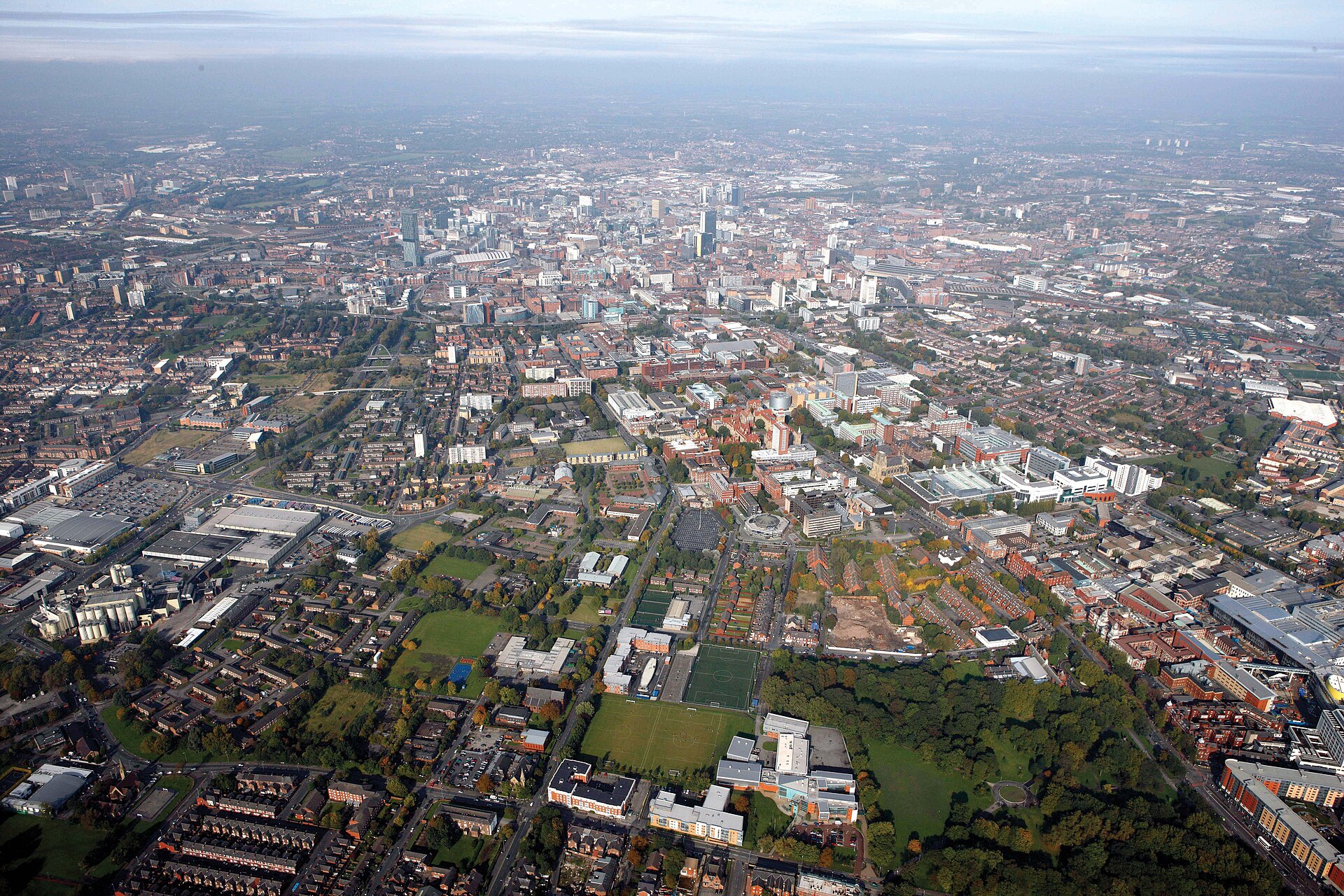
Photograph · Daniel Nisbet from Manchester, United Kingdom · CC BY 2.0

3,004 Places
Suggested stay
2-3 days
Getting around
Walking, Bee Network bus, tram and rail

Turn this list into a plan

Set your days, your pace and the hours you actually want to be out. The planner works around closing days and travel time, and leaves room to eat.

Plan Manchester

Reviewed by Elena Voss · Roavina Travel Editor

Manchester has a compact city centre surrounded by distinct Greater Manchester towns and cultural districts. The civic core, Northern Quarter, Ancoats, Castlefield and university corridor are linked by walkable streets, while Salford Quays and major football grounds require public transport. The Bee Network combines buses, trams and journey planning across the region. Keep the centre on foot and use tram or bus for each outer cluster.

Checked 2026-08-26

Practical information

Language spoken
English; Welsh is official in Wales
National practical orientation; regional and minority languages may also be used
Dialling code
+44
International calling code; local area and mobile prefixes still apply
Currency
Pound sterling (GBP)
Use the official local currency; card acceptance varies by place
Emergency number
999 or 112
Use only for an emergency; tourist assistance may use a separate number
Plug type
Type G · 230 V
Check that chargers support the recorded voltage before using an adapter
Tap water
Safe from the mains
Public water suppliers regulate mains drinking water; use cold mains taps

Planning a visit

September · September averages 16.85°C by day and 90.88 mm of rain in Greater Manchester, a manageable early-autumn trade-off.

  1. January: viable with meaningful trade-offs
  2. February: viable with meaningful trade-offs
  3. March: good time to visit
  4. April: good time to visit
  5. May: best time to visit
  6. June: best time to visit
  7. July: best time to visit
  8. August: best time to visit
  9. September: good time to visit — current month
  10. October: viable with meaningful trade-offs
  11. November: viable with meaningful trade-offs
  12. December: viable with meaningful trade-offs

Sources

Top things to see

Ranked by importance — sitelinks, pageviews and heritage status, not editor preference.

  1. Manchester Museum Manchester Museum
    02 2 hours

    Manchester Museum

    The Manchester Museum

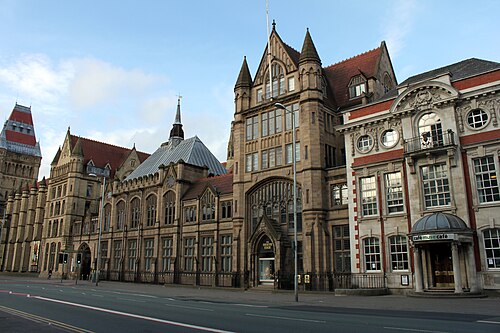
    Manchester Museum is the University of Manchester’s museum of human cultures and the natural world, housed in its Oxford Road neo-Gothic building.

    • Must see
    • Museum
  2. National Football Museum National Football Museum
    03 1 hr 30 min

    National Football Museum

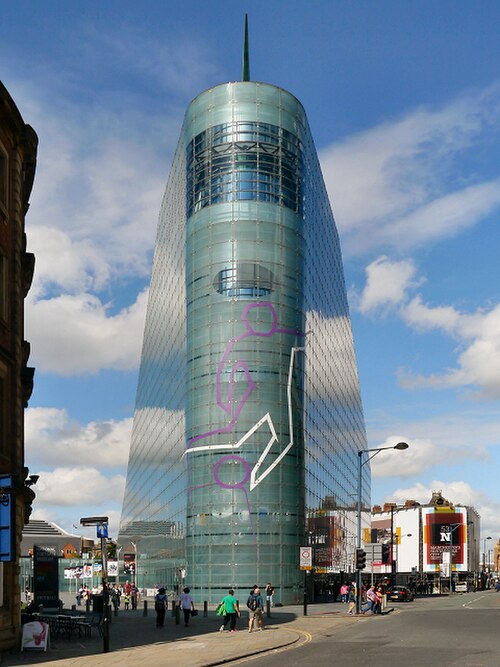
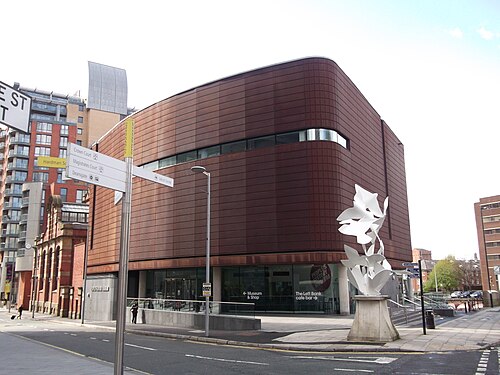
    National Football Museum uses four floors of the Urbis building at Cathedral Gardens to tell the history and culture of the English game. It is not organised by club allegiance.

    • Must see
    • Museum
  3. Manchester United Museum Manchester United Museum
    04 2 hr 10 min

    Manchester United Museum

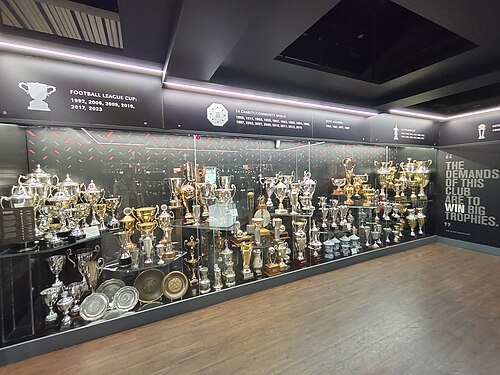
    Manchester United Museum is the historical half of Old Trafford’s combined Museum and Stadium Tour. The museum descends through three levels of club history before the guided route enters the working stadium.

    • Must see
    • Museum
  4. Imperial War Museum North Imperial War Museum North
    05 1 hr 30 min

    Imperial War Museum North

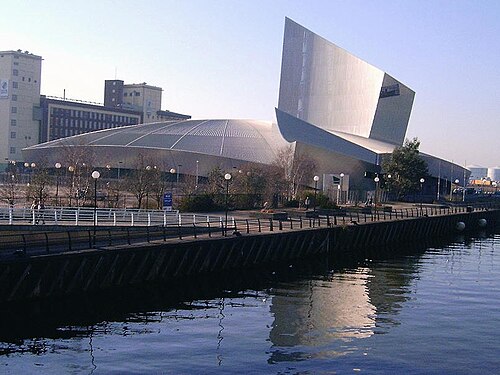
    IWM North is Imperial War Museums’ branch at Trafford Wharf, opened in 2002 as the family’s first museum outside south-east England.

    • Must see
    • Museum
  5. People's History Museum People's History Museum
    06 1 hr 30 min

    People's History Museum

    People’s History Museum calls itself the national museum of democracy and traces how people in Britain organised for political and social change.

    • Must see
    • Museum

Source: OpenStreetMap contributors, Wikidata ·

How the city is laid out

Piccadilly and Victoria stations mark the eastern and northern edges of the central visitor area. Between them sit the Northern Quarter, civic centre, Chinatown and the retail core; Ancoats continues east, while Castlefield and Deansgate extend southwest. The Oxford Road corridor leads south through universities and cultural venues. Salford Quays lies west as a separate waterfront district, and the football stadiums occupy different sides of the wider city-region. Do not plan those outer locations as short central walks.

Checked 2026-08-26

Getting around

Walk within the central districts, then use Bee Network buses and Metrolink trams for Salford Quays, stadiums and Greater Manchester towns. Transport for Greater Manchester provides an integrated journey planner, and contactless tap-and-go is available on buses and trams under the current network rules. Free city-centre buses connect major rail stations and central areas. Train services remain useful for some outer towns, so compare rail and tram before setting out.

Checked 2026-08-26

Common questions

How many days does Manchester need?

Two to three days suit a first visit. Use one day for the central districts, another for a chosen outer cluster, and add a third for football, Salford Quays or a wider Greater Manchester trip.

When is the best time to visit Manchester?

May through September offers longer daylight for canals and neighbourhood walks. Rain remains possible throughout the year, so keep indoor museums and galleries available as flexible blocks.

Is Manchester city centre walkable?

Yes. Piccadilly, the Northern Quarter, the civic core, Castlefield and Oxford Road form a compact central area. Use transit for Salford Quays, the stadiums and outer Greater Manchester towns.

How does contactless travel work in Manchester?

Bee Network buses and Metrolink trams support contactless travel under the operator’s current rules. On trams, follow the official tap-in and tap-out instructions and use the same card or device.

Are the two major football grounds close together?

No. Old Trafford and the Etihad Stadium sit in different parts of the city-region and use different transport corridors. Plan each as a separate destination rather than combining them as a central walking route.