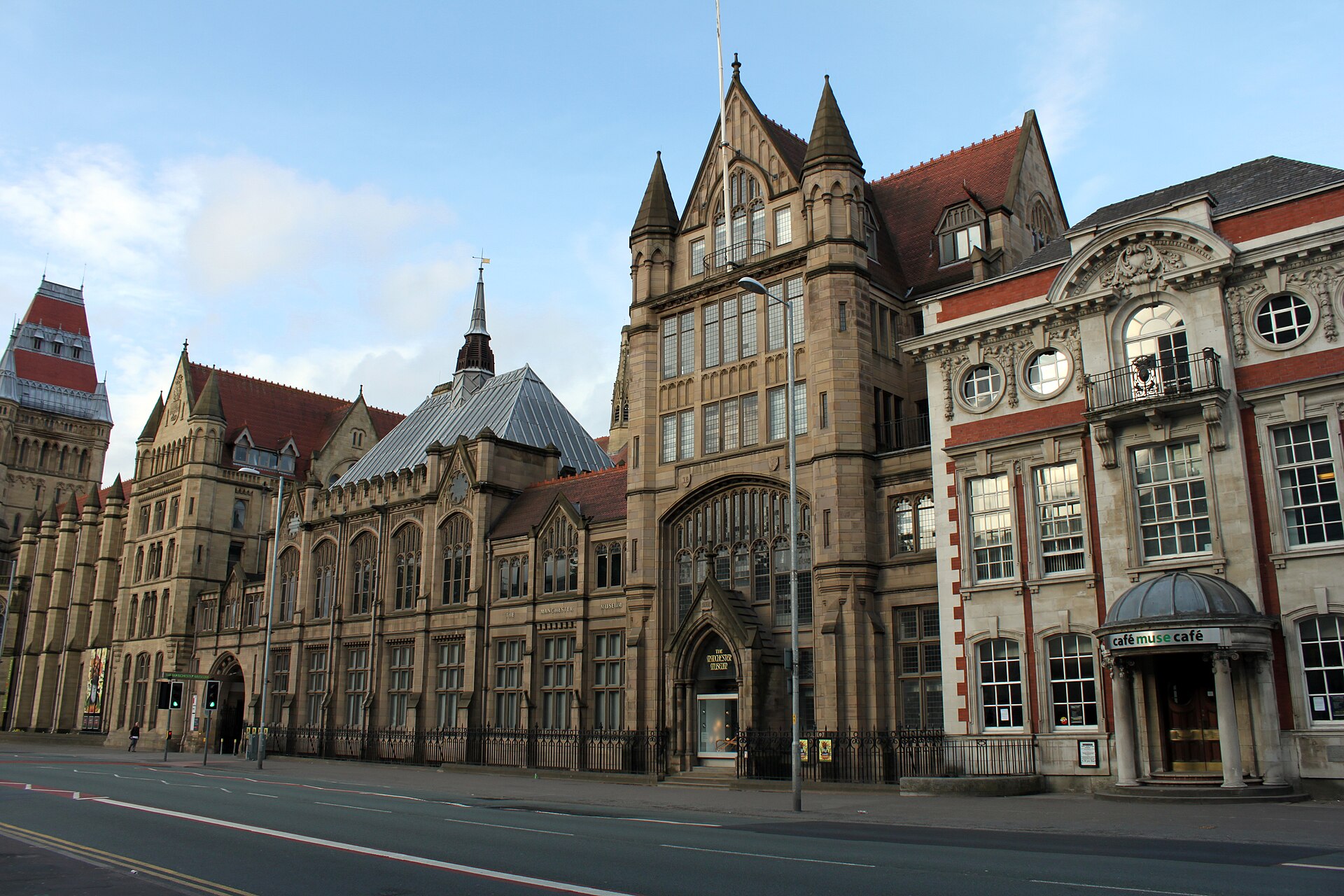
4 min walk
Manchester Museum
- Must see
- Museum
Museum · Manchester
The RNCM Collection of Historic Musical Instruments is a specialist collection at the Royal Northern College of Music in Manchester. It connects the history of instrument making with the working life of a modern conservatoire, giving visitors a focused cultural experience rather than a general museum tour. Historical instruments reveal how materials, design and performance practice changed over time. The collection is especially rewarding for musicians, music students and travellers who enjoy seeing the physical objects behind familiar musical traditions. The RNCM Collection of Historic Musical Instruments is a specialist museum holding housed within the Royal Northern College of Music in Manchester. It preserves and displays a significant assembly of historical musical instruments spanning multiple centuries and geographical origins. The collection serves as both a public visitor attraction and an academic research resource for the conservatoire. Its existence reflects Manchester's substantial musical heritage and the institution's commitment to historical performance practice and instrument study. The entry-specific source identifies this exact visitor POI. Public access is indicated, though specific arrangements require direct confirmation from RNCM given the collection's location within an active educational institution.
Checked 2026-08-26 · Source
The collection includes historic instruments from families such as keyboards, strings, winds and brass. Each object can be read as both a musical tool and a piece of craft: shape, materials and construction show how makers responded to changing musical demands. The displays help visitors understand the development of sound production and performance across different periods. The collection’s academic setting adds depth because instrument history is relevant to performance, teaching, research and the preservation of musical knowledge.
Checked 2026-08-26 · Source
Allow about one to two hours for the RNCM instrument collection. Visitors with a particular interest in keyboard design, historical performance or instrument craftsmanship may spend longer with individual displays. A shorter visit still gives time to understand the main instrument families and the collection’s role within the college. The collection works well as a concentrated stop before or after a concert, and its specialist subject rewards attention rather than hurried sightseeing.
Checked 2026-08-26 · Source
Plan the collection alongside the Royal Northern College of Music’s wider cultural activity. A daytime visit suits visitors who want quiet attention to the instruments, while a concert or academic event can give the collection a stronger musical context. Because the displays sit within an active conservatoire, the atmosphere may change when students, performers and audiences are using the building. The collection is an indoor Manchester attraction and can be paired with other Oxford Road museums and cultural venues.
Checked 2026-08-26 · Source
The RNCM collection is best understood as a public-facing specialist display within a music college. A visit gives access to historic instruments and the ideas surrounding them, while concerts and other college activities form separate experiences. Plan enough time to move slowly through the displays and read the context around the objects. The collection is particularly suitable for visitors who want a museum stop connected directly with live musical education and performance rather than a large general-history institution.
Checked 2026-08-26 · Source
The Royal Northern College of Music is on Oxford Road in Manchester’s southern city-centre corridor. Manchester Oxford Road railway station is within walking distance, and frequent buses use Oxford Road. St Peter’s Square provides a nearby Metrolink connection with an onward walk or bus journey. The location is convenient to combine with the University of Manchester, Manchester Museum and other Oxford Road attractions. Walking and public transport are more practical than driving through the central corridor, where traffic and parking can be limiting.
Checked 2026-08-26 · Source
The collection is part of an active conservatoire, so visitors should behave quietly near teaching, practice and performance areas. Instruments are fragile historical objects: do not touch displays or lean equipment against cases. Displays can change as objects are used for conservation, research or teaching. The academic setting also means that a busy event day may feel different from a quiet museum visit. Combine the collection with a concert only if you want a fuller RNCM experience built around music.
Checked 2026-08-26 · Source
Photograph historic instruments without flash and keep a respectful distance from cases and delicate surfaces. Individual displays may have different rules, particularly where an instrument is rare, fragile or connected with research and conservation. Photography should never interrupt teaching, rehearsal or movement through the college. The instruments’ shapes, keyboards, strings, valves and decorative details provide strong visual subjects, but the collection is best recorded through careful observation rather than close handling or intrusive equipment.
Checked 2026-08-26 · Source
The collection includes historic keyboards, strings, winds and brass, showing changes in musical design and performance.
It is housed at the Royal Northern College of Music on Oxford Road in Manchester.
Allow about one to two hours, depending on how closely you study individual instruments and displays.
Yes. The collection is housed within the Royal Northern College of Music, an active conservatoire in Manchester.
Yes. Its Oxford Road location combines well with Manchester Museum, the University of Manchester and nearby cultural venues.
The instruments show how craftsmanship, materials, design and performance practice changed across different musical periods.
Loading the interactive map…
The interactive map could not be loaded.
Last updated:
Source: OpenStreetMap contributors, Wikidata ·