
4 min walk
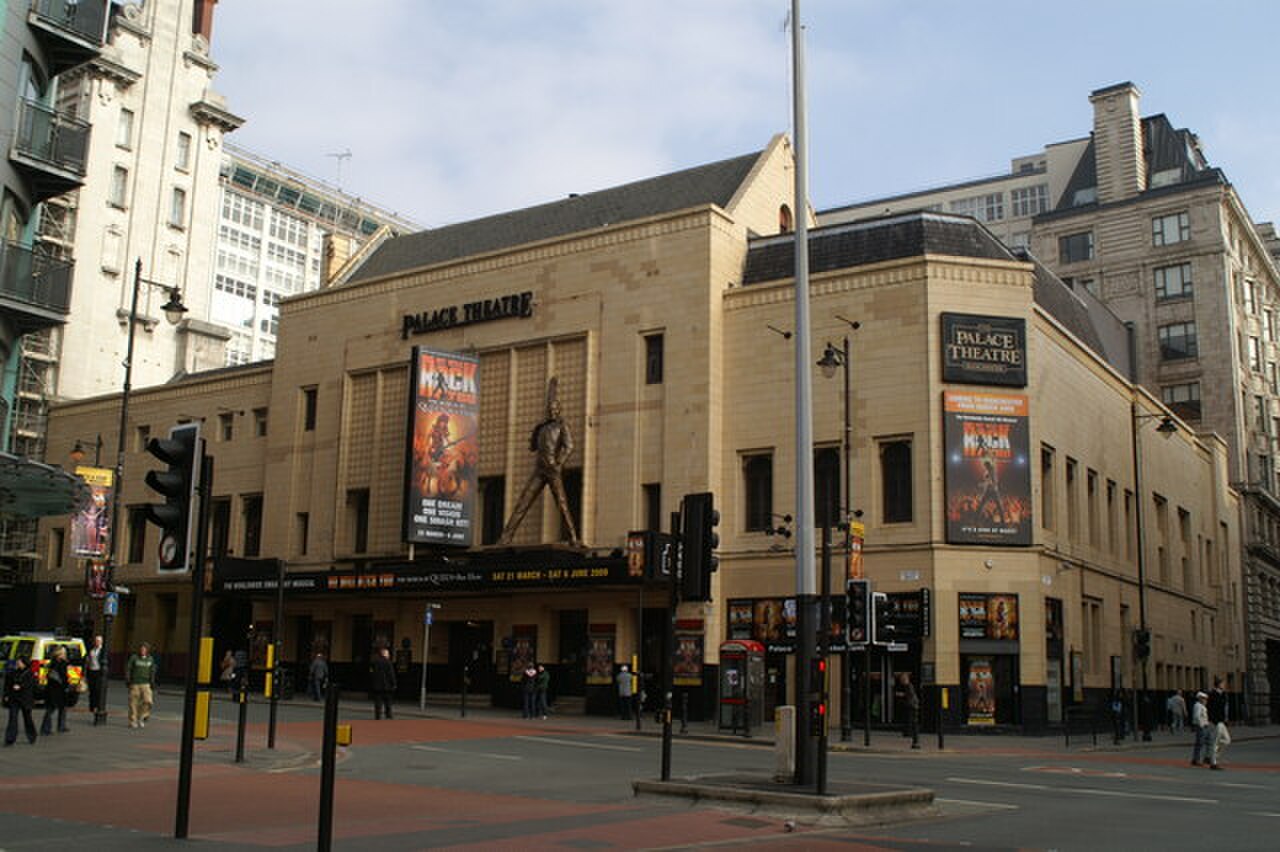
Palace Theatre
- Must see · Heritage site
- Art and culture venue

Museum · Manchester
Special Collections Museum
Manchester Metropolitan University Special Collections is a museum and research facility operated by Manchester Metropolitan University. Known locally as the Special Collections Museum, it preserves distinctive archival and printed materials for study and public engagement. This is a destination for travellers drawn to books, documents and institutional history rather than a conventional gallery of large objects. Its academic setting gives the visit a quieter, research-focused character within Manchester's university district. Known locally as the Special Collections Museum, it preserves and provides access to distinctive archival and printed collections. The institution serves both academic researchers and public visitors interested in historical materials. Contact the institution directly to determine whether advance booking or appointment is required for your intended visit purpose.
Checked 2026-08-26 · Source
The collections include heritage materials such as rare books, manuscripts and archives, with printed and documentary material supporting research and education. The interest lies in the evidence preserved in individual items and the stories that emerge from reading them in context. Visitors should approach the museum as a place for close attention rather than a large-scale attraction. Collection strengths connect institutional and regional history with broader subjects represented in the holdings. The Special Collections holds diverse materials supporting research and education. As a university special collections unit, it typically encompasses rare books, manuscripts, archives, and other heritage materials relevant to institutional and regional history. Visitors should consult the institution directly or refer to Wikidata entry Q116738936 for potential supplementary information about collection strengths and notable holdings before planning a research visit. The entry-specific source identifies this exact visitor POI. Its position follows the curated visitor-priority order rather than the natural OSM score.
Checked 2026-08-26 · Source
A casual visit focused on displayed materials can be brief, while research into particular books, manuscripts or archives may take much longer. Give yourself at least enough time to read labels and understand the significance of the materials rather than passing through quickly. Researchers may need extended sessions for detailed consultation. The best pace depends on whether you are exploring Manchester's documentary heritage or pursuing a specific question in the collections. The duration of a visit to Manchester Metropolitan University Special Collections depends entirely on individual research needs and interests.
Checked 2026-08-26 · Source
This special collections museum suits a planned cultural visit, especially for travellers interested in archives, rare books and the history of learning. Academic facilities can have a more structured rhythm than public museums, so build the stop around the purpose of your visit. A weekday visit fits naturally with the university setting and nearby city attractions. Allow extra flexibility if you want to study particular materials rather than only view exhibitions.
Checked 2026-08-26 · Source
The main attraction is access to archival and printed heritage within a university museum setting. Plan your visit around the materials and the time needed to read or study them, rather than around a large public-museum circuit. Researchers should distinguish between viewing displays and working with collection items, since the latter can require a more deliberate visit. Rare books, manuscripts and archives give the museum its value and make it especially relevant to curious, research-minded travellers.
Checked 2026-08-26 · Source
The facility is located within Manchester Metropolitan University's university district. Manchester's bus, tram and rail networks serve the wider central area, and the university setting makes the destination suitable for a city-centre cultural itinerary. Use the mapped location to plan the final walk through the campus area. The stop combines well with nearby academic and central Manchester attractions, particularly for visitors who enjoy building a day around museums, libraries and historic documents.
Checked 2026-08-26 · Source
Special collections require careful behaviour because books, manuscripts and archives can be fragile or unique. Reading-room visits may involve registration, identification, bag restrictions, handling rules and supports for documents. Food and drink do not belong near collection materials. Follow staff instructions closely, keep pages and objects supported, and allow time for a calm visit. The atmosphere is more scholarly than interactive, so the museum rewards patience and attention rather than hurried sightseeing.
Checked 2026-08-26 · Source
Photographic interest comes from rare books, manuscripts, archival documents and the details of their bindings, pages or marks of use. Collection materials may have restrictions connected with preservation, copyright or reproduction, so follow the rules for the specific item. Flash is unsuitable around fragile heritage materials. Photograph architectural or display details only where permitted, and keep the research environment quiet. The strongest record of the visit often comes from careful observation rather than extensive camera use.
Checked 2026-08-26 · Source
It is a university museum and research facility preserving archival, printed and documentary heritage materials.
The collections include rare books, manuscripts, archives and other printed or documentary materials connected with research and education.
A display-focused visit can be brief, while detailed study of books, manuscripts or archives may require a much longer session.
The facility is operated by Manchester Metropolitan University.
Handle materials carefully, follow reading-room rules, keep food and drink away, and use any required supports for fragile documents.
They offer a close look at rare books, manuscripts and archives, giving Manchester's academic and regional history a tangible form.
Loading the interactive map…
The interactive map could not be loaded.
Last updated:
Source: OpenStreetMap contributors, Wikidata ·