
14 min walk
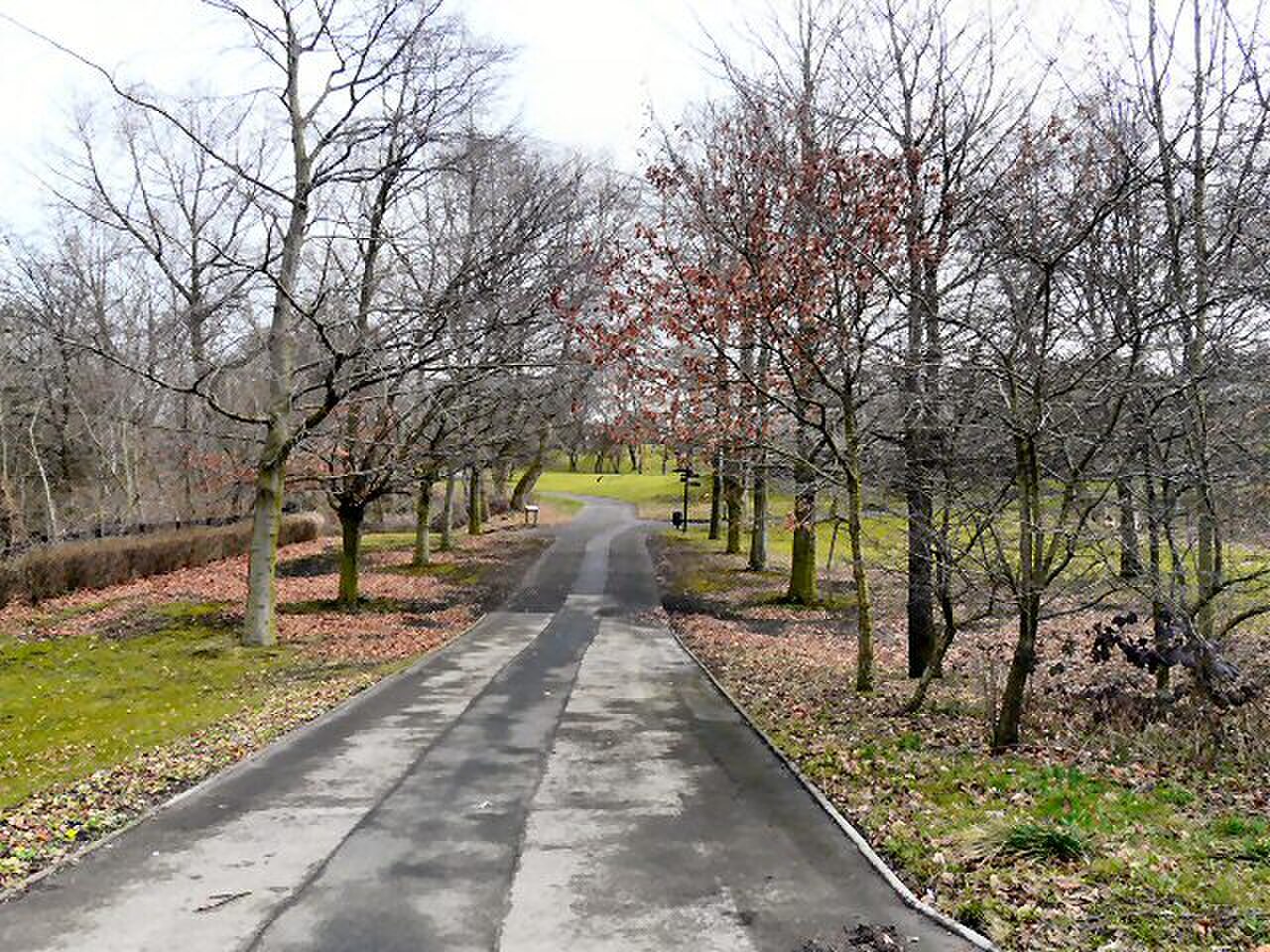
Philips Park
- High · Heritage site
- Nature site
Museum · Manchester
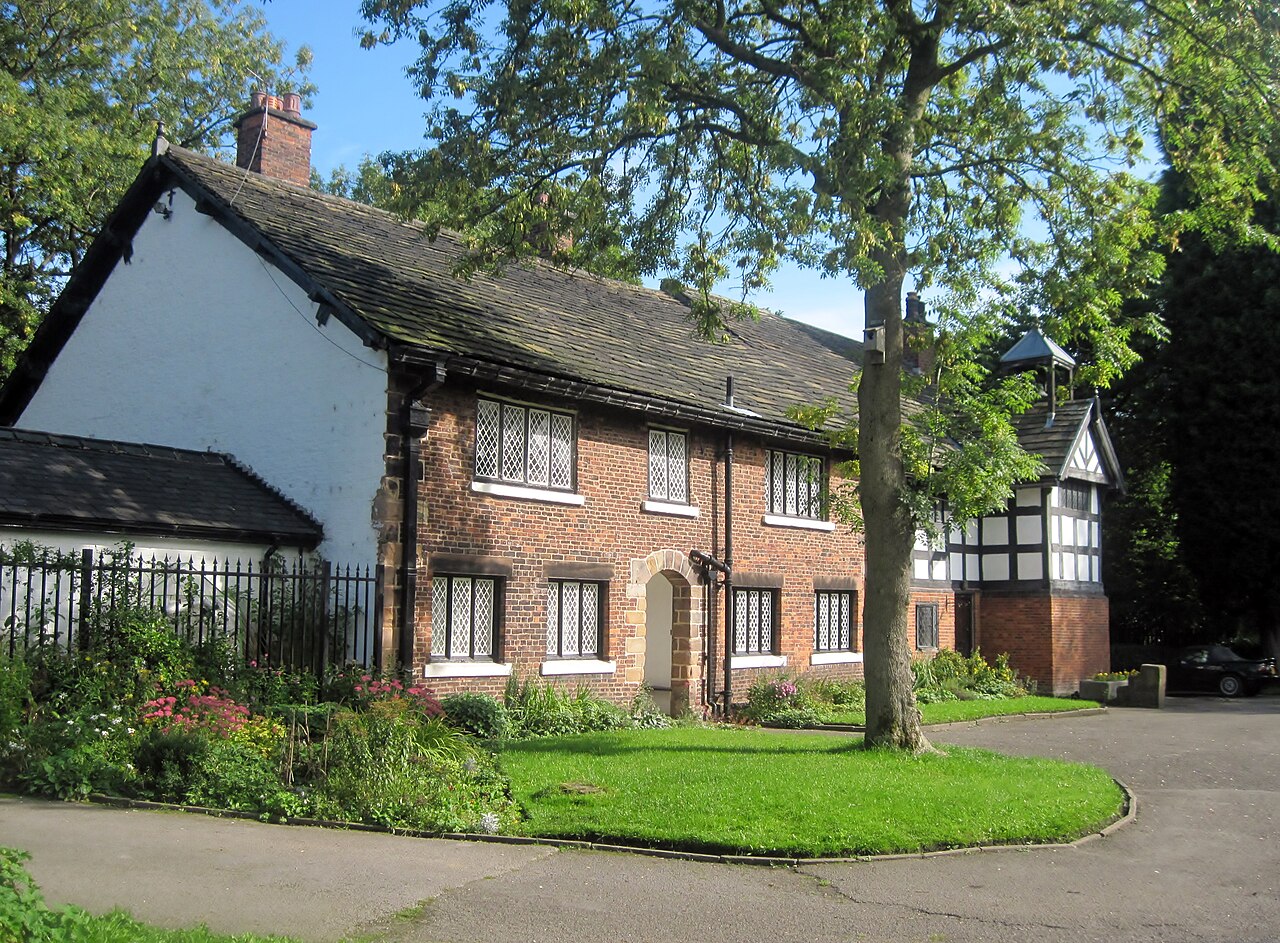
Clayton Hall
Clayton Hall Living History Museum presents Manchester’s historic Clayton Hall as an immersive heritage experience. Rather than viewing a modern gallery, visitors explore a preserved manor house through period rooms, recreated domestic settings and interpreters in historical costume. The living-history format brings past routines, crafts and social customs into the building itself. It is a good fit for travellers who prefer characterful architecture and human storytelling to a conventional display of objects behind glass. Clayton Hall is a living history museum located in Manchester, England. The site preserves a historic manor house and presents historical interpretation to visitors. As a living history museum, it employs costumed interpreters and recreated historical environments to engage the public with the past. The museum operates within a preserved heritage building, offering an immersive educational experience. The entry follows curated visitor-priority order rather than natural OSM score.
Checked 2026-08-26 · Source
The experience centres on furnished historic interiors and rooms presented through interpretation. Costumed characters demonstrate aspects of earlier domestic life, including crafts, everyday practices and social customs. The exact emphasis can change with the people and activities present on a particular opening day, which is part of the living-history approach. Expect a heritage building where atmosphere, conversation and recreated scenes matter as much as the physical collection. The visit is immersive, personal and tied closely to the hall’s historic setting.
Checked 2026-08-26 · Source
Allow at least an hour for a meaningful first visit, and more time when demonstrations or conversations with interpreters are part of the day. Moving through period rooms is only one part of the experience; the explanations and recreated activities reward visitors who pause and engage. Travellers with a tight schedule can focus on the principal interiors, while families and history enthusiasts may comfortably make this a longer stop. The pace is shaped by the building and the activities taking place.
Checked 2026-08-26 · Source
Choose a day when the museum is open and when you have enough time to engage with the living-history format rather than only crossing the rooms. Weekend and school-holiday periods can suit families seeking an interactive heritage outing. Weather matters when travelling to Clayton Hall and for any activity outside the main interiors. The character of the visit comes from the interpreters and demonstrations, so the experience is strongest when you are prepared to pause, listen and take part in the atmosphere.
Checked 2026-08-26 · Source
Clayton Hall is visited as a heritage museum within a historic manor house, with the day built around period rooms, interpretation and living-history activity. It does not have the feel of a large commercial attraction with a long sequence of galleries. Make room in the itinerary for the quality of the interaction and the pace of the building. Any spending connected with travel, food or other Manchester sights belongs to the wider day rather than to the character of the hall itself.
Checked 2026-08-26 · Source
Clayton Hall is a Manchester heritage destination reached through the city’s wider bus and Metrolink network. Plan the journey as a trip toward the Clayton area, then continue on foot to the historic hall. A mapping route is useful for the final approach because the site is outside the compact central sightseeing cluster. Travellers arriving by car or bicycle should account for the local street layout and the time needed to reach the building from the nearest convenient stopping point.
Checked 2026-08-26 · Source
Clayton Hall is an old building, so uneven floors, narrow doorways, stairs and period lighting form part of the physical experience. Historic rooms may feel less spacious than modern museum galleries. Demonstrations involving tools, heat or other traditional activities require visitors to give interpreters room and follow directions. Costumed interpreters are performing within the setting, so interact respectfully and avoid interrupting a demonstration. The preserved character of the hall brings atmosphere, but it also means contemporary comfort features may be limited.
Checked 2026-08-26 · Source
Period rooms, furnished interiors and costumed interpretation offer photographs with a strong sense of place. Focus on architectural details, household objects and the contrast between the old building and the surrounding modern city. Keep flash away from delicate interiors when signs or staff request it, and give interpreters space while they work. If other visitors or costumed participants are in a scene, be considerate before making a close portrait. Photography works best here when it supports the atmosphere rather than interrupting it.
Checked 2026-08-26 · Source
It is a living-history museum in a historic manor house, using period rooms, recreated settings and costumed interpretation.
Visitors can explore furnished historic interiors and engage with demonstrations, crafts and explanations connected with earlier domestic life.
Its living-history approach, period rooms and demonstrations create an interactive heritage experience that can suit families interested in the past.
Allow at least an hour, with additional time when demonstrations and conversations with interpreters are part of the visit.
The museum places visitors inside a historic manor house and uses costumed interpreters and recreated activities to bring the setting to life.
Expect historic rooms, uneven floors, narrow doorways, stairs and period lighting, with the preserved building forming an important part of the visit.
Loading the interactive map…
The interactive map could not be loaded.
Last updated:
Source: OpenStreetMap contributors, Wikidata ·