
11 min walk
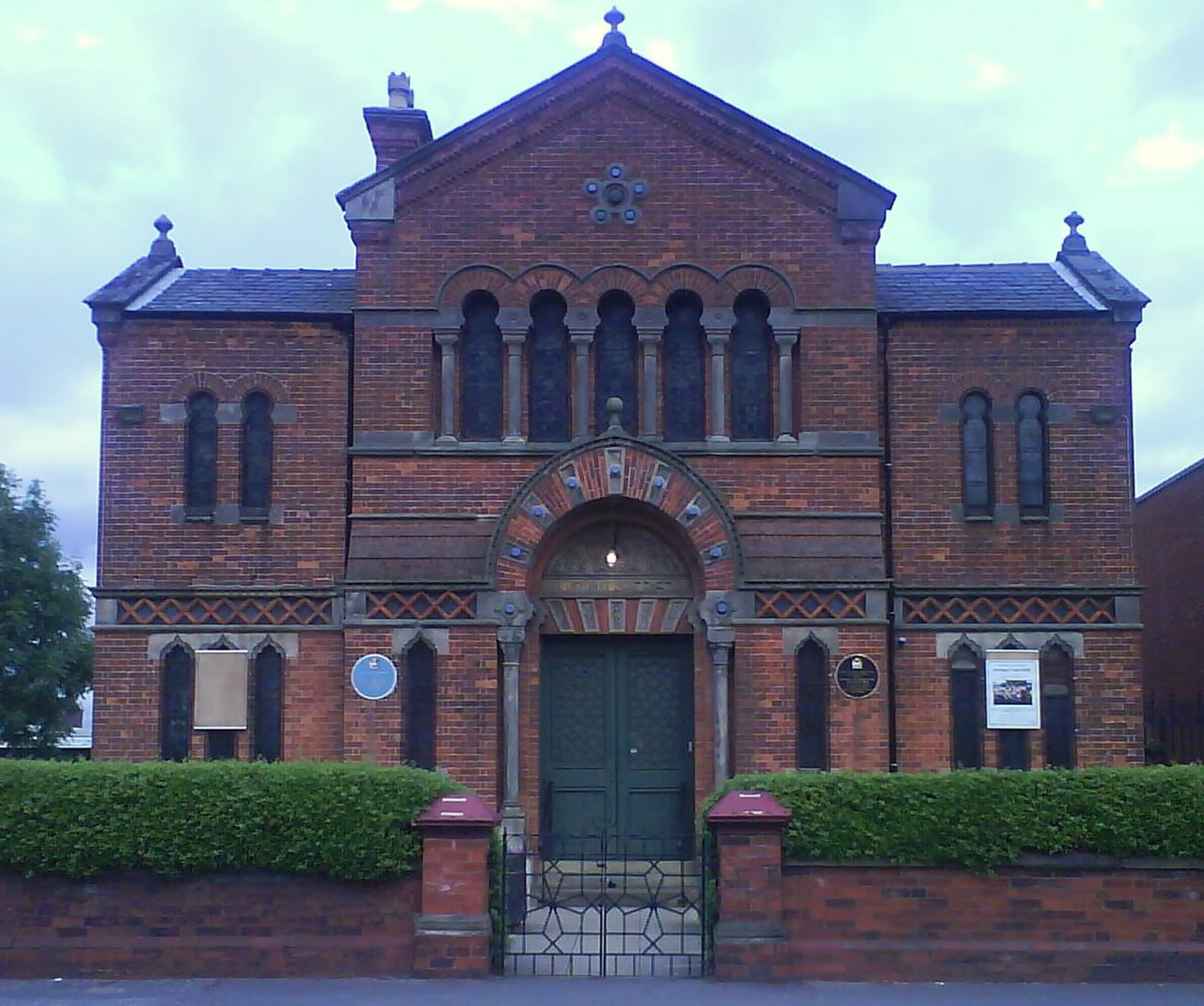
Manchester Jewish Museum
- Must see · Heritage site
- Museum
Museum · Manchester
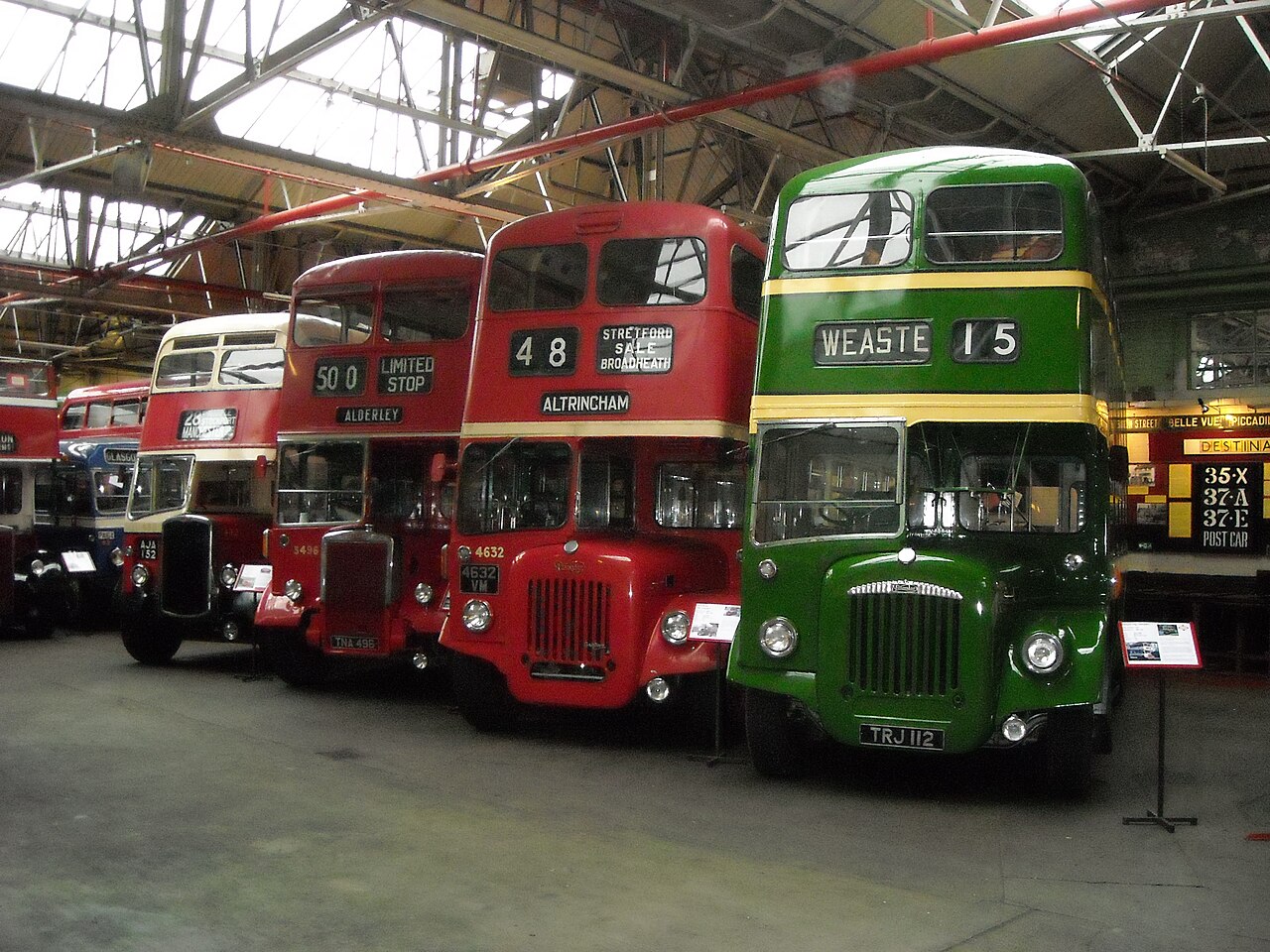
Museum of Transport Greater Manchester
Closed today, Monday. Next open Wednesday at 10:00 — the planner will not place a stop here on a Monday.
Plan around it| Monday | Closed |
|---|---|
| Tuesday | Closed |
| Wednesday | 10:00 – 16:30 |
| Thursday | Closed |
| Friday | Closed |
| Saturday | 10:00 – 16:30 |
| Sunday | 10:00 – 16:30 |
Checked 2026-08-31 · Source
| Per person | £7.50 |
|---|
Checked 2026-08-31 · Source
Read from the OpenStreetMap access tags; anything not listed has no tag recorded.
Set the group type to family in the planner and the day window contracts to about three quarters of a solo day.
Museum of Transport, Greater Manchester is a heritage museum devoted to public transport in the Greater Manchester region. Its collection preserves buses, trams and other vehicles that served local communities across different periods. The museum is useful for travellers who want to see how urban movement shaped everyday life, rather than only viewing famous landmarks. Vehicles provide a direct connection with industrial heritage, municipal services, regional operators and changing passenger needs. The visit works particularly well for anyone interested in engineering, social history, restoration or the story of how Manchester’s conurbation travelled. Direct contact is essential before visiting.
Checked 2026-08-26 · Source
The collection centres on preserved buses and related transport vehicles from several eras of Greater Manchester’s public transport history. Visitors can compare vehicle designs, construction methods and passenger arrangements while considering the routes and communities these machines served. Supporting material places the vehicles within the work of municipal and regional operators. The experience is vehicle-focused, so look closely at practical details: body shape, seating, access points and the relationship between technology and passenger needs. Interpretive displays accompany the main objects where present, helping turn a line of historic vehicles into a story about regional life.
Checked 2026-08-26 · Source
Allow about one to two hours for a general visit. That is enough time to move through a vehicle-focused collection and compare buses and related exhibits without making the museum feel rushed. Transport enthusiasts, restoration-minded visitors and people with personal connections to Greater Manchester’s routes may want longer to study individual vehicles and supporting material. The museum’s focused scale makes it easier to fit into a wider day than a large national collection. Families and groups may move at a different pace, especially when several visitors want to inspect the same vehicle together.
Checked 2026-08-26 · Source
Heritage transport museums can use restricted opening patterns, seasonal days and special running events, which makes the timing of this visit important. A dedicated museum day gives you space to examine the collection, while a wider Manchester itinerary benefits from placing the visit alongside other regional-history activities. If an event includes vehicles in operation, the atmosphere may differ from a quiet display visit. Allow additional time when the museum is part of a group outing, because buses and trams naturally invite conversation, comparison and repeated stops at favourite exhibits.
Checked 2026-08-26 · Source
The exact admission arrangement for Museum of Transport, Greater Manchester is not included in this guide. The collection’s value is clear even without assigning an unverified charge: it preserves regional buses, trams and the history of public transport that connected Greater Manchester communities. Plan the visit as a heritage attraction and leave enough time for the vehicle displays. Group visits may take longer because transport history encourages discussion. A vehicle museum can also complement Manchester’s industrial story by showing the everyday infrastructure that made work, shopping and social life possible.
Checked 2026-08-26 · Source
The museum is within the Greater Manchester conurbation and is served by the region’s wider public transport network, including bus services connecting the museum area with Manchester and surrounding districts. Transport for Greater Manchester resources are useful for shaping the journey from your starting point. Public transport fits the subject of the visit especially well: arriving by bus places the preserved vehicles in the context of the living network they represent.
Checked 2026-08-26 · Source
Historic vehicles can have steps, narrow entrances and restricted internal space, while older museum buildings may include uneven flooring or areas with limited mobility accommodation. Treat every vehicle as a preserved object as well as a machine, and supervise children near maintained or operational exhibits. Outdoor activities can be affected by Manchester weather. Visitors with mobility requirements should plan around the possibility that not every part of a bus or tram is easy to enter. The museum is most enjoyable when you allow time to look closely without blocking access for other visitors.
Checked 2026-08-26 · Source
The preserved buses, trams and other vehicles offer strong subjects for photographs because their shapes, interiors and construction details reveal how public transport changed over time. Photograph respectfully and follow any instructions inside the museum or around vehicles. Flash, tripods and filming can affect other visitors or the care of exhibits, so keep equipment unobtrusive. Commercial photography may require separate permission. Focus on details that tell the regional story: route-related design, passenger seating, driver areas, exterior lettering and the contrast between older vehicles and the transport network Manchester uses today.
Checked 2026-08-26 · Source
The collection includes preserved buses, trams and related transport vehicles from different eras of Greater Manchester’s public transport history.
Plan for about one to two hours, with extra time for detailed vehicle study, restoration interest, family discussion or a special transport event.
It shows how public transport developed across Greater Manchester, connecting vehicle design and regional operators with changing passenger needs and everyday urban life.
Bus services connect the museum area with Manchester and surrounding districts, and Transport for Greater Manchester resources can help plan the journey.
Historic vehicles may have steps, narrow entrances and restricted internal space, while some areas may have uneven flooring. Plan for different access conditions across the collection.
Visitors can compare vehicle design, construction, seating and regional service history while seeing the buses and trams that connected Greater Manchester communities.
Loading the interactive map…
The interactive map could not be loaded.
Last updated:
Source: OpenStreetMap contributors, Wikidata ·