Manchester Art Gallery
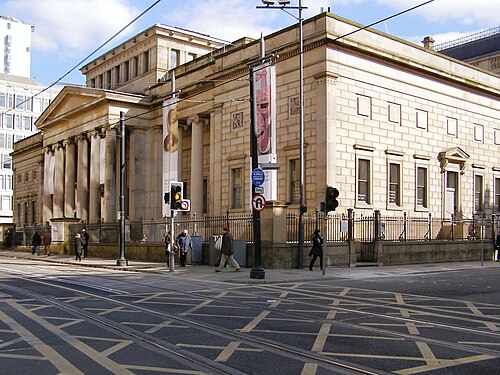
Manchester Art Gallery grew from the Royal Manchester Institution, whose fine-art holdings transferred to the new municipal gallery in 1882.
- Must see
- Art and culture venue
Language · 11 published
City guide · United Kingdom
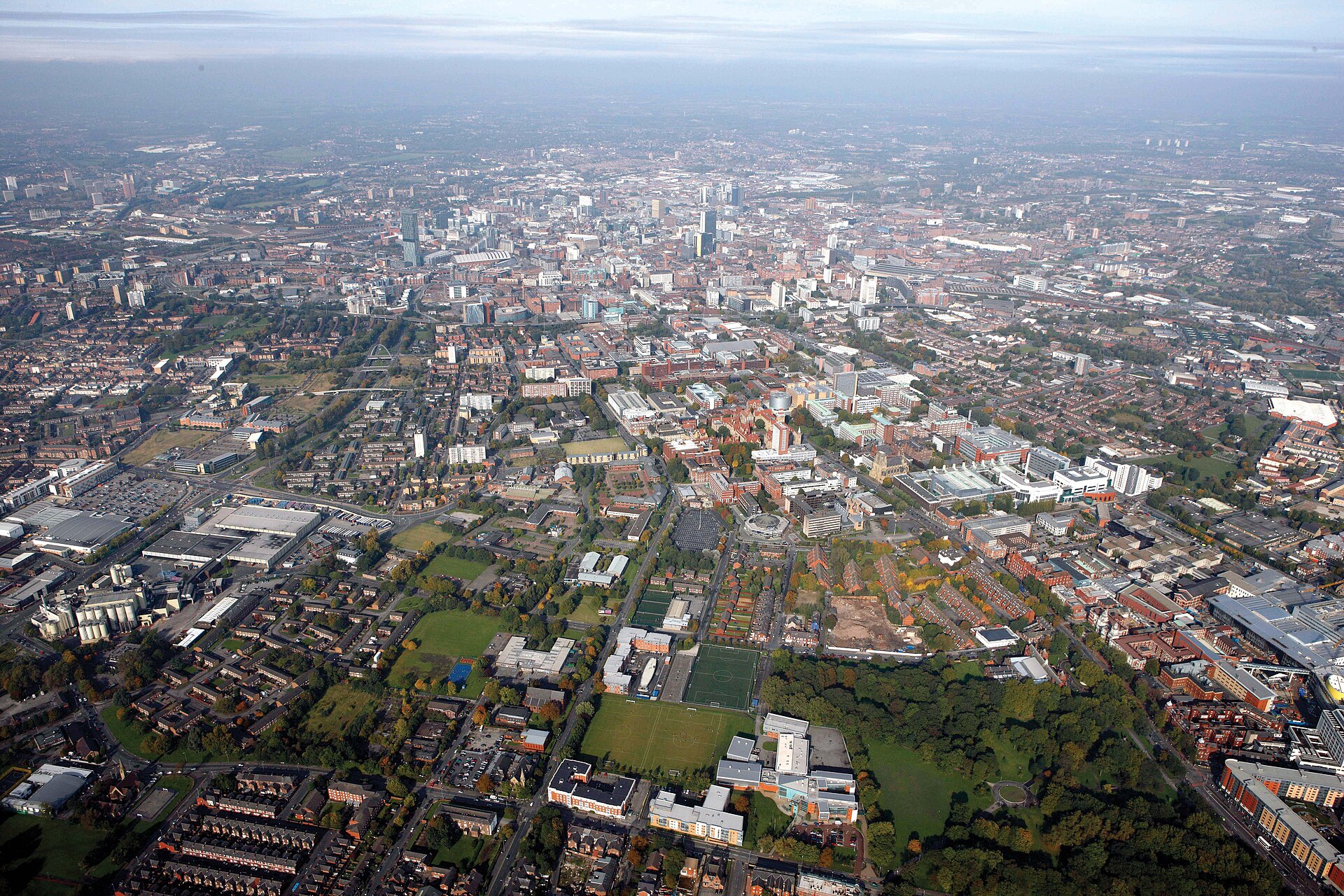
Manchester has a compact city centre surrounded by distinct Greater Manchester towns and cultural districts. The civic core, Northern Quarter, Ancoats, Castlefield and university corridor are linked by walkable streets, while Salford Quays and major football grounds require public transport. The Bee Network combines buses, trams and journey planning across the region. Keep the centre on foot and use tram or bus for each outer cluster.
Reviewed by Elena Voss · Roavina Travel Editor
Set your days, your pace and the hours you actually want to be out. The planner works around closing days and travel time, and leaves room to eat.
Ranked by importance — sitelinks, pageviews and heritage status, not editor preference.
23 places match
Category
Typical visit duration
Interests
Manchester Art Gallery grew from the Royal Manchester Institution, whose fine-art holdings transferred to the new municipal gallery in 1882.
The Whitworth
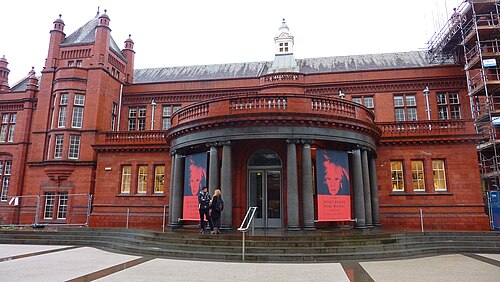
The Whitworth is the University of Manchester’s art gallery in Whitworth Park, founded in 1889 in memory of industrialist Joseph Whitworth for the benefit of Manchester’s public.
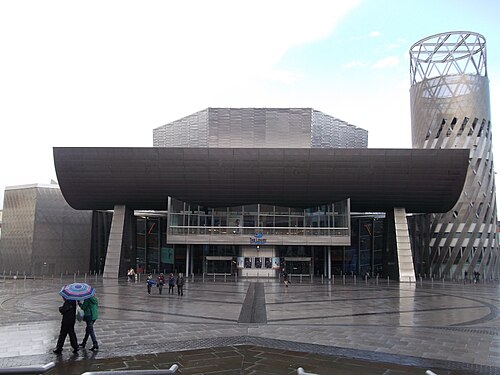
The Lowry is a combined gallery, theatre and arts venue at Salford Quays in Greater Manchester. Named after artist L.S. Lowry, it brings visual art and live performance together in one distinctive waterfront building.
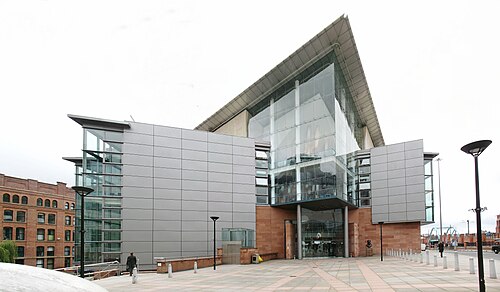
Bridgewater Hall is Manchester’s purpose-built international concert venue, created to replace the Free Trade Hall as the city’s principal large orchestral space.
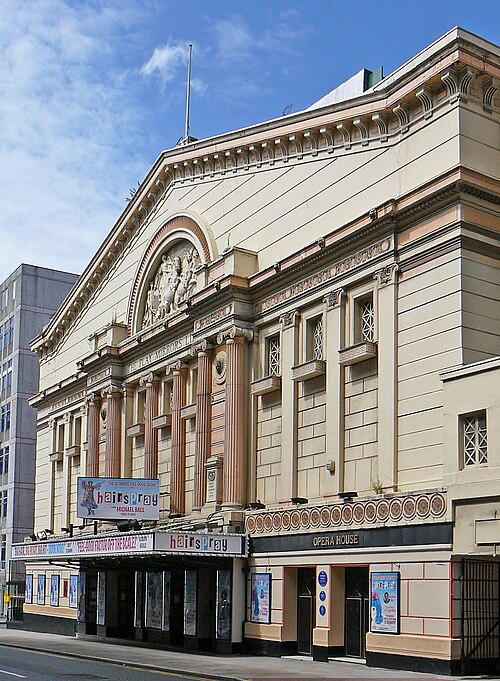
Manchester Opera House is a large touring theatre on Quay Street in Manchester city centre. It operates as a receiving house for major touring productions rather than as a theatre with a permanent resident company.
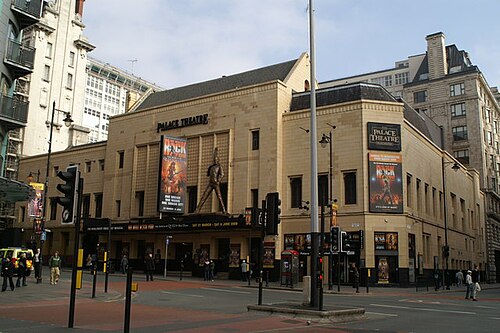
Palace Theatre is one of Manchester’s major theatrical venues, located in the city’s central theatre district. It operates as a commercial receiving house, bringing touring productions, musicals, plays and live entertainment to the city.
Royal Exchange Theatre is a major producing theatre in Manchester city centre, set inside the former Royal Exchange building. The 1874 structure was built for Manchester’s cotton trade and retains the scale and grandeur of its historic exchange hall.
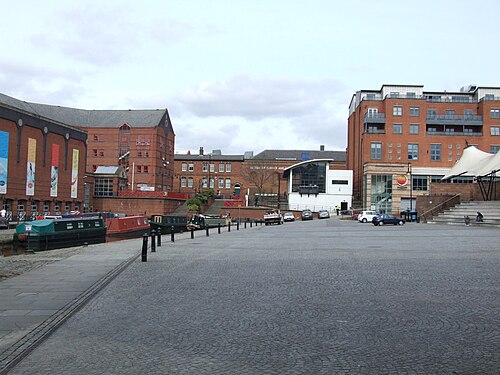
Castlefield Bowl is an outdoor amphitheatre and concert venue situated in the Castlefield urban heritage park area of Manchester.
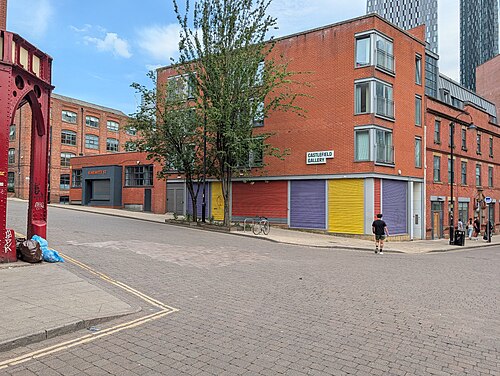
Castlefield Gallery is a contemporary art gallery in Manchester's Castlefield district. It is a not-for-profit organisation focused on emerging and mid-career artists, exhibitions and professional development.
Contact
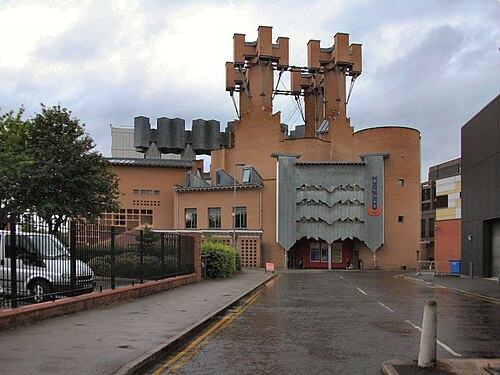
Contact is a theatre in Manchester known for its focus on young people and contemporary performance. Operating under the local name Contact, it has established itself as a significant cultural venue within the city's arts landscape.
The Dancehouse
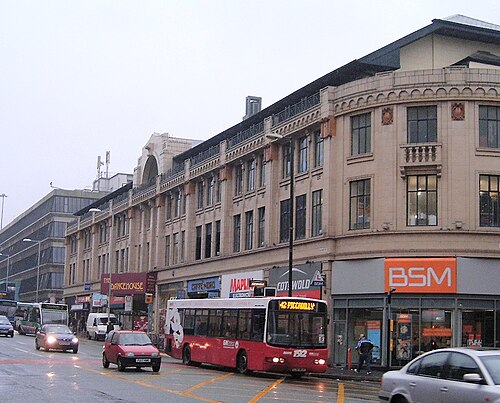
The Dancehouse is a theatre venue in Manchester dedicated to dance and performance arts. Located in the city centre, it occupies a prominent building that serves as a cultural hub for contemporary and classical dance productions.
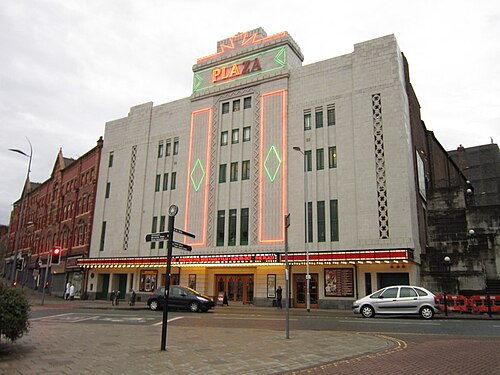
The Plaza
Plaza Cinema is a historic cinema and entertainment venue in Stockport, within Greater Manchester. The Plaza combines active film programming with the character of a heritage theatre, giving visitors an alternative to a modern multiplex.
University Of Salford Art Collection
The University of Salford Art Collection is an institutional collection in Greater Manchester, maintained within the university’s educational and cultural setting. It connects visual art with teaching, research and public engagement.
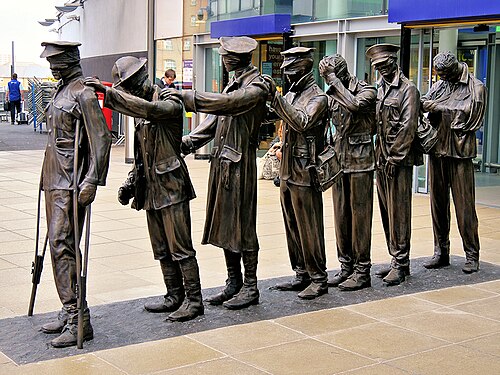
Victory over Blindness
Victory Over Blindness is a bronze public sculpture in Manchester city centre, showing seven life-size First World War soldiers who have lost their sight.
Queen Victoria
The Queen Victoria Monument is an outdoor commemorative work in Manchester honouring Queen Victoria. It belongs to the city’s tradition of civic sculpture, where public monuments placed historical and royal subjects within the daily urban landscape.
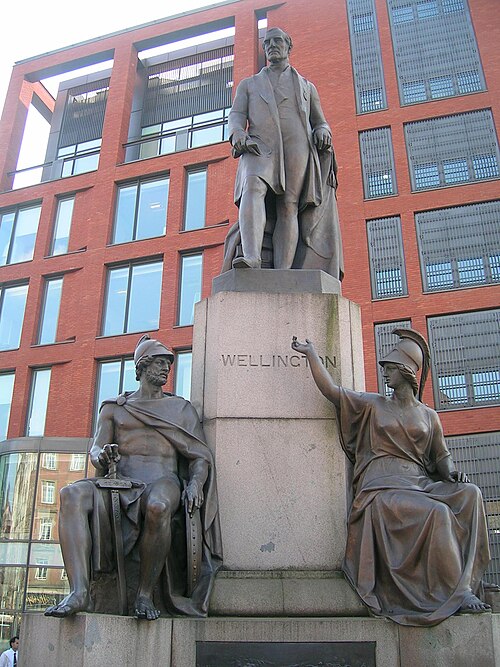
Wellington
The Wellington Statue is an equestrian monument in Manchester, England, depicting Arthur Wellesley, 1st Duke of Wellington, the celebrated British military leader who defeated Napoleon at the Battle of Waterloo in 1815.
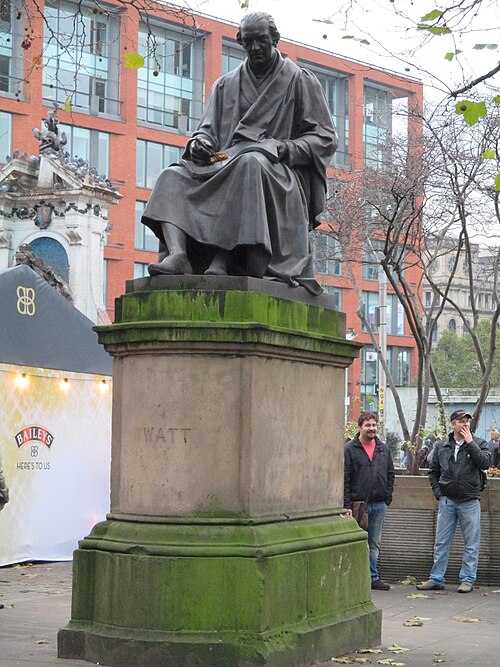
Watt
The Statue of James Watt is an outdoor commemorative monument in Manchester honouring the Scottish engineer and inventor. Watt's improvements to the steam engine helped transform its efficiency and power, making him an important figure in Industrial Revolution history.
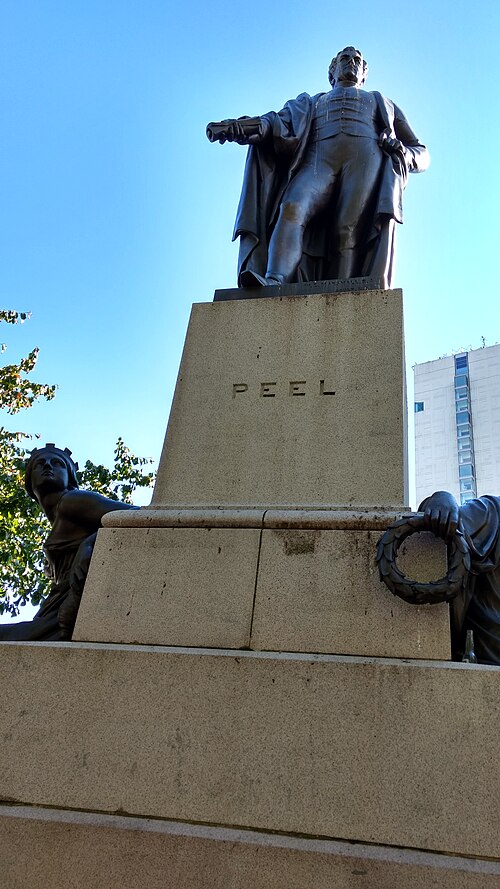
Peel
The Peel Statue is an outdoor Manchester monument commemorating Sir Robert Peel, the nineteenth-century statesman who served twice as British Prime Minister and is associated with the creation of the modern police force.
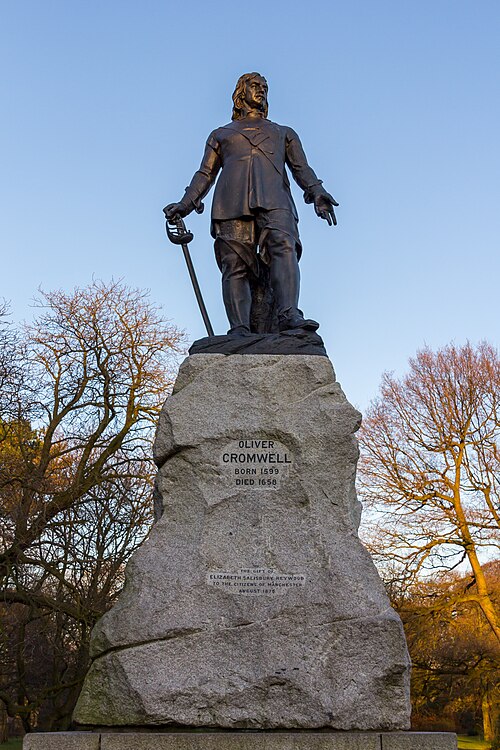
Oliver Cromwell Statue
The Oliver Cromwell Statue is an outdoor commemorative sculpture located in Manchester, England. It depicts Oliver Cromwell, the 17th-century English military and political leader who served as Lord Protector of the Commonwealth of England, Scotland, and Ireland.
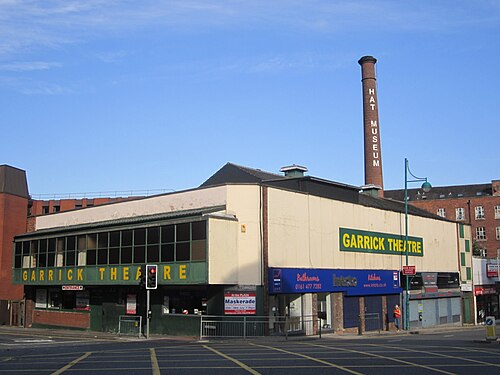
Stockport Garrick Theatre
Stockport Garrick Theatre is a community theatre in Stockport, within Greater Manchester. Its programme combines amateur dramatic productions with professional touring shows, giving visitors a chance to experience local performing arts in an intimate setting.
53two is an independent performance venue and theatre space in Manchester. Its name comes from its original setting beneath the Mancunian Way, in railway arches numbered 53 and 52.
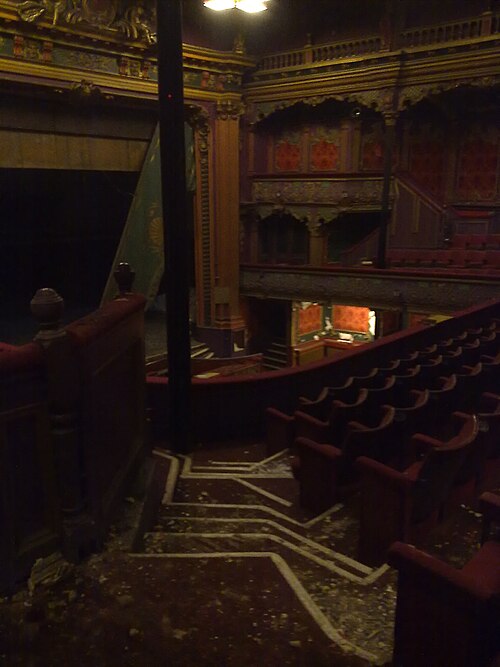
Hulme Hippodrome is a historic theatre building in Hulme, south of Manchester city centre. The Victorian-era venue belongs to Manchester’s performing-arts heritage and remains an evocative architectural landmark within a changing urban neighbourhood.
The Tree of Knowledge is an outdoor public artwork in Manchester. It forms part of the city’s creative streetscape, placing an artistic object within the everyday movement of the urban environment.
Source: OpenStreetMap contributors, Wikidata ·
Piccadilly and Victoria stations mark the eastern and northern edges of the central visitor area. Between them sit the Northern Quarter, civic centre, Chinatown and the retail core; Ancoats continues east, while Castlefield and Deansgate extend southwest. The Oxford Road corridor leads south through universities and cultural venues. Salford Quays lies west as a separate waterfront district, and the football stadiums occupy different sides of the wider city-region. Do not plan those outer locations as short central walks.
Checked 2026-08-26
Walk within the central districts, then use Bee Network buses and Metrolink trams for Salford Quays, stadiums and Greater Manchester towns. Transport for Greater Manchester provides an integrated journey planner, and contactless tap-and-go is available on buses and trams under the current network rules. Free city-centre buses connect major rail stations and central areas. Train services remain useful for some outer towns, so compare rail and tram before setting out.
Checked 2026-08-26
Two to three days suit a first visit. Use one day for the central districts, another for a chosen outer cluster, and add a third for football, Salford Quays or a wider Greater Manchester trip.
May through September offers longer daylight for canals and neighbourhood walks. Rain remains possible throughout the year, so keep indoor museums and galleries available as flexible blocks.
Yes. Piccadilly, the Northern Quarter, the civic core, Castlefield and Oxford Road form a compact central area. Use transit for Salford Quays, the stadiums and outer Greater Manchester towns.
Bee Network buses and Metrolink trams support contactless travel under the operator’s current rules. On trams, follow the official tap-in and tap-out instructions and use the same card or device.
No. Old Trafford and the Etihad Stadium sit in different parts of the city-region and use different transport corridors. Plan each as a separate destination rather than combining them as a central walking route.