


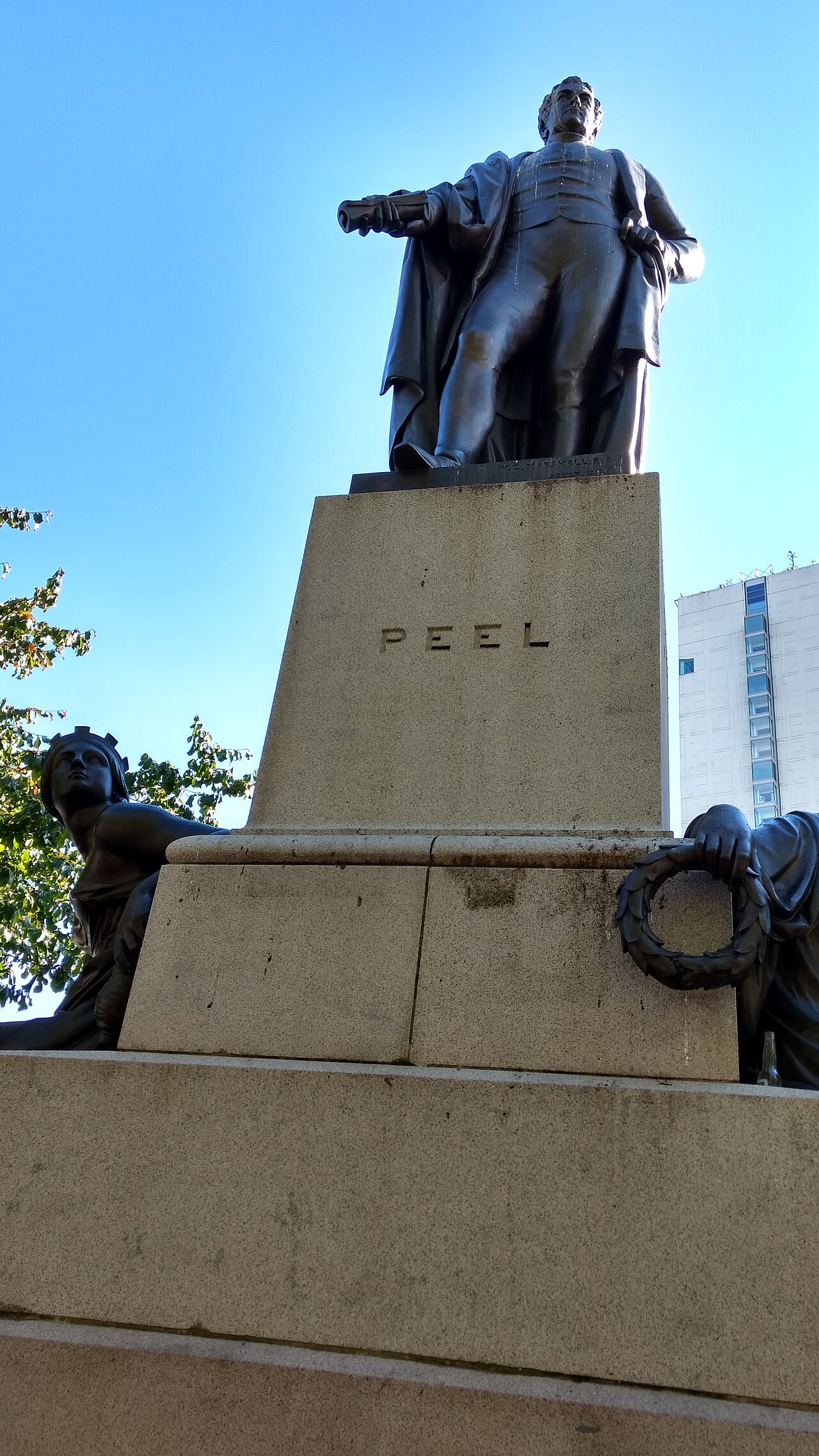
1 min walk
Peel Statue
- High · Heritage site
- Art and culture venue
Art and culture venue · Manchester
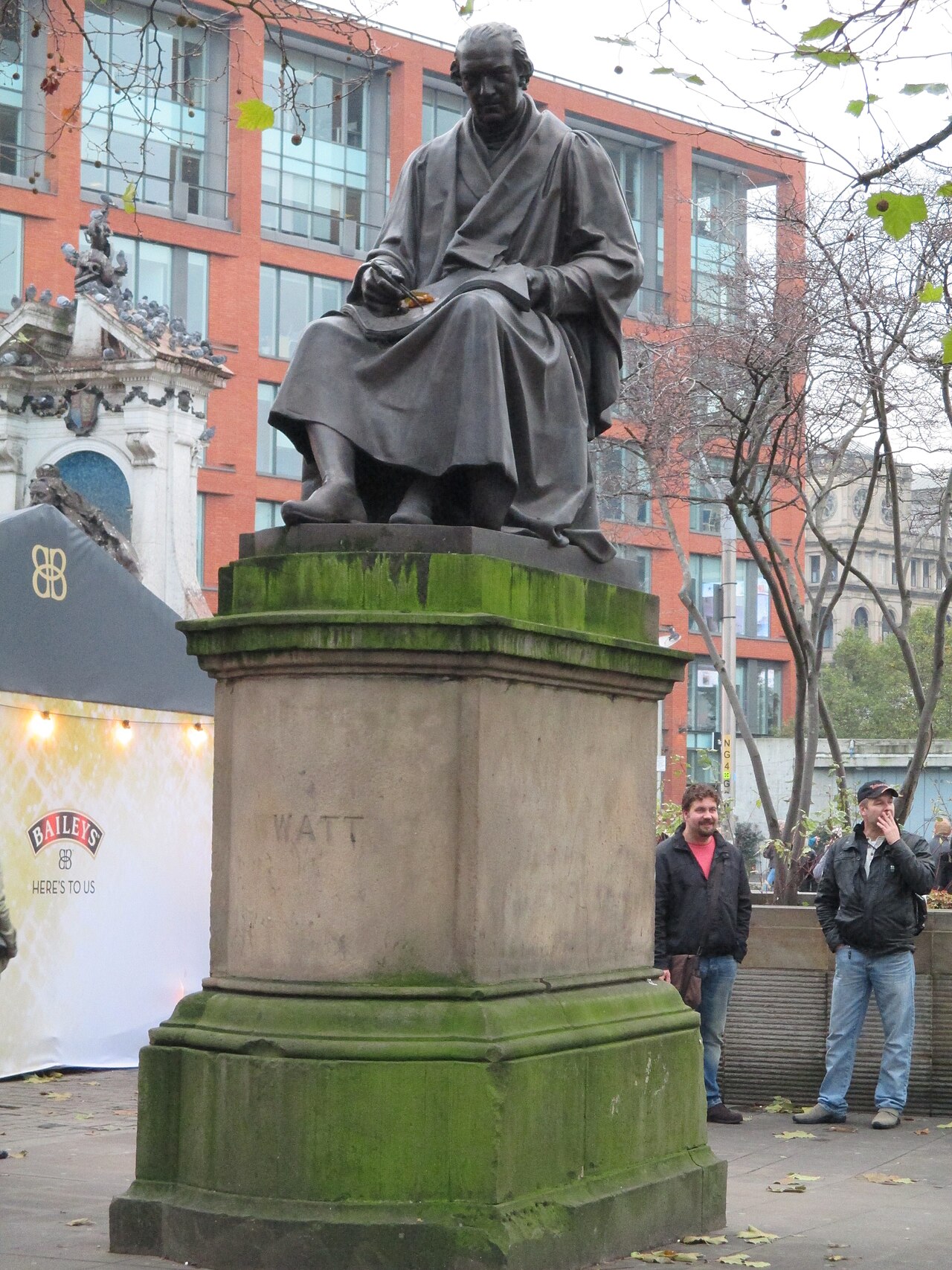
Watt
The Statue of James Watt is an outdoor commemorative monument in Manchester honouring the Scottish engineer and inventor. Watt's improvements to the steam engine helped transform its efficiency and power, making him an important figure in Industrial Revolution history. Manchester's industrial past gives the monument a meaningful city context: this is a brief public-art stop for travellers interested in engineering, invention and the people connected with Britain's industrial development. The Statue of James Watt is a commemorative monument honouring the Scottish engineer and inventor whose improvements to the steam engine were fundamental to the Industrial Revolution. Located in Manchester, a city central to Britain's industrial heritage, this statue recognises Watt's transformative contributions to mechanical engineering. James Watt developed a separate condensing chamber for steam engines, dramatically improving efficiency and power. Manchester's connection to Watt reflects the city's pivotal role in industrial advancement during the eighteenth and nineteenth centuries. The statue is an outdoor public monument without enclosed spaces.
Checked 2026-08-26 · Source
The attraction consists of a freestanding outdoor statue of James Watt, with a plinth or pedestal associated with the monument. There is no enclosed interior, gallery or exhibition to explore. Visitors should focus on the sculpture, its commemorative purpose and any inscription visible on the monument. The surrounding public realm forms part of the experience, linking the statue to Manchester's streets and industrial-history atmosphere. It is a compact heritage sight that rewards observation of both the figure and the setting in which the city presents it.
Checked 2026-08-26 · Source
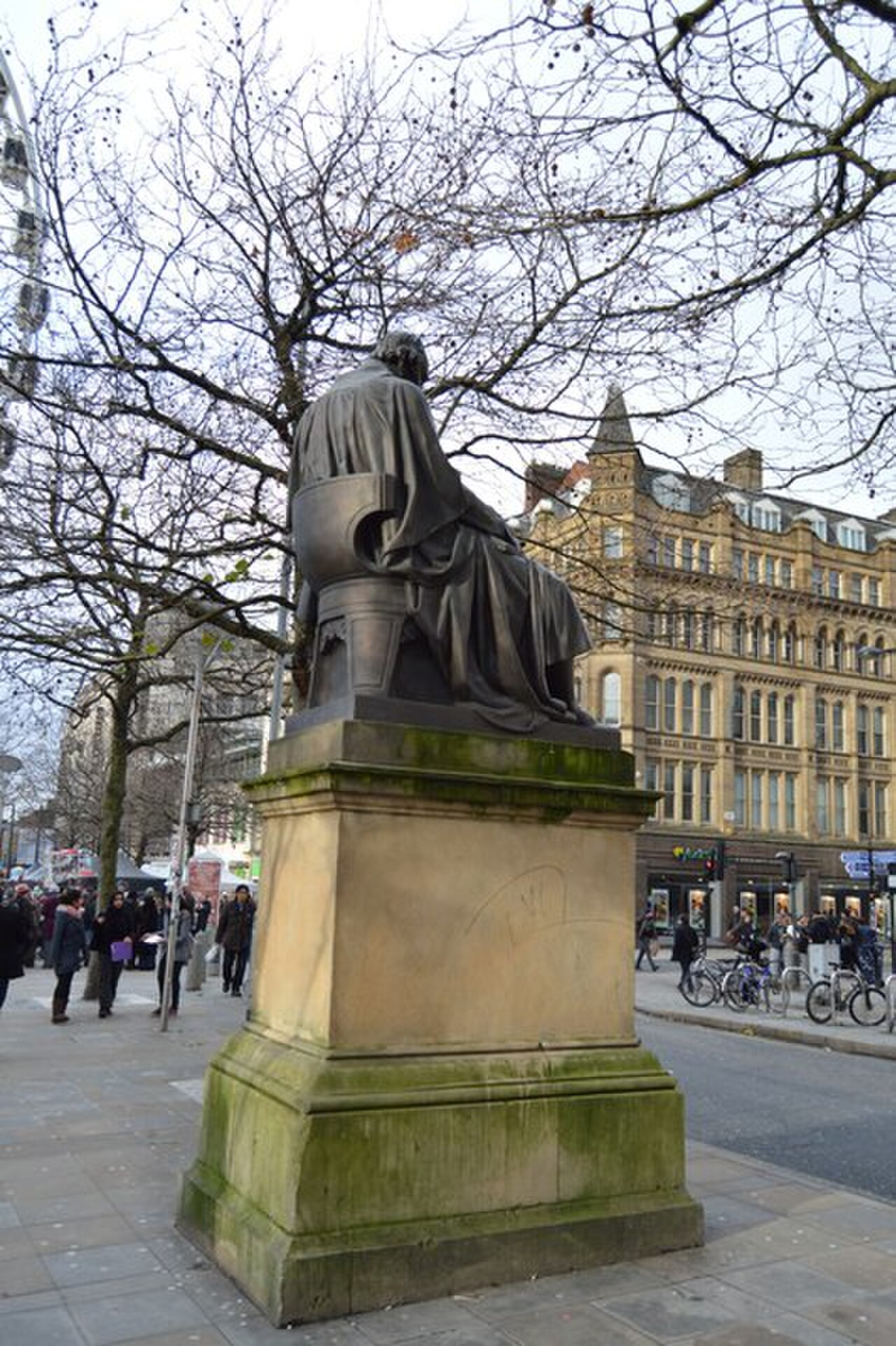
Plan for about five to fifteen minutes at the Statue of James Watt. That is enough time to view the monument, read any inscription and take photographs. Travellers with a strong interest in engineering or industrial history may stay longer to reflect on Watt's contribution and the monument's Manchester setting. The short visit makes the statue easy to combine with other central city sights, especially on a walking route focused on public art, science or the Industrial Revolution.
Checked 2026-08-26 · Source
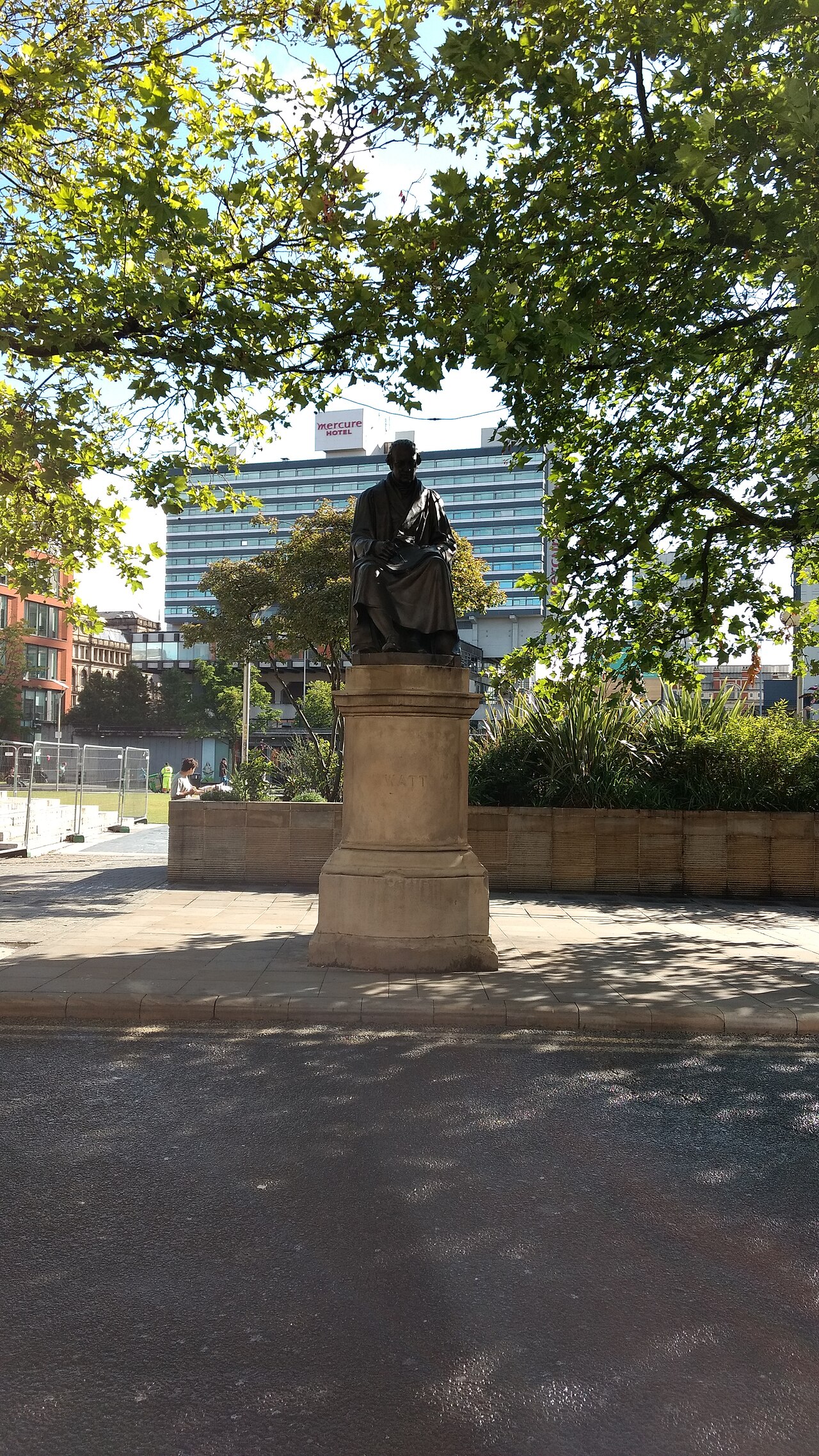
As an outdoor public monument, the statue is best visited when daylight makes the sculpture and any lettering easy to see. Spring and summer provide longer daylight, while autumn and winter can still work for a brief stop between other city sights. Manchester's rain and cloud can change the visual quality of the monument, so a dry spell is pleasant for photography. The statue's open-air setting lets you include it flexibly in a walking itinerary rather than arranging the day around a timed visit.
Checked 2026-08-26 · Source
Viewing the Statue of James Watt is free. It is an outdoor public monument without an admission barrier, ticket desk or enclosed visitor attraction. You can include it in a Manchester heritage walk without adding an entrance fee to the day's budget. The visit is self-guided: the sculpture and its setting provide the experience, with no paid gallery entry needed. Any costs associated with reaching the surrounding city area remain separate from access to the monument itself.
Checked 2026-08-26 · Source
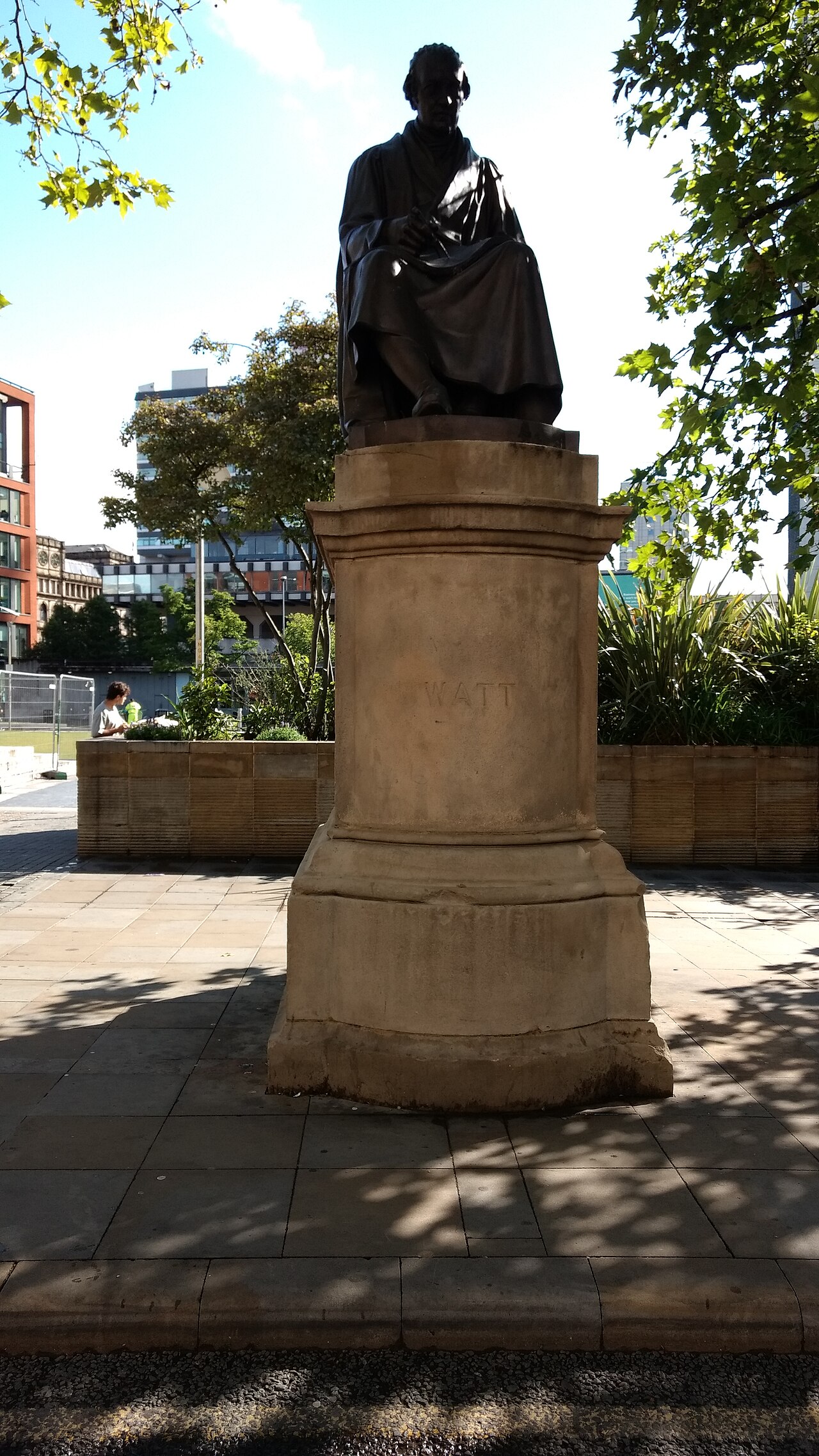
The statue stands within Manchester's urban fabric, where visitors can use the city's buses, Metrolink trams, rail connections and pedestrian routes. Manchester Piccadilly, Victoria and Oxford Road are principal rail hubs for reaching the city, and the central area supports walking between heritage points. Use a current map for the final approach and look for the monument within the surrounding public streetscape.
Checked 2026-08-26 · Source
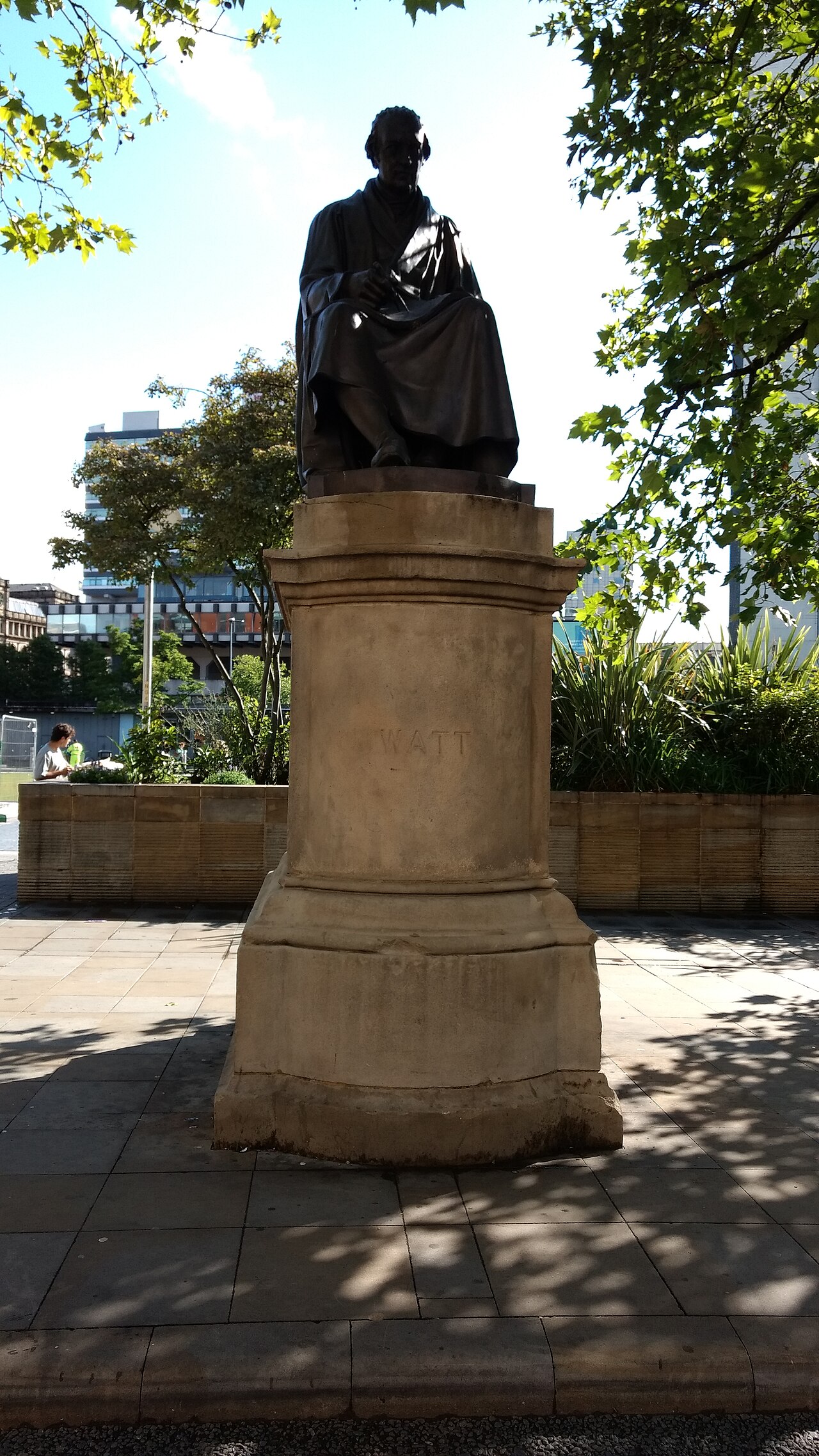
The statue is in an outdoor urban setting, so rain can make nearby paving slippery and city traffic may pass around the monument. Keep normal awareness of pedestrians, vehicles and personal belongings while stopping to look or photograph. There is no dedicated staff area or visitor service attached to the installation. If you are moving between the statue and other city sights, allow time to cross busy streets safely. The compact monument is easy to visit, but its public-realm setting calls for ordinary city awareness rather than museum-style supervision.
Checked 2026-08-26 · Source
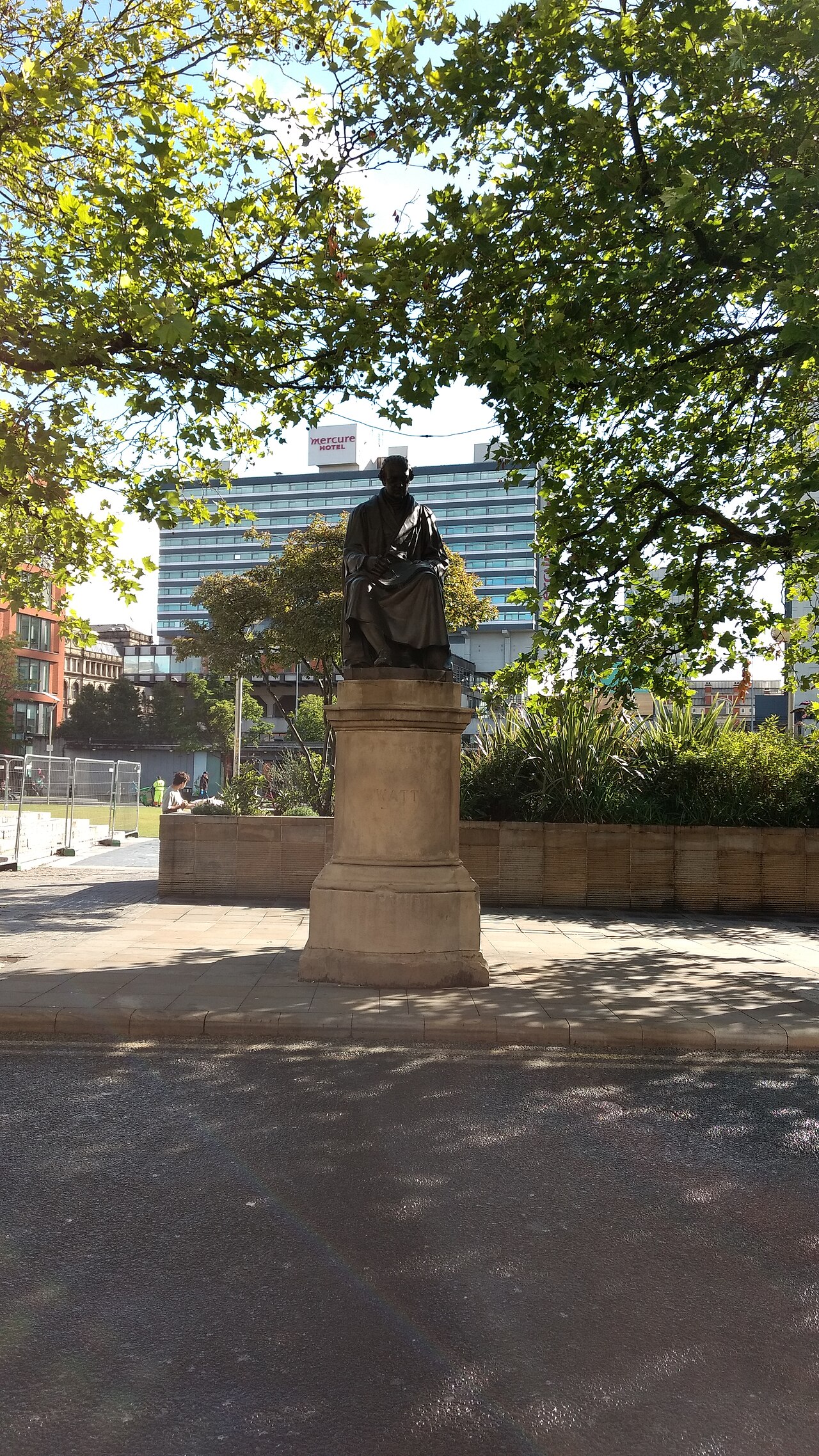
The Statue of James Watt is well suited to a short photographic stop. Capture the full figure and pedestal first, then try closer details of the sculpture, lettering and surface texture. The surrounding Manchester streets can provide context, particularly for images connecting the monument with the city's industrial heritage. Daylight reveals detail, while overcast skies can give metal or stone a softer appearance. Keep other pedestrians' privacy in mind and protect equipment from rain. Because the monument is compact, a few considered angles are more useful than a long setup.
Checked 2026-08-26 · Source
It is an outdoor public monument in Manchester.
No. Viewing the outdoor monument is free and does not require an admission ticket.
Allow about five to fifteen minutes for viewing the monument, reading its inscription and taking photographs.
James Watt was a Scottish engineer and inventor whose steam-engine improvements increased efficiency and power during the Industrial Revolution.
No. The attraction is a freestanding outdoor statue rather than an enclosed museum or gallery.
His steam-engine improvements connect the monument with the engineering and Industrial Revolution history that shaped Manchester's identity.
Loading the interactive map…
The interactive map could not be loaded.

Last updated:
Source: OpenStreetMap contributors, Wikidata ·