


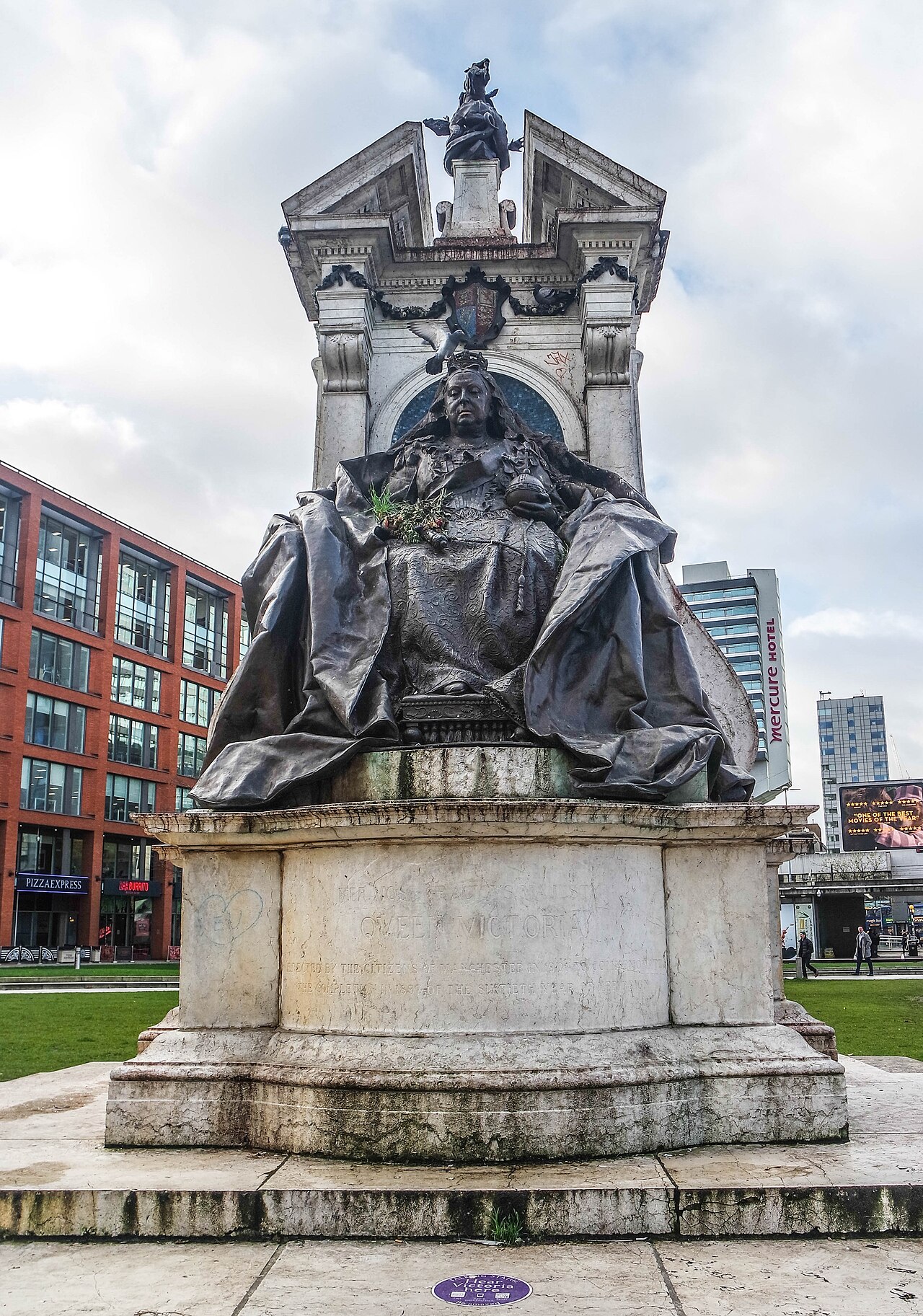
1 min walk
Queen Victoria Monument
- High · Heritage site
- Art and culture venue
Language · 11 published
Art and culture venue · Manchester
Wellington
Reviewed by Elena Voss · Roavina Travel Editor
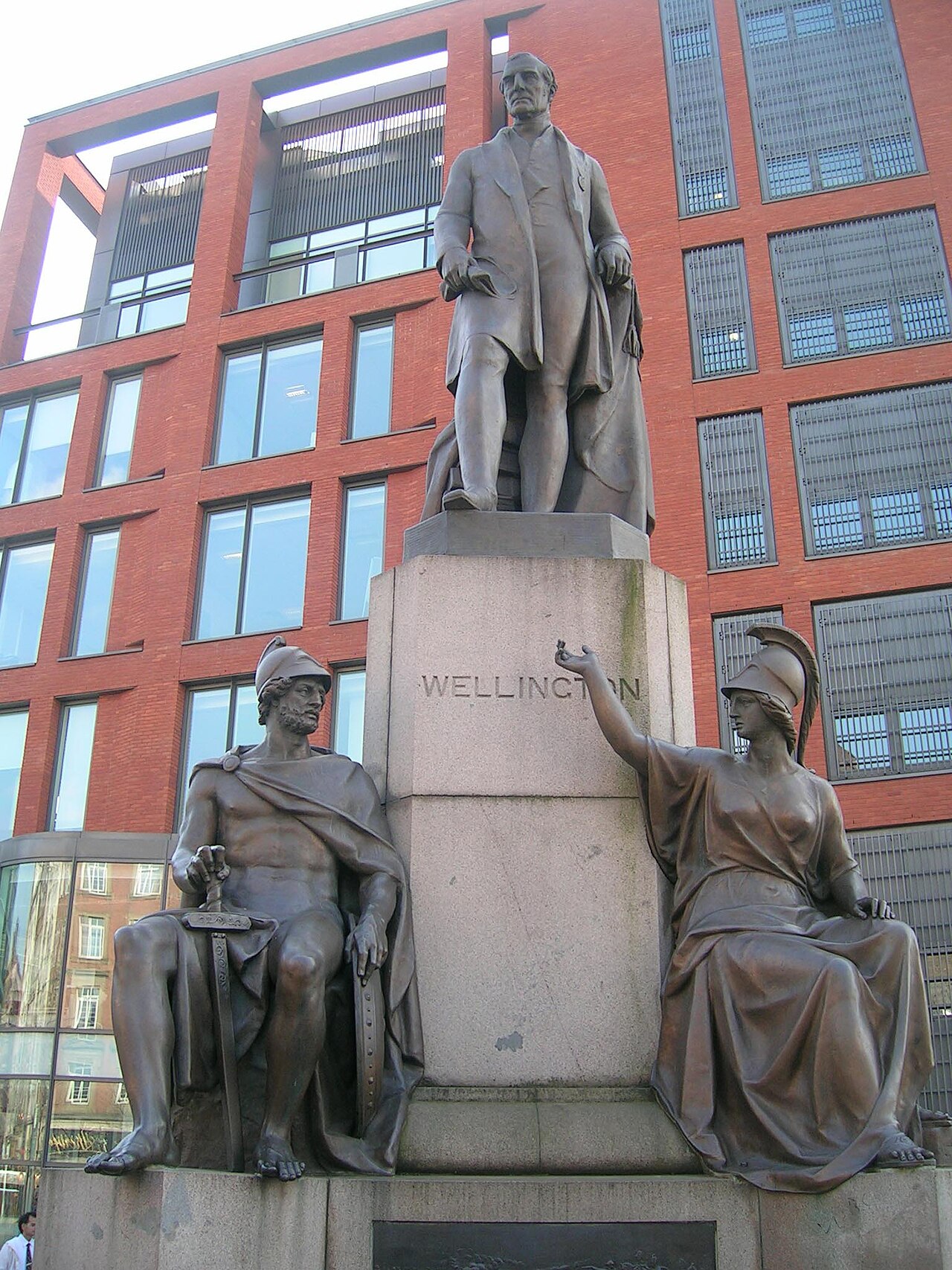
This place is a Artwork. It was established in 1856. It carries the Grade II listed building heritage designation.
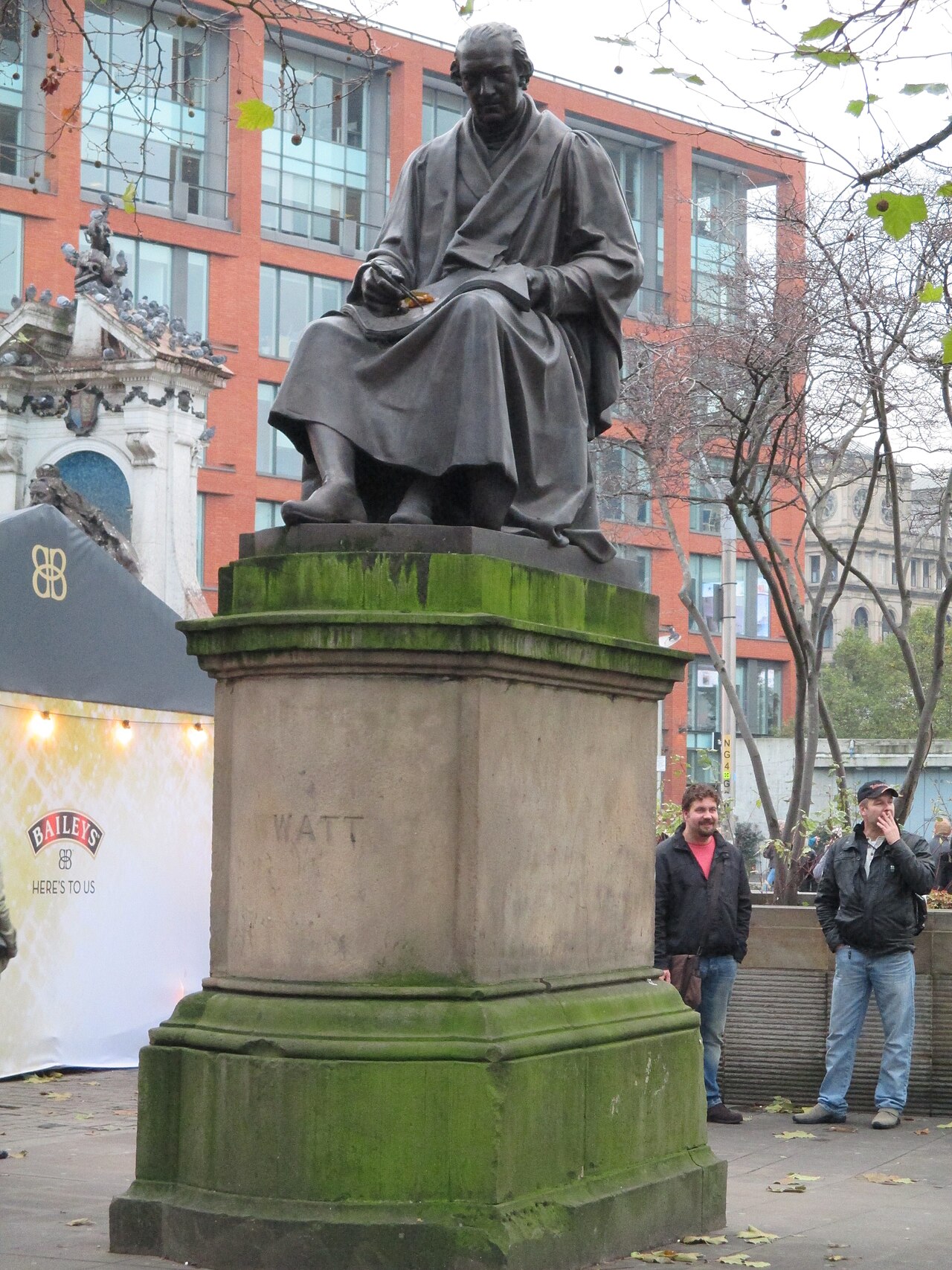
The Wellington Statue is an equestrian monument in Manchester, England, depicting Arthur Wellesley, 1st Duke of Wellington, the celebrated British military leader who defeated Napoleon at the Battle of Waterloo in 1815. The statue stands as a significant piece of Victorian commemorative sculpture in the city centre. It represents the widespread nineteenth-century practice of honouring national military heroes through public monumental art. The work contributes to Manchester's collection of civic statuary and forms part of the broader urban landscape of historical memorials that characterise many British cities.
Checked 2026-08-26
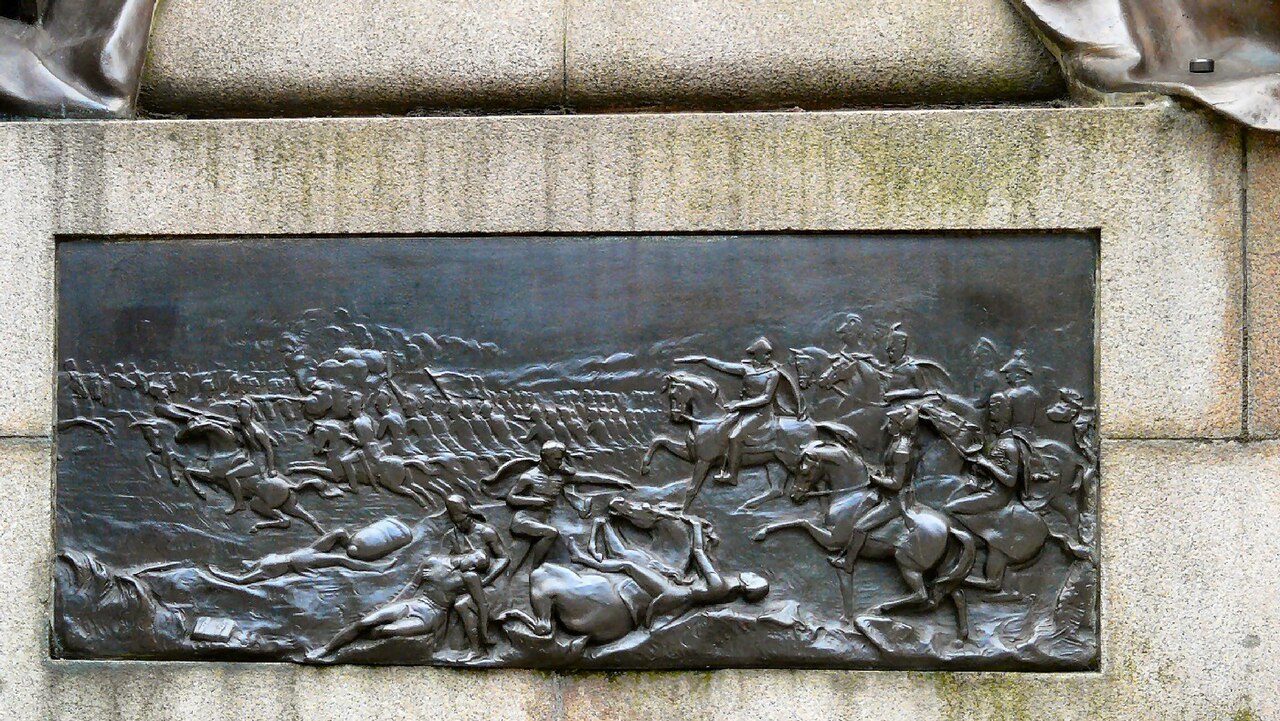
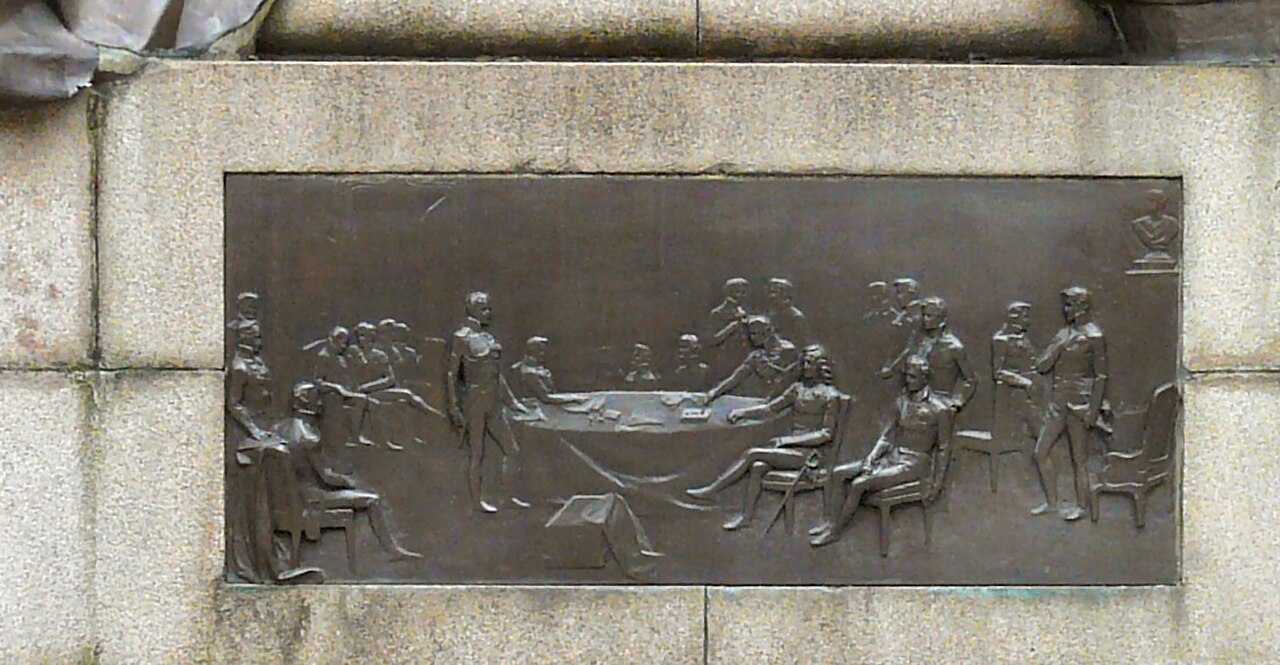
As an outdoor equestrian statue, the Wellington monument contains no interior spaces accessible to visitors. The sculptural composition typically comprises a bronze figure of the Duke mounted on horseback, positioned upon a substantial stone plinth or pedestal. Such monuments often include inscribed dedications or reliefs on the base commemorating the subject's military achievements. Visitors should expect to encounter the statue as a freestanding exterior artwork designed for public contemplation from surrounding vantage points rather than as a structure with enclosed contents or exhibition elements.
Checked 2026-08-26

A visit to the Wellington Statue requires minimal time commitment, typically ranging from five to fifteen minutes depending on individual interest. The statue suits brief pauses during broader city exploration rather than dedicated excursions. Visitors frequently combine this stop with surrounding attractions in Manchester's central area. Photography, reading any inscriptions, and appreciating the sculptural craftsmanship constitute the primary activities. Those with particular interest in military history, Victorian monumental sculpture, or Wellington's historical significance may choose to spend additional time examining details and contextualising the work within Manchester's civic heritage.
Checked 2026-08-26

The Wellington Statue is situated in an outdoor public space, making it accessible at all times as an open-air monument. Visitors may approach the statue during daylight hours for optimal visibility of sculptural details and inscriptions. Evening illumination depends on local street lighting conditions rather than dedicated monument lighting. Weather considerations should guide planning, as Manchester's frequent rainfall may diminish the experience. Seasonal variations in daylight hours affect photography conditions and overall visibility of the monument's features throughout the year. Check the operator's own site for the travel date before relying on a schedule or fare.
Checked 2026-08-26
No admission fee applies to viewing the Wellington Statue, as it stands in public space accessible without ticketed entry. Visitors should anticipate no charges for approaching, photographing, or observing the monument from surrounding areas. Commercial guided tours of Manchester may include the statue within broader itineraries, with separate tour pricing determined by individual operators. The monument functions as a civic amenity rather than a revenue-generating attraction, consistent with standard practice for outdoor public sculpture in British city centres. Check the operator's own site for the travel date before relying on a schedule or fare.
Checked 2026-08-26
The Wellington Statue occupies a central Manchester location accessible through the city's established transport networks. Visitors should consult current local transport information for reaching the specific vicinity. Manchester city centre benefits from extensive bus services, Metrolink tram connections, and national rail services arriving at Manchester Piccadilly, Victoria, Oxford Road, and Deansgate stations. Pedestrian navigation from central landmarks and transport interchanges typically proves straightforward. Cyclists may utilise Manchester's expanding cycle infrastructure. Precise positioning relative to identifiable street names and nearby buildings assists orientation upon arrival in the general area.
Checked 2026-08-26
Visitors should remain aware of surrounding traffic and pedestrian flows, as central Manchester locations experience significant movement throughout the day. The statue's placement within active urban space necessitates caution regarding vehicles, cyclists, and concentrated foot traffic. Weather conditions affect surface conditions around the monument base. No protective barriers typically separate such civic statuary from public access, though physical interaction with the sculpture should be respectful. Nighttime visibility depends on ambient lighting. Visitors should exercise standard urban awareness regarding personal belongings and surroundings consistent with any major British city centre environment.
Checked 2026-08-26

Photography of the Wellington Statue is generally unrestricted in this public outdoor setting. Visitors may capture images from multiple angles, though the surrounding urban context influences composition possibilities. Daylight photography yields optimal results for detail and colour accuracy. The monument's scale and positioning affect framing choices; wider shots incorporate environmental context while closer approaches capture sculptural specifics. Tripod use may attract attention in busy pedestrian areas and should respect passage of others. No flash restrictions apply to exterior stone and bronze surfaces. Commercial photography may require separate permissions beyond casual visitor documentation.
Checked 2026-08-26
No. Manchester's Wellington Statue is a separate monument from London's Wellington Monument or other commemorations of the Duke. Multiple British cities erected memorials to Wellington following his military prominence.
Respectful observation from ground level is appropriate. Physical climbing or handling of the monument is discouraged as it constitutes public heritage artwork in active civic space.
Dedicated tours exclusively for this single statue are not recorded. The monument may feature within broader Manchester walking tours covering multiple city centre landmarks and heritage sites.
Specific material composition details for this particular monument are not recorded. Typical Victorian equestrian statues combine bronze figural elements with stone pedestal construction.
Relocation history for this specific monument is not recorded. Many Victorian civic statues have remained in original positions, though urban development occasionally necessitates movement.
Specific nearby amenities are not recorded. Manchester city centre contains numerous commercial establishments providing such services within reasonable walking distance of central landmarks.
Loading the interactive map…
The interactive map could not be loaded.
Last updated:
Source: OpenStreetMap contributors, Wikidata ·