.jpg)

.jpg)
.jpg)

.jpg)
5 min walk
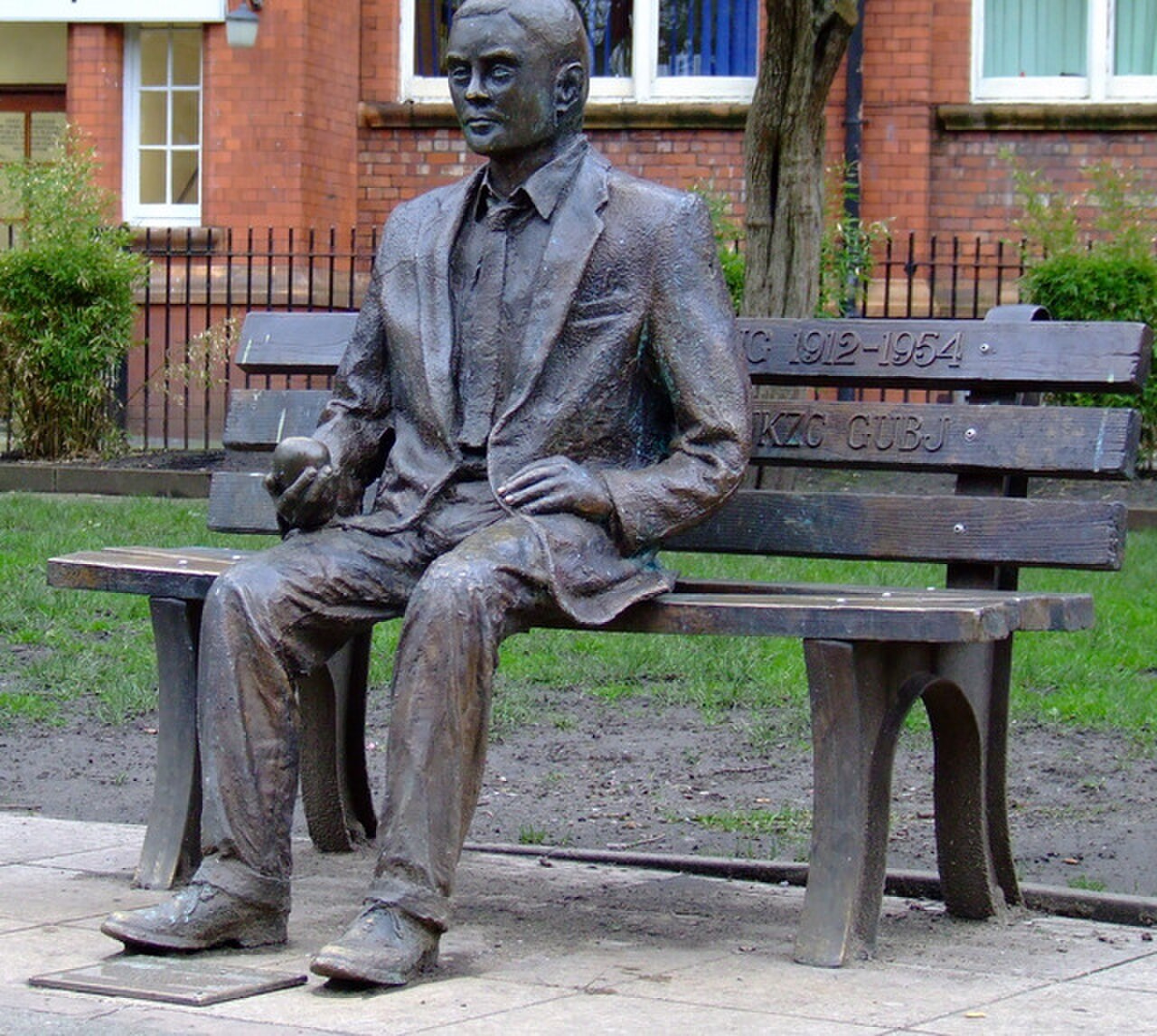
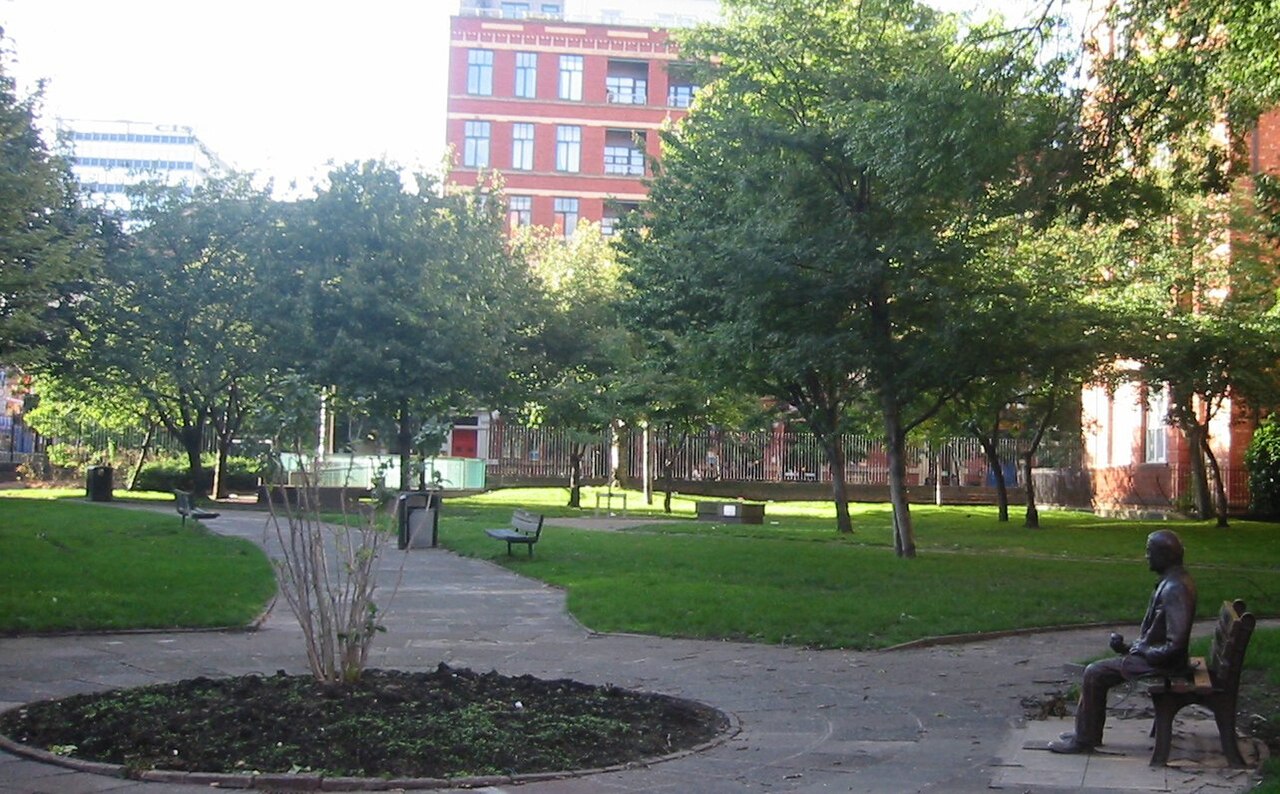
Alan Turing Memorial
- Must see
- Historic monument
Art and culture venue · Manchester
Victory over Blindness
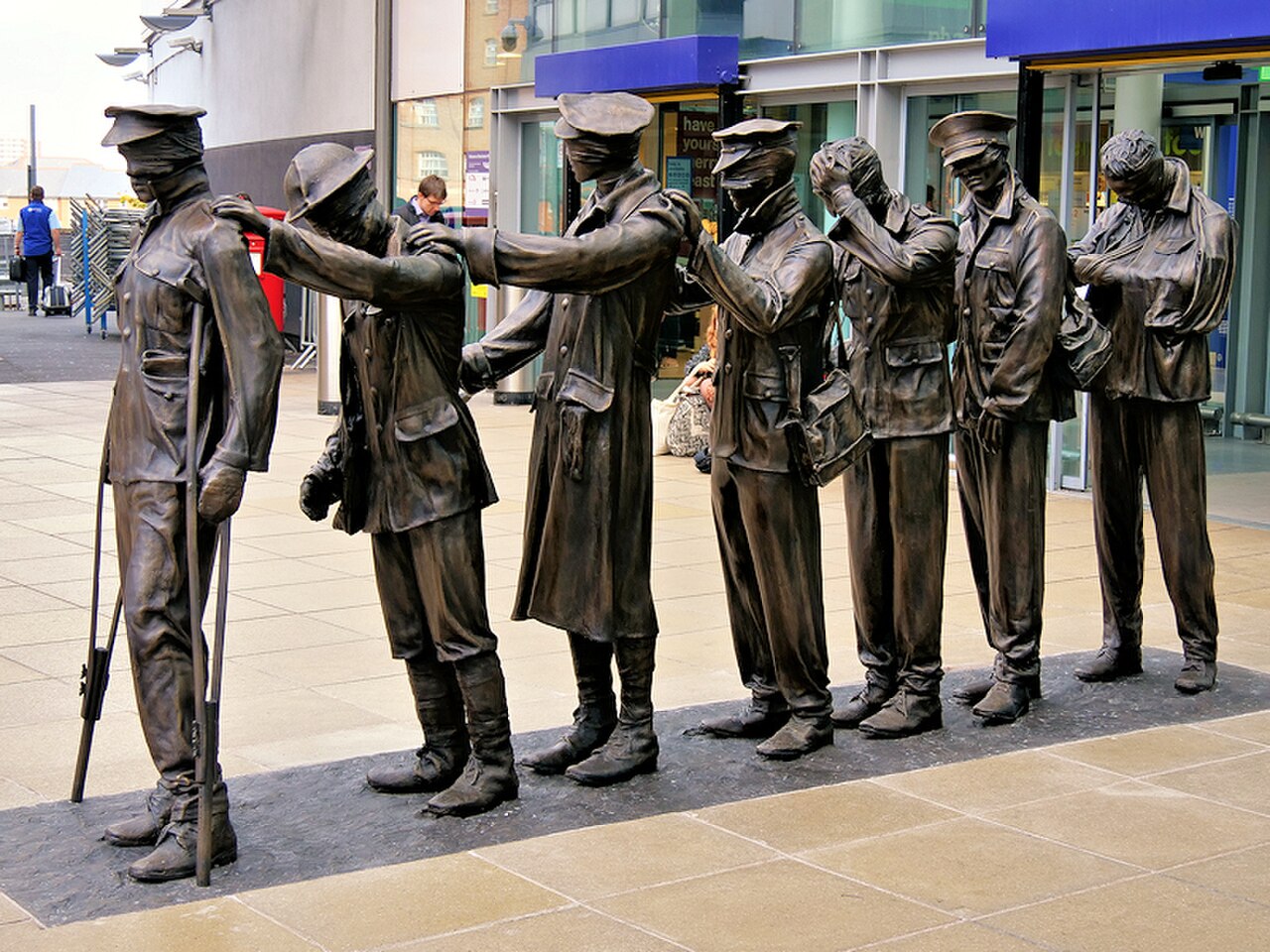
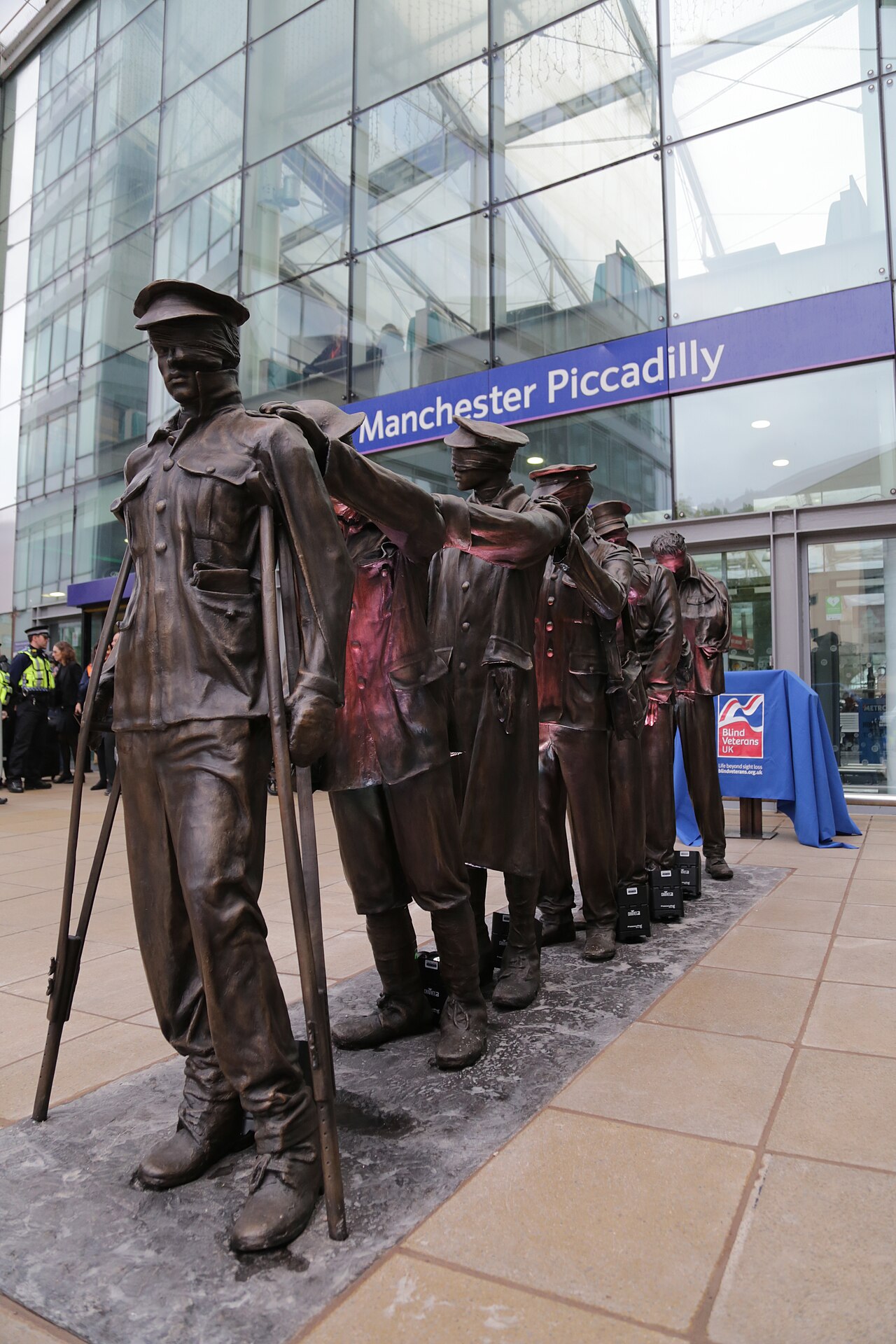
Victory Over Blindness is a bronze public sculpture in Manchester city centre, showing seven life-size First World War soldiers who have lost their sight. Created by Johanna Domke-Guyot and unveiled in 2018, it commemorates blind veterans and recalls the support associated with St Dunstan’s, now Blind Veterans UK. The seven men form a powerful memorial to endurance, companionship and mutual support. Its position in an open urban setting makes the work part of Manchester’s everyday streetscape as well as a place for remembrance. Victory Over Blindness is a bronze sculpture installed in Manchester, England, depicting seven life-size figures of blinded soldiers marching in a line. Created by artist Johanna Domke-Guyot, the monument commemorates the centenary of the First World War and specifically honours soldiers who lost their sight during the conflict. The work stands as a tribute to the resilience of blind veterans and references the St Dunstan's charity, now Blind Veterans UK, which supported them. Yes, the sculpture is installed at ground level without plinths or steps, permitting direct approach by wheelchair users and those with mobility requirements.
Checked 2026-08-26 · Source
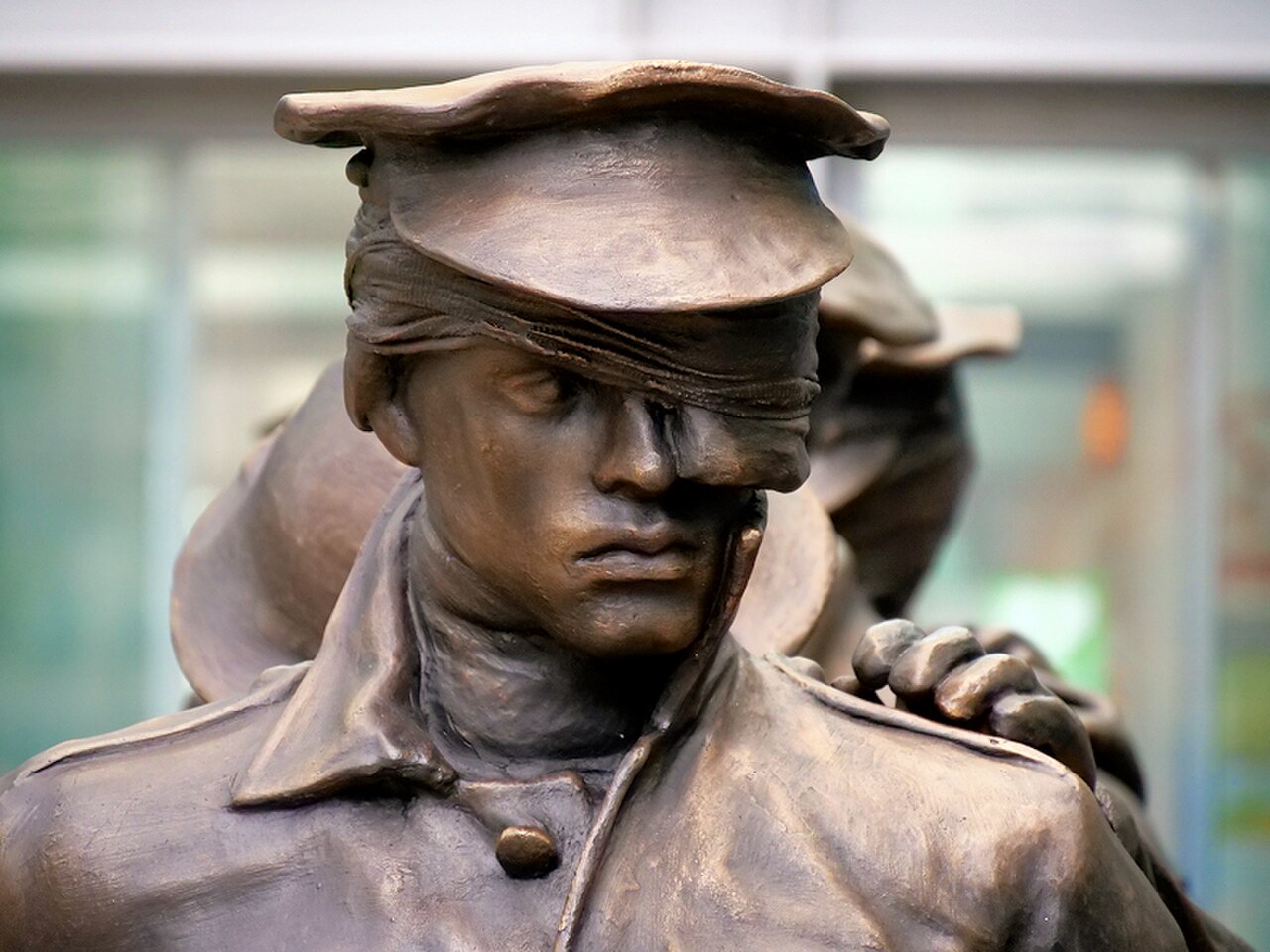
There is no enclosed interior to enter. The complete experience is the bronze procession itself: seven figures standing at ground level, each placing his hands on the shoulders of the man ahead. That arrangement represents the way visually impaired people may move together and gives the memorial a strong sense of connection. Because the figures stand at eye level rather than high on a plinth, visitors can study their expressions, clothing and posture from close range while remaining in the surrounding public space.
Checked 2026-08-26 · Source
Plan a short stop of about five to fifteen minutes. That is enough time to walk around the line of figures, take in the linked gestures and pause with the memorial’s subject in mind. Visitors interested in sculpture or wartime remembrance may spend longer examining the bronze surface and the relationships between the seven men. The monument also fits naturally into a wider walk through central Manchester, especially alongside other public artworks, civic buildings and railway-era landmarks.
Checked 2026-08-26 · Source
The sculpture stands outdoors in an open public space, so it can be approached throughout the day and across the year. Daylight is the most useful time for seeing the figures’ details and for making photographs. Manchester’s rain can change the character of the bronze and the comfort of a visit, so weather-resistant clothing is helpful. The memorial is also illuminated after dark, allowing an evening stop, although the surrounding city-centre atmosphere differs from the quieter clarity of daytime.
Checked 2026-08-26 · Source
Seeing Victory Over Blindness is free. It is an outdoor public monument with no ticketed entrance or controlled visitor gate, making it easy to add to a city walk without setting aside an admission budget. The sculpture can be viewed directly from the public area around it. If you join a wider Manchester walking experience that includes the memorial, that tour may have its own price, but approaching the monument itself does not require payment or advance booking.
Checked 2026-08-26 · Source

Victory Over Blindness is near Manchester Piccadilly Station. Travellers arriving by rail can continue from the station on foot through the central area. Piccadilly is also served by Metrolink trams, and buses connect the city centre with surrounding districts. The sculpture’s ground-level arrangement allows a close approach without climbing onto a raised structure. Central Manchester is busy and pedestrian movement can be constant, so allow time to orient yourself after leaving the station and to identify the memorial among the surrounding streets.
Checked 2026-08-26 · Source
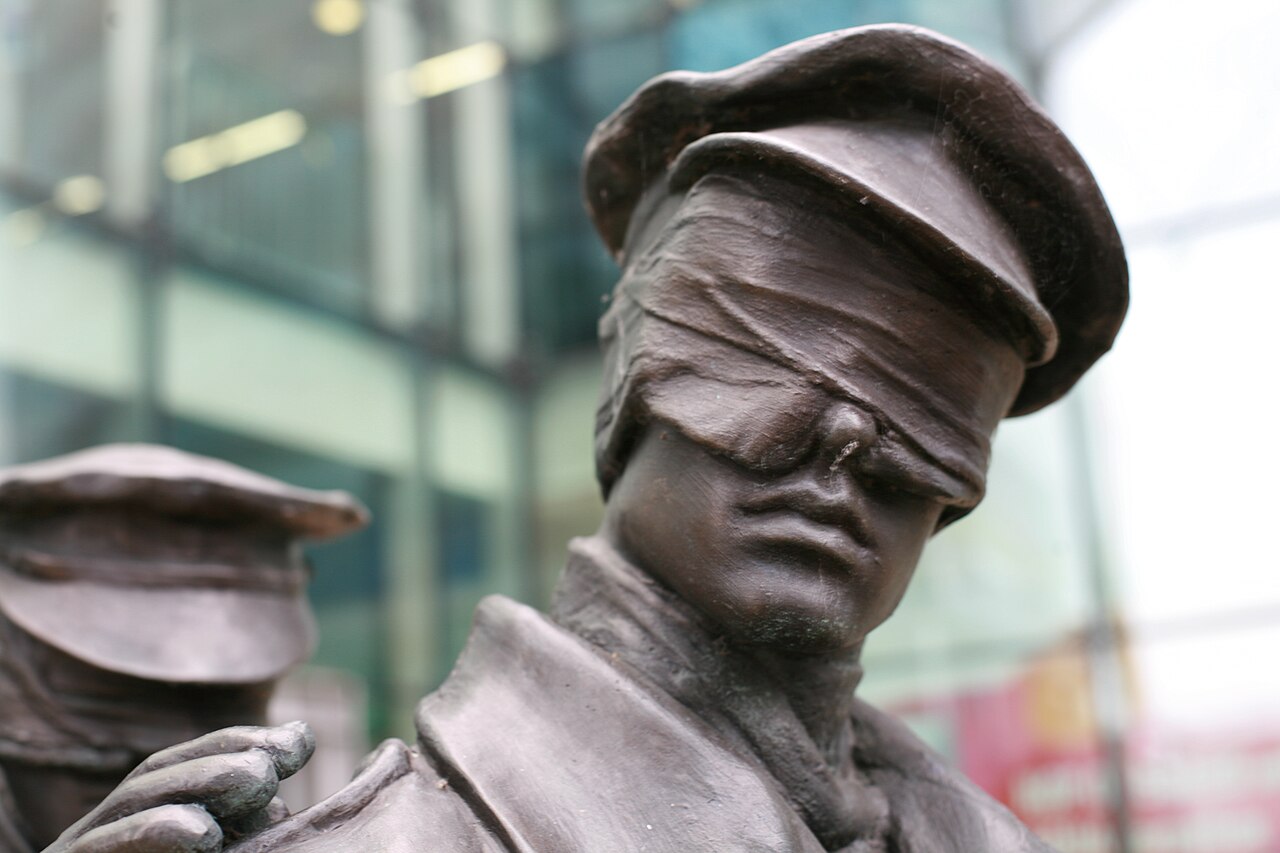
This is a war memorial depicting soldiers living with permanent blindness, and the subject can feel emotionally intense. Treat the figures as commemorative sculpture rather than ordinary street furniture. The memorial is exposed to Manchester weather, while wet bronze and nearby paving may feel slippery. People pass through the surrounding city-centre space, so pause without blocking the pedestrian flow and keep valuables secure. The open arrangement permits close viewing, but respectful behaviour is important when standing among the seven soldiers.
Checked 2026-08-26 · Source
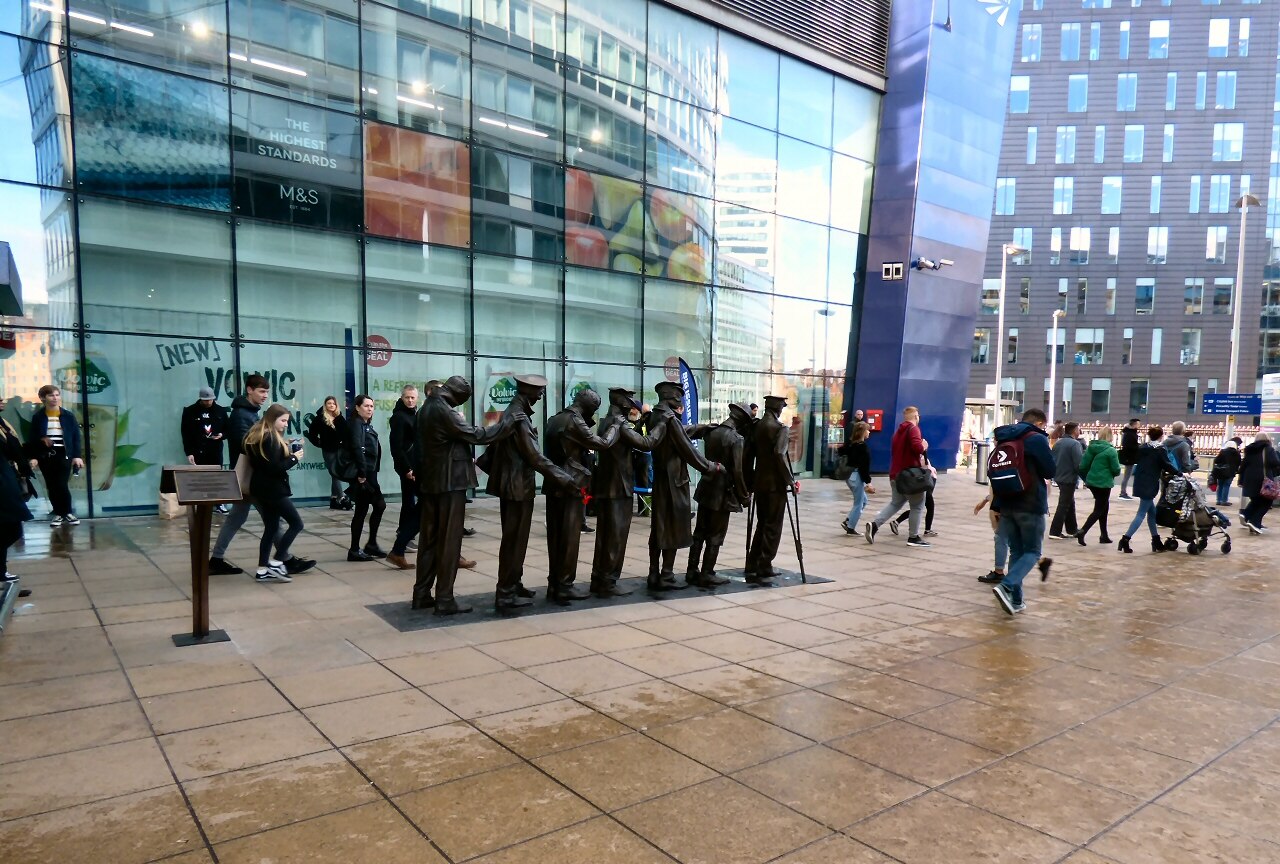
The ground-level composition gives photographers an unusually direct viewpoint. Eye-level images can show the seven soldiers as a connected procession, while side views emphasise the hands resting on shoulders and the repeated movement through the line. Bronze changes under sun, cloud and rain, so the sculpture can look different from one visit to another. Urban buildings and pedestrians may enter the frame. Photograph with care around the memorial, avoid obstructing people, and choose compositions that preserve its commemorative character.
Checked 2026-08-26 · Source
The seven bronze figures are installed at ground level without a raised plinth, allowing visitors to approach the sculpture closely from the surrounding public space.
The sculpture commemorates First World War soldiers who lost their sight and honours the resilience and mutual support of blind veterans.
The bronze memorial contains seven life-size figures arranged in a procession, with each soldier placing his hands on the shoulders of the man ahead.
A five-to-fifteen-minute stop suits most visits, with extra time useful for close observation, reflection and photography.
No. The sculpture is a free outdoor public monument and can be approached without an admission ticket or advance booking.
It stands in Manchester city centre near Piccadilly Station, with rail, Metrolink and bus connections serving the surrounding central area.
Loading the interactive map…
The interactive map could not be loaded.
Last updated:
Source: OpenStreetMap contributors, Wikidata ·