


5 min walk
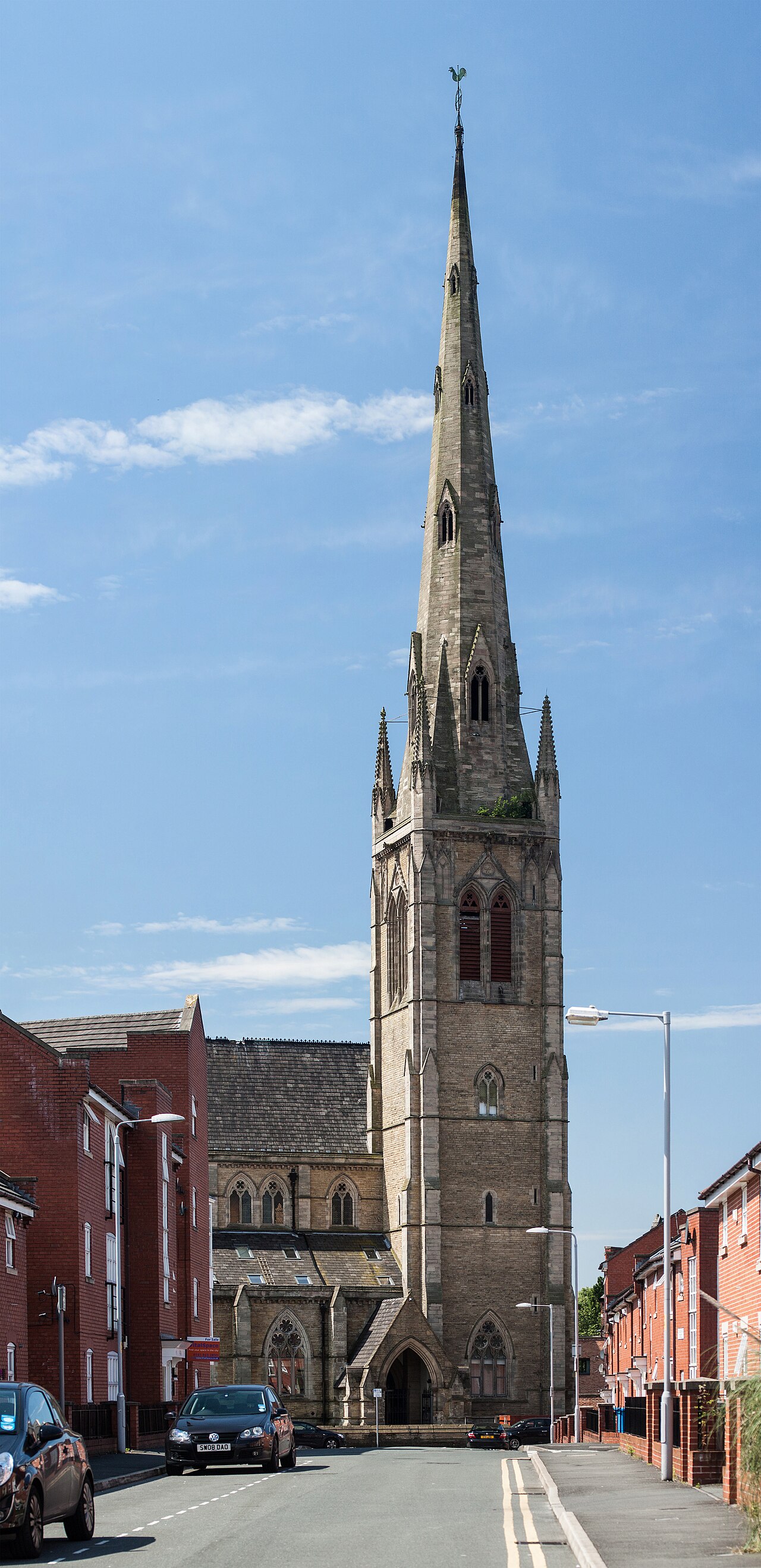
Church of St Mary, Hulme
- Notable · Heritage site
- Historic monument

Art and culture venue · Manchester
Hulme Hippodrome is a historic theatre building in Hulme, south of Manchester city centre. The Victorian-era venue belongs to Manchester’s performing-arts heritage and remains an evocative architectural landmark within a changing urban neighbourhood. Visit it for the theatre’s street presence, historic atmosphere and relationship with Hulme rather than for a conventional museum programme. Its value comes from seeing a former entertainment building in context: the scale of the structure, its theatrical identity and the surrounding streets together tell a story about how Manchester’s districts have developed. It works particularly well as part of a wider walk through Hulme and the city centre.
Checked 2026-08-26 · Source
The building was created for live entertainment, with auditorium spaces, audience seating and a stage forming the core of its theatrical design. The exterior gives visitors the clearest sense of its original purpose and substantial scale. Inside, the arrangement belongs to a historic theatre rather than a gallery or interpretation centre, so visitors should not plan around exhibition rooms or a formal museum circuit. The building’s character is best appreciated by considering how performers, audiences and the working parts of a theatre once occupied the same structure. Pair the frontage with a walk around nearby streets to understand its place in Hulme.
Checked 2026-08-26 · Source

Allow around fifteen to thirty minutes for a focused exterior visit. This gives enough time to study the theatre frontage, take photographs from public viewpoints and notice how the building sits among Hulme’s streets. Visitors who enjoy architectural detail or local history may stay longer, especially when comparing the theatre with nearby urban changes. The Hippodrome is best treated as one stop in a Manchester itinerary, not as a destination requiring a full day. Add time for the surrounding neighbourhood if you want the visit to feel more complete and less like a quick photograph.
Checked 2026-08-26 · Source
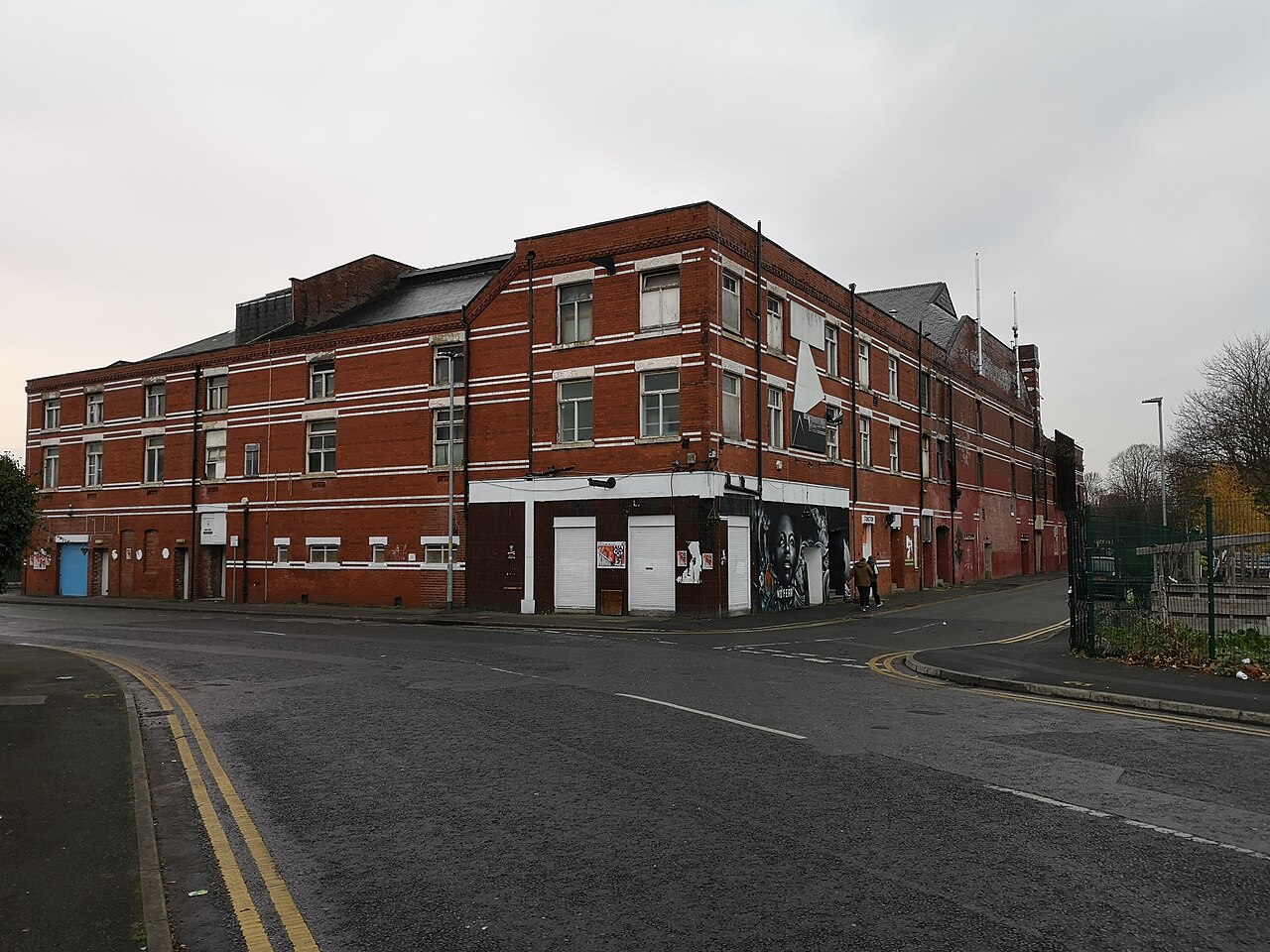
Daylight offers the clearest conditions for viewing the exterior and reading architectural details. Manchester weather can change quickly and rain is possible throughout the year, so a water-resistant outer layer and comfortable shoes are useful. A daytime stop also makes it easier to see the theatre in relation to the surrounding streets. If you are walking from the city centre or combining the Hippodrome with other Hulme sights, leave room for pauses and route changes. The building is most rewarding when you can give attention to its setting rather than rushing between fixed indoor appointments.
Checked 2026-08-26 · Source
A visit focused on the building’s exterior is a simple architectural stop from the surrounding public streets, rather than a standard ticketed attraction. There is no museum-style entrance sequence, exhibition route or visitor centre to structure the experience. Plan to enjoy the theatre’s visible character and its place in Hulme without building the visit around an admission desk. Any authorised internal event would be a separate experience with its own arrangements. For an ordinary sightseeing walk, the Hippodrome works as an informal heritage landmark that can be included alongside other Manchester destinations.
Checked 2026-08-26 · Source
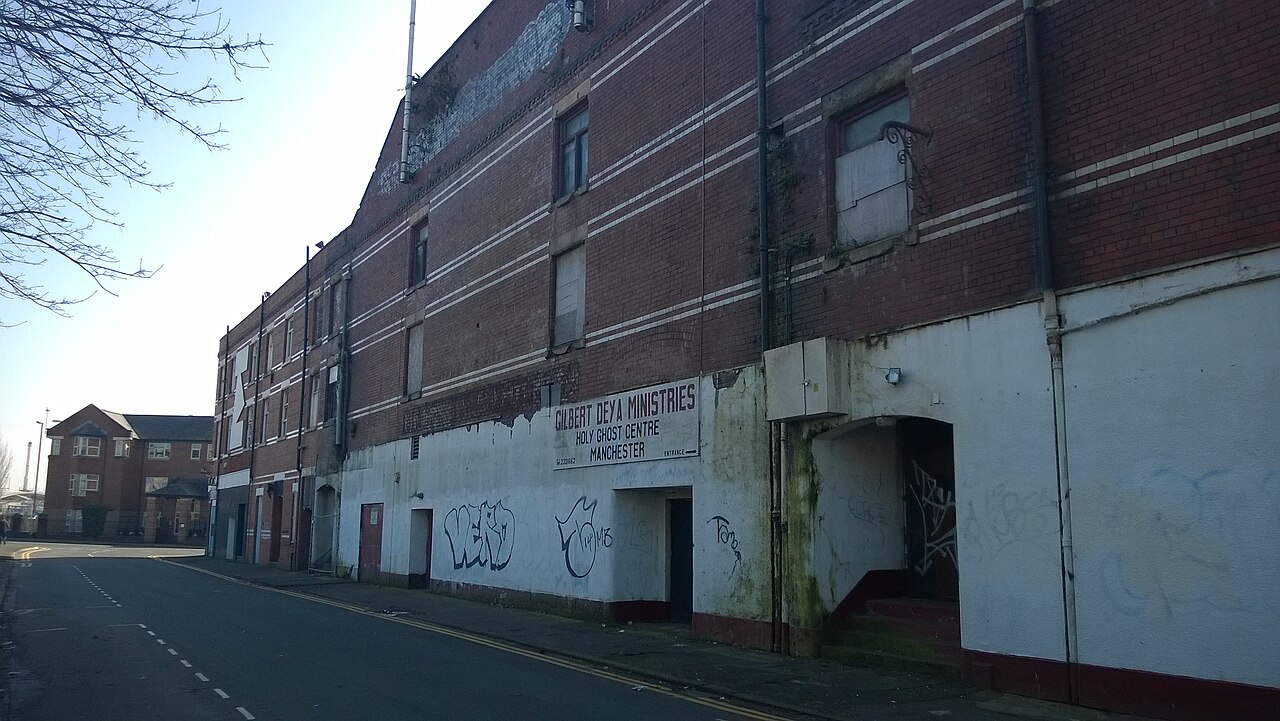
Hulme Hippodrome is located in Hulme, south of Manchester city centre. Buses connect the district with central Manchester, and the city’s established roads make the area straightforward to approach as part of an urban route. Manchester Oxford Road and Manchester Piccadilly are the principal railway stations for visitors arriving by train. Walking south from the city centre takes roughly twenty to thirty minutes, depending on your starting point and pace. Once in Hulme, approach from public streets and use the theatre as a neighbourhood landmark rather than expecting a dedicated tourist forecourt or large visitor entrance.
Checked 2026-08-26 · Source
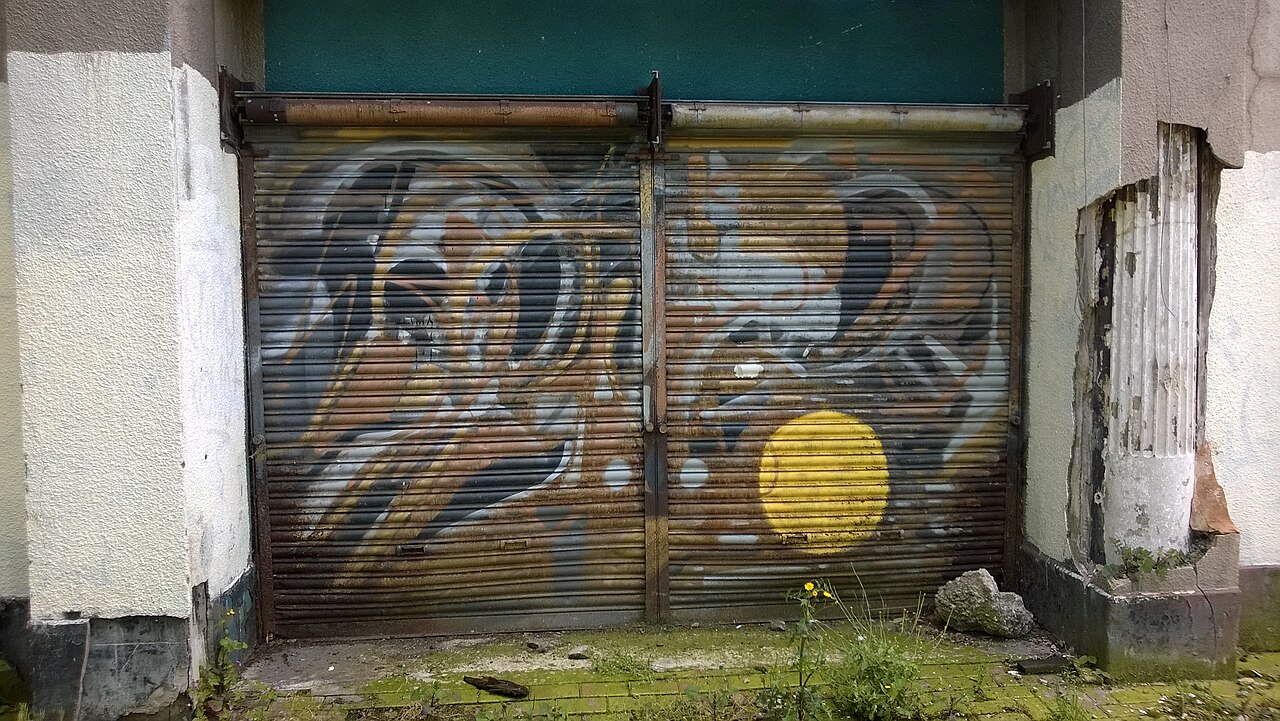
Treat Hulme Hippodrome as an exterior heritage stop and respect the building’s boundaries. Do not cross barriers, enter restricted areas or treat the site as an urban-exploration opportunity. Hulme has experienced substantial regeneration, so the present surroundings may differ from older photographs and the approach can include busy streets or building work. Keep clear of traffic while viewing or photographing the frontage, and leave pavements open for local residents. The stop suits travellers who value architecture, atmosphere and neighbourhood history more than a packaged indoor attraction with a scheduled visitor route.
Checked 2026-08-26 · Source
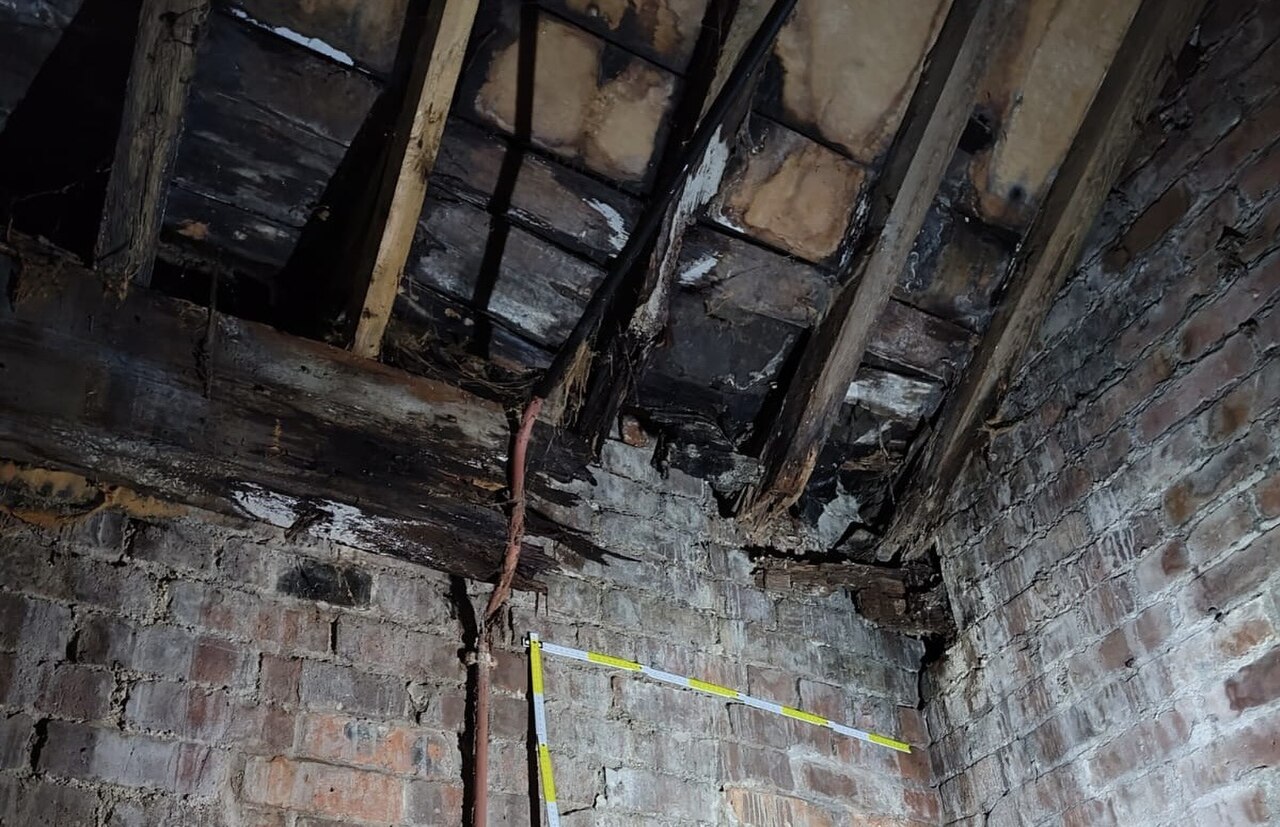
The theatre frontage and its relationship with Hulme provide the strongest photographic subjects. Work from public streets, keep clear of passing traffic and avoid blocking pavements. Morning and afternoon daylight can help reveal facade details, while a wider lens is useful when the building cannot be framed from a great distance. Include nearby streets in some images to show the Hippodrome as part of Manchester’s changing urban landscape. Photograph the exterior respectfully and do not let a camera suggest permission to enter. A short architectural study can be more meaningful than taking only a single front-on image.
Checked 2026-08-26 · Source
It is a historic Victorian-era theatre building in Hulme, south of Manchester city centre, best experienced as an exterior architectural and neighbourhood-history stop.
The main experience is the theatre’s substantial exterior, its historic theatrical character and its setting within Hulme’s changing urban streetscape.
Allow roughly fifteen to thirty minutes for a focused exterior visit, or longer if you want to study the architecture and surrounding neighbourhood.
An ordinary exterior stop from the surrounding public streets is not planned as a conventional ticketed attraction.
Buses connect Hulme with central Manchester, while walking south from the centre takes roughly twenty to thirty minutes depending on your starting point and pace.
No. Its visitor value is the historic theatre exterior and its setting within Hulme, rather than a conventional museum exhibition route.
Loading the interactive map…
The interactive map could not be loaded.
Last updated:
Source: OpenStreetMap contributors, Wikidata ·