


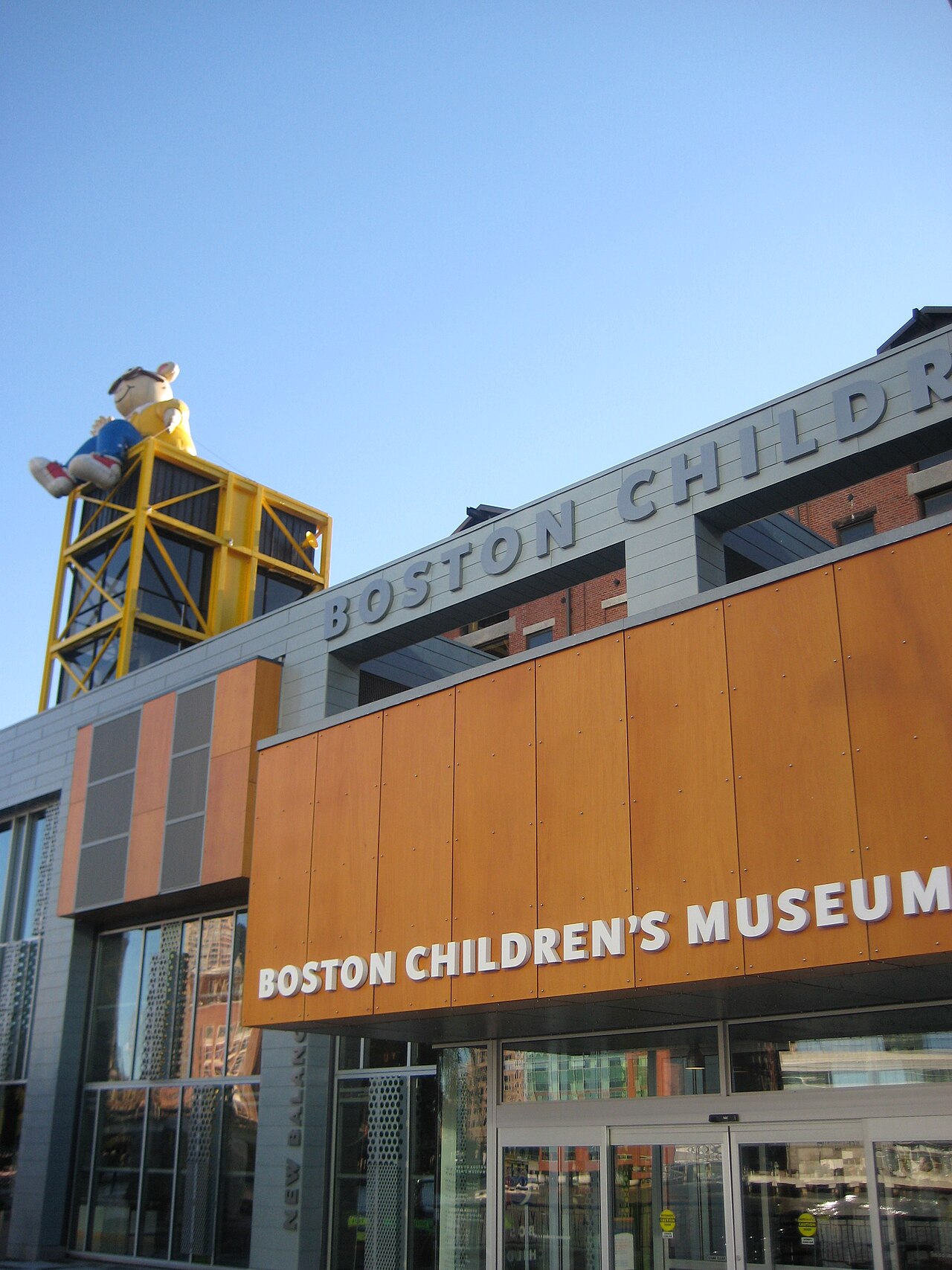
2 min walk
Boston Children's Museum
- Must see
- Museum
Language · 11 published
Museum · Boston
Reviewed by Elena Voss · Roavina Travel Editor
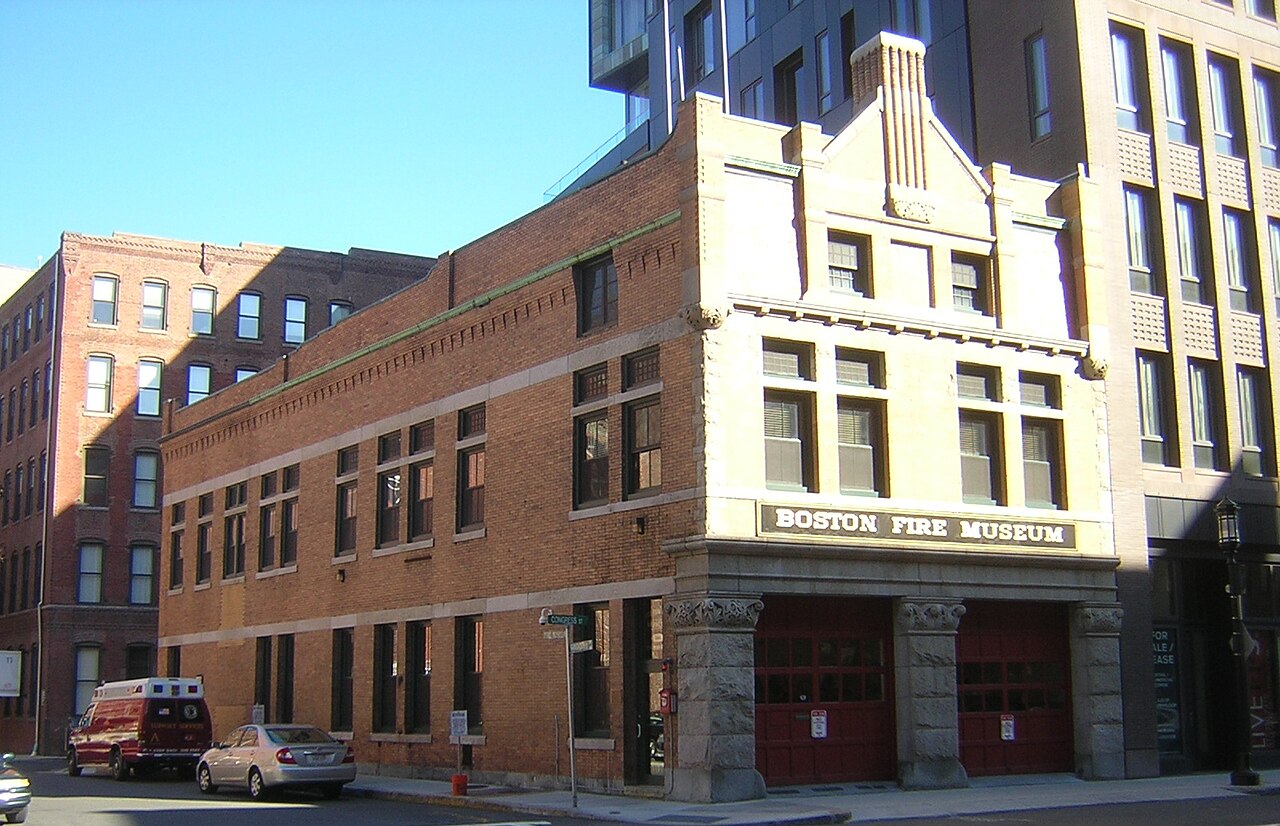
This place is a Museum.
Boston Fire Museum occupies the historic Congress Street Fire Station near Boston's waterfront in South Boston. The museum preserves the history of one of America's oldest fire departments through antique apparatus, equipment, documents, and memorabilia. Its setting matters: the building began as a functioning municipal fire station and now presents firefighting history to visitors. The collection connects technological change with the people and institutions responsible for protecting a growing American city from fire. The Boston Fire Museum occupies the historic Congress Street Fire Station, a landmark building near the waterfront in South Boston. The museum preserves and displays the history of firefighting in Boston, one of America's oldest fire departments. Housed in a former active fire station, the institution maintains a collection of antique fire apparatus, equipment, and memorabilia that document the evolution of fire service from the nineteenth century onward. No. The museum occupies a historic former station approximately twenty metres from the still-active Congress Street Fire Station, which continues emergency operations.
Checked 2026-08-26 · Source
The collection includes hand-pulled and horse-drawn fire engines, early steam-powered pumping equipment, and motorized fire trucks from different periods. Visitors can also see leather buckets, helmets, badges, uniforms, tools, photographs, and documents. Together, these objects show how firefighting moved from manual equipment toward mechanized and professional service. Displays also bring attention to the firefighters themselves and to the department's responses to major Boston fires. The museum therefore works for visitors interested in machinery, civic history, uniforms, or urban safety.
Checked 2026-08-26 · Source
Most visitors can allow forty-five to ninety minutes. A shorter walk-through suits travelers who want to see the principal apparatus, while a longer visit leaves time for tools, uniforms, photographs, documents, and restoration details. The compact museum concentrates its collection efficiently, so the experience depends more on reading and close inspection than on covering a large building. Families may move at different speeds, especially when children focus on the engines and trucks rather than the written history.
Checked 2026-08-26 · Source
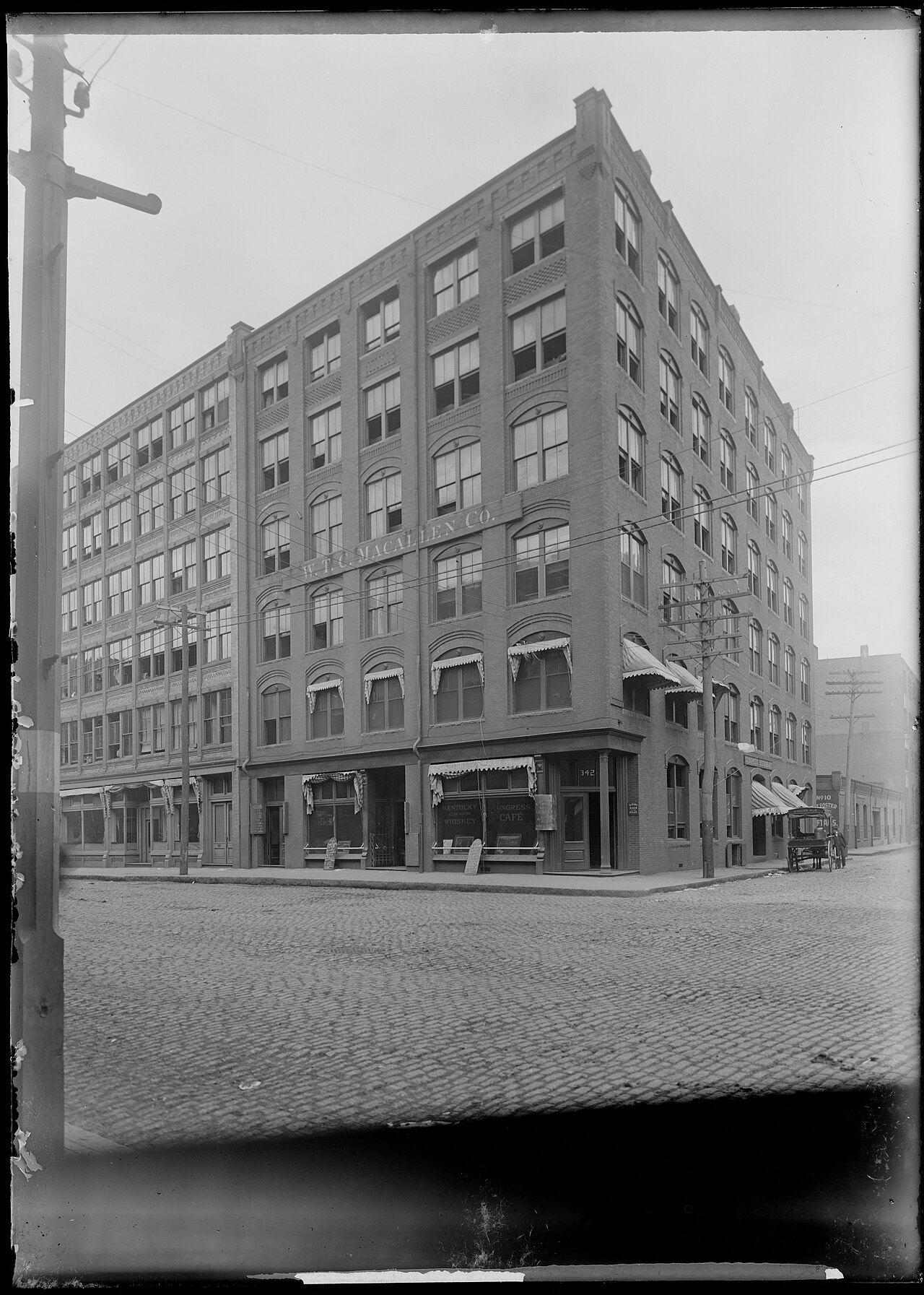
A visit fits naturally into a South Boston or waterfront day, particularly for travelers interested in the city's working history. The museum is a small specialist institution, so its character is more focused than that of a large metropolitan museum. Choose a time when you can give the apparatus and documents close attention rather than treating the stop as a quick photograph. The nearby waterfront setting also makes it possible to combine the museum with a walk through Boston's changing maritime districts.
Checked 2026-08-26 · Source
The museum's focus is its collection of historic firefighting apparatus, equipment, uniforms, photographs, and documents. Build the stop around the exhibits and allow enough time to examine the machinery closely. Because the museum occupies a compact historic station, the visit feels concentrated rather than expansive. It combines well with a waterfront walk, especially for travelers who want a smaller institution alongside Boston's larger attractions. The former station setting gives the collection a direct connection with the city's civic and emergency-services history.
Checked 2026-08-26 · Source
Boston Fire Museum is on Congress Street in South Boston, close to the active Congress Street Fire Station. The still-operating station is separate from the museum, so look for the museum entrance and keep emergency access clear. Bus routes serve the wider South Boston and Seaport area. Walking from central Boston across the Fort Point Channel bridges is possible, while taxis and ride services provide another option. Driving can be difficult because waterfront streets have limited parking and ongoing development.
Checked 2026-08-26 · Source
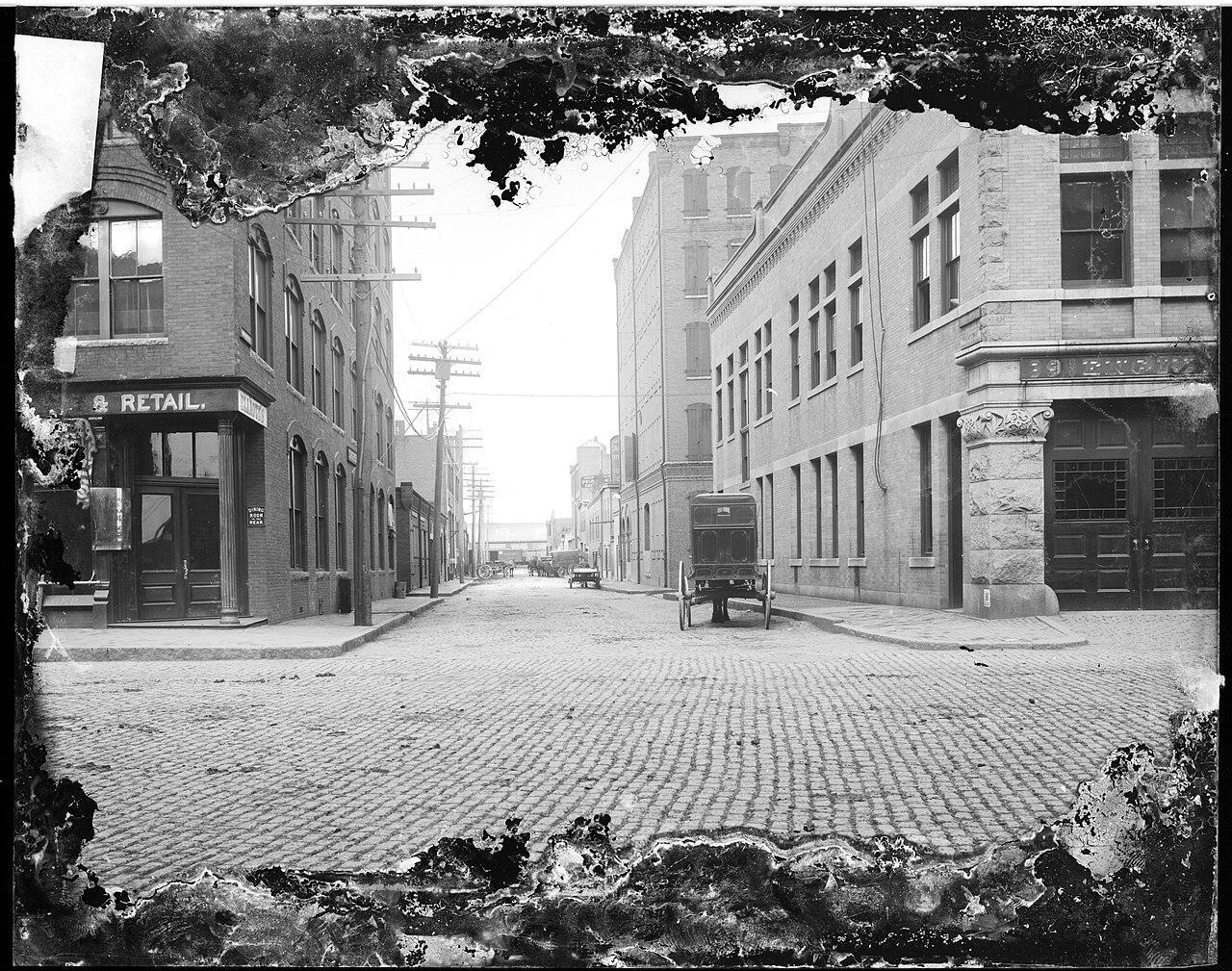
The museum stands beside an active emergency-services facility. Do not block the neighboring station, its doors, or any route used by fire apparatus. The historic building may include stairs and narrow doorways typical of older municipal structures. Wind and temperature changes can be noticeable on the waterfront approach. South Boston and the Seaport continue to change, so construction and traffic can affect the walk. The museum's small scale makes patience useful when several visitors gather around the same large apparatus.
Checked 2026-08-26 · Source
Antique engines, steam equipment, helmets, uniforms, and the historic station interior provide the museum's strongest photographic subjects. Wide views can show the scale of the apparatus, while closer images bring out tools, badges, leather, and mechanical details. Work carefully in the compact rooms so equipment does not obstruct other visitors. Follow any museum directions concerning flash, tripods, or other equipment. The neighboring active station should remain a working backdrop rather than a space for staged photographs or anything that interferes with emergency operations.
Checked 2026-08-26 · Source
No. The museum occupies a historic station, while the Congress Street Fire Station nearby remains an active emergency-services facility.
The collection includes hand-pulled and horse-drawn engines, steam-powered pumping equipment, motorized fire trucks, leather buckets, helmets, uniforms, badges, and tools.
Photographs and documents trace Boston's fire history and department responses, while uniforms and personal equipment show the work of firefighters across different periods.
Allow approximately forty-five to ninety minutes, depending on how closely you examine the apparatus, tools, photographs, and documents.
It is on Congress Street in South Boston near the waterfront and beside the active Congress Street Fire Station.
The building is a former functioning municipal fire station that now preserves Boston firefighting history and presents it through public exhibits.
Loading the interactive map…
The interactive map could not be loaded.
Last updated:
Source: OpenStreetMap contributors ·