
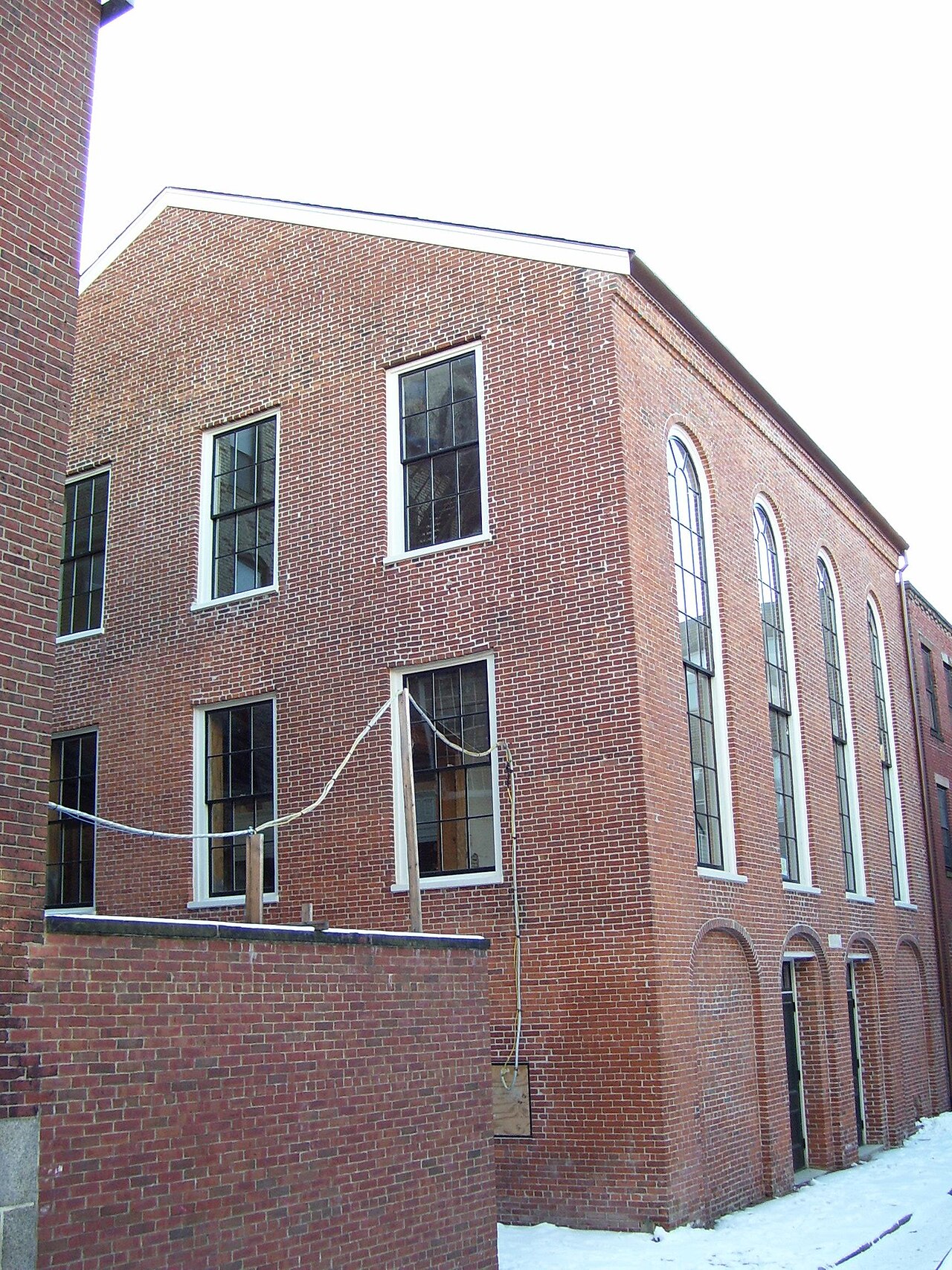
3 min walk
African Meeting House
- Must see · Heritage site
- Historic monument
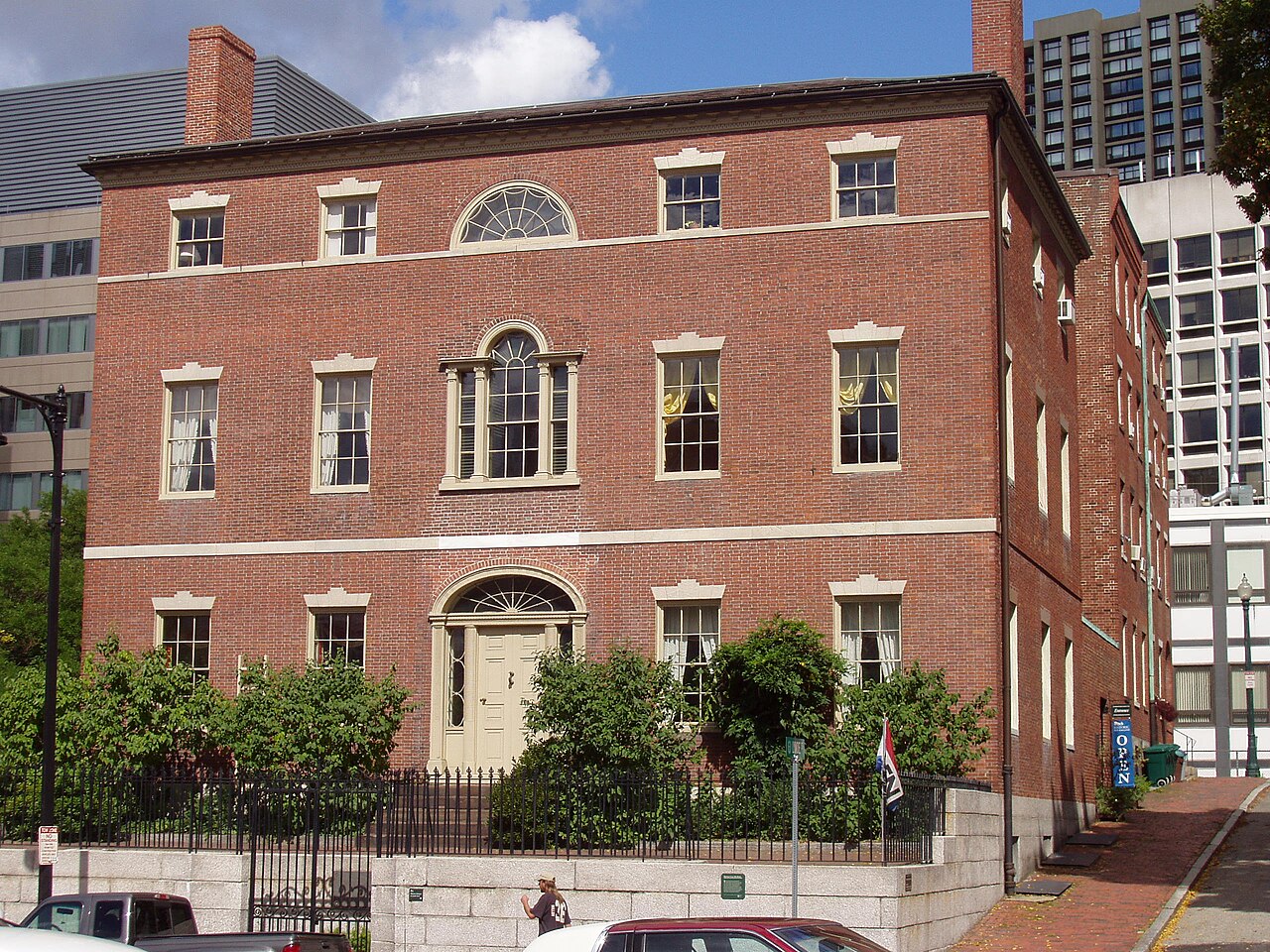
Museum · Boston
Otis House Museum
First Harrison Gray Otis House is a Federal-era house museum in Boston, associated with lawyer and politician Harrison Gray Otis. Designed by Charles Bulfinch, it is the first of three houses created for Otis and represents the confidence of Boston's post-Revolutionary elite. The building is now interpreted by Historic New England. Its appeal comes from the meeting of architecture, household history, decorative arts, and the wider social world of early American Boston. The First Harrison Gray Otis House is a Federal-era house museum in Boston, operated as the Otis House Museum. Built for lawyer and politician Harrison Gray Otis, it represents early American high-style architecture. The structure is recognized as the first of three houses designed for Otis by architect Charles Bulfinch. It stands as a significant example of late-eighteenth-century domestic architecture in New England, reflecting the aspirations of Boston's post-Revolutionary elite. The property is now a historic house museum managed by Historic New England, dedicated to preserving and interpreting this period of American history. The house was designed by architect Charles Bulfinch, who created three houses for Harrison Gray Otis.
Checked 2026-08-26 · Source
The museum presents Federal-period rooms with architectural details, furnishings, wallpapers, textiles, and decorative objects chosen to convey the Otis household and its social setting. Public and private spaces help explain how an affluent Federal-era home functioned. Look beyond the polished rooms to the labor that sustained them: the interpretation also addresses servants and enslaved people connected with households of this kind. That broader framing makes the house more than a celebration of one prominent family. The interior preserves Federal-era decorative elements and architectural features characteristic of Charles Bulfinch's residential designs. Visitors encounter period rooms furnished to reflect the tastes and lifestyle of the Otis family and their social circle.
Checked 2026-08-26 · Source
Allow approximately forty-five minutes to one hour for a normal visit. The compact house is manageable within a central Boston walking day, while a slower pace benefits visitors interested in Federal architecture, Charles Bulfinch, decorative arts, or social history. Guided interpretation gives the rooms their historical meaning, so leave time to listen rather than treating the building as a quick exterior landmark. Extra time is worthwhile for questions and close inspection of architectural details.
Checked 2026-08-26 · Source
The Otis House fits naturally into a Beacon Hill and downtown walking day. Spring through autumn makes the surrounding historic streets comfortable for combining several nearby sights, while winter visits benefit from a tighter route between indoor stops. The museum experience is guided and takes place inside a preserved home, so the quality of the visit depends on having enough time for the rooms and interpretation. Plan it as a focused historical stop rather than a brief photo call.
Checked 2026-08-26 · Source
The Otis House is a museum visit with admission rather than an open public building. Historic New England operates the property, and the visit centers on preserved rooms, guided interpretation, and early American domestic history. If you are planning several historic properties, the organization's broader museum network may be relevant to your day. Treat the house as a scheduled indoor attraction, with the neighborhood walk around it providing the free public part of the experience.
Checked 2026-08-26 · Source
The house is in Boston's Beacon Hill area, where walking is the most natural way to connect the museum with nearby historic streets and downtown sights. MBTA services reach the surrounding central neighborhoods, followed by a walk through a compact but narrow historic street pattern. Driving is inconvenient because curb parking is limited and resident restrictions are common. A nearby commercial garage is a more dependable choice for visitors arriving by car.
Checked 2026-08-26 · Source
The building's historic character brings stairs, narrow doorways, older floor surfaces, and rooms not designed around modern visitor flow. Do not touch period furnishings or lean against architectural elements. Keep children close around fragile objects. Seasonal temperatures inside an old house can differ from outdoor conditions. The interpretation includes servants' work and enslaved labor, placing the Otis family's comfortable rooms within a more complex history that deserves attentive listening.
Checked 2026-08-26 · Source
The house offers photographs of Federal-era proportions, wallpapers, furnishings, textiles, decorative objects, and the relationship between public and private rooms. Compact spaces make bulky equipment awkward, so a small camera or phone is easier to use. Let the guided experience lead your pace and keep images from interrupting other visitors. Architectural details are especially rewarding when you frame them with enough surrounding room to show how Bulfinch's design organizes the interior.
Checked 2026-08-26 · Source
Architect Charles Bulfinch designed the house for Harrison Gray Otis. It was the first of three houses Bulfinch created for him.
It represents Federal-era architecture, an early American style associated with refined domestic design after the Revolution.
Historic New England operates the Otis House Museum and presents its architectural and social history.
Plan approximately forty-five minutes to one hour for the furnished rooms, guided interpretation, and architectural details.
It is in Boston's Beacon Hill area, close to central Boston's historic streets and downtown walking routes.
The museum covers Federal architecture, the Otis household, decorative arts, domestic life, servants' work, and enslaved labor in early American households.
Loading the interactive map…
The interactive map could not be loaded.
Last updated:
Source: OpenStreetMap contributors, Wikidata ·