

2 min walk
Beacon Hill
- Must see
- Viewpoint
Museum · Boston
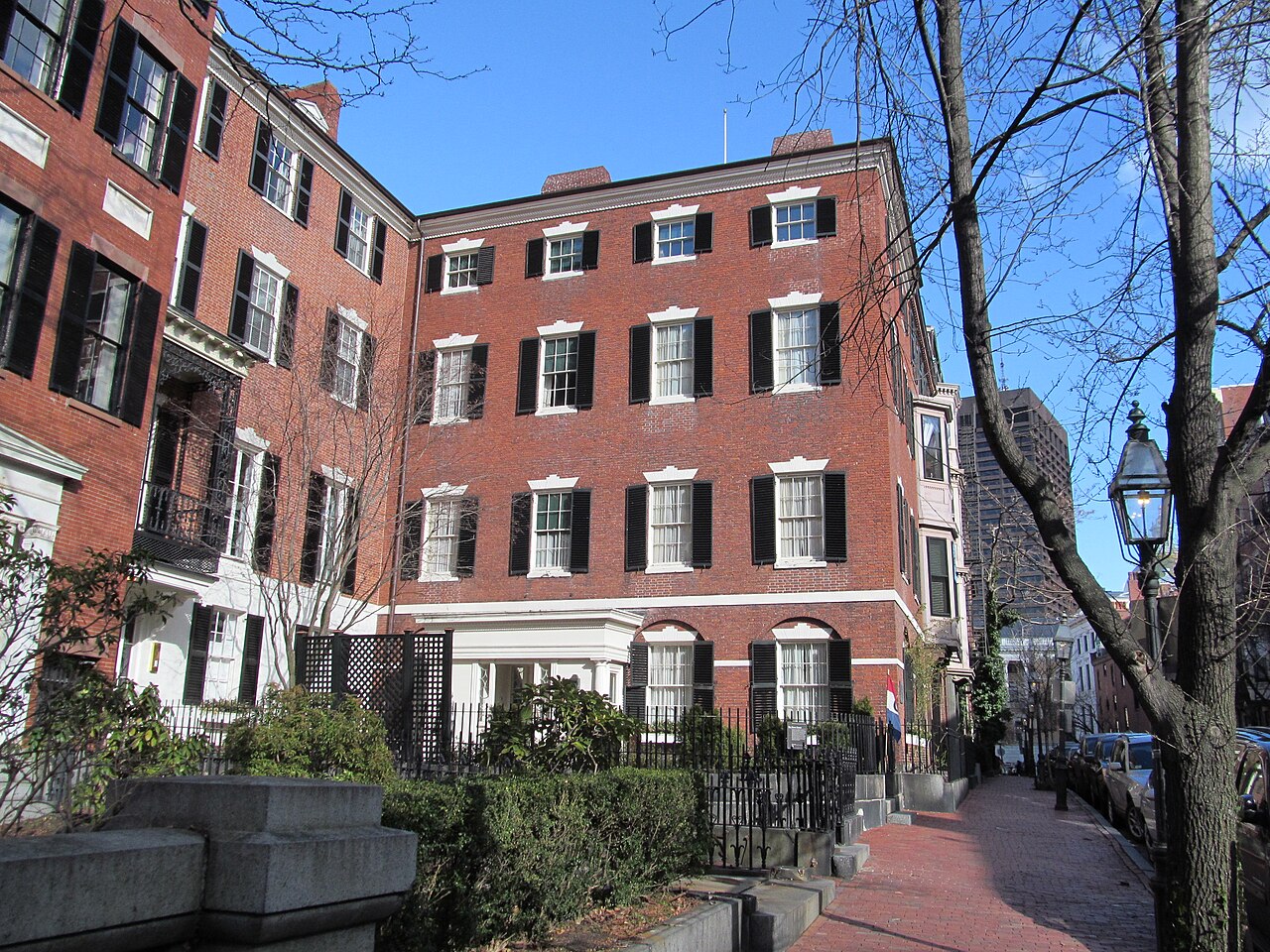
Nichols House Museum is a historic house museum in Boston’s Beacon Hill neighborhood. The former Nichols family residence preserves the domestic setting of a wealthy Boston household whose members lived in the house for nearly a century. The building, rooms, furnishings, and decorative details create a compact visit focused on family life, architecture, social history, and changing tastes from the late nineteenth and early twentieth centuries. Its location also places the museum within one of Boston’s most distinctive historic streetscapes, where brick townhouses, narrow lanes, and carefully preserved details shape the experience before and after the indoor visit.
Checked 2026-08-26 · Source
The museum’s principal attraction is the preserved domestic interior. Visitors encounter furnished period rooms containing original furniture, artwork, books, household objects, and decorative pieces collected or used by the Nichols family. Family portraits and sculpture connect the rooms to the people who lived there, while the arrangement of objects shows how affluent Bostonians received guests, displayed culture, and organized daily life. The house is especially rewarding when details are read together: a piece of furniture, a painting, and the surrounding room can explain both personal taste and social position. The collection also includes archival material that helps place the household within Boston’s cultural life.
Checked 2026-08-26 · Source
Allow about one hour for the Nichols House Museum. The visit is compact, but the original objects and furnished rooms reward slow looking. A guided tour forms the main experience, so the pace includes explanations of the family, the architecture, and the objects rather than a quick independent walk through empty galleries. Visitors interested in decorative arts or Beacon Hill architecture can use the time to study surfaces, portraits, furniture, and room relationships. The museum also fits naturally into a longer Beacon Hill walk, with the surrounding neighborhood providing additional historic context once the indoor visit ends.
Checked 2026-08-26 · Source
Nichols House Museum suits a culture-focused stop during a walk through Beacon Hill. Spring and autumn make the neighborhood especially pleasant for combining the museum with outdoor sightseeing, while summer brings more visitors to central Boston. Because the house is intimate and the principal experience is docent-led, the timing of a visit matters more than the size of the building suggests. Build the museum into a day with some flexibility around the tour experience, then leave time to walk the nearby streets. The indoor rooms provide a focused cultural activity when outdoor weather is uncomfortable.
Checked 2026-08-26 · Source
Treat the museum as a short, separately planned stop within a Beacon Hill itinerary. The compact scale makes the visit easy to combine with other central Boston sights, while the guided format gives the admission its interpretive value. Visitors choosing this museum are paying for access to a preserved family home and the explanation of its rooms, objects, and social history, rather than for a large exhibition complex or a broad collection of galleries.
Checked 2026-08-26 · Source
Nichols House Museum is in Beacon Hill, a neighborhood best approached as part of a central Boston walking route. Park Street, Charles Street, and Government Center are useful nearby transit reference points, with the final approach continuing through historic streets. The area’s narrow roads and limited parking make public transport and walking more practical than driving directly to the house. A visit pairs well with time on Charles Street and the surrounding Beacon Hill lanes, where the architecture provides a continuous setting for the museum’s domestic history.
Checked 2026-08-26 · Source
The Nichols House Museum is an intimate historic home with stairs, narrow doorways, furnished rooms, and original objects close to the visitor route. Move carefully through the interiors and keep children close to avoid contact with fragile furnishings. The small scale also means that tour groups share confined spaces, so the experience feels personal rather than spacious. Period floors and changing indoor temperatures can make comfortable shoes and adaptable clothing useful. The house’s historic character is part of its appeal, but the same features can make movement more demanding than in a modern museum.
Checked 2026-08-26 · Source
The furnished rooms offer photographs of Beacon Hill interiors, period furniture, portraits, sculpture, and architectural details. Work slowly with the room arrangement: wider views show how the household was organized, while close views reveal decorative objects and personal belongings. Keep equipment compact because passages and rooms are limited. Avoid flash unless museum signage expressly permits it, and follow staff directions around fragile works, textiles, books, and archival material. Exterior photographs can extend the visit into Beacon Hill, where brick façades, doorways, railings, and street geometry provide a strong architectural counterpoint to the domestic rooms.
Checked 2026-08-26 · Source
Nichols House Museum preserves the former Nichols family home, including furnished period rooms, family portraits, sculpture, household objects, books, and archival material.
Allow about one hour, with extra time if you want to examine the furnishings, decorative arts, and architectural details closely.
Yes. Nichols House Museum is located in Boston’s Beacon Hill neighborhood and fits naturally into a walking route through the historic district.
The principal visitor experience is a guided tour through the furnished house, with interpretation of the Nichols family, the rooms, and the building’s architecture.
The museum suits visitors interested in domestic history, decorative arts, historic interiors, family stories, and Beacon Hill architecture.
After the museum, walk through Beacon Hill to see brick townhouses, narrow historic streets, Charles Street, and the neighborhood’s preserved architectural details.
Loading the interactive map…
The interactive map could not be loaded.
Last updated:
Source: OpenStreetMap contributors, Wikidata ·