
2 min walk
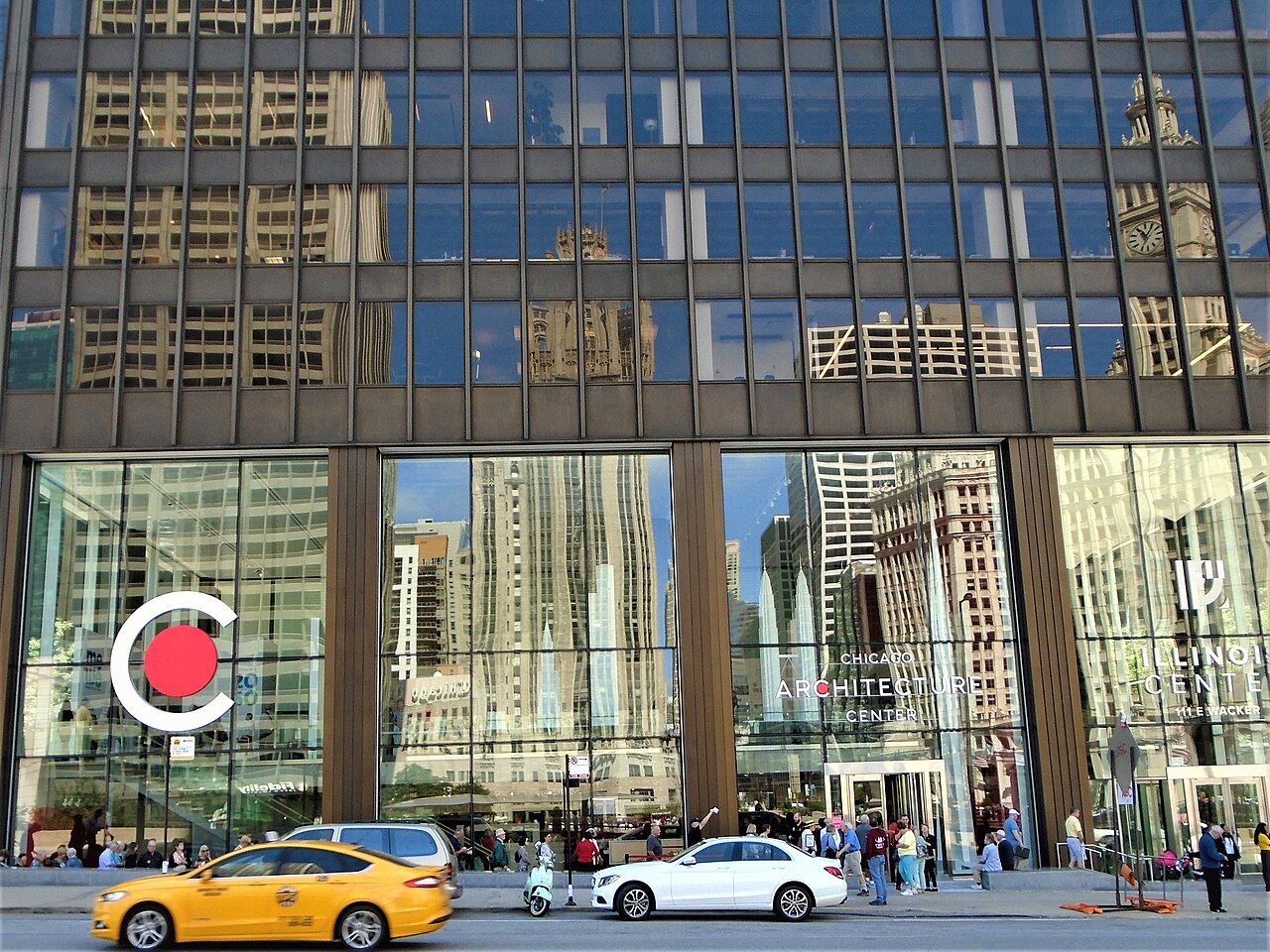
Chicago Architecture Center
- Must see
- Museum
Museum · Chicago
McCormick Bridgehouse & Chicago River Museum
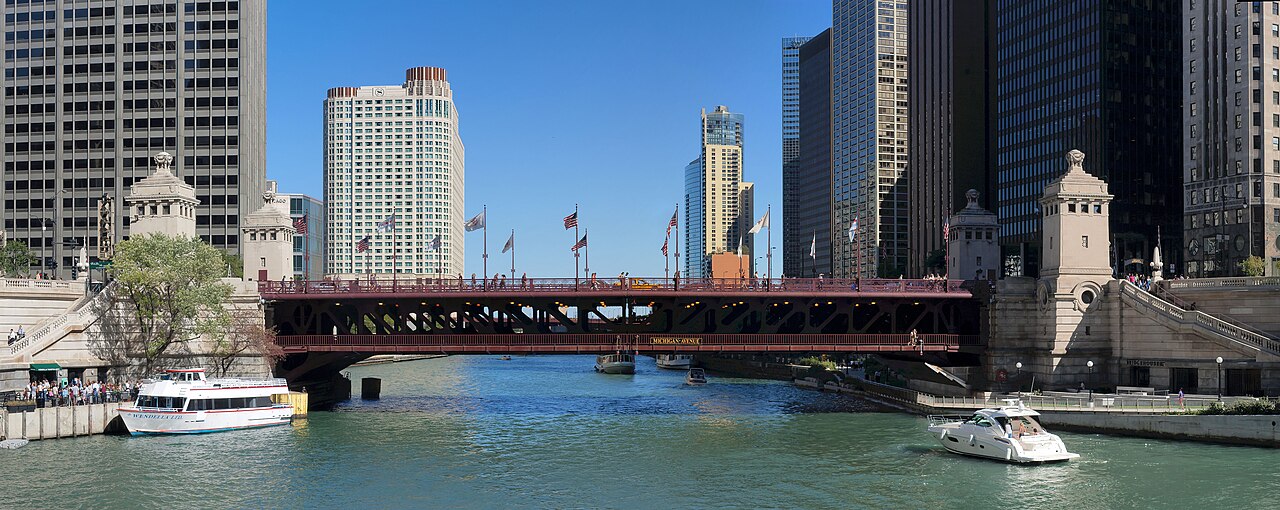
McCormick Bridgehouse & Chicago River Museum occupies the historic bridgehouse at the Michigan Avenue Bridge, now known as the DuSable Bridge, over the Chicago River. The small museum explains how Chicago’s river, movable bridges, and working infrastructure shaped the city. It is a specialised heritage stop rather than a conventional large museum: the building itself is part of the exhibit, and visitors encounter the machinery that once controlled the bridge. The museum links engineering with urban history, showing how a river crossing could influence Chicago’s growth as an inland port and commercial centre. Its riverfront location makes the visit easy to combine with a walk along the Chicago Riverwalk, Michigan Avenue, or the central business district. Travellers interested in civil engineering, industrial design, Chicago history, or unusual viewpoints will find a compact destination with a strong sense of place. The bridgehouse gives the river’s infrastructure a human scale and turns an everyday crossing into a historical experience.
Checked 2026-08-26 · Source
The museum contains exhibits on the Chicago River’s ecological and industrial history, water quality, and the engineering of movable bridges. Visitors can see genuine bridge machinery, including gears and counterweights, inside the bridgehouse. These mechanical elements explain how the Michigan Avenue bridge could move while serving a busy downtown crossing. Displays also connect the river’s environmental story with Chicago’s industrial development and later efforts to improve water quality. Viewing areas provide a perspective over the river and the surrounding urban landscape, adding the city itself to the museum experience. The building is compact, so the contents are concentrated: one room or mechanism can carry both technical and historical meaning. Read the interpretation alongside the machinery to understand how engineering, river traffic, urban commerce, and environmental change fit together. The museum’s value comes from this combination of physical infrastructure and explanatory displays, not from a large collection of unrelated objects.
Checked 2026-08-26 · Source
Allow about forty-five minutes to one hour for the main museum experience. That is enough time to inspect the bridge machinery, read the displays on the river’s history and ecology, and use the viewing areas without turning the visit into a hurried photo stop. Travellers with a strong interest in civil engineering, water management, or Chicago’s industrial history may want longer to study the technical details. The bridgehouse is a compact structure, so the visit has a focused rhythm rather than the open-ended circulation of a major city museum. Build extra flexibility into the day if the interior is busy or access to particular levels is managed for safety and capacity. The museum also works well as one element of a riverfront walk: combine the indoor exhibits with time on the Chicago Riverwalk and at the Michigan Avenue Bridge. A short visit can therefore become a broader urban-history experience without requiring a separate long excursion.
Checked 2026-08-26 · Source
The museum is most naturally paired with a Chicago Riverwalk outing, especially when weather makes the riverfront comfortable for walking. Spring, summer, and early autumn offer easier conditions for combining the bridgehouse with outdoor views, while winter can make the approach colder and more exposed. The museum’s interest increases when visitors can relate the displays to the active river and the bridge outside. Bridge lifting demonstrations, when part of the visitor experience, connect the machinery inside with the working structure above the river. A traveller planning around engineering or river history can place the museum at the centre of a short downtown route, then continue along the water or toward Michigan Avenue. The compact scale makes it suitable for a day with several stops, but the bridgehouse setting means crowding and movement through narrow spaces can influence the pace. Allow the museum to be a focused chapter in a riverfront itinerary rather than expecting a full-day attraction.
Checked 2026-08-26 · Source
The museum is a public heritage attraction inside the historic Michigan Avenue bridgehouse, with exhibits on the Chicago River and movable-bridge engineering. The supplied guide does not establish a current admission amount, payment method, discount structure, or booking arrangement, so the museum should not be assigned a fixed cost in a travel budget. Its compact public format suits a short cultural stop, while the wider riverfront setting offers additional experiences outside the museum. Budget planning should therefore separate bridgehouse access from meals, transport, parking, and any other Chicago Riverwalk activities. The visit’s principal value is the opportunity to see actual gears, counterweights, and bridge machinery in the structure they served. Travellers interested in urban infrastructure gain more by reading the interpretation and observing the engineering relationship between bridgehouse and river than by treating the site as a quick landmark photograph. Include time for the riverfront context, which is part of the attraction’s character even though it is outside the museum rooms.
Checked 2026-08-26 · Source
McCormick Bridgehouse & Chicago River Museum is at the Michigan Avenue Bridge on the Chicago River in downtown Chicago. The prominent bridge location makes the museum straightforward to combine with the Riverwalk, Michigan Avenue, the Loop, and nearby central attractions. Chicago Transit Authority buses and rail services cover the central business district, while the riverfront can be reached on foot from surrounding downtown areas. Parking in the central city is limited and expensive compared with walking or public transport, so a car adds complexity to a short visit. Approach the bridgehouse as part of a pedestrian route: the river, bridge, and surrounding towers help orient the walk. The waterfront setting also means that the final approach may involve outdoor exposure, even though the exhibits are indoors. A route from nearby hotels or attractions can place the museum between other central stops, making the bridgehouse a practical addition to a day focused on Chicago’s river, architecture, and engineering.
Checked 2026-08-26 · Source
The historic bridgehouse contains stairs, industrial machinery, and compact interior spaces. Travellers with mobility limitations should treat the stair layout as an important part of planning, because the structure was built as bridge infrastructure rather than as a modern gallery. Narrow areas can feel crowded during busy periods, and movement near machinery requires attention to barriers and visitor directions. Noise from bridge operations, traffic, or the riverfront can become part of the experience. Weather matters on the approach: rain, snow, ice, and strong temperatures affect the outdoor route along the river. Facilities such as seating and restrooms may be limited in a small museum. Children can find the gears and counterweights engaging, but adults should keep them close around industrial equipment and stairs.
Checked 2026-08-26 · Source
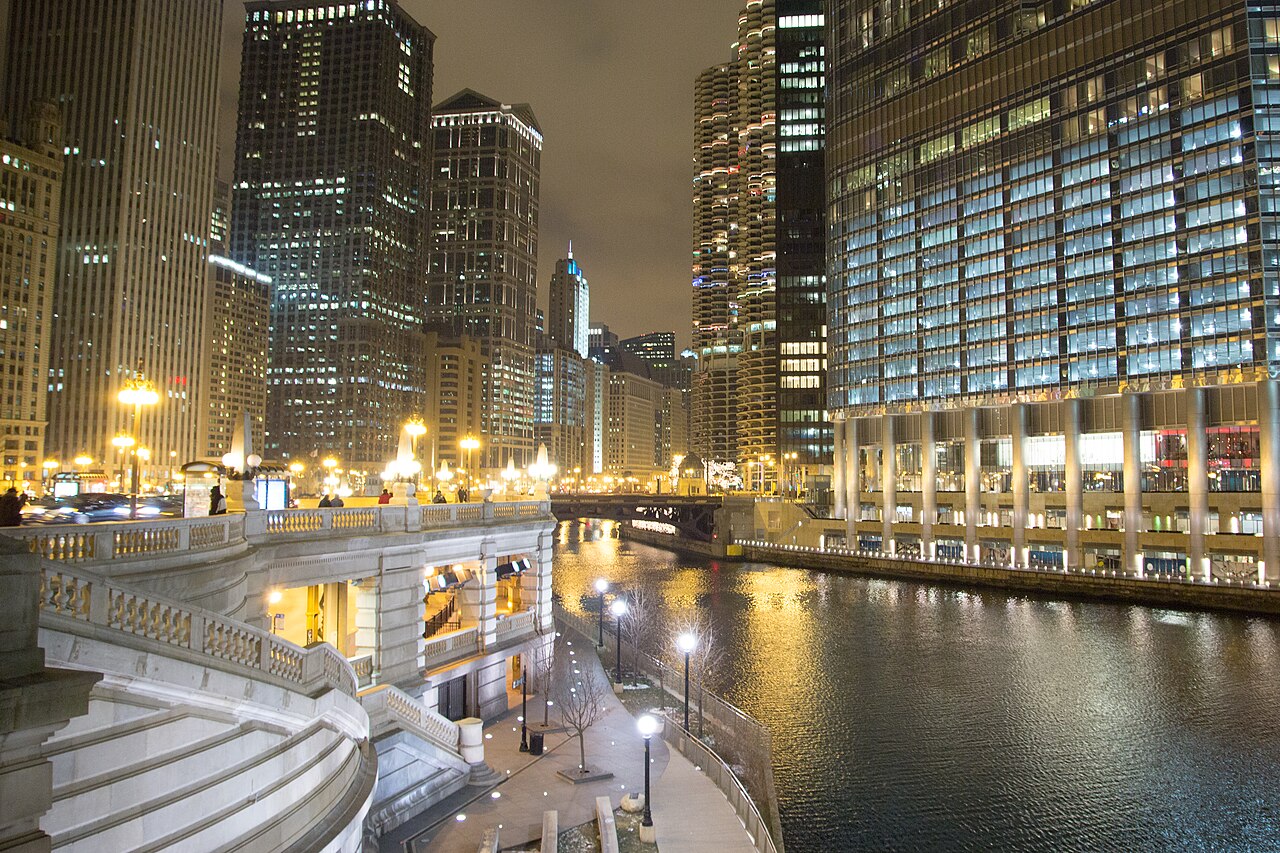
The bridgehouse offers distinctive photographs of gears, counterweights, industrial architecture, the Chicago River, and the Michigan Avenue Bridge. The machinery is the most specific visual subject, while the river views place the engineering inside the city landscape it serves. Compact rooms can make composition difficult when other visitors are moving through the space, and artificial light may vary across the exhibits. Do not let a camera interfere with barriers, machinery, or the circulation route. The supplied guide does not establish a photography policy, so flash, tripods, filming, and images of particular displays should follow signs and staff directions. Outside, the bridge and river provide wider angles and changing reflections, especially when the urban surroundings are visible around the bridgehouse. Use the visit to make two kinds of image: close studies of the working mechanism and broader views that explain how the bridge connects the city across the river.
Checked 2026-08-26 · Source
The museum contains genuine bridge machinery, including gears and counterweights used in the movable-bridge system.
Allow about forty-five minutes to one hour for the main exhibits, machinery displays, and viewing areas.
It is located at the Michigan Avenue Bridge, now called the DuSable Bridge, over the Chicago River in downtown Chicago.
The exhibits cover the Chicago River’s ecological and industrial history, water quality, and the engineering of movable bridges.
Yes. The bridgehouse sits directly on the Chicago River and works naturally as part of a Riverwalk and downtown walking route.
Yes. The museum occupies the historic bridgehouse that controlled the machinery of the Michigan Avenue movable bridge.
Loading the interactive map…
The interactive map could not be loaded.
Last updated:
Source: OpenStreetMap contributors, Wikidata ·