.jpg)
7 min walk
Bronzeville
- High · Heritage site
- Historic monument
Historic monument · Chicago
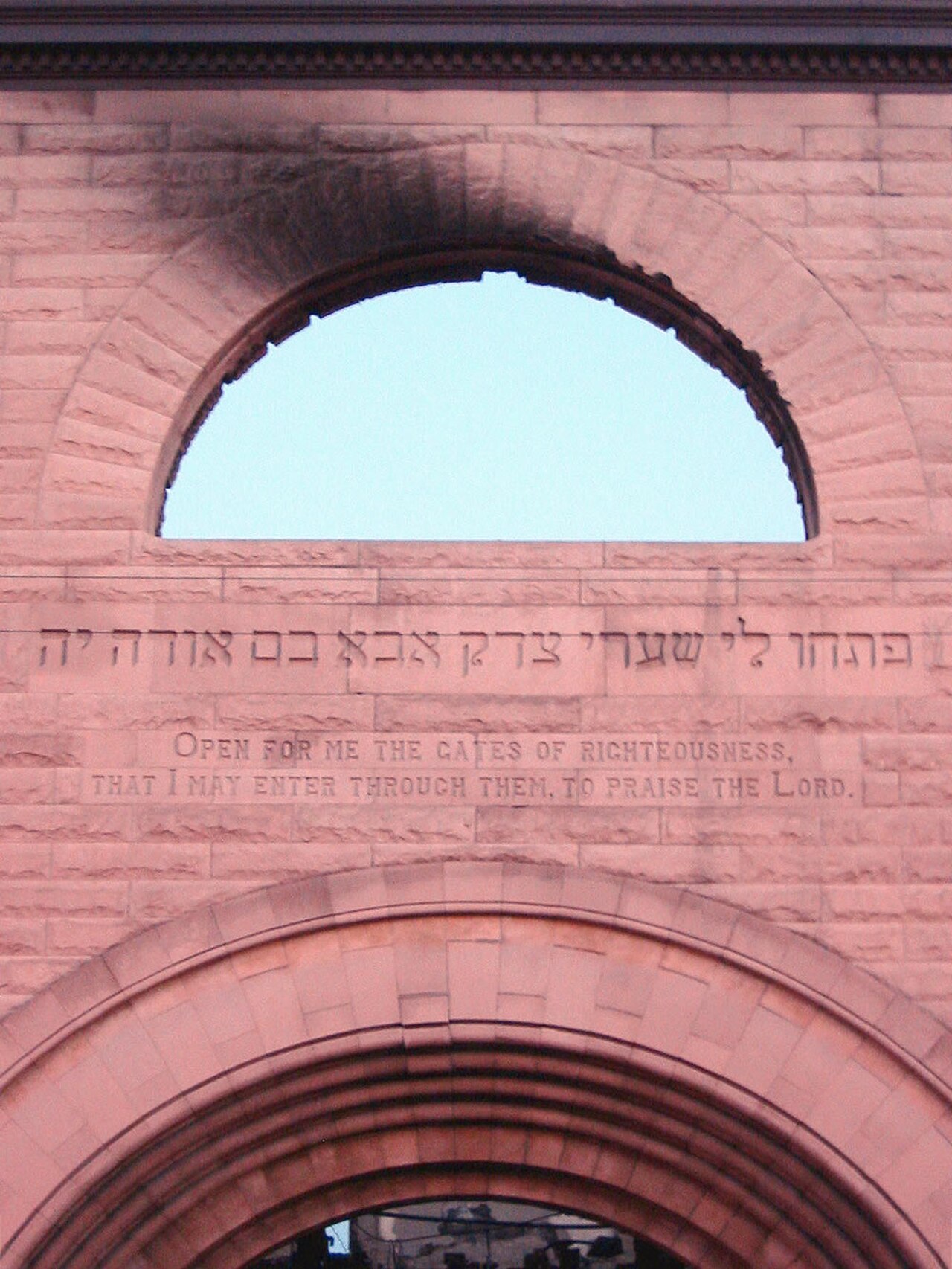
Pilgrim Baptist Church is a historic church building in Chicago’s Bronzeville neighbourhood, on the city’s South Side. The building joins two important stories: the architecture of Louis Sullivan and Dankmar Adler, and the development of African American gospel music. It was originally constructed as a synagogue before becoming a Baptist church, and Thomas A. Dorsey served as music director here while helping shape the gospel tradition. For travellers, Pilgrim Baptist Church is therefore more than a religious building or an architectural landmark. It represents the meeting of design, worship, Black cultural history, and musical innovation in Chicago. The site is best understood through its connection to Bronzeville, a neighbourhood whose streets carry a major African American historical legacy. Even when the visit is centred on the exterior, the building can anchor a meaningful route through the South Side. Approach it as a place of memory and cultural history, with the architecture and gospel story considered together rather than separately.
Checked 2026-08-26 · Source
The church’s historic interior was associated with architectural details linked to Sullivan and Adler, including stained glass and ornamentation. The sanctuary was the setting in which worship and gospel music history came together, particularly during Thomas A. Dorsey’s time as music director. The building also carries the marks of its later history, including significant damage from the 2006 fire. This combination of architectural ambition, religious use, musical development, and physical loss gives Pilgrim Baptist Church a different character from a fully functioning museum. The meaning of the site rests heavily on what happened there and on the communities connected with it. Visitors should focus on the building’s design, the sanctuary’s cultural role, and the gospel tradition that grew around the church. The exterior may provide the clearest available encounter with the landmark, while the interior history explains why the building matters. Bronzeville supplies the wider context: Pilgrim Baptist Church belongs to a neighbourhood story, not an isolated object removed from its community.
Checked 2026-08-26 · Source
Allow about thirty minutes to one hour for an exterior-focused visit and time in the surrounding Bronzeville streets. That period gives travellers room to study the Sullivan and Adler design, consider the building’s synagogue and Baptist history, and reflect on its relationship with gospel music. A longer visit makes sense when the church is part of a broader Bronzeville heritage route or when a service or special cultural event forms the centre of the day. The building’s history cannot be reduced to a quick photograph: the musical legacy of Thomas A. Dorsey and the development of gospel deserve a few quiet minutes of attention. Because the current visitor experience depends on permitted access and the condition of the historic structure, keep the itinerary flexible and make the exterior the dependable core of the stop. Pairing the church with other Bronzeville sites can turn a short landmark visit into a fuller exploration of African American cultural history on Chicago’s South Side.
Checked 2026-08-26 · Source
Pilgrim Baptist Church works best in a daylight Bronzeville itinerary, when the exterior architecture and surrounding streets can be read together. Chicago winters bring cold, snow, and difficult conditions for standing outside, while warmer seasons make neighbourhood walking more comfortable. The site’s religious identity also matters: worship and community activity have a different rhythm from a standard tourist attraction. Give the building a respectful place in the day, especially when observing the former church’s role in gospel music history. A route through Bronzeville can connect Pilgrim Baptist Church with the neighbourhood’s wider African American heritage, allowing the landmark to be understood in context. The 2006 fire is part of the building’s modern history and helps explain why the current encounter may differ from a conventional church interior visit. Plan enough time for the exterior and the surrounding area, and treat the location as a cultural-history stop rather than a guaranteed indoor sightseeing venue.
Checked 2026-08-26 · Source
Pilgrim Baptist Church is a historic religious building rather than a conventional ticketed museum. The supplied guide does not establish a standard tourist admission amount, so the church should not be assigned a fixed entrance cost in a travel budget. The most important distinction is between viewing the landmark from the public realm and entering for worship, a service, or a special cultural activity. Those experiences have different purposes and should be approached with appropriate respect. The building’s value comes from its architectural history, its Bronzeville setting, and its role in the development of gospel music, not from commercial visitor facilities. Travellers can include the exterior in a neighbourhood heritage walk without turning the stop into a paid attraction. If the church is connected with a musical or community event, the event itself belongs to a separate part of the itinerary. Keep the focus on the landmark’s cultural significance and on the people and traditions that made Pilgrim Baptist Church important in Chicago history.
Checked 2026-08-26 · Source
Pilgrim Baptist Church is in Bronzeville on Chicago’s South Side. The neighbourhood is served by Chicago Transit Authority bus and rail services, including the Green Line in the surrounding area. Travellers should place the church within a Bronzeville walking route, using the building and its streets as part of a wider exploration of African American history and culture. Driving means navigating a mixed residential and commercial neighbourhood and finding street parking near the landmark. Public transport and a planned walking route can keep the visit connected to the surrounding district rather than reducing it to a brief roadside stop. The South Side setting is geographically distinct from downtown Chicago, so allow the journey to become part of the day’s structure. Once in Bronzeville, move respectfully through the neighbourhood and give the church’s architectural and musical history enough attention. The building’s location makes most sense when paired with nearby heritage places, community history, and the broader story of Bronzeville.
Checked 2026-08-26 · Source
Pilgrim Baptist Church suffered significant fire damage in 2006, and that history is central to the way travellers should approach the site. Do not enter damaged or restricted areas, and treat any accessible space as a religious and historic environment rather than an ordinary attraction. Services or community activities require quiet, respectful behaviour, including appropriate conduct around worshippers and local residents. Bronzeville is a living neighbourhood as well as a heritage destination, so photography, conversation, and movement should not disrupt community life. Winter weather can make exterior viewing uncomfortable or hazardous, particularly around snow and ice. The church’s importance is cultural as well as architectural: its connection with Thomas A. Dorsey and gospel music deserves attention equal to the Sullivan and Adler design. Keep the visit grounded in the building’s history, use public routes, and respect barriers, signs, and the boundaries of the surrounding community.
Checked 2026-08-26 · Source
Pilgrim Baptist Church offers strong exterior subjects through its Sullivan and Adler architecture, its place in Bronzeville, and the visible story of a historic building affected by the 2006 fire. Photograph the structure as part of the neighbourhood rather than treating it as an empty backdrop: the church is tied to worship, African American cultural history, and the development of gospel music. The supplied guide does not establish an interior photography policy, so respect barriers, signs, services, and any directions from people responsible for the site. Ask before photographing interior areas, worshippers, community members, or private activity. Exterior views from public thoroughfares can show the building’s relationship with the surrounding streets, while close details can draw attention to architectural form and surviving ornament. Avoid sensationalising the fire damage. A thoughtful photograph should preserve the landmark’s dignity and communicate why Pilgrim Baptist Church matters to Bronzeville and to Chicago’s musical and architectural history.
Checked 2026-08-26 · Source
The building was designed by architects Louis Sullivan and Dankmar Adler.
Thomas A. Dorsey served as music director at the church and helped develop the gospel music tradition there.
The building was originally constructed as a synagogue before becoming Pilgrim Baptist Church.
It is located in Bronzeville on Chicago’s South Side, a neighbourhood with major African American cultural and historical importance.
The historic building suffered significant fire damage in 2006, which forms an important part of its modern history.
Look for the Sullivan and Adler architectural design, the building’s Bronzeville setting, and its connection with worship and gospel music history.
Loading the interactive map…
The interactive map could not be loaded.
Last updated:
Source: OpenStreetMap contributors, Wikidata ·