
61 min walk
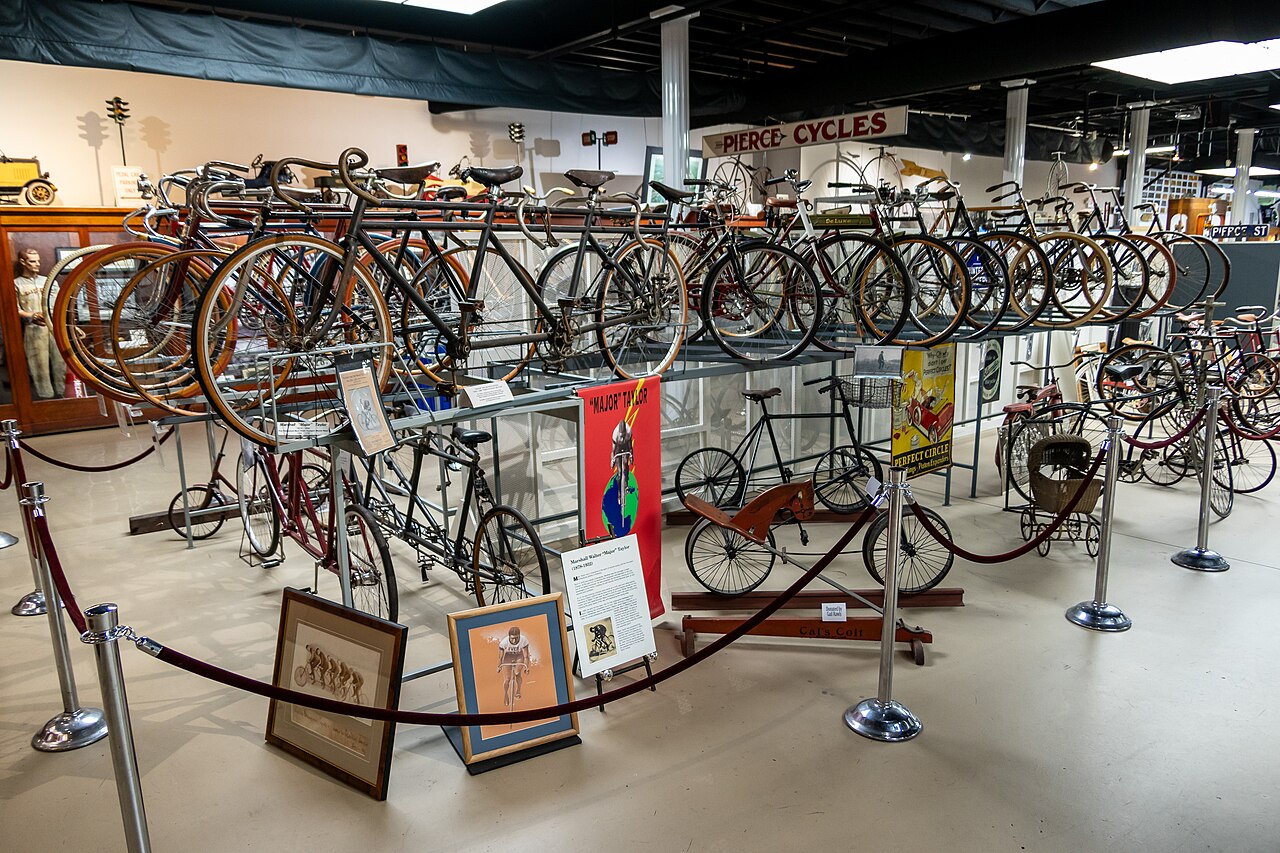
Marshall Major Taylor
- Notable
- Art and culture venue
Language · 11 published
Historic monument · Chicago
Reviewed by Elena Voss · Roavina Travel Editor
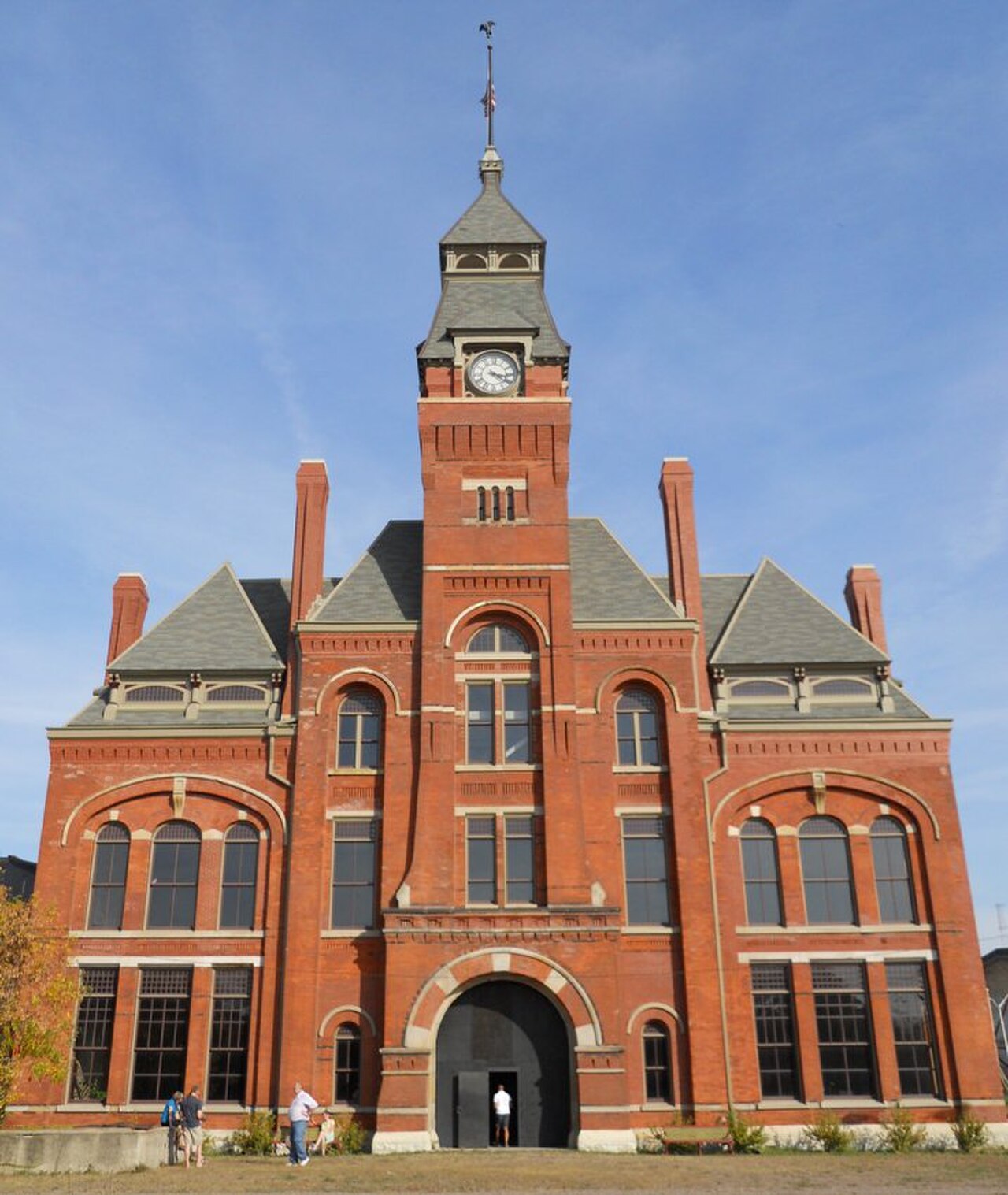
It carries the National Historic Landmark heritage designation. It is run by National Park Service.
Pullman National Historical Park preserves the historic Pullman district on Chicago's South Side. Established as a planned industrial community in 1880 by George Pullman for his railroad car manufacturing company, it represents a significant chapter in American industrial history. The site encompasses worker housing, the former factory complex, and the Hotel Florence. Designated a National Monument in 2015 and redesignated a National Historical Park in 2022, it commemorates both the model town concept and the pivotal 1894 Pullman Strike that shaped national labor law.
Checked 2026-08-26
The park contains the restored Pullman Factory Complex, the historic Hotel Florence, and numerous original worker row houses built in the 1880s. The Administration Building and Clock Tower, partially reconstructed after fire damage, serve as visitor focal points. The Pullman National Monument Visitor Center occupies rehabilitated factory space. The surrounding Pullman neighborhood retains much of its original streetscape and residential architecture. Interpretive displays examine the planned community's social structure, the Pullman Palace Car Company's operations, and the labor organizing that culminated in the nationwide strike of 1894.
Checked 2026-08-26
Visitors typically allocate two to four hours for meaningful exploration of Pullman National Historical Park. A self-guided walking tour through the historic district, including exterior viewing of worker housing and the factory complex, requires approximately ninety minutes to two hours. Those engaging with visitor center exhibits, watching interpretive films, or participating in ranger programs should plan additional time. The surrounding Pullman neighborhood warrants further walking for visitors interested in architectural details and the broader context of this planned industrial community. Full appreciation of the site's labor history significance benefits from unhurried engagement.
Checked 2026-08-26
Visitors should consult the National Park Service official website or contact the park directly before planning their trip. Chicago experiences substantial seasonal variation, with cold winters and warm summers. The outdoor walking nature of much Pullman exploration suggests favorable conditions during spring, summer, and autumn months. Winter visits remain feasible with appropriate clothing but may limit comfort during extended exterior touring. Special commemorative events may occur around Labor Day given the site's labor history significance, though specific programming should be verified through official channels. Check the operator's own site for the travel date before relying on a schedule or fare.
Checked 2026-08-26
As a unit of the National Park Service, Pullman National Historical Park typically operates without entrance fees, consistent with many national historical parks. However, visitors should verify current policies through official National Park Service channels before visiting. Some special programs or interior tours may involve separate arrangements. The surrounding Pullman neighborhood is freely accessible as a residential community. Any donations support National Park Service preservation and educational missions. Commercial tour operators may offer fee-based experiences independently of park administration. Check the operator's own site for the travel date before relying on a schedule or fare.
Checked 2026-08-26
Pullman National Historical Park sits on Chicago's South Side, approximately sixteen miles south of the Loop. The Metra Electric District train serves the nearby Pullman-111th Street station, providing public transit access from downtown Chicago. Several Chicago Transit Authority bus routes operate in the vicinity. Private vehicle access is possible via Interstate 94 and local streets, though visitors should respect residential parking regulations in this active neighborhood. The park's specific entrance location and wayfinding should be confirmed through official National Park Service resources. Cycling from other parts of Chicago is possible via lakefront and arterial routes.
Checked 2026-08-26
Pullman National Historical Park exists within a living residential neighborhood; visitors must respect private property boundaries and resident privacy. Not all historic structures are open for interior access. Construction or preservation work may limit access to certain areas. The surrounding community, while historically significant, has experienced economic challenges; visitors should exercise standard urban awareness. Weather conditions affect outdoor exploration substantially. Some original structures have suffered deterioration over decades before recent preservation efforts. Interpretive signage may not cover all points of interest comprehensively. Visitors seeking specific information should consult park staff rather than assuming access to all areas.
Checked 2026-08-26
Photography for personal use is generally permitted in National Park Service areas, though specific restrictions may apply to certain interior spaces or during special programs. The Pullman district offers substantial architectural photography opportunities, including the distinctive row house streetscapes, the factory complex ruins and reconstruction, and the Hotel Florence. Early morning and late afternoon light particularly suit the red brick structures. Drone operation requires explicit National Park Service authorization and is generally prohibited. Commercial photography or filming requires permits. Visitors should avoid photographing private residences intrusively, maintaining respect for the neighborhood's residential character.
Checked 2026-08-26
No. Portions of the Pullman Factory Complex have been rehabilitated for visitor use, including the visitor center, but full interior access to all original industrial spaces is not available. The extent of accessible areas should be confirmed with park staff during your visit.
Most original row houses remain private residences and are not open to the public. Some may offer occasional access through special programs or arrangements, but visitors should not enter any building without explicit invitation or signage permitting access.
The site is directly connected. The Pullman Palace Car Company employed thousands of African American men as sleeping car porters, and the 1894 strike and subsequent labor organizing, including the Brotherhood of Sleeping Car Porters founded by A. Philip Randolph, constitute significant interpretive themes at the park.
Not recorded. The surrounding Pullman neighborhood has limited commercial services. Visitors should plan accordingly and consult current information about nearby dining options before their visit.
The visitor center and some facilities likely meet accessibility standards, but the historic district's streets and some building entrances may present challenges. Visitors with specific accessibility needs should contact the park directly to confirm current conditions and available accommodations.
Yes, public streets traverse the Pullman neighborhood, but this is primarily a walking-oriented historic site. Parking availability and specific regulations should be observed. The residential character means visitors should drive cautiously and avoid treating the neighborhood as a scenic bypass.
Loading the interactive map…
The interactive map could not be loaded.
Last updated:
Source: OpenStreetMap contributors, Wikidata ·