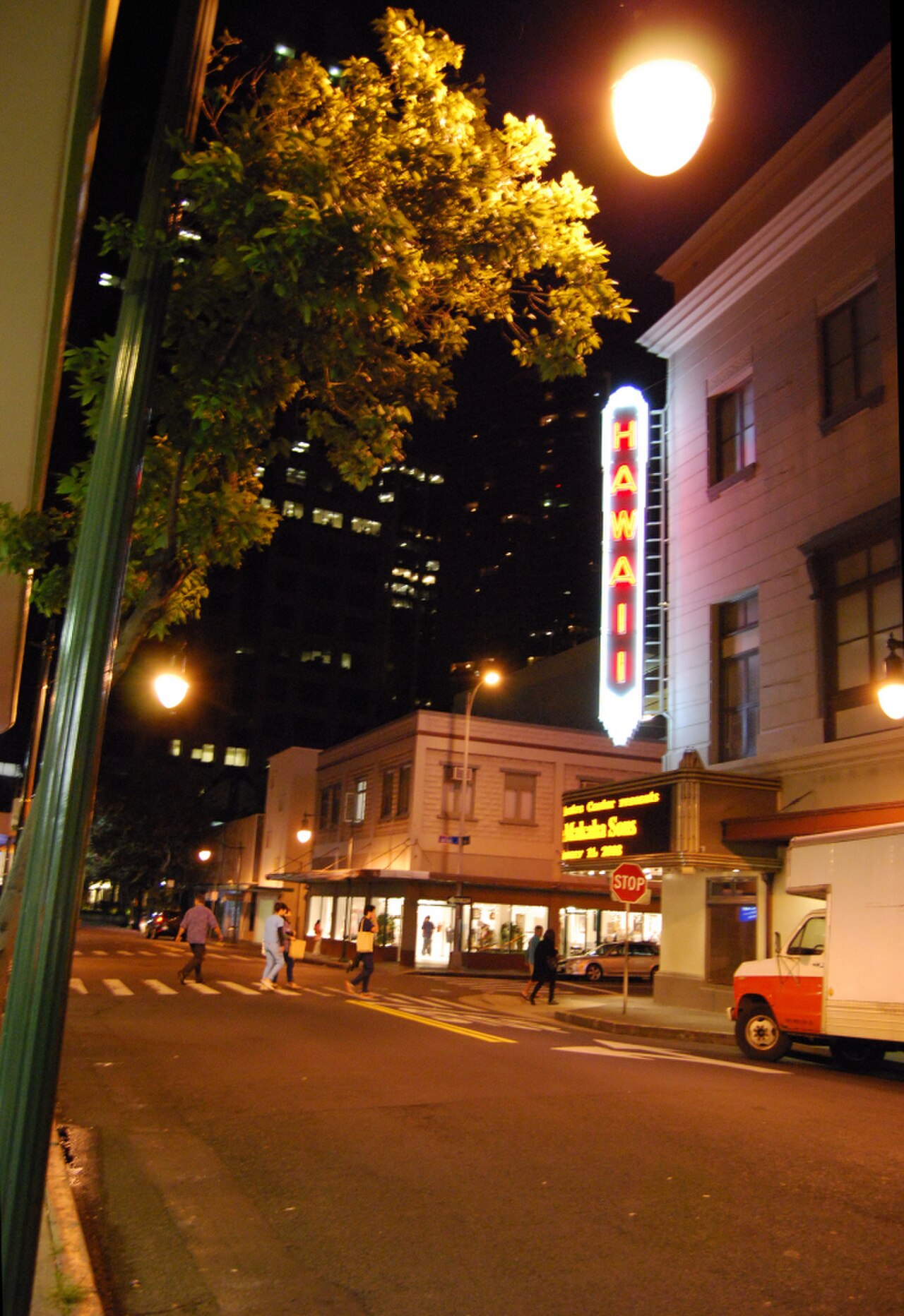
Hawaiʻi Theatre is a restored 1922 theatre and landmark performance venue in downtown Honolulu. Its historic character gives an evening at the theatre a different mood from a modern concert hall: the building itself forms part of the cultural experience. Travellers can visit for a performance or use the venue as an architectural point of interest in the downtown area, where Honolulu’s arts, civic and urban streets meet. The Hawaiʻi Theatre is a restored 1922 downtown theatre and landmark performance venue in Honolulu. It stands as a significant cultural institution in the city, having undergone restoration to preserve its historical character. The theatre serves as a prominent location for performances and events, contributing to Honolulu's arts scene. Its downtown location places it within the urban core of the city, making it accessible for residents and visitors seeking cultural experiences in a historic setting. Visitors should contact the theatre directly or check hawaiitheatre.com for current access options.
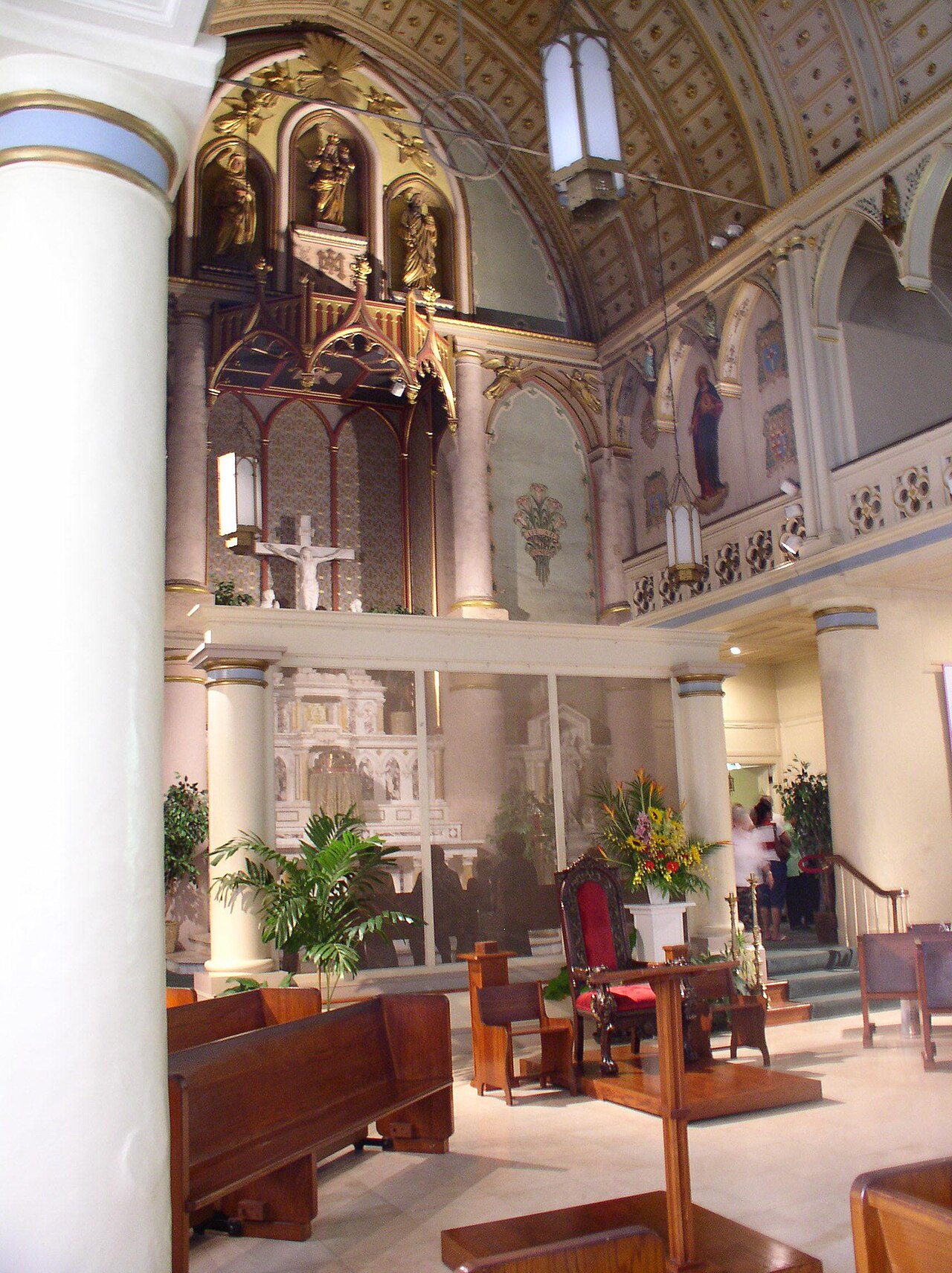
The theatre combines a preserved early twentieth-century auditorium with the practical spaces required for live performance. Expect a stage, audience seating and decorative architectural details shaped by the building’s 1922 origins and later restoration. The contrast between historic design and contemporary event use is central to the visit. Travellers attending a show should treat the auditorium as the main focus, while architecture-minded visitors can appreciate the restored setting around the performance itself. The interior of the Hawaiʻi Theatre reflects its 1922 origins and subsequent restoration efforts. As a historic performance venue, it contains auditorium seating, a stage area, and architectural details consistent with early twentieth-century theatre design. The restoration work aimed to preserve original features while maintaining functionality for modern performances.
A performance visit lasts for the length of the chosen production, with arrival before the start and departure afterwards. The event may include an intermission, so keep the whole evening or matinee flexible rather than scheduling a tightly timed attraction immediately afterward. Visitors focused on the building can make a shorter architectural stop when access permits. Add time for downtown movement, seating and the slower exit that often follows a busy performance.
Choose the theatre according to the performance calendar, with evening shows and weekend matinees creating the most natural visit windows. Honolulu’s mild climate makes it easy to pair an indoor event with downtown walking before or after the show. Popular performances benefit from advance planning, while the surrounding streets can be busier when events overlap. Leave enough time to reach the theatre, settle into the auditorium and enjoy the historic setting without rushing.
Admission is tied to the individual performance or event, and arrangements can vary with the production and seating location. Use the theatre’s official ticket channel for the event you choose, keeping the event details with your itinerary. A ticketed show offers the clearest way to experience the restored auditorium in use. If your interest is architectural rather than theatrical, plan around the access available at the time instead of building the day around an unbooked interior visit.
Hawaiʻi Theatre is in downtown Honolulu, where visitors can arrive by public transit, taxi, rideshare or private vehicle. Downtown traffic and event crowds can slow the final approach, especially during weekday business periods or performances. Allow time for the journey and for finding a suitable place to leave a vehicle. The theatre’s central setting makes it practical to combine with downtown streets and dining before or after the event.
Arrive with enough time for entry and seating, particularly when the event is popular. Downtown Honolulu brings ordinary city traffic, pedestrian movement and changing parking conditions. The theatre is a historic building, so its circulation and facilities belong to an older structure adapted for modern use. Follow venue directions, protect the building’s finishes and keep personal belongings close. If anyone in your group needs specific access arrangements, plan the visit around the theatre’s available route and seating.
The historic facade is a natural subject from downtown public spaces, and exterior photographs can place the theatre within Honolulu’s urban centre. Inside, let the event’s rules guide photography and recording, especially once a performance begins. Keep aisles and views clear, avoid disruptive light or equipment, and respect performers and audience members. For architectural images, concentrate on the auditorium’s restored character when access allows, using details that show the relationship between preservation and current theatre use.
It is a restored 1922 theatre and landmark performance venue in downtown Honolulu, combining historic architecture with contemporary performances and events.
What can I see inside Hawaiʻi Theatre?
The theatre contains an auditorium, stage and preserved architectural details that reflect its 1922 origins and later restoration.
How long does a theatre visit take?
Allow the full length of the selected performance, plus time for arrival, seating, any intermission and departure through downtown Honolulu.
Where is Hawaiʻi Theatre?
It is located in downtown Honolulu, making it convenient to combine with central-city walking and dining before or after a performance.
When is the best time to visit Hawaiʻi Theatre?
Plan around an evening performance or weekend matinee, while leaving extra time for downtown traffic, event crowds and seating.
Why is Hawaiʻi Theatre historically significant?
The venue began as a 1922 theatre and was restored so its historic character could continue supporting Honolulu’s performance and cultural life.