

_-_panoramio.jpg)
_-_panoramio.jpg)
_-_panoramio.jpg)
_-_panoramio.jpg)
1 min walk
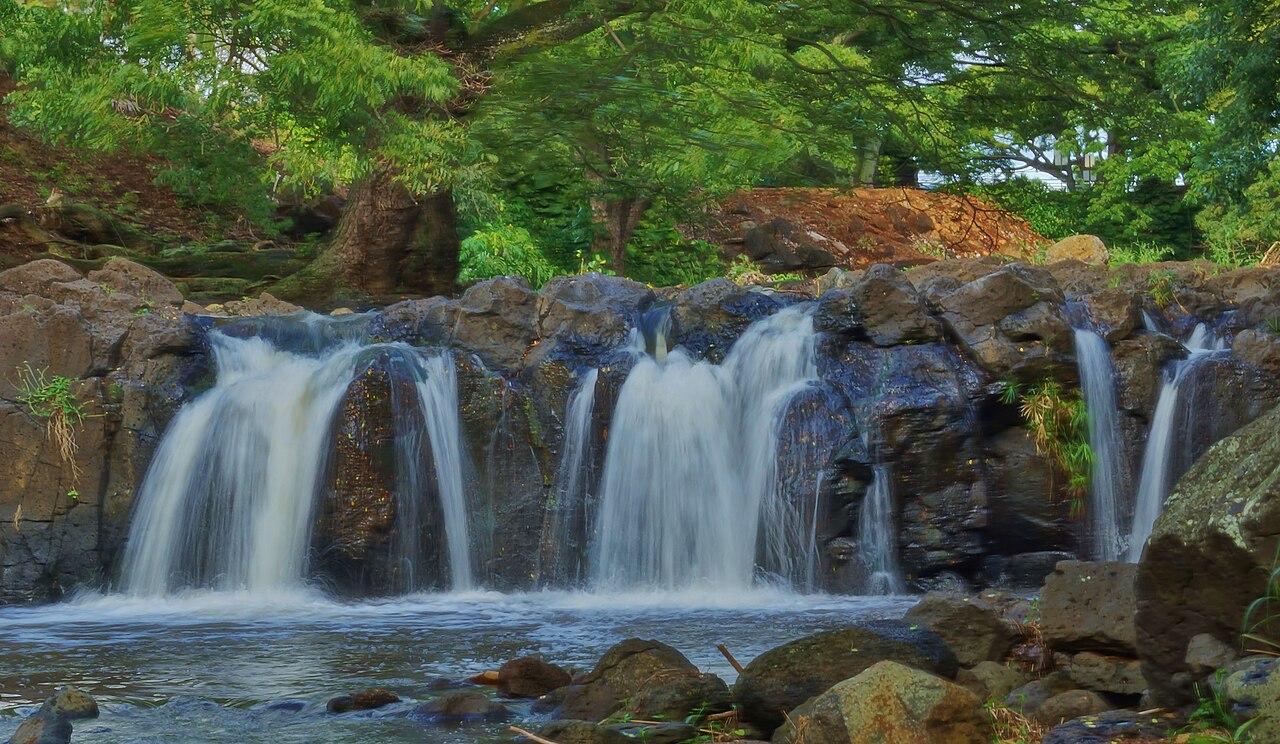
Waikahalulu Falls
- Notable
- Nature site
Nature site · Honolulu
Lili'uokalani Botanical Garden
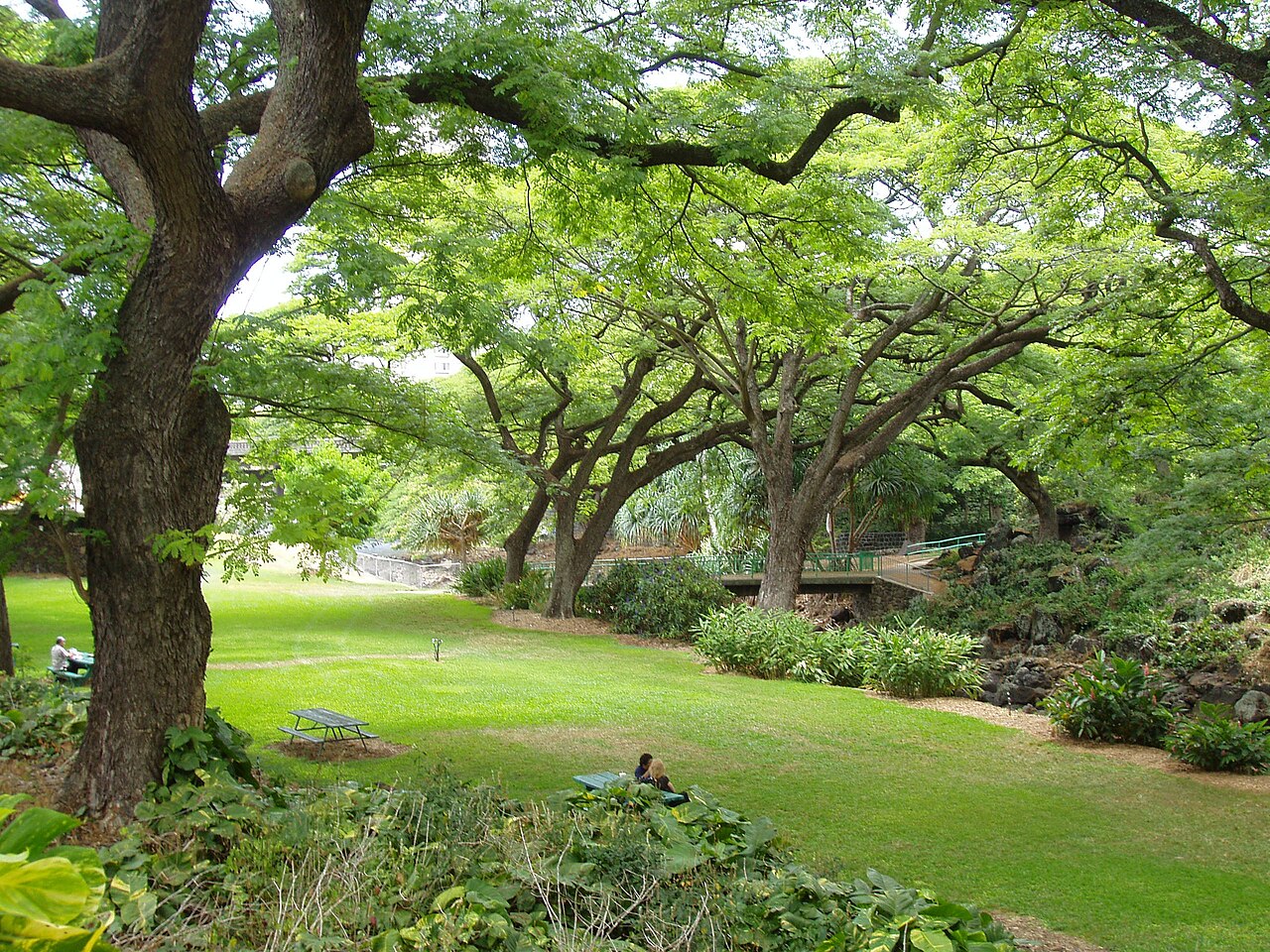
Liliʻuokalani Botanical Garden is a compact native-plant garden in Honolulu’s Nuʻuanu valley, beside Nuʻuanu Stream and below the Nuʻuanu Pali. The garden is named for Queen Liliʻuokalani, the last monarch of the Kingdom of Hawaiʻi, and forms part of the City and County of Honolulu’s botanical garden system. Its appeal comes from the meeting of Hawaiian plant life, a stream valley, and the steep landscape of Oahu’s windward side. It is a peaceful choice for travelers seeking a short nature visit close to the city rather than a large formal garden. No. They are separate botanical gardens under the City and County of Honolulu's botanical garden system. Foster Botanical Garden is located near downtown Honolulu and features broader tropical collections, while Liliʻuokalani Botanical Garden focuses specifically on native plants in the Nuʻuanu valley.
Checked 2026-08-26 · Source
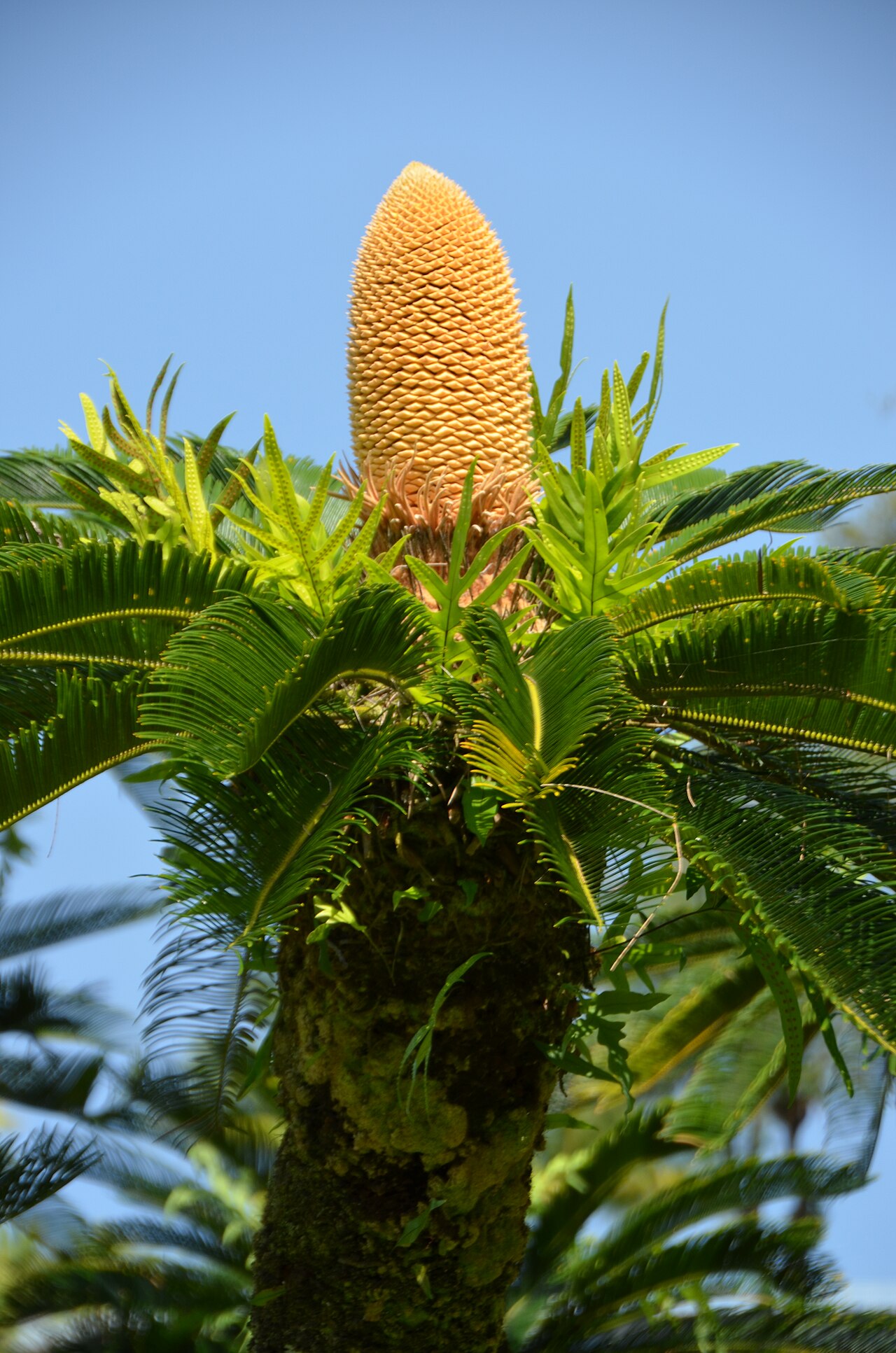
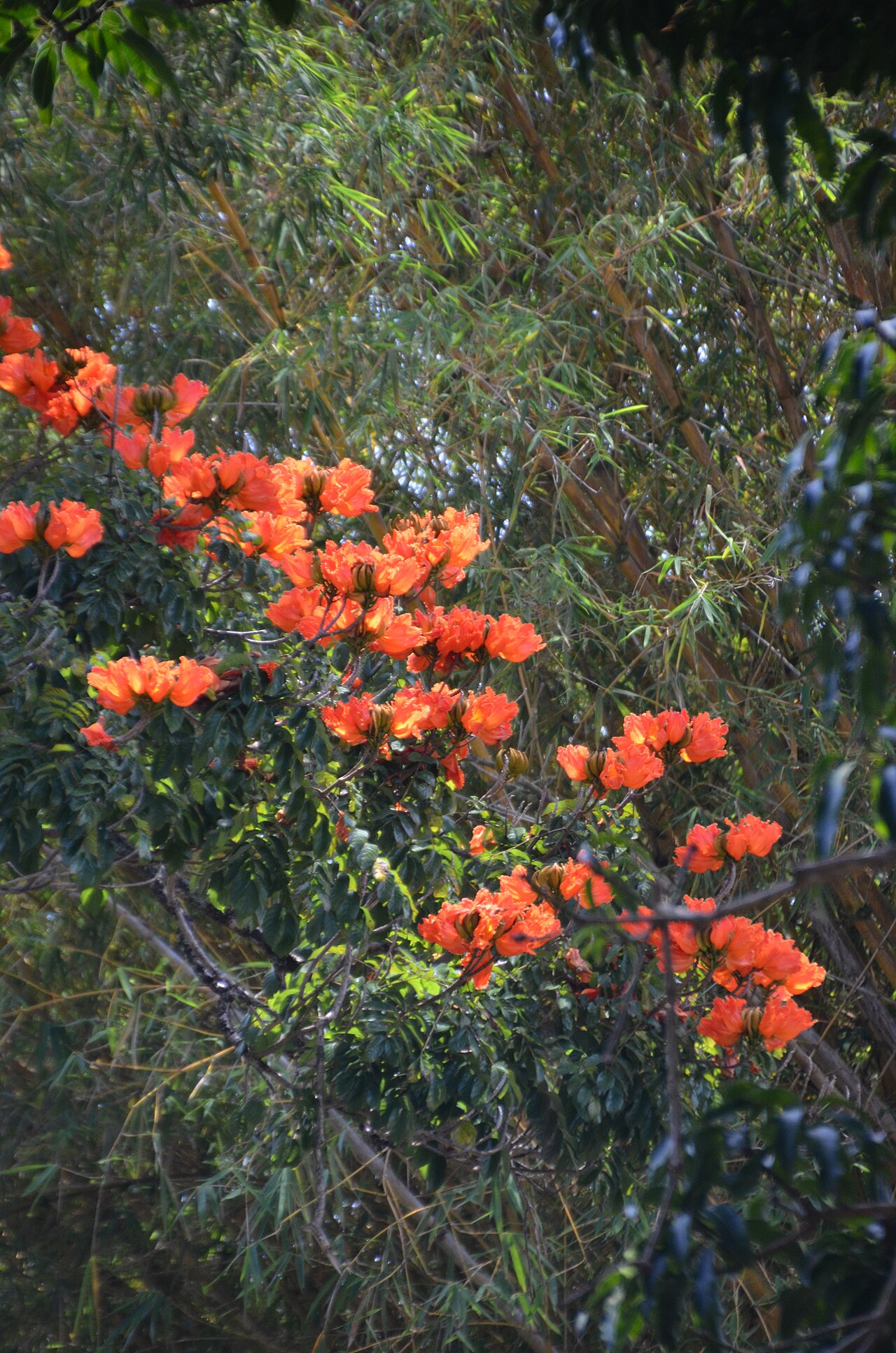
The garden’s main focus is Hawaiian native flora in a naturalistic stream-valley setting. Visitors encounter plants associated with the Hawaiian Islands alongside Nuʻuanu Stream, riparian vegetation, and the slopes and moisture of the valley below the Pali. The setting feels ecological rather than heavily ornamental: the stream corridor and surrounding greenery shape the visit as much as individual plants do. Move slowly enough to notice differences in foliage, texture, and habitat. The garden offers a concentrated introduction to native planting in a landscape that remains connected to the wider valley.
Checked 2026-08-26 · Source
A casual visit can fit into roughly thirty minutes to one hour, which suits travelers adding the garden to a broader Honolulu day. Plant enthusiasts, photographers, and visitors who enjoy quiet streamside walking can stay longer without needing to hurry through the paths. The intimate scale makes it a good reset between busier city activities. Allow additional time after rainfall if paths are damp or the valley atmosphere encourages slower walking. The garden works as a focused nature stop rather than a full-day botanical institution.
Checked 2026-08-26 · Source
Morning brings cooler conditions and gentle light into the valley, making it comfortable for walking and close observation of plants. Nuʻuanu is on the wetter windward side of Oahu, so rain is part of the local climate and paths may become muddy after heavy showers. Choose footwear suitable for damp outdoor ground and leave flexibility in the day for changing weather. The garden can be visited in different seasons, but the most useful timing depends on whether you prefer fresh morning light, cooler air, or a quieter pause in your Honolulu route.
Checked 2026-08-26 · Source
The garden is a municipal botanical garden in Honolulu, and the visit is centered on walking through the native-plant landscape rather than attending a ticketed show. Plan for an outdoor stop with a compact footprint and a natural stream setting. Because the garden lies away from the main Waikiki resort environment, combine it with other Nuʻuanu or central Honolulu sights when building the day. Keep the visit unhurried: the value is in observing the plants, valley moisture, stream corridor, and relationship between the garden and the surrounding slopes.
Checked 2026-08-26 · Source
Reach the garden through Honolulu’s Nuʻuanu area, following the roads that lead toward the valley below Nuʻuanu Pali. TheBus serves the broader Nuʻuanu area, while a private vehicle offers flexibility for combining the garden with nearby destinations. The stream-valley location makes the final approach feel greener and quieter than central Honolulu. Plan the route before setting out and allow time for a slower final walk through the area. A combined Nuʻuanu itinerary is more efficient than crossing the city solely for a brief garden visit.
Checked 2026-08-26 · Source
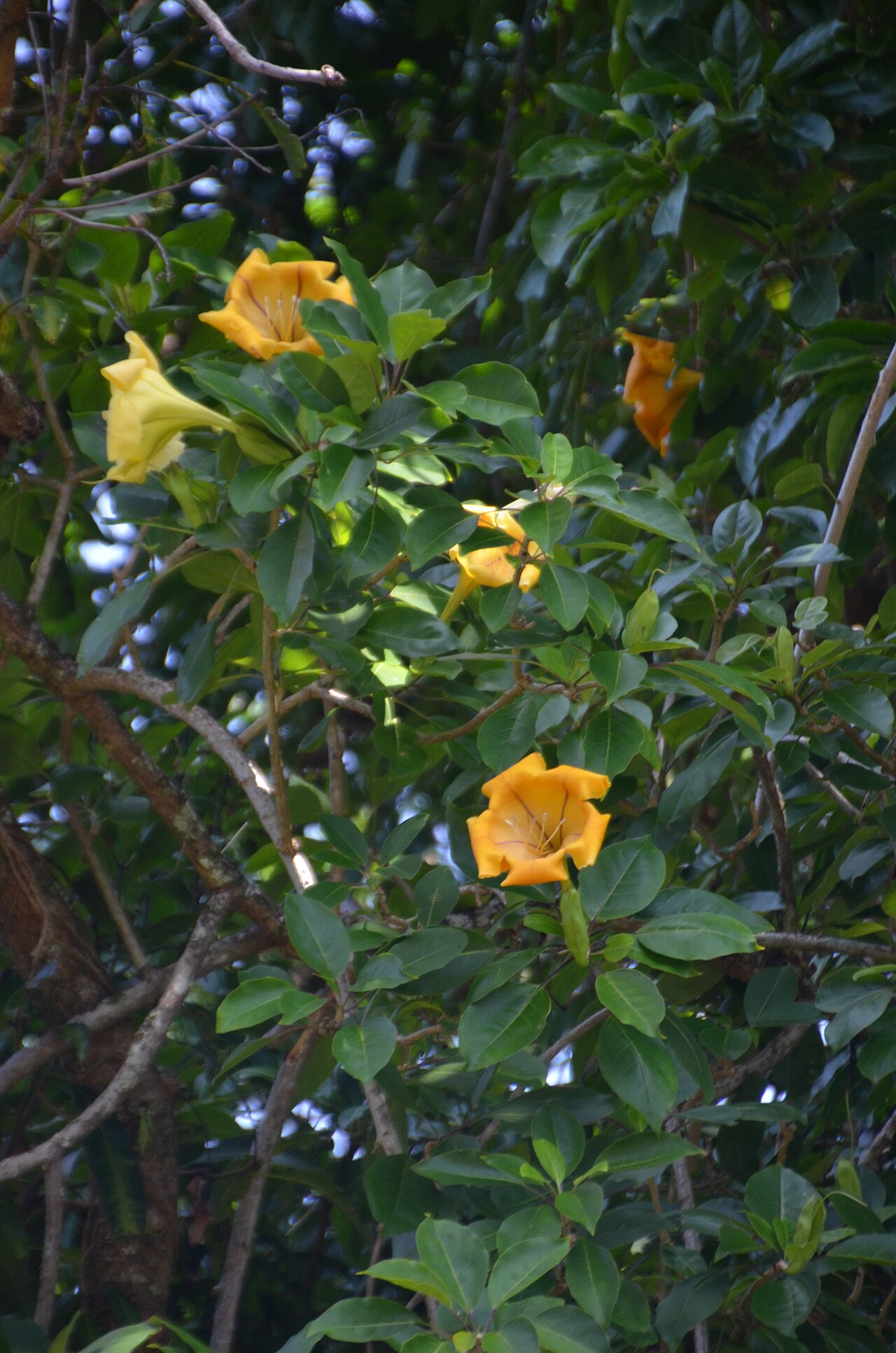
Nuʻuanu Stream and the valley environment create damp outdoor conditions, particularly after rain. Paths can be uneven or muddy, and wet surfaces call for careful footing. The stream may rise during storms, so keep a safe distance from its edge when rainfall is heavy. Tropical vegetation and humidity make light, breathable clothing useful, while insect protection can improve comfort. Naturalistic planting means the garden may feel less manicured than a formal ornamental park. Move gently around plants and keep the quiet character of the valley intact.
Checked 2026-08-26 · Source
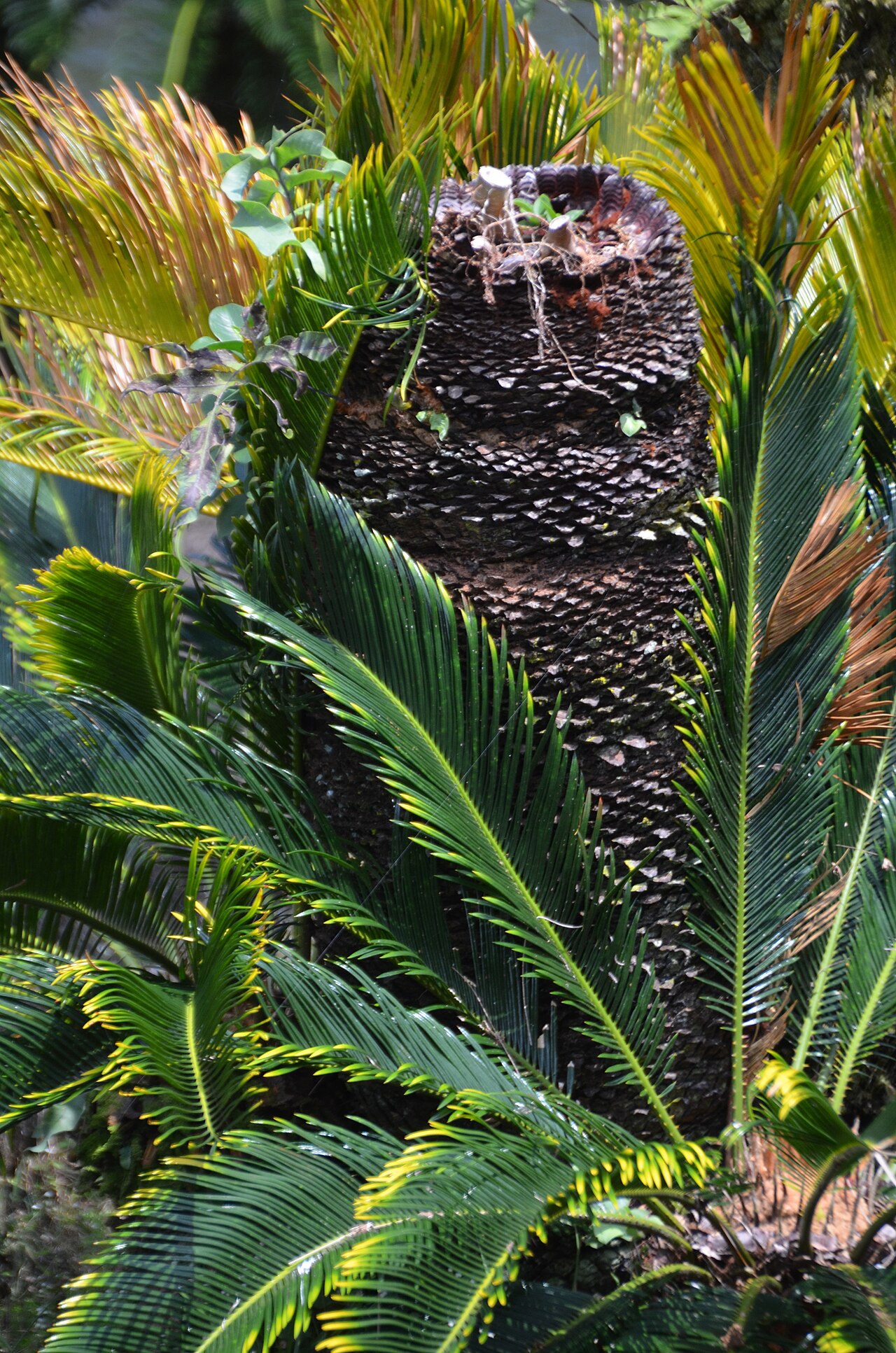
The garden offers close views of native plants, streamside vegetation, and the layered greens of Nuʻuanu valley. Morning light can filter between the slopes and foliage, creating soft conditions for botanical details and wider landscape frames. Use the stream corridor to add depth without turning the visit into a rushed sequence of snapshots. Protect equipment from moisture and keep paths clear for other visitors. Photograph plants as part of their habitat, preserving the naturalistic relationship between the garden, stream, valley floor, and Pali landscape.
Checked 2026-08-26 · Source
It is a compact Honolulu garden focused on Hawaiian native plants, set beside Nuʻuanu Stream in the valley below Nuʻuanu Pali.
Most visitors can make a focused visit in about thirty minutes to one hour. Plant enthusiasts and photographers may stay longer for slower streamside exploration.
The garden is in Honolulu’s Nuʻuanu valley, along Nuʻuanu Stream and below the Nuʻuanu Pali on Oahu’s wetter windward side.
Liliʻuokalani Botanical Garden is a compact native-plant garden in Nuʻuanu valley. Foster Botanical Garden is a separate Honolulu garden with broader tropical collections near the downtown area.
Nuʻuanu’s windward valley is humid and receives more rainfall than Honolulu’s leeward side. Rain can leave paths damp or muddy, so footwear for wet outdoor ground is useful.
Good subjects include Hawaiian native plants, Nuʻuanu Stream, riparian vegetation, and the green valley below the Pali. Morning light is useful for both botanical details and wider landscape views.
Loading the interactive map…
The interactive map could not be loaded.
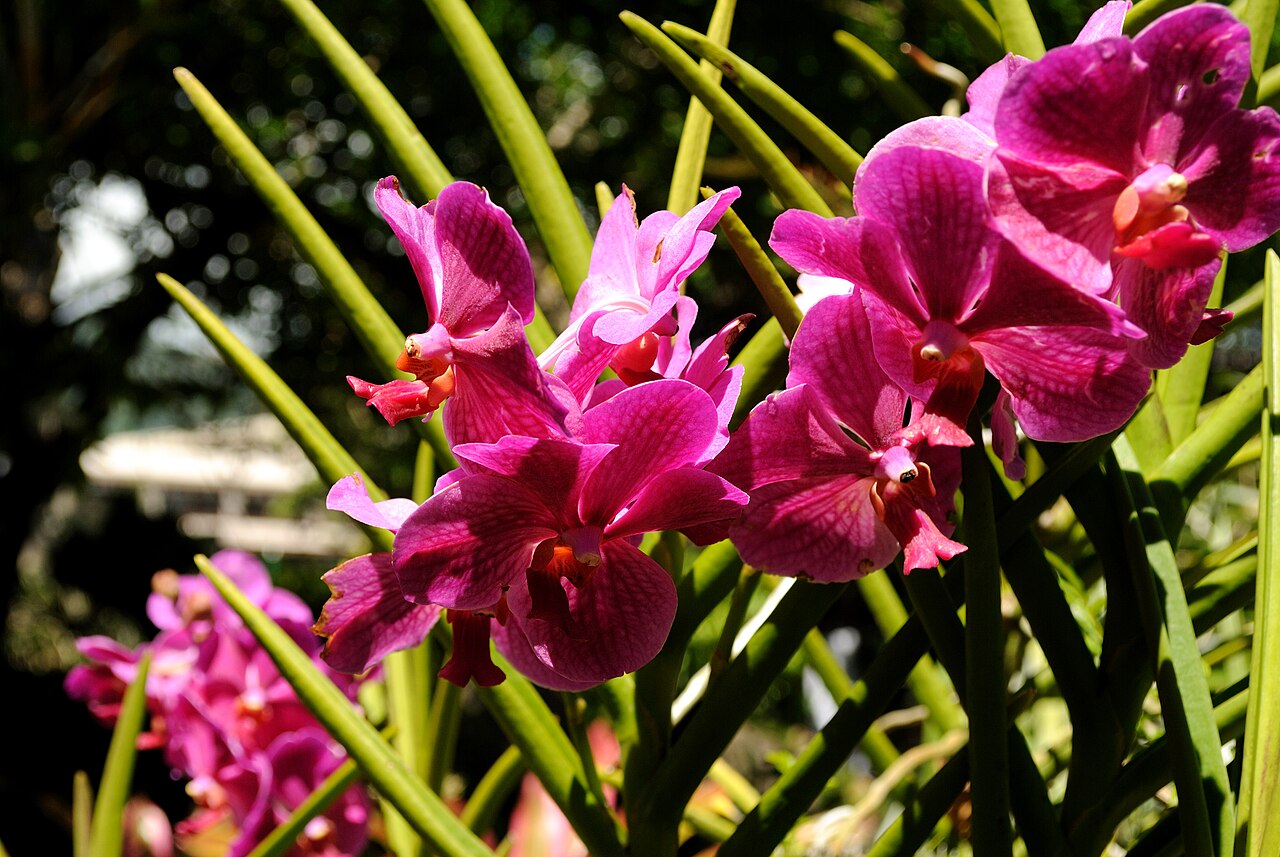
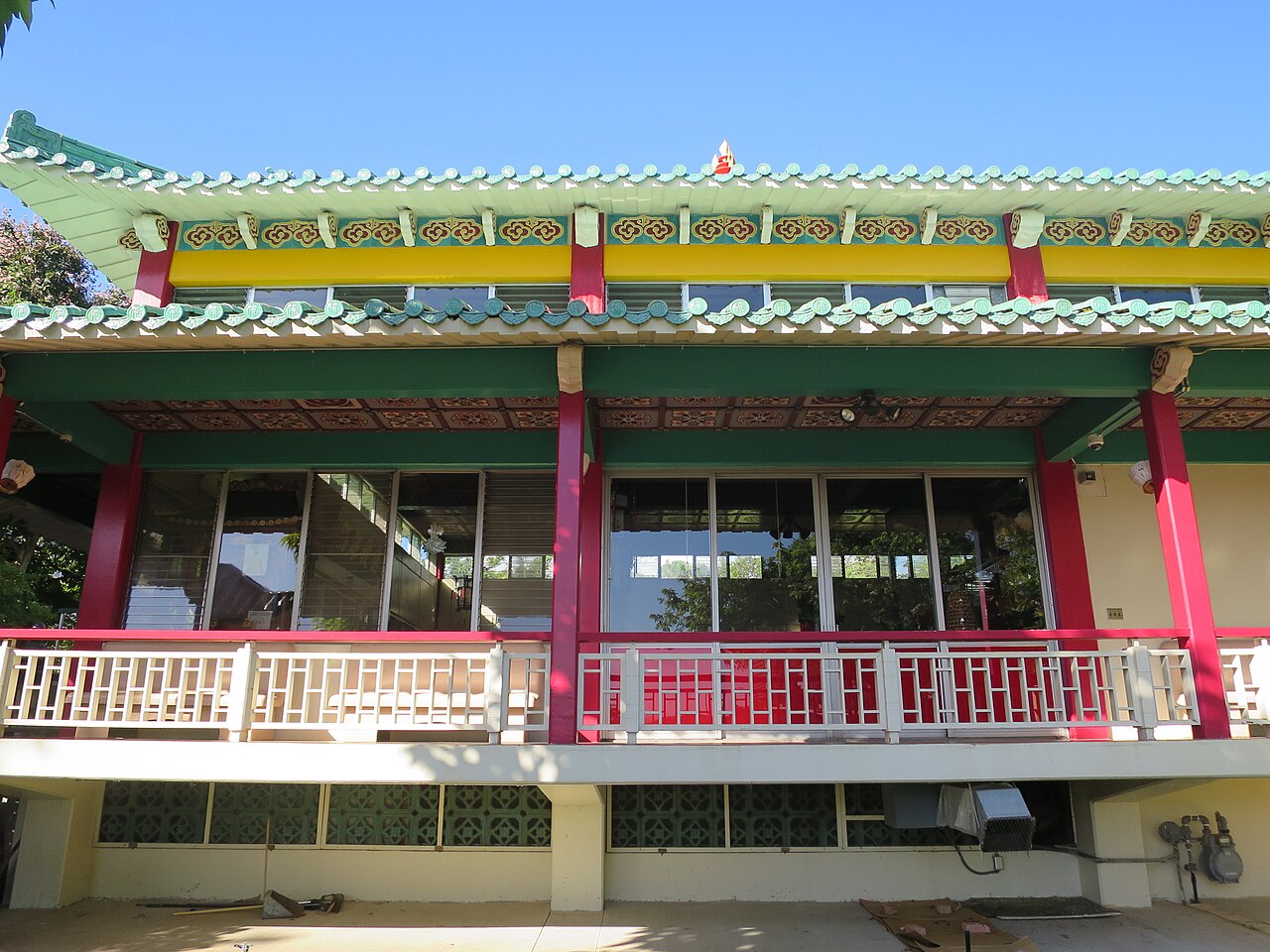
Last updated:
Source: OpenStreetMap contributors, Wikidata ·