


.jpg)
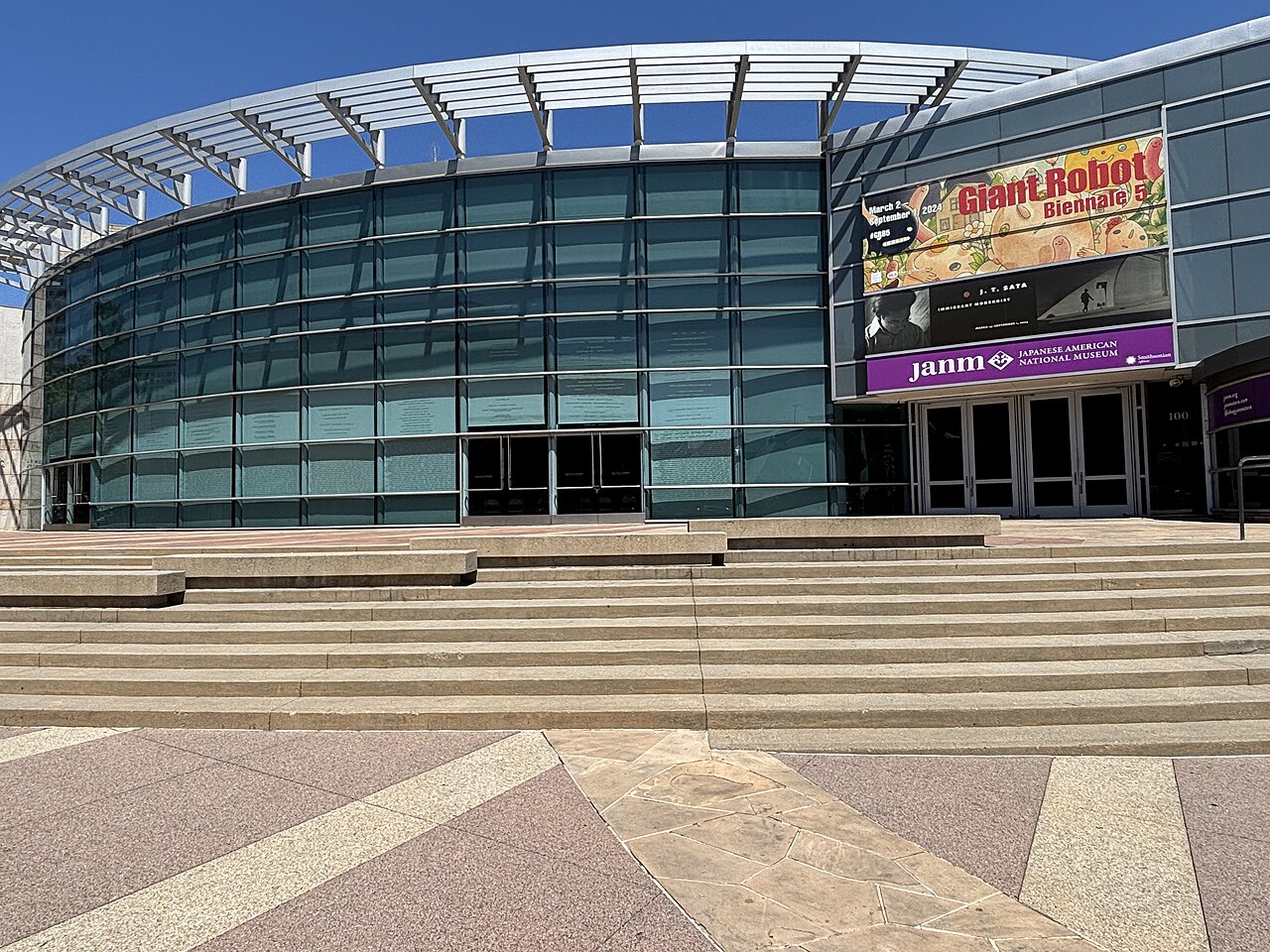
3 min walk
Japanese American National Museum
- Must see
- Museum

Historic monument · Los Angeles
Little Tokyo is a historic Japanese American district in downtown Los Angeles. Established in the late nineteenth and early twentieth centuries, it became the cultural and commercial center for Japanese immigrants and their descendants. The neighborhood retains significant heritage value as one of three remaining historic Japantowns in the United States. It encompasses several city blocks with cultural institutions, religious sites, and commercial establishments that reflect Japanese American history and contemporary community life. Little Tokyo also earns time in a los angeles itinerary because Historic Japanese American district with cultural heritage. Its value becomes clearer when the stop is compared with the surrounding streets and the other ranked places nearby.
Checked 2026-08-26
The district contains the Japanese American National Museum, which documents the history and experiences of Japanese Americans. The Go For Broke Monument honors Japanese American soldiers who served in World War II. Several Buddhist temples and churches serve the community. Commercial areas include Japanese restaurants, markets, and retail shops. The Geffen Contemporary at MOCA occupies a former warehouse. Public spaces include the James Irvine Japanese Garden, a contemplative garden open to visitors seeking quiet reflection within the urban environment.
Checked 2026-08-26
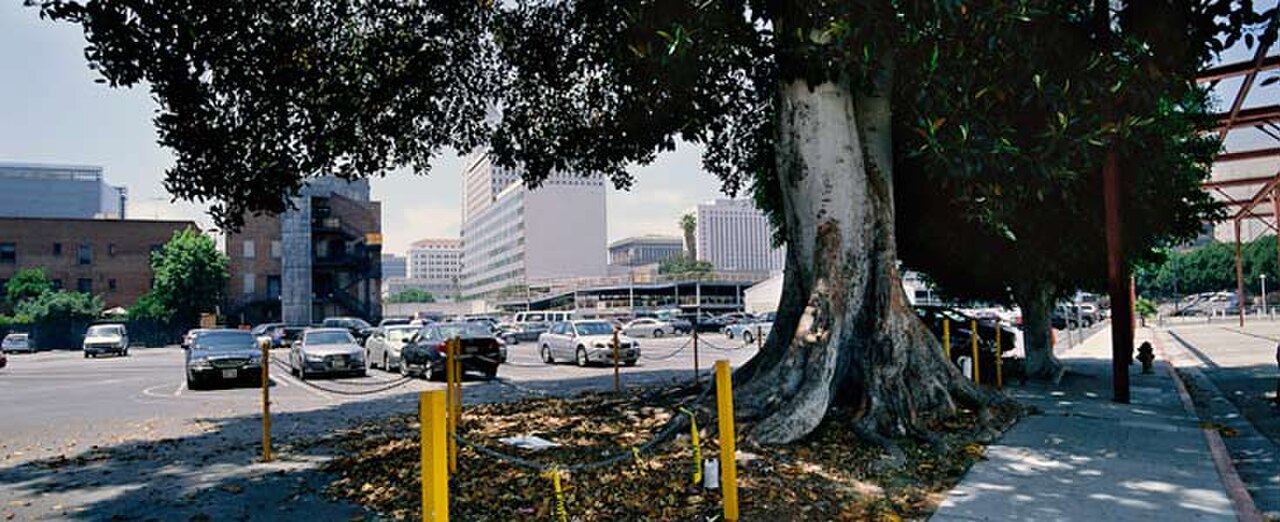
Visitors typically spend between two and four hours exploring Little Tokyo's main attractions. A brief walk through the commercial streets and a meal at a restaurant might occupy ninety minutes. Those intending to visit the Japanese American National Museum should allocate additional time, as museum exhibitions warrant careful examination. The garden and monument visits require shorter periods. A comprehensive visit incorporating dining, shopping, and cultural sites could extend to half a day depending on individual pace and interest in historical content.
Checked 2026-08-26
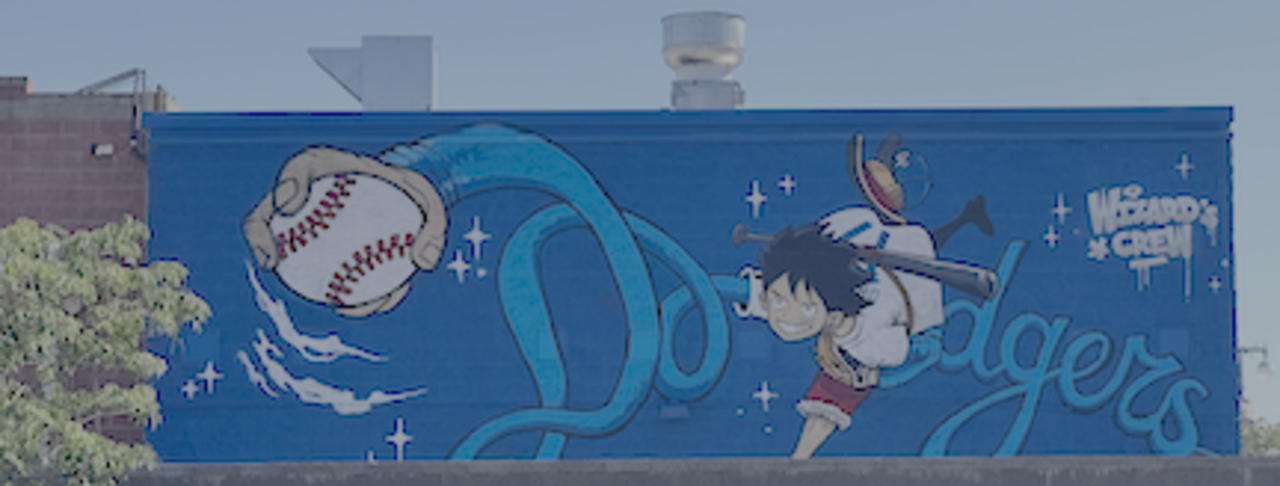
Little Tokyo can be visited throughout the year. The district hosts seasonal cultural events that may influence timing preferences, though specific annual event dates require verification. Daytime hours offer optimal conditions for visiting outdoor monuments and the garden. Evening visits provide access to restaurants and some commercial establishments. Visitors should consult official sources before travel to confirm accessibility and any scheduled programming that might affect their visit. Check the operator's own site for the travel date before relying on a schedule or fare.
Checked 2026-08-26
Many outdoor areas and public spaces in Little Tokyo are freely accessible without charge. The Japanese American National Museum and certain other institutions may require admission fees. Specific pricing structures, discount categories, and combination offerings are Not recorded pending review. Some cultural events or special exhibitions may involve separate ticketing arrangements. Visitors should verify current admission policies directly with individual venues prior to arrival. Cash and card acceptance policies vary among the independent businesses operating within the district. A flexible visit lets travellers connect Little Tokyo with the rest of the day without treating one room, viewpoint or photograph as the whole experience. The useful pace depends on personal interest and conditions on arrival.
Checked 2026-08-26
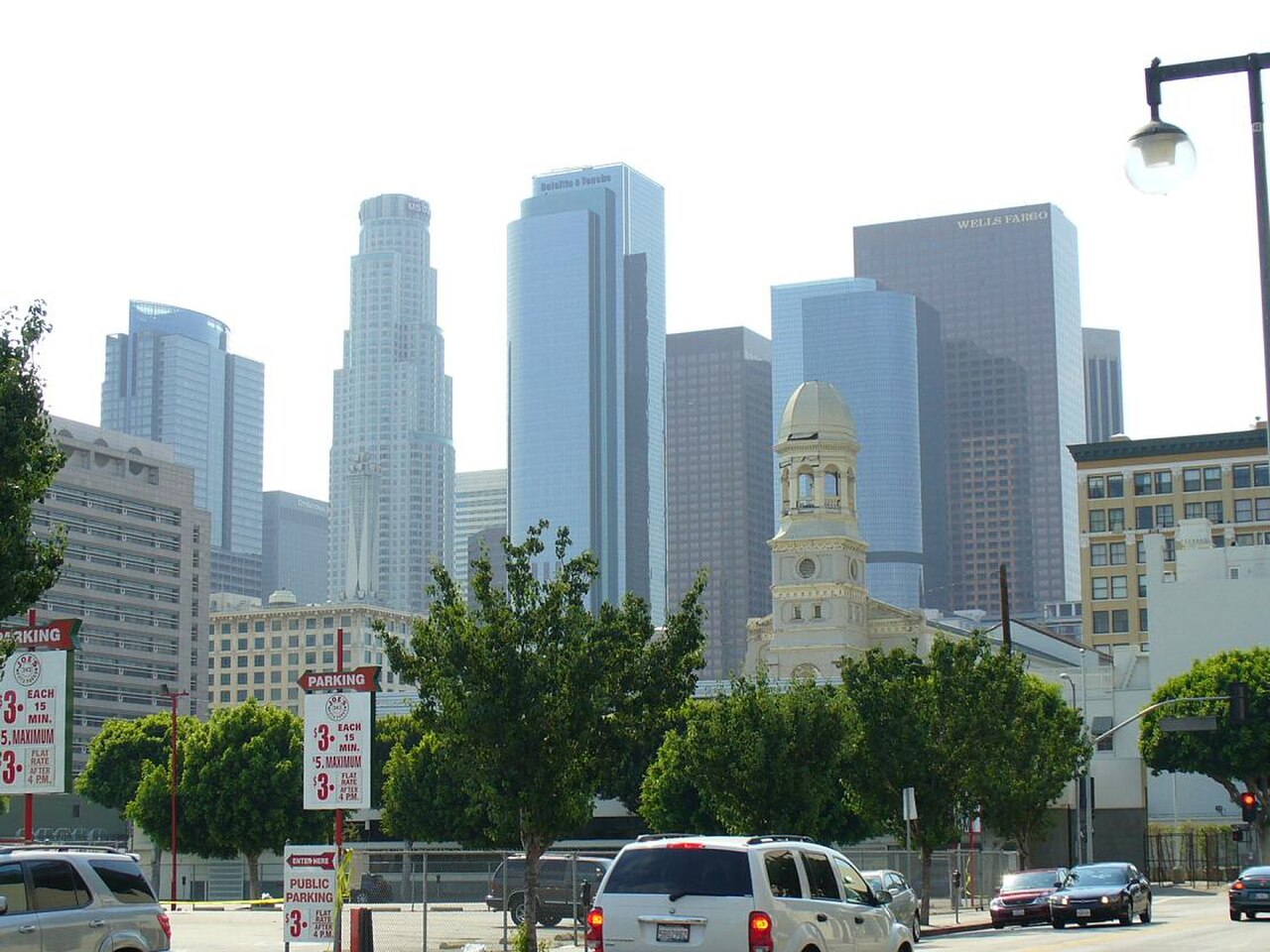
Little Tokyo is located in downtown Los Angeles near the intersection of major thoroughfares. The Los Angeles Metro system serves the area with the Little Tokyo/Arts District Station on the L Line, providing rail connection to other parts of the city. Multiple bus routes operate nearby. Automobile access is possible though downtown parking requires planning. The district is pedestrian-oriented with walkable blocks. Visitors arriving from greater Los Angeles distances should consider traffic conditions typical to the region when scheduling their journey.
Checked 2026-08-26
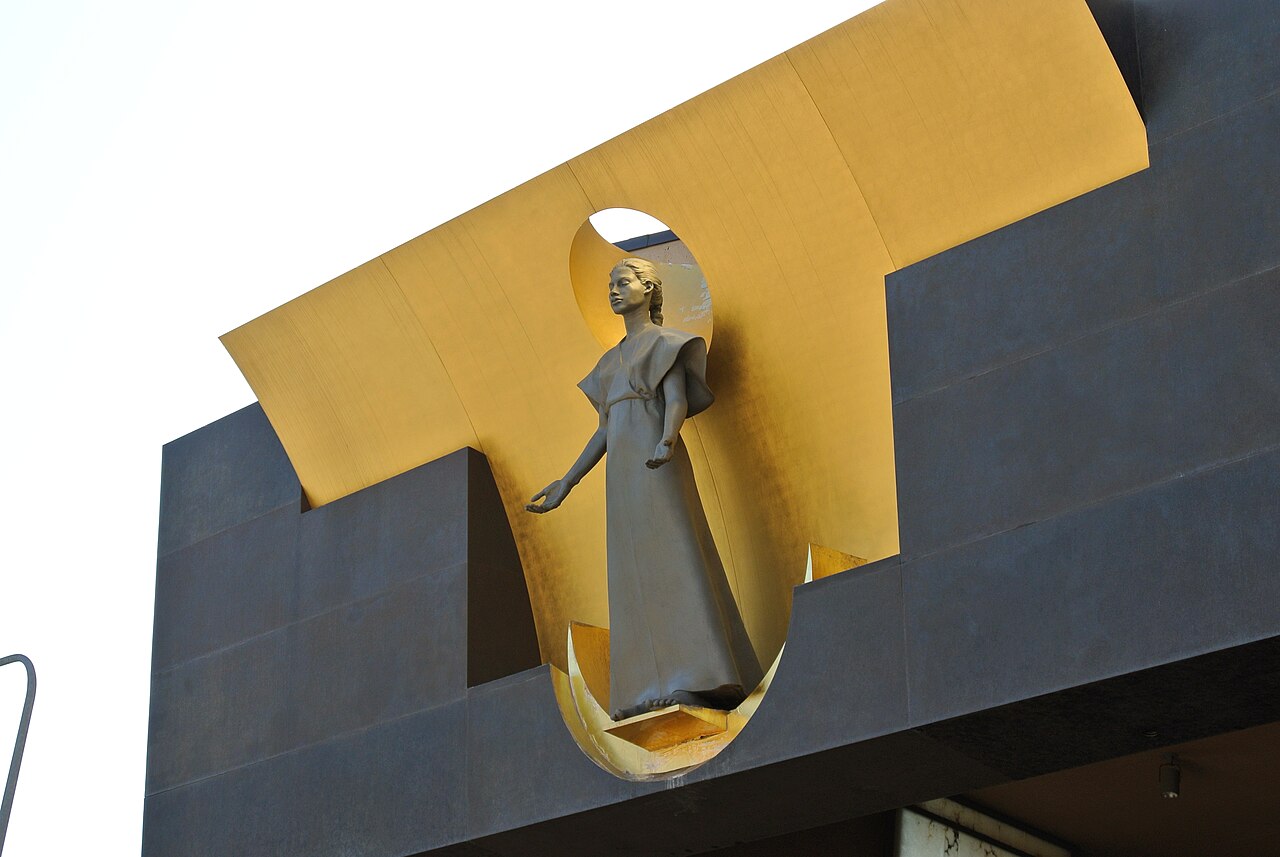
Urban visitors should exercise standard downtown precautions regarding personal belongings and situational awareness. Some areas experience significant pedestrian and vehicle congestion during peak periods. Street parking availability fluctuates and restrictions apply. The neighborhood blends commercial, residential, and cultural uses, requiring respectful conduct near religious sites and community facilities. Construction or development activity may affect access routes. Visitors should observe posted regulations in the Japanese Garden and museum spaces. Evening foot traffic patterns differ from daytime conditions in this mixed-use district.
Checked 2026-08-26
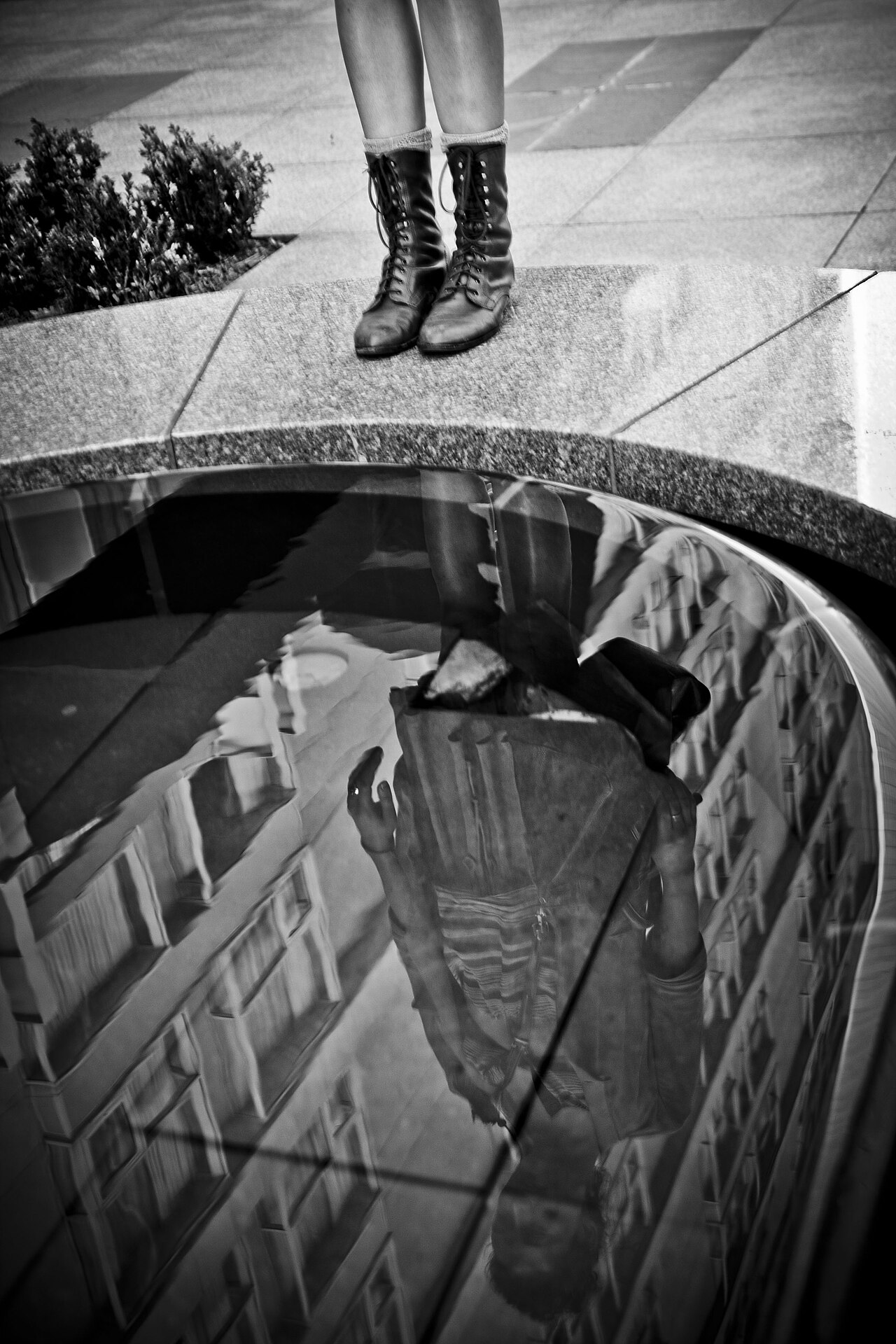
Photography is generally permissible in public streets and plazas. The Go For Broke Monument and outdoor installations allow visitor photography. The Japanese American National Museum and other institutions typically maintain specific policies regarding interior photography, which may restrict flash use, tripod deployment, or recording of certain exhibitions. The James Irvine Japanese Garden may have guidelines preserving contemplative atmosphere. Visitors should respect posted notices and seek staff guidance when uncertain. Commercial photography or organized shoots likely require advance permission from relevant property managers or institutional authorities.
Checked 2026-08-26
Public streets and outdoor areas are generally accessible daily. Individual businesses, museums, and institutions maintain their own operating schedules.
The Metro L Line serves the Little Tokyo/Arts District Station. Multiple bus routes operate in the downtown area nearby. Consult current Metro schedules for service details.
The district itself has no entrance fee. Specific attractions such as the Japanese American National Museum may charge admission. Current prices are Not recorded pending review.
It is one of three remaining historic Japantowns in the United States, serving as a major center for Japanese American cultural, commercial, and religious life since the late nineteenth century.
Photography is generally allowed, but visitors should observe posted guidelines designed to maintain the contemplative environment and respect other visitors.
Yes, it is situated in downtown Los Angeles near other districts and destinations, though walking distances and routes depend on specific destination points and individual mobility.
Loading the interactive map…
The interactive map could not be loaded.
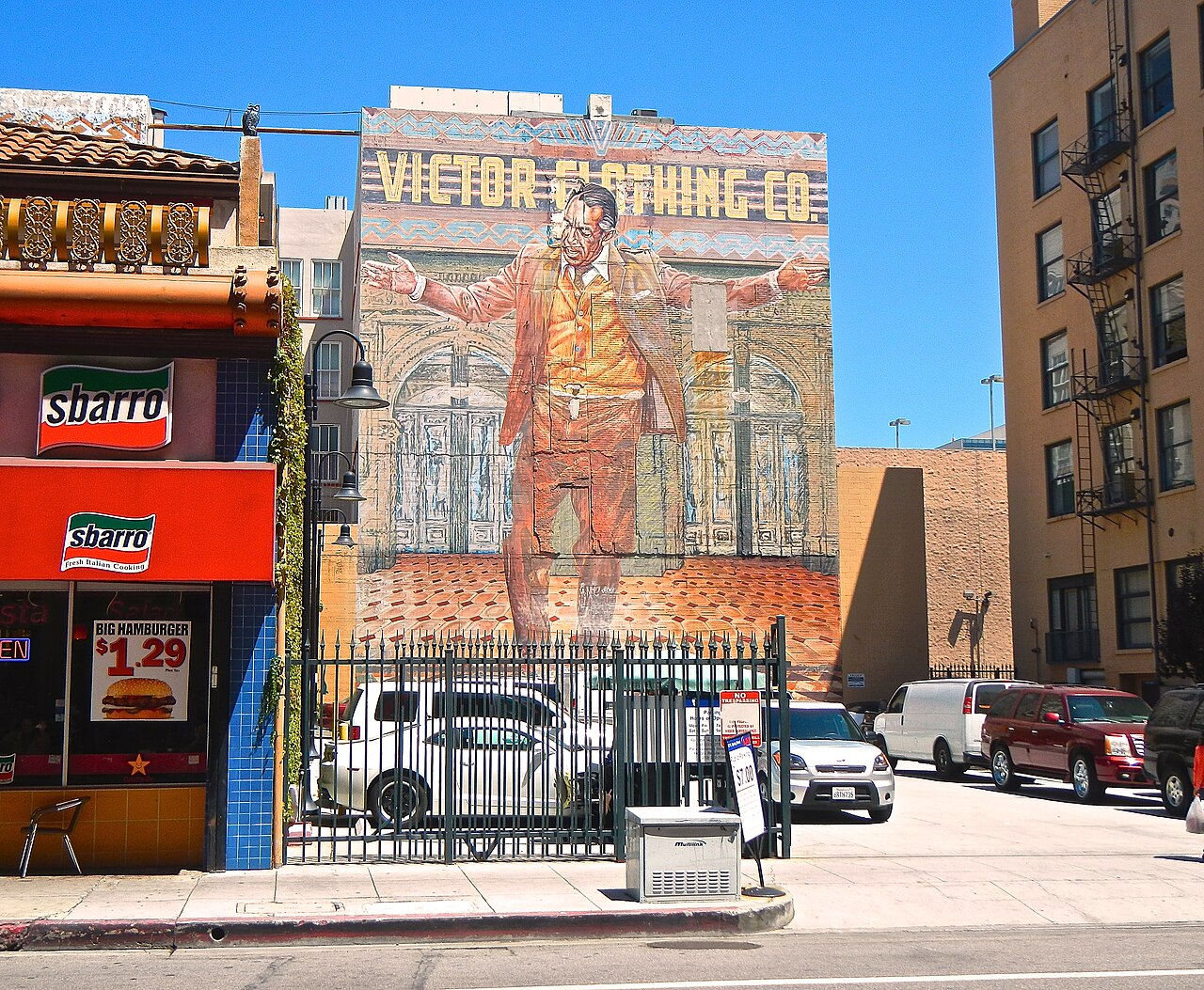
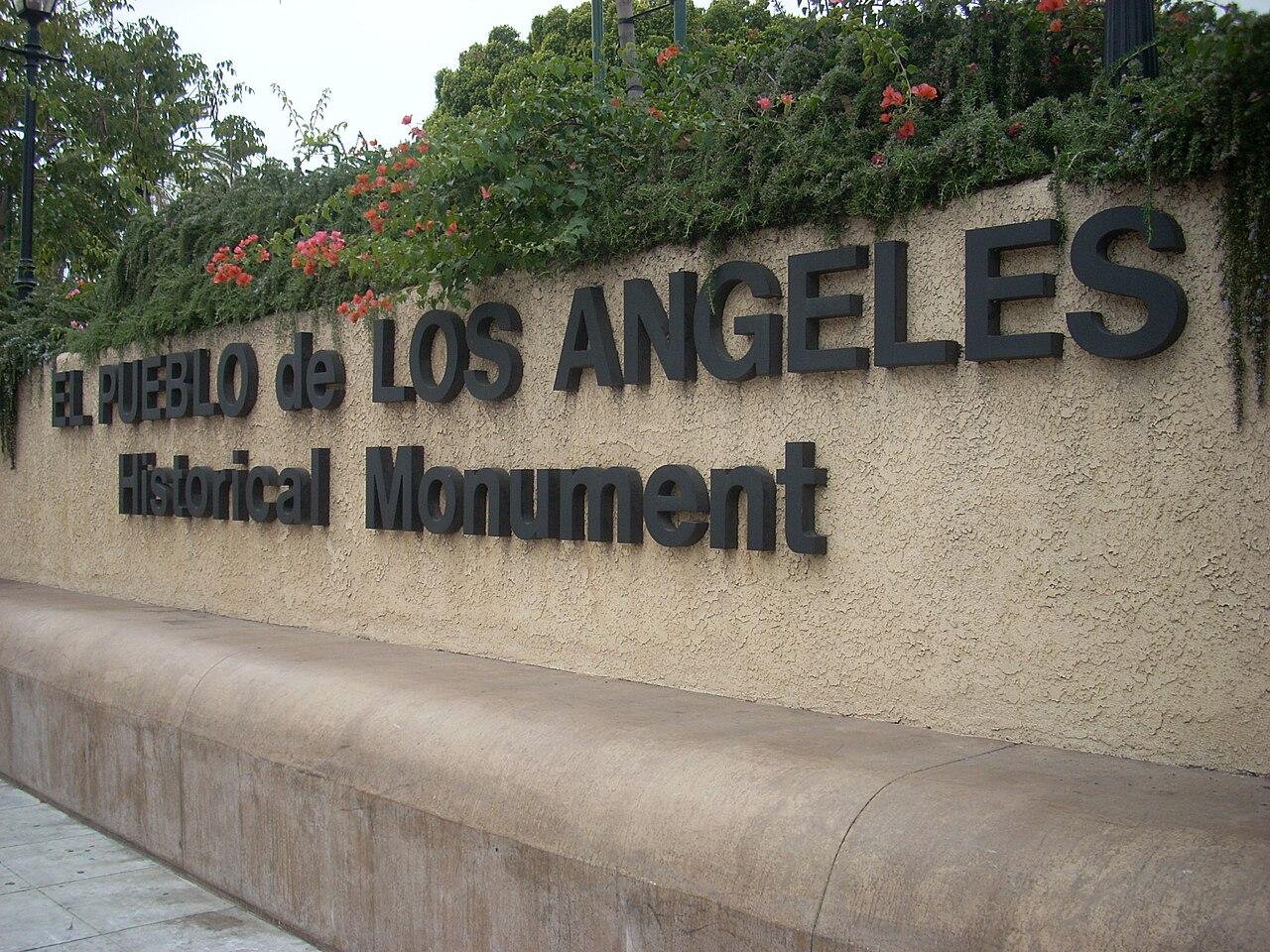
Last updated:
Source: OpenStreetMap contributors, Wikidata ·