
4 min walk
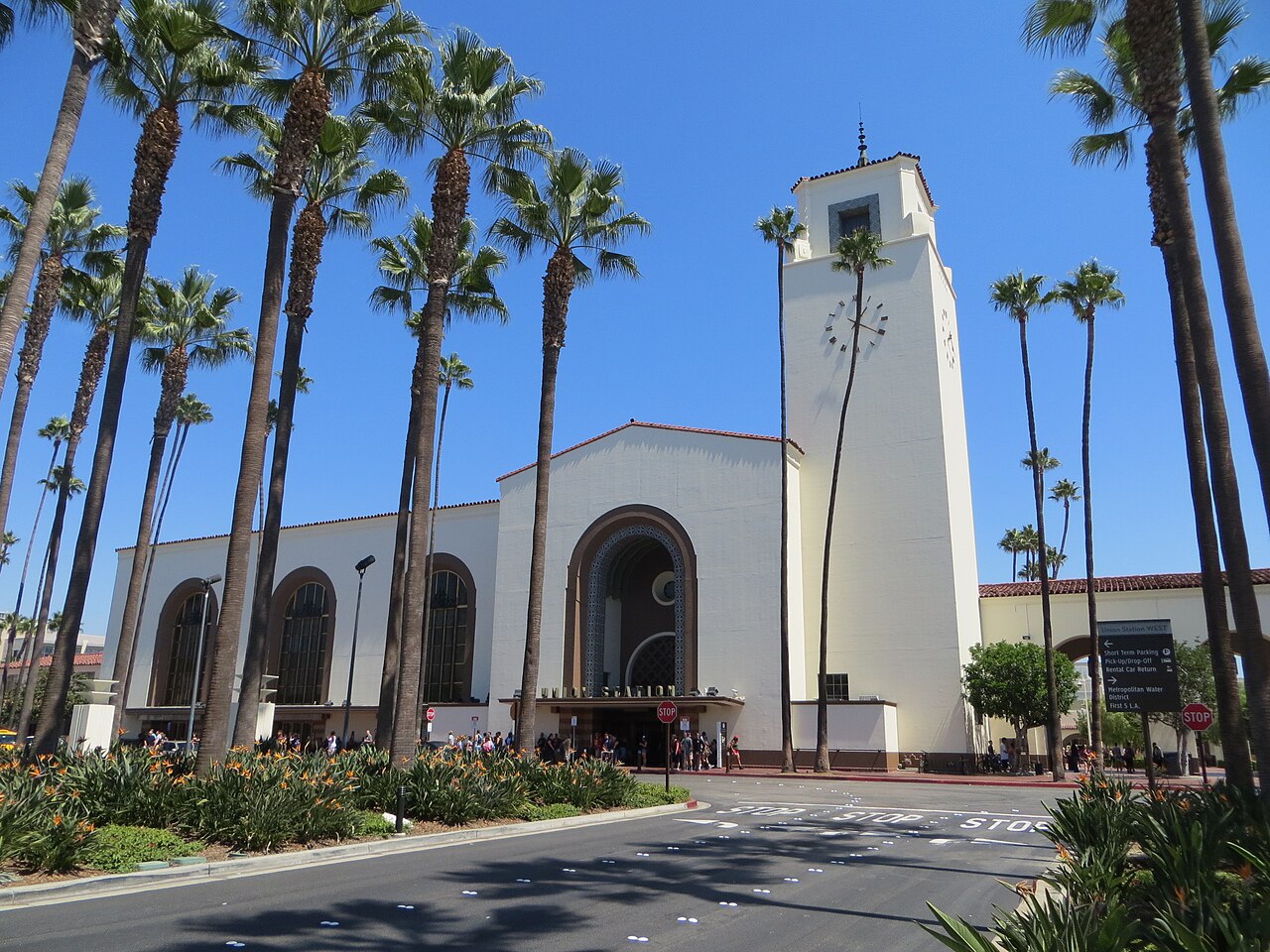
Los Angeles Union Station
- Must see · Heritage site
- Historic monument
Historic monument · Los Angeles
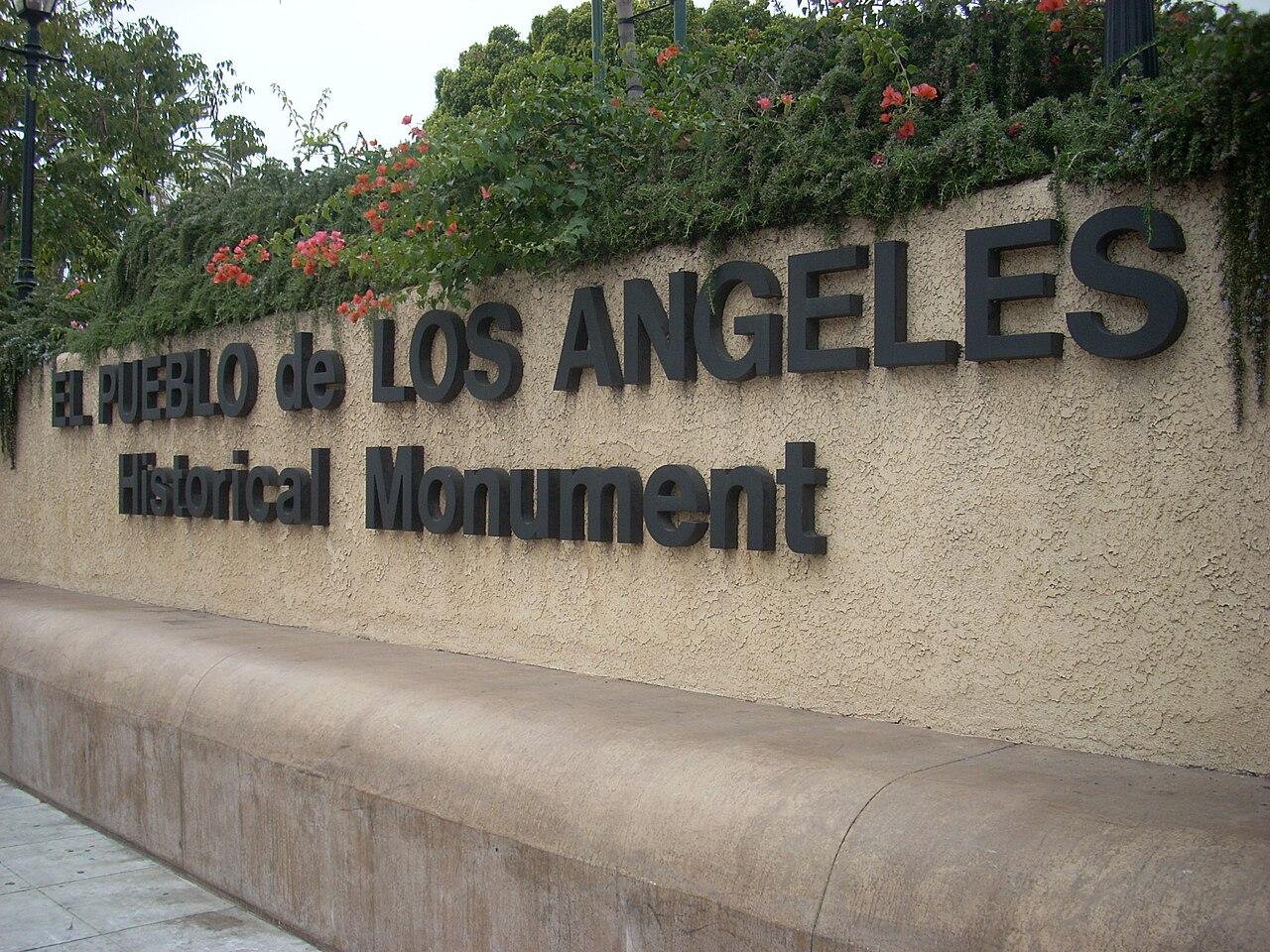
El Pueblo de Los Angeles Historical Monument
El Pueblo de Los Angeles Historical Monument is the historic settlement core of Los Angeles, California. It encompasses the area around the original plaza where the city was founded in 1781. The monument preserves the oldest section of the city, containing historic buildings, museums, and cultural institutions that reflect Spanish, Mexican, and early American periods. The site represents the birthplace of Los Angeles as a civilian settlement established by Spanish colonists. It remains an active cultural and commercial center with historical significance for understanding the city's origins and development over nearly two and a half centuries.
Checked 2026-08-26
The monument contains numerous historic structures including the Avila Adobe, the oldest surviving residence in Los Angeles. Other notable buildings include the Old Plaza Firehouse, the Pico House, and the Masonic Hall. The area features Olvera Street, a Mexican marketplace with vendors and restaurants. Several museums operate within the monument boundaries, including the Chinese American Museum and the Italian American Museum of Los Angeles. The central Plaza serves as a gathering space with a bandstand and kiosks. Religious structures include the Plaza Church, also known as La Iglesia de Nuestra Señora la Reina de los Ángeles.
Checked 2026-08-26
Visitors typically spend between two to four hours exploring the monument's various attractions. A thorough visit encompassing multiple museum interiors, walking Olvera Street, and examining historic buildings requires half a day. Those with limited time can experience the plaza and exterior architecture in approximately one hour. The compact geographic layout allows efficient movement between sites. Museum enthusiasts and history-focused visitors may extend their stay longer. The area rewards repeat visits as individual museums and cultural programs change exhibitions periodically. Evening events and festivals occasionally extend visiting hours beyond standard daytime exploration.
Checked 2026-08-26
Visitors should verify current opening times before planning their trip. The outdoor plaza and Olvera Street are accessible during daylight hours generally, though individual museums and buildings maintain separate schedules. Weekends typically draw larger crowds, particularly when cultural festivals occur. The monument hosts numerous annual celebrations including Cinco de Mayo, Dia de los Muertos, and Las Posadas, which create vibrant atmospheres but increase congestion. Weather in Los Angeles is generally favorable year-round, though summer afternoons can be hot. Morning visits often provide quieter conditions for photography and contemplation of historical features. Check the operator's own site for the travel date before relying on a schedule or fare.
Checked 2026-08-26
Many outdoor areas of the monument including the plaza and Olvera Street are freely accessible without charge. Individual museums within the monument may have separate admission policies, with some offering free entry and others requesting donations or charging fees. Visitors should check directly with specific institutions such as the Chinese American Museum or Avila Adobe for current admission structures. Special events and festivals may sometimes involve costs for particular activities or food purchases. Group tours occasionally require advance arrangements. Budget-conscious travelers can experience substantial portions of the site without expenditure. Check the operator's own site for the travel date before relying on a schedule or fare.
Checked 2026-08-26
The monument sits near downtown Los Angeles in close proximity to Union Station, the city's primary rail transportation hub. Visitors arriving by Metro Rail can use the Red, Purple, Gold, or Silver lines to reach Union Station, then walk a short distance. Multiple Metro bus routes serve the surrounding area. Drivers should note that parking in downtown Los Angeles presents challenges; nearby paid lots and street parking exist but fill quickly during popular times. The site occupies a compact area bounded by Alameda Street, Spring Street, Macy Street, and Arcadia Street, making it walkable from adjacent downtown locations once arrived in the vicinity.
Checked 2026-08-26
The monument's downtown location requires standard urban awareness regarding personal belongings and surroundings. Crowded conditions on Olvera Street and during festivals create environments where vigilance benefits visitors. Some historic buildings have uneven surfaces, narrow passages, or steps that may challenge mobility-impaired individuals. The area experiences significant pedestrian traffic including tour groups and school field trips. Street vendors operate throughout Olvera Street; visitors should understand that these are commercial enterprises separate from the monument's historical interpretation. Food handling standards vary among marketplace stalls. Summer heat demands hydration and sun protection given limited shade in open plaza areas.
Checked 2026-08-26
The monument offers abundant photographic subjects including colorful Olvera Street facades, historic adobe textures, and architectural details from multiple eras. The plaza provides open sightlines to surrounding structures. Interior photography policies vary by individual museum and should be confirmed before shooting inside buildings. Morning light illuminates eastern-facing structures favorably. Crowded conditions during festivals and weekends complicate composition of unobstructed images. Tripod use may require permission in certain locations. The contrast between vibrant marketplace scenes and solemn historical spaces demands adaptable approaches. Respectful photography near religious services at the Plaza Church is appropriate visitor conduct. Night photography possibilities exist when evening events extend access hours.
Checked 2026-08-26
No. Olvera Street is a Mexican marketplace located within the larger El Pueblo de Los Angeles Historical Monument. The monument encompasses multiple historic buildings, museums, and the central plaza beyond just Olvera Street.
The Avila Adobe is the oldest surviving residence in Los Angeles, built in 1818. It stands within the monument boundaries and is open for visitor examination.
Admission policies vary by individual institution. Some museums offer free entry while others may request donations or charge fees. Visitors should verify current policies directly with each museum.
The monument is near Union Station, accessible via Metro Rail Red, Purple, Gold, and Silver lines. Multiple bus routes also serve the area. Walking from Union Station takes only a few minutes.
Outdoor areas may be accessible during evening hours, but individual building and museum hours vary. Special events and festivals occasionally extend access. Current schedules should be confirmed before visiting.
Yes, the outdoor plaza and Olvera Street are generally appropriate for children, though parents should supervise in crowded conditions. Some historic buildings have uneven surfaces. School groups frequently visit the site.
Loading the interactive map…
The interactive map could not be loaded.

Last updated:
Source: OpenStreetMap contributors, Wikidata ·