.jpg)
4 min walk
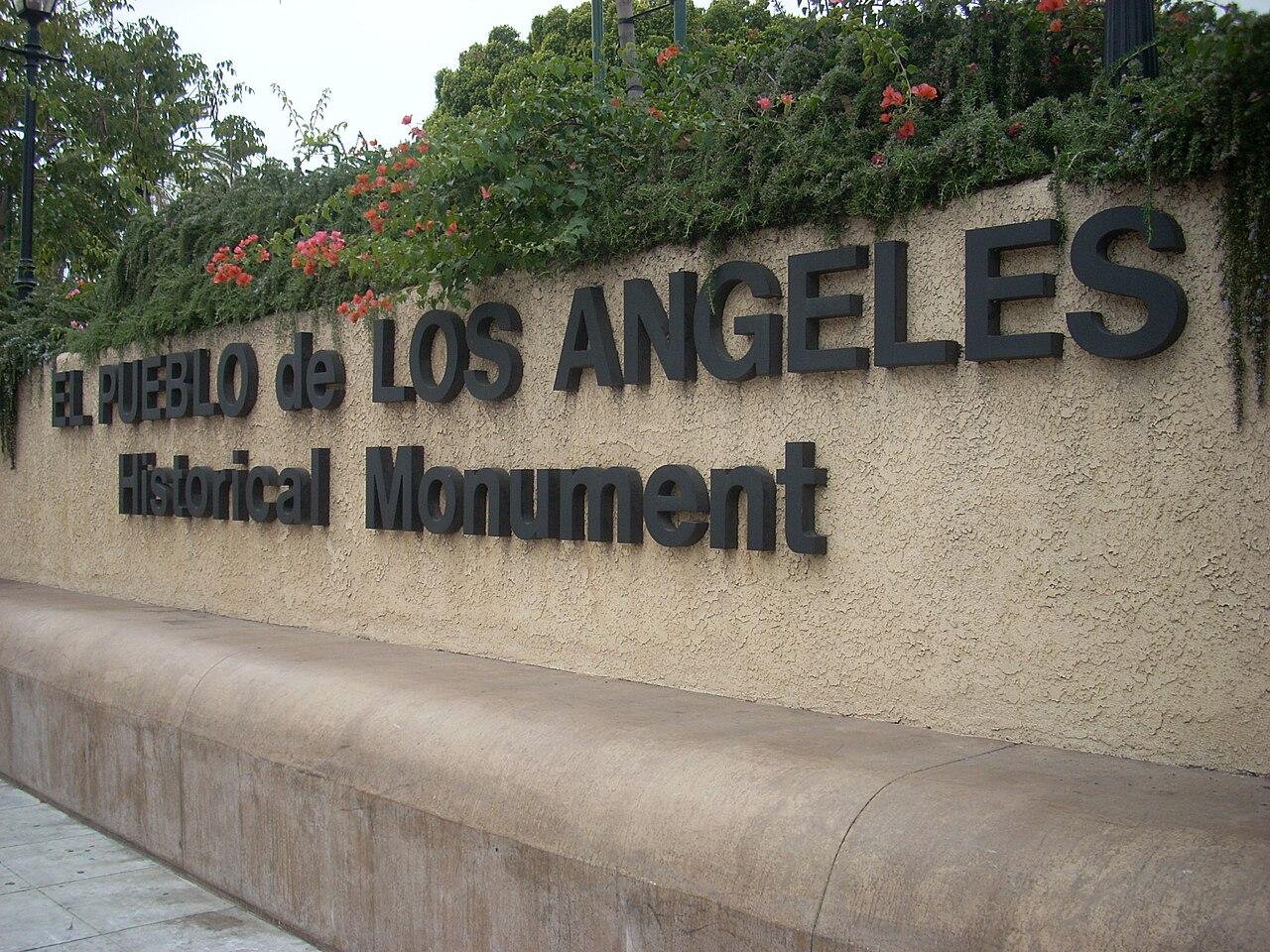
Los Angeles Plaza Historic District
- Must see
- Historic monument
Historic monument · Los Angeles
Union Station
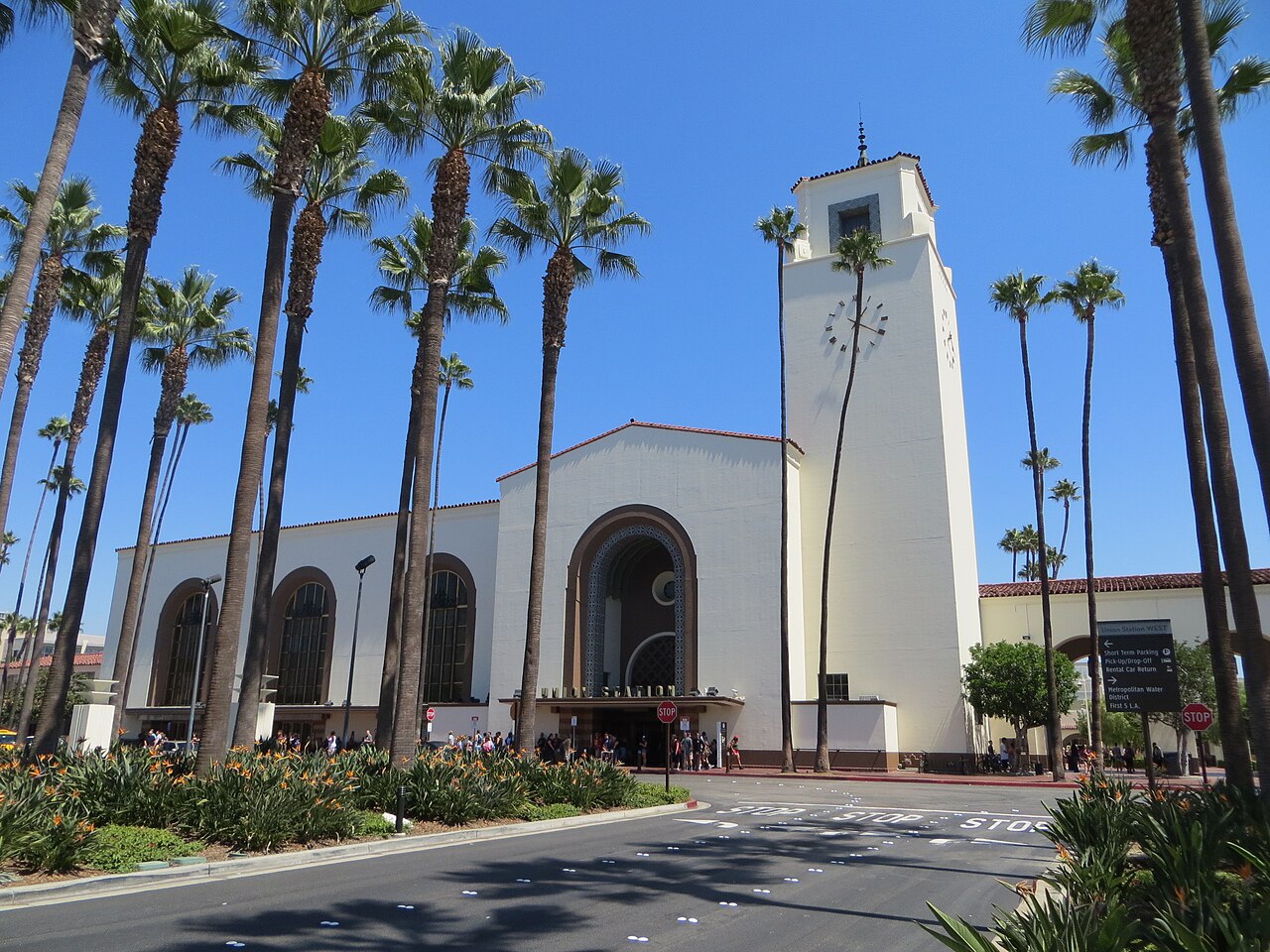
Los Angeles Union Station is the main railway station in Los Angeles, California. Opened in 1939, it serves as a major transportation hub for Southern California, combining Art Deco and Spanish Colonial Revival architectural styles. The station functions as the western terminus for Amtrak long-distance trains and hosts Metrolink commuter rail services. It also connects to Metro Rail subway and light rail lines. The building occupies a significant civic position in downtown Los Angeles and holds designation as a Los Angeles Historic-Cultural Monument.
Checked 2026-08-26
The station interior features a grand waiting room with high ceilings, travertine marble walls, and original terrazzo flooring. Decorative elements include leather-upholstered chairs, wood paneling, and period light fixtures. The space contains ticket counters, passenger seating areas, and retail concessions. A central patio with enclosed garden spaces reflects Spanish Colonial influences. The complex includes multiple train platforms accessed through underground passageways. Architectural details incorporate painted tilework, wrought iron fixtures, and coffered ceilings that demonstrate the building's historical design character. Los Angeles Union Station also earns time in a los angeles itinerary because Landmark rail terminal and major civic interior. Its value becomes clearer when the stop is compared with the surrounding streets and the other ranked places nearby.
Checked 2026-08-26
Visitors typically spend between thirty minutes and two hours at Union Station depending on purpose. Passengers with train connections should allow adequate time for platform access through underground passages. Architecture enthusiasts may require additional time to observe interior details throughout the waiting room and adjacent spaces. The building's compact central area permits efficient circulation. Those combining a visit with nearby downtown attractions should plan accordingly. Meal service at station establishments adds time. Photography and careful observation of decorative elements extends duration for interested visitors.
Checked 2026-08-26
Union Station operates as an active transportation facility throughout the year. Peak passenger volumes occur during weekday morning and evening commute periods when Metrolink services are most frequent. Midday hours generally offer calmer conditions for architectural observation. Weekend schedules differ from weekday patterns with reduced commuter rail service. Seasonal variations in natural light affect interior photography conditions. Visitors should consult current timetables for specific train operations. Special events occasionally restrict normal public access to portions of the facility. Check the operator's own site for the travel date before relying on a schedule or fare.
Checked 2026-08-26
Access to the main waiting room and public concourses requires no ticket for entry. Train travel requires valid fare purchased through respective operators: Amtrak for intercity services, Metrolink for regional commuter routes, and Metro for local rail transit. Fare structures vary significantly by service type and distance. Retail and dining establishments operate as independent vendors with separate transactions. Visitors intending to board trains must possess appropriate documentation and arrive before departure times. Parking in adjacent facilities typically involves separate fees. Check the operator's own site for the travel date before relying on a schedule or fare.
Checked 2026-08-26
Union Station occupies a downtown Los Angeles location at the intersection of multiple transit corridors. Metro Rail Red, Purple, Gold, and Silver Lines provide direct subway and light rail connections. Numerous Metro bus routes serve stops adjacent to the station. Metrolink commuter trains connect to surrounding counties. Amtrak services link to destinations throughout the western United States. Automobile access connects to major freeways though downtown traffic conditions vary substantially. Bicycle parking is available. The station's centralized position permits pedestrian connections to adjacent downtown districts including Olvera Street and the civic center.
Checked 2026-08-26
The station functions as a major transit hub with substantial foot traffic requiring awareness of surroundings. Underground passages to platforms involve stairs and ramps that may challenge mobility-impaired visitors. Active train operations demand adherence to platform safety markings and warnings. The downtown location necessitates standard urban precautions regarding personal belongings. Some original architectural features show wear from decades of public use. Seating in the waiting room may be occupied during peak travel periods. Restroom facilities are available but may require location within the complex. Construction or renovation activities occasionally affect normal circulation patterns.
Checked 2026-08-26
The grand waiting room offers substantial photography opportunities with natural light entering through tall windows. Interior architectural details including ceiling treatments, light fixtures, and material surfaces reward careful composition. Tripod use may attract security attention in active transportation environment. Morning and late afternoon light creates varied atmospheric conditions within the space. The central patio provides different lighting context. Platform photography requires awareness of operational safety requirements. Some areas may have restrictions during heightened security periods. The building's historical character supports both documentary and artistic approaches. Respect for passenger privacy remains essential throughout.
Checked 2026-08-26
Yes, the main waiting room and public concourses are accessible without train tickets.
The building combines Art Deco and Spanish Colonial Revival styles.
Yes, multiple Metro Rail lines and bus routes serve the station directly.
Yes, retail and dining concessions operate within the station complex.
Photography is generally possible though tripod use may attract security attention.
Adjacent parking facilities exist, typically involving separate fees.
Loading the interactive map…
The interactive map could not be loaded.

Last updated:
Source: OpenStreetMap contributors, Wikidata ·