
6 min walk
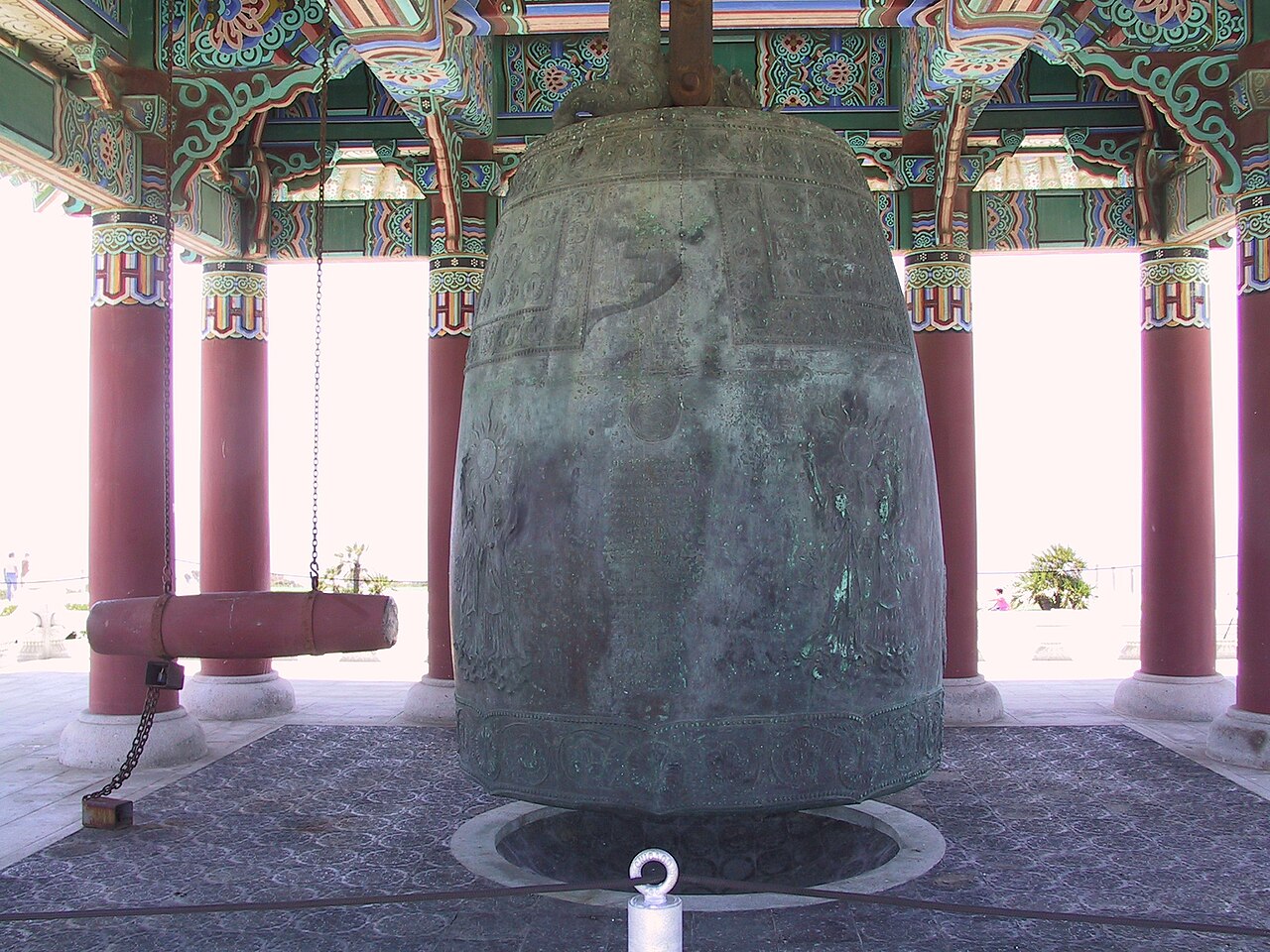
Korean Bell of Friendship
- Must see · Heritage site
- Historic monument
Language · 11 published
Historic monument · Los Angeles
Point Fermin Lighthouse
Reviewed by Elena Voss · Roavina Travel Editor
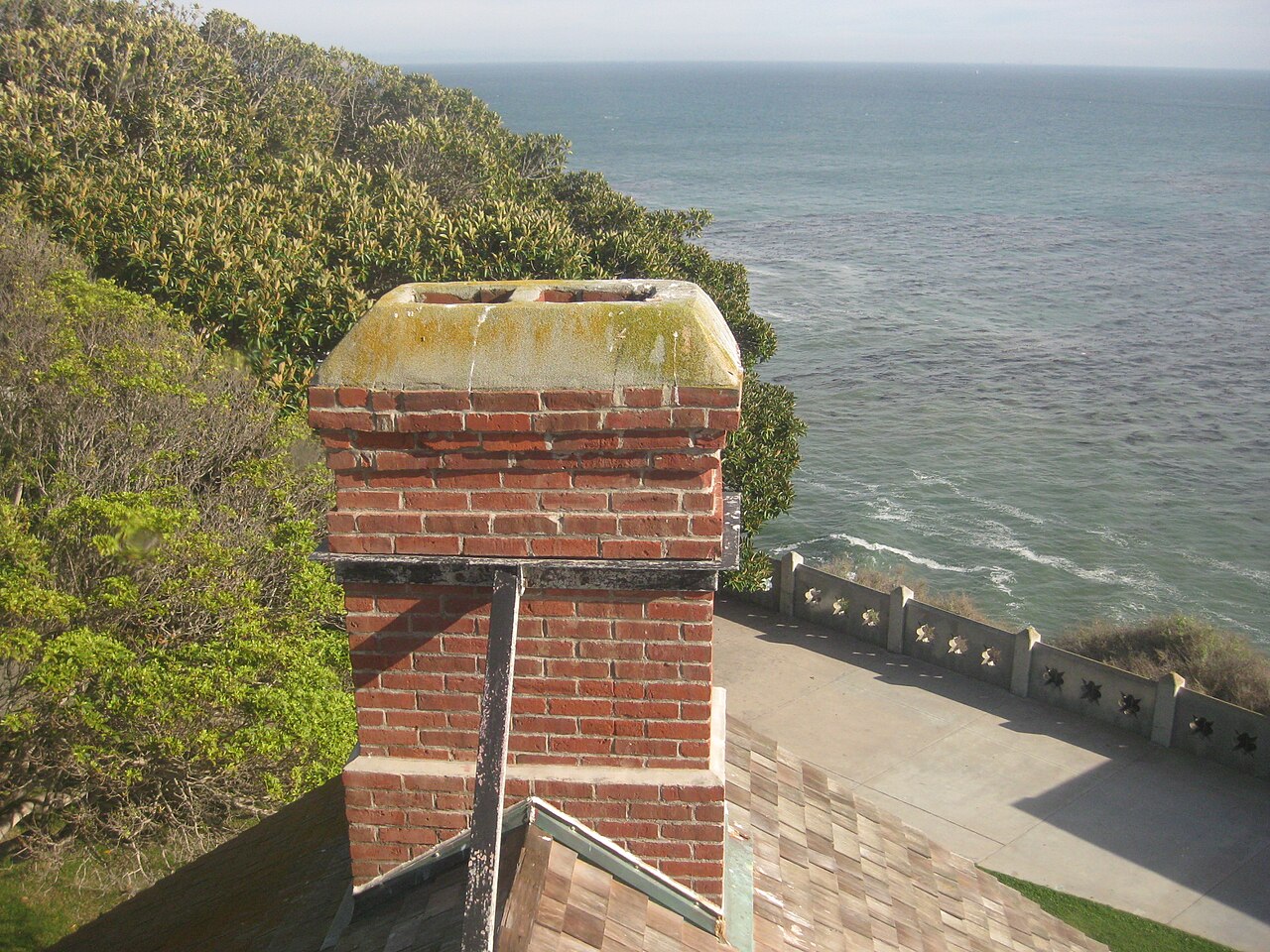
It was established in 1874. It was designed by Paul J. Pelz. It is built of structural wood. It carries the National Register of Historic Places listed place heritage designation.
Point Fermin Lighthouse is a historic Victorian lighthouse situated at the southern edge of Los Angeles, in the San Pedro neighborhood. Constructed in 1874, it represents one of the surviving examples of 19th-century lighthouse architecture on the California coast. The structure features a distinctive stick-style Victorian design with decorative wooden elements. It stands on Point Fermin, a bluff overlooking the Pacific Ocean and the entrance to Los Angeles Harbor. The lighthouse served an active navigational role until 1941, when the light was extinguished during World War II.
Checked 2026-08-26
The lighthouse interior contains period rooms that reflect its Victorian-era operation and domestic life. Visitors can observe the original Fresnel lens, a notable engineering achievement of its time that concentrated light into a powerful beam visible at sea. The keeper's quarters demonstrate how lighthouse families lived in this isolated posting. Various exhibits and displays interpret maritime history and the specific stories of the keepers who maintained the light. The building retains much of its original architectural character, including wooden detailing and structural features typical of the 1870s construction period.
Checked 2026-08-26
A visit to Point Fermin Lighthouse typically requires approximately forty-five minutes to one hour for a self-guided exploration of the interior spaces and grounds. Visitors interested in maritime history or Victorian architecture may wish to allocate additional time for examining exhibits in greater detail. The compact nature of the lighthouse structure means that the interior tour portion is relatively brief. Many visitors combine their stop here with exploration of the surrounding Point Fermin Park, which offers coastal walking paths and extended ocean views, potentially extending the overall visit duration significantly.
Checked 2026-08-26
Visitors should consult official sources before planning their trip to verify current accessibility. The coastal location means morning visits often provide clearer atmospheric conditions for viewing the ocean and harbor entrance. Afternoon light can create favorable conditions for photography of the structure's exterior. Weather along this section of coast can vary, with marine layer clouds common during certain seasons and times of day. Weekends may experience higher visitor numbers given the site's popularity with local residents and tourists exploring the San Pedro area. Check the operator's own site for the travel date before relying on a schedule or fare.
Checked 2026-08-26
Visitors should verify whether any admission fees apply through official channels prior to arrival. Many historic lighthouses in public park settings operate with free admission or suggested donation structures, though this cannot be assumed without confirmation. Group tours or special programming may involve separate arrangements. The lighthouse's location within Point Fermin Park suggests it may follow park access policies. Checking current information with the responsible municipal or preservation authority is recommended before visiting to avoid unexpected costs or access restrictions. Check the operator's own site for the travel date before relying on a schedule or fare.
Checked 2026-08-26
Point Fermin Lighthouse is located in San Pedro, at the southern terminus of Los Angeles. The site sits within Point Fermin Park at 807 West Paseo Del Mar. Drivers can reach the area via the Harbor Freeway (I-110) southbound, continuing onto Gaffey Street toward the coast. Public transit options include Metro bus lines serving the San Pedro area, though specific routing to the park entrance requires verification. The lighthouse occupies a prominent position on the coastal bluff, making it visible from approach directions. Parking availability in the surrounding park area should be confirmed for current conditions.
Checked 2026-08-26
The lighthouse stands on an elevated coastal bluff with exposed edges overlooking the Pacific Ocean. Visitors should exercise caution near cliff boundaries, as erosion and unstable ground may present hazards. Weather conditions can change rapidly along this coastline, with sudden fog reducing visibility. The historic structure contains narrow passages and stairways that may challenge visitors with mobility limitations. Interior spaces may have uneven flooring typical of nineteenth-century construction. Marine layer conditions can obscure harbor and ocean views. Visitors should respect any posted restrictions protecting both personal safety and the preserved historic fabric of the building and its immediate surroundings.
Checked 2026-08-26
The Victorian architecture of Point Fermin Lighthouse offers substantial photographic interest, with its decorative wooden trim, tower structure, and coastal setting. The surrounding park provides multiple vantage points for capturing the building against ocean backdrops. The original Fresnel lens, visible inside, represents a significant subject for detail photography. Exterior shots benefit from the structure's position on the bluff, with potential for dramatic sky and sea compositions. Morning and late afternoon light angles enhance the architectural details. Visitors should verify any interior photography restrictions with staff on site, as policies may apply to flash use or tripod deployment within the historic structure.
Checked 2026-08-26
No. The light was extinguished in 1941 during World War II and has not served an active navigational function since that time.
Specific access details for the tower are Not recorded pending review. Visitors should inquire with staff or official sources regarding current interior access policies.
The historic structure presents potential challenges due to narrow passages and stairways typical of 1870s construction. Specific accessibility accommodations are Not recorded pending review.
Whether regular guided tours are offered is Not recorded pending review. Visitors should consult official sources for current programming and tour availability.
Following the extinguishing of the light in 1941, the structure experienced various uses. It was eventually restored and opened for public visitation, though specific details of its interim history are Not recorded pending review.
Whether a visitor center or gift shop operates at this location is Not recorded pending review. Visitors should consult official sources for current amenities.
Loading the interactive map…
The interactive map could not be loaded.
Last updated:
Source: OpenStreetMap contributors, Wikidata ·