
01
1 hour
South Beach
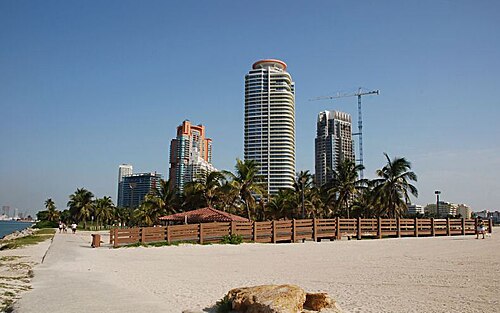
South Beach is Miami Beach's oceanfront visitor district, best understood as a long public beachfront and neighbourhood rather than one ticketed attraction.
- Must see
- Nature site
City guide · United States
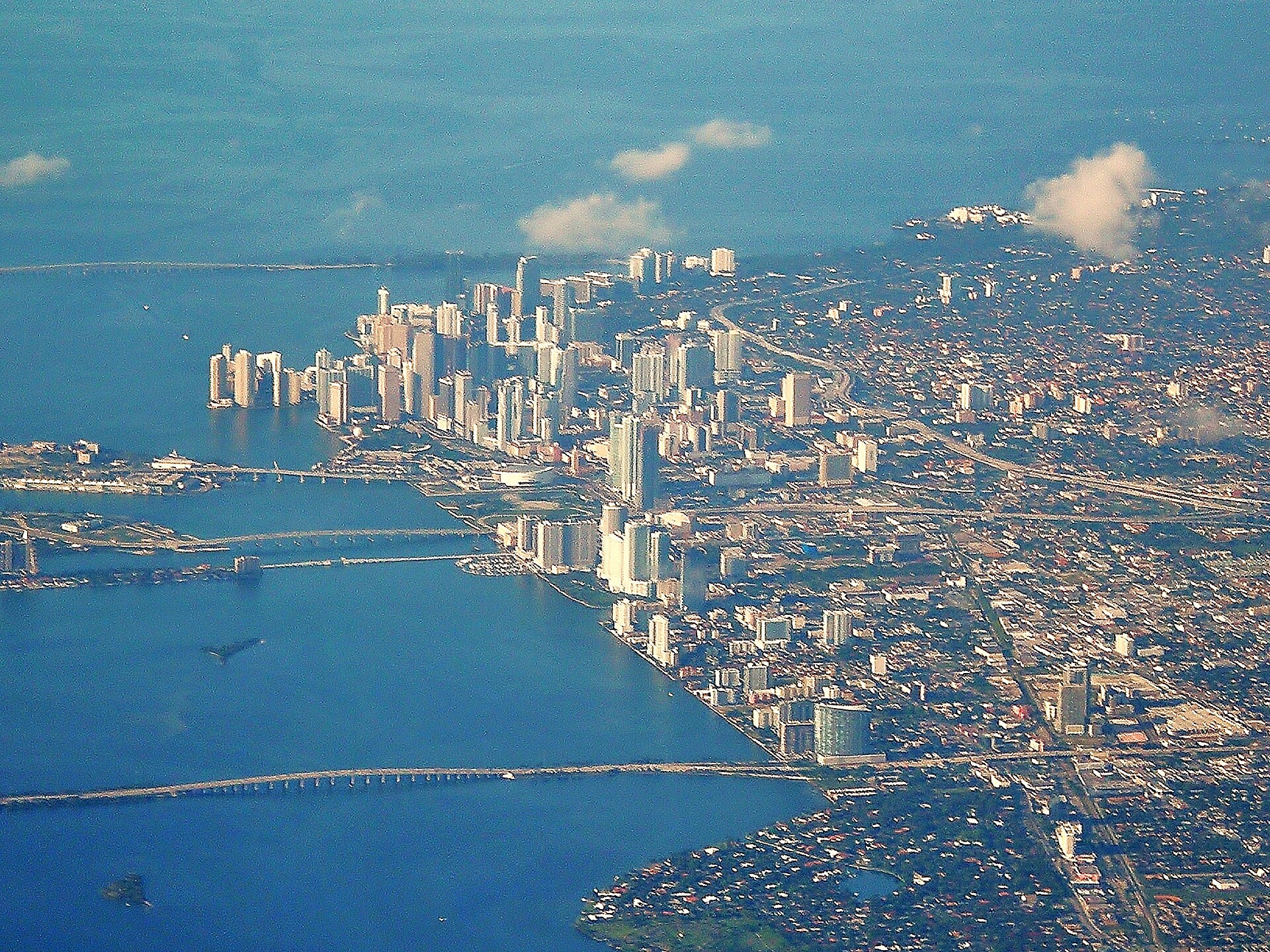
Miami is a dispersed waterfront destination rather than one compact centre. Downtown and Brickell form the urban core on Biscayne Bay; Miami Beach lies across t...
Photograph · Marc Averette · CC BY-SA 3.0
Set your days, your pace and the hours you actually want to be out. The planner works around closing days and travel time, and leaves room to eat.
Reviewed by Elena Voss · Roavina Travel Editor
Miami is a dispersed waterfront destination rather than one compact centre. Downtown and Brickell form the urban core on Biscayne Bay; Miami Beach lies across the causeways, while Wynwood, the Design District, Coconut Grove, Coral Gables and Little Havana are separate districts with distinct identities. Plan by area and avoid assuming that places sharing a Miami address are within an easy walk of one another.
Checked 2026-08-26
September · September contains the Atlantic hurricane season's September 10 climatological peak, a recurring severe disruption risk for Miami.
Ranked by importance — sitelinks, pageviews and heritage status, not editor preference.
31 places match
Category
Typical visit duration
Interests
South Beach is Miami Beach's oceanfront visitor district, best understood as a long public beachfront and neighbourhood rather than one ticketed attraction.
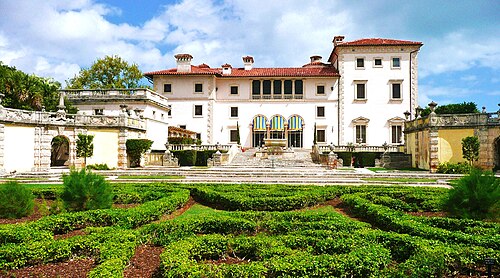
Vizcaya Museum and Gardens is a preserved early twentieth-century estate on Miami’s Biscayne Bay, built around an Italian Renaissance-inspired main house and a deliberately theatrical landscape.
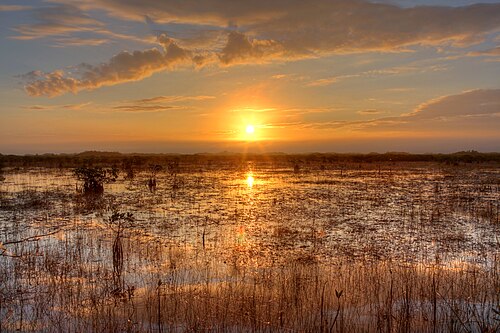
Everglades National Park is a vast subtropical wilderness at the southern end of Florida. Sawgrass marshes, mangrove forests, pine flatwoods, hardwood hammocks, and shallow waterways form a landscape shaped by seasonal water movement.
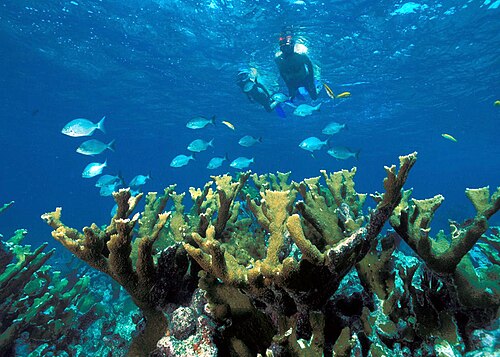
Biscayne National Park protects a predominantly marine landscape south of Miami, where aquamarine water, mangrove shoreline, coral reefs, and offshore islands meet. It includes Biscayne Bay, the coral keys, and part of the Florida Reef.

Fairchild Tropical Botanic Garden is an 83-acre botanical garden in Coral Gables, Florida, serving the Miami metropolitan area.
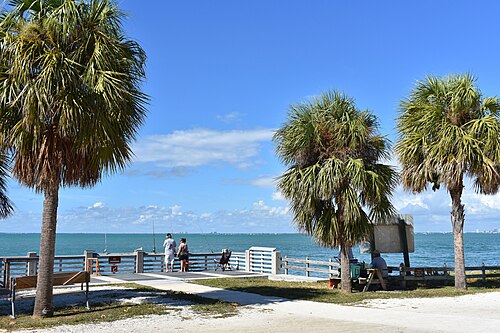
Bill Baggs Cape Florida State Park occupies the southern tip of Key Biscayne, a barrier island east of downtown Miami. The park protects approximately 400 acres of coastal landscape including beach, dunes, and mangrove shoreline.
Biscayne Bay separates mainland Miami from Miami Beach. Downtown and Brickell sit on the mainland waterfront; Wynwood and the Design District are north, Little Havana is west, and Coconut Grove and Coral Gables are southwest. South Beach occupies the southern end of Miami Beach and is a destination in its own right. Causeways and waterways shape every cross-city journey, so combine attractions on the same side of the bay.
Checked 2026-08-26
Use Metrorail for selected mainland corridors, Metrobus for broader coverage and the free Metromover within Downtown, Omni and Brickell. Miami Beach, the City of Miami and Coral Gables also operate local trolley services. Walking is practical inside individual districts but not between most of them. Check Miami-Dade Transit and municipal service notices before travelling, especially when moving between the mainland and the beach.
Checked 2026-08-26
A fixed stay length is not recorded. Build the visit around separate district days for Downtown and Brickell, Miami Beach, and the mainland neighbourhoods that interest you.
No. Miami is on the mainland and Miami Beach is a separate city across Biscayne Bay. Causeways connect them, but they should be planned as separate areas.
Yes. Miami-Dade operates Metromover as a free elevated service linking stations in Downtown, Omni and Brickell, with connections to other transit services.
No. Individual districts can be walkable, but the destination is spread across the mainland, islands and causeways. Use transit or another connection between districts.
Combine Downtown with Brickell, pair Wynwood with the Design District, and treat Little Havana, Coconut Grove and Coral Gables as separate mainland clusters.