
7 min walk
Madison Square and Madison Square Park
- Notable
- Nature site
Language · 11 published
Nature site · New York
Reviewed by Elena Voss · Roavina Travel Editor
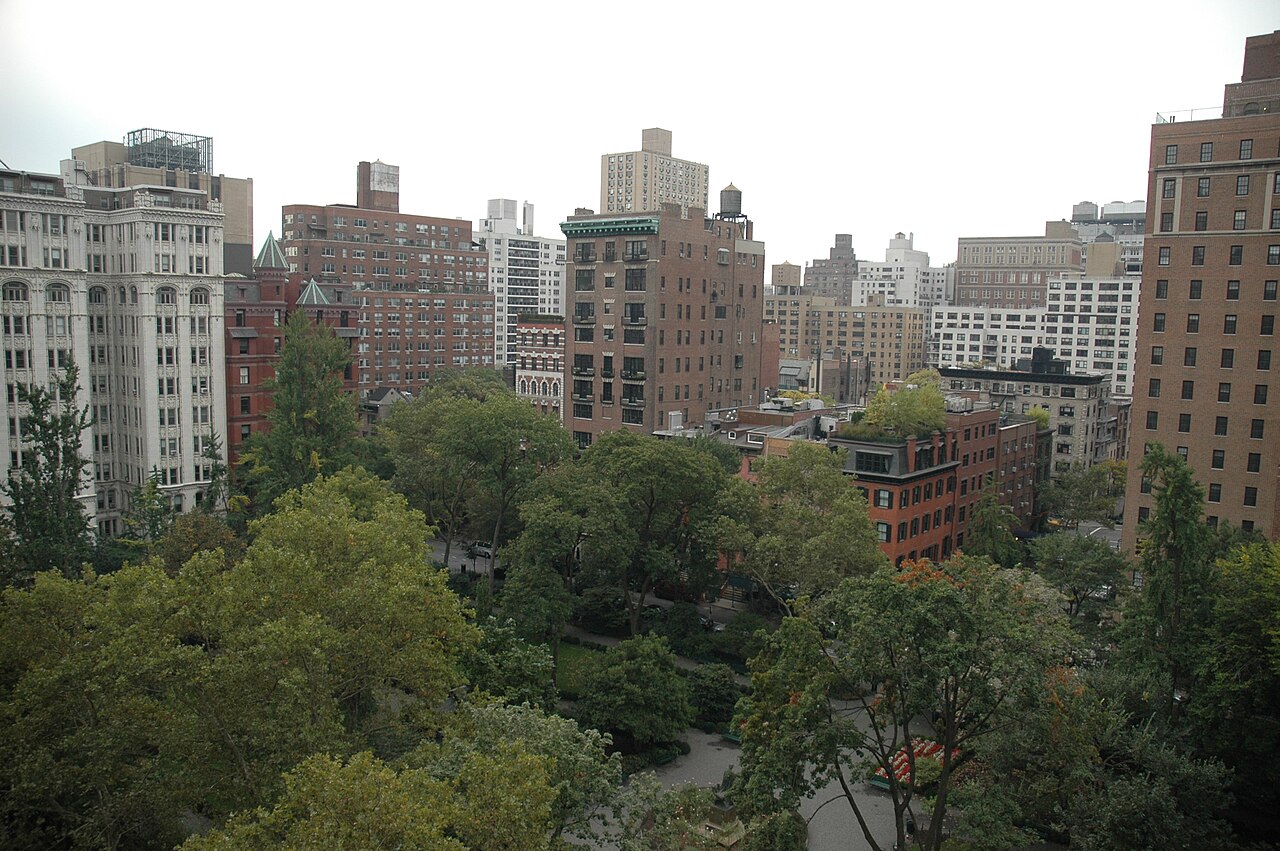
This place is a Park.
Gramercy Park is a private, fenced green space in Manhattan’s Gramercy neighborhood. Established in 1831, it is surrounded by historic townhouses and apartment buildings. The park is one of New York City’s distinctive residential landmarks because entry belongs to keyholders and their invited guests. For most travelers, the attraction is the park’s secluded character and the architecture around its perimeter. Gramercy Park is a private, fenced park in the Gramercy neighborhood of Manhattan, New York City. It is one of only two remaining private parks in the city, with the other being Sunnyside Gardens in Queens. The park was established in 1831 and is surrounded by historic townhouses and apartment buildings. Access is restricted to residents who hold keys and their invited guests, making it one of the most exclusive green spaces in Manhattan. The surrounding area has been designated a historic district. No. Gramercy Park is private. Entry requires a key held by surrounding residents and their invited guests.
Checked 2026-08-26 · Source
The enclosed grounds contain landscaped gardens, trees, shrubs, flower beds, paths, benches, and a central open lawn. An Edwin Booth statue stands inside the park. The Players Club and National Arts Club add architectural interest nearby, while the surrounding streets show the historic character of the Gramercy area. Travelers without a key can appreciate these details from the public sidewalks and fence line. The park contains landscaped gardens with trees, shrubs, flower beds, and walking paths. There are benches for seating and a central open lawn area. A statue of Edwin Booth, the famous 19th-century actor and founder of the Players Club, stands within the park. The surrounding streets feature notable architecture including the Players Club and the National Arts Club. The park's private nature means its interior details are not fully documented in public sources. Visitors without key access must view from outside the fence.
Checked 2026-08-26 · Source
Exterior viewing takes only a few minutes, but the surrounding neighborhood deserves longer if historic architecture interests you. Keyholders and guests can spend time strolling, sitting, or enjoying the compact gardens. Because the park covers about two acres, it is not a large walking destination. Treat it as a short Gramercy stop combined with nearby Union Square, Flatiron, or East Village walks. For those with key access, a typical visit to Gramercy Park might last between thirty minutes and one hour. The park is compact, covering approximately two acres. Casual strolling, sitting on benches, or brief relaxation would constitute a standard visit. Without key access, viewing from the perimeter takes only a few minutes.
Checked 2026-08-26 · Source
The perimeter can be viewed whenever you are walking through the neighborhood because the surrounding streets are public. Spring and summer bring foliage and flowers, autumn adds changing leaves, and winter reveals more of the park’s structure through sparser planting. Entry into the grounds remains restricted to keyholders and guests, so seasonal beauty does not create a general public visiting opportunity.
Checked 2026-08-26 · Source
Gramercy Park has no public ticket system or day pass. Keys belong to residents of qualifying surrounding buildings, who support park maintenance through associated fees; guests enter with a keyholder. Travelers who do not have this connection should plan for exterior viewing only. The lack of public entry is central to the park’s identity and should shape expectations before arriving.
Checked 2026-08-26 · Source
The park lies between East 20th and East 21st Streets and between Park Avenue South and Third Avenue. Subway stations around 23rd Street provide access, followed by a walk through Manhattan. It is also walkable from the Flatiron District, Union Square, and the East Village. Public transport is practical; driving means dealing with limited street parking in a busy central neighborhood.
Checked 2026-08-26 · Source
Respect the park’s private status and do not try to enter without a keyholder. The fence clearly separates the grounds from public pavement. Keep photography equipment and personal space on the sidewalk, especially in this residential setting. Visitors seeking a park they can enter freely can continue to Madison Square Park or Union Square. Weather matters because exterior viewing is entirely outdoors.
Checked 2026-08-26 · Source
The fence, gates, gardens, Edwin Booth statue, and surrounding townhouses create the strongest photographic subjects. Work from public sidewalks and avoid blocking residents or pedestrians. The enclosure may obstruct wide views, so details and framed views through the ironwork can be more effective than a full panorama. Morning or late-afternoon light can emphasize the historic façades and foliage around the perimeter.
Checked 2026-08-26 · Source
No. Entry is limited to residents with keys and their invited guests.
Visitors can view the gardens, landscaping, Edwin Booth statue, fence, gates, and surrounding historic architecture from the sidewalks.
It is in Manhattan between East 20th and East 21st Streets, and between Park Avenue South and Third Avenue.
Gramercy Park was established in 1831 and remains a private green space in the surrounding historic neighborhood.
Yes. It is one of New York City’s two remaining private parks; the other is Sunnyside Gardens in Queens.
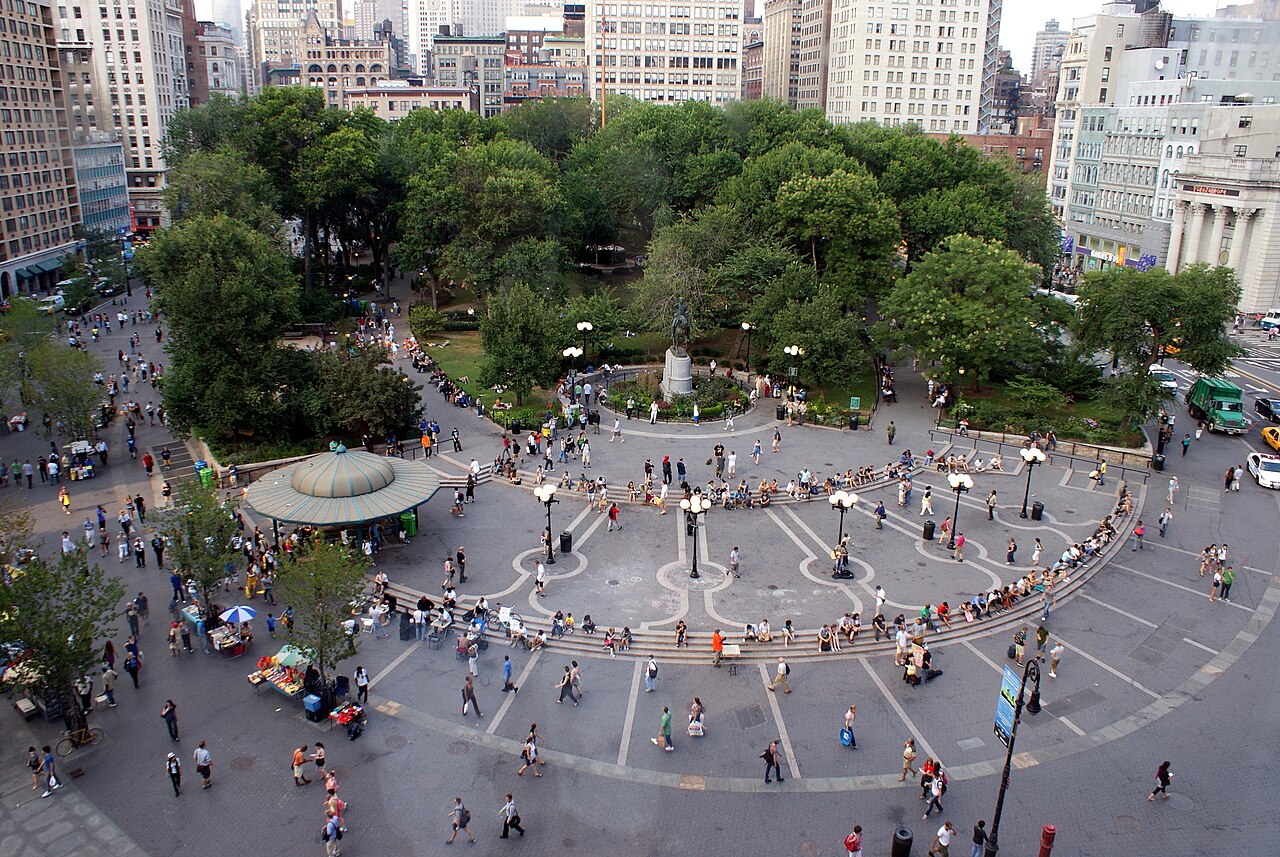
Madison Square Park and Union Square offer public green space within the broader Manhattan sightseeing area.
Loading the interactive map…
The interactive map could not be loaded.
Last updated:
Source: OpenStreetMap contributors, Wikidata ·