
12 min walk
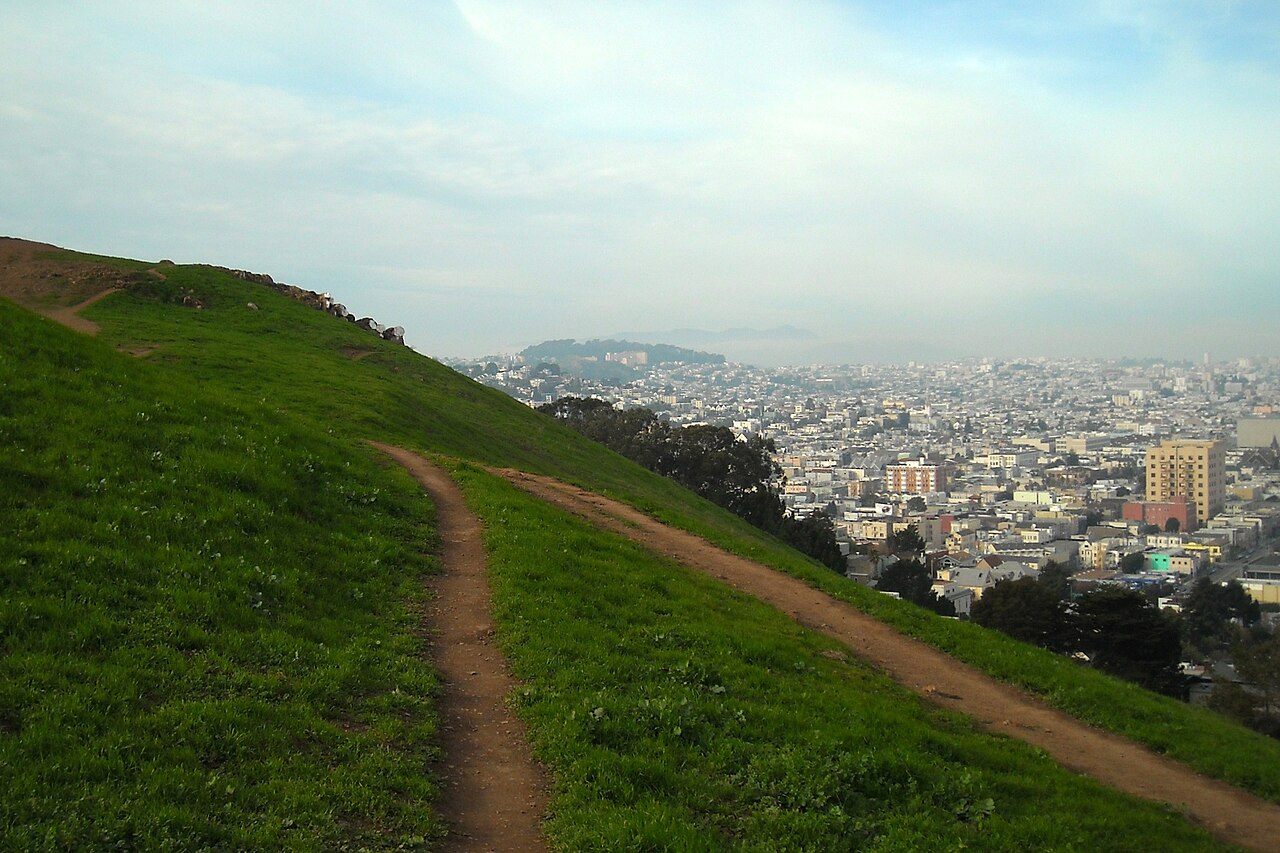
Bernal Heights Park
- Must see
- Nature site
Art and culture venue · San Francisco
| Monday | 00:00 – 23:59 |
|---|---|
| Tuesday | 00:00 – 23:59 |
| Wednesday | 00:00 – 23:59 |
| Thursday | 00:00 – 23:59 |
| Friday | 00:00 – 23:59 |
| Saturday | 00:00 – 23:59 |
| Sunday | 00:00 – 23:59 |
Checked 2026-08-31 · Source
| Per person | Free entry |
|---|
Checked 2026-08-31 · Source
Read from the OpenStreetMap access tags; anything not listed has no tag recorded.
Set the group type to family in the planner and the day window contracts to about three quarters of a solo day.
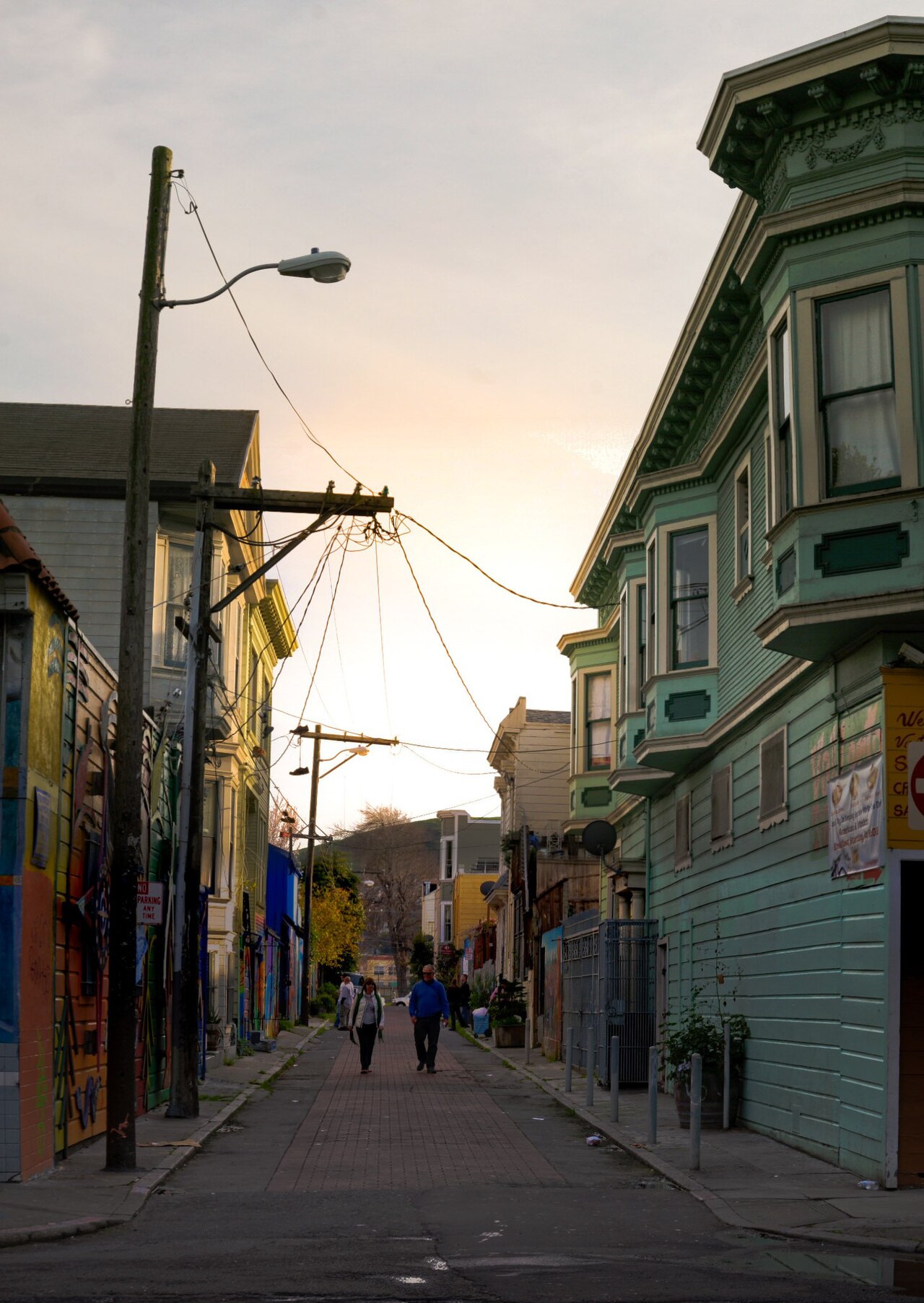
Balmy Alley is a one-block residential passage in San Francisco’s Mission District and one of the city’s most concentrated mural corridors. The alley runs between 24th Street and 25th Street, with painted garage doors and fences forming an open-air gallery. Community artists began transforming the space in the 1970s, creating work connected to Chicano and Latin American mural traditions. The images address immigration, social justice, neighborhood identity, cultural memory, and daily life. Balmy Alley is best understood as a living community artwork inside a place where residents still live, rather than as a formal museum.
Checked 2026-08-26 · Source
The alley contains dozens of murals spread across nearly every usable wall, garage door, and fence surface. Large narrative scenes sit beside smaller works, portraits, symbols, and text-based pieces. Many murals connect personal stories with wider histories of migration, resistance, family, and cultural heritage. The collection changes over time, so a return visit can reveal a different visual record of the corridor. The narrow layout encourages close looking: visitors can compare styles from one doorway to the next and notice how the residential architecture becomes part of the exhibition. The strongest experience comes from reading the whole sequence rather than searching for one isolated image.
Checked 2026-08-26 · Source
A focused visit takes about fifteen to thirty minutes because Balmy Alley is only one block long. Add time if you enjoy photographing details, reading painted text, or comparing individual panels. The short length makes the alley easy to include during a wider Mission District walk, especially one built around 24th Street, local food, and other mural sites. Visitors interested in public art can continue to Clarion Alley and extend the outing into a longer neighborhood route. The corridor itself does not require a full afternoon; its value lies in concentrated observation and the context of the surrounding streets.
Checked 2026-08-26 · Source
Visit Balmy Alley during daylight, when the murals are easiest to see and the painted details read clearly in photographs. Morning and late afternoon provide softer light and can reduce glare on the vertical surfaces. San Francisco weather changes quickly, and the Mission District can bring wind, cool air, or fog even when other parts of the city feel warmer, so layers are useful. The corridor is an outdoor public passage rather than a scheduled indoor attraction. A daytime visit also makes it easier to appreciate the residential character of the alley and to move respectfully around people using their homes and vehicles.
Checked 2026-08-26 · Source
Balmy Alley is free to visit because it is an open-air public street corridor. There is no ticketed entrance separating the murals from the surrounding Mission District. The lack of admission desks or staff changes the rhythm of the stop: visitors simply walk through, pause at the artwork, and continue into the neighborhood. Independent exploration is the normal format, while a community or neighborhood walking tour may provide additional interpretation. The alley does not operate like a museum with galleries, a reception area, or a programmed visitor route, so plan the stop around the murals and the lived-in setting.
Checked 2026-08-26 · Source
Balmy Alley runs parallel to Treat Avenue and can be reached from 24th Street or 25th Street between Harrison Street and Treat Avenue. The 24th Street Mission BART station provides a practical transit approach, followed by a walk through the Mission District. Muni routes serve the surrounding 24th Street corridor. The neighborhood is dense and walkable, with restaurants, shops, and other mural clusters close enough to combine into one route. Driving is less convenient because street parking is limited and competitive. The area is relatively flat for cycling and walking, making a neighborhood-scale itinerary more natural than a car-based visit.
Checked 2026-08-26 · Source
Balmy Alley is a residential street, so the main responsibility is to behave like a considerate guest. Keep voices low, leave garage doors and entrances clear, and do not lean on or touch private property. Uneven pavement can create small trip hazards, especially when attention is fixed on the murals. Some images contain direct political language or difficult subjects. Daylight suits both visibility and neighborhood courtesy; after dark, ordinary urban awareness becomes more important. The alley’s cultural value comes from community use and long-term local expression, so visitors should observe without turning residents’ homes into props.
Checked 2026-08-26 · Source
Photography is a natural part of visiting Balmy Alley because the murals are publicly visible and fill the corridor’s walls, doors, and fences. Walk slowly, keep cameras and phones close to the side, and avoid blocking residents, parked vehicles, or other viewers. Morning and afternoon light create different levels of shadow across the painted surfaces, while overcast conditions can reduce harsh contrast. Large tripods are awkward in the narrow passage. Photograph the artwork rather than identifiable residents or private interiors, and remember that the alley is a home-lined street as well as an outdoor art destination.
Checked 2026-08-26 · Source
Balmy Alley is in San Francisco’s Mission District, running between 24th Street and 25th Street near Treat Avenue.
Community artists have covered its garage doors and fences with murals since the 1970s, creating a concentrated open-air gallery.
A focused visit takes about fifteen to thirty minutes, with extra time useful for close viewing and photography.
No. Balmy Alley is a free public street corridor that visitors can walk through without a ticket.
Yes. Both mural corridors are in the Mission District and can be included in a wider public-art walk.
Visitors should keep voices low, leave entrances clear, avoid touching the artwork, and respect the residents who live along the corridor.
Loading the interactive map…
The interactive map could not be loaded.
Last updated:
Source: OpenStreetMap contributors, Wikidata ·