
3 min walk
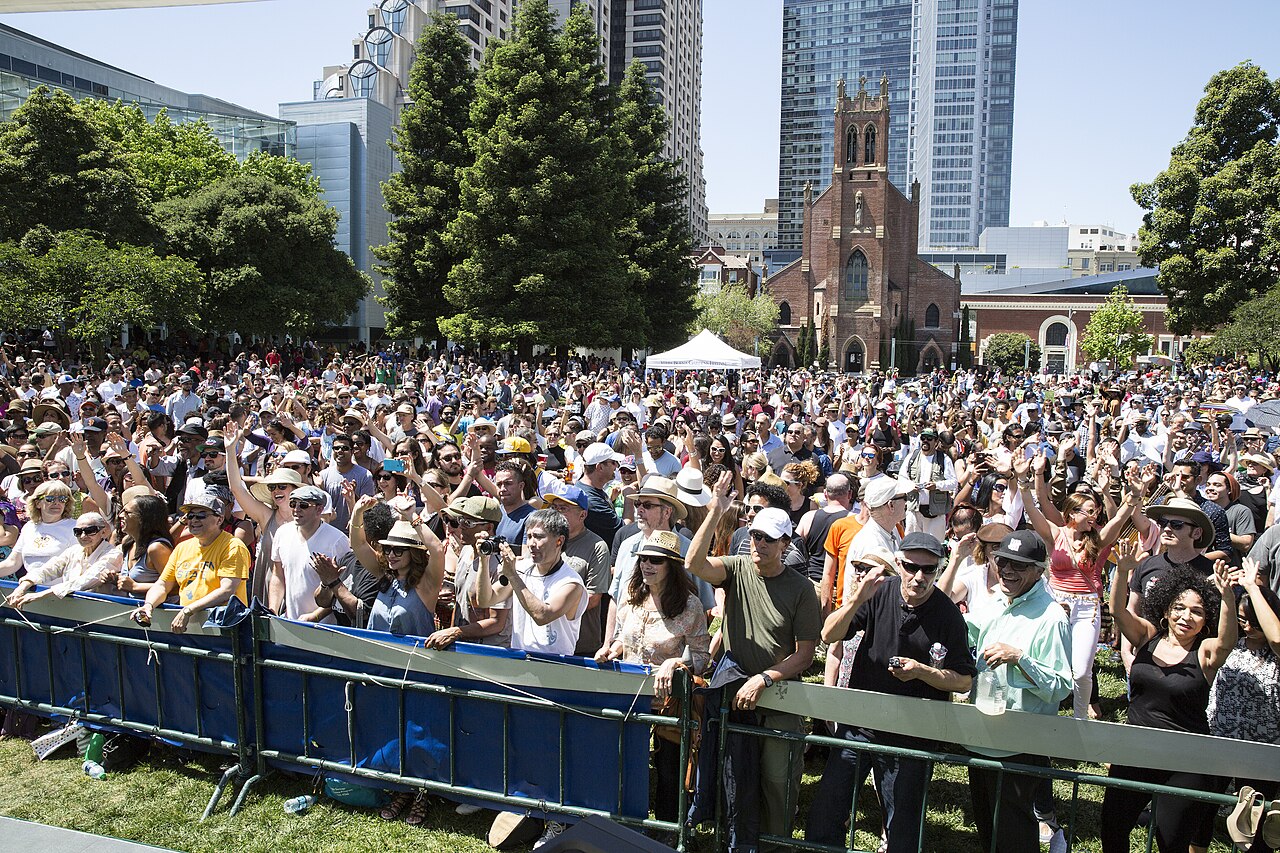
Yerba Buena Gardens
- Must see
- Nature site
Museum · San Francisco
| Monday | Closed |
|---|---|
| Tuesday | Closed |
| Wednesday | 10:00 – 16:00 |
| Thursday | 10:00 – 16:00 |
| Friday | 10:00 – 16:00 |
| Saturday | 10:00 – 16:00 |
| Sunday | 10:00 – 16:00 |
Checked 2026-08-31 · Source
| Per person | $20.00 |
|---|
Checked 2026-08-31 · Source
Read from the OpenStreetMap access tags; anything not listed has no tag recorded.
Set the group type to family in the planner and the day window contracts to about three quarters of a solo day.
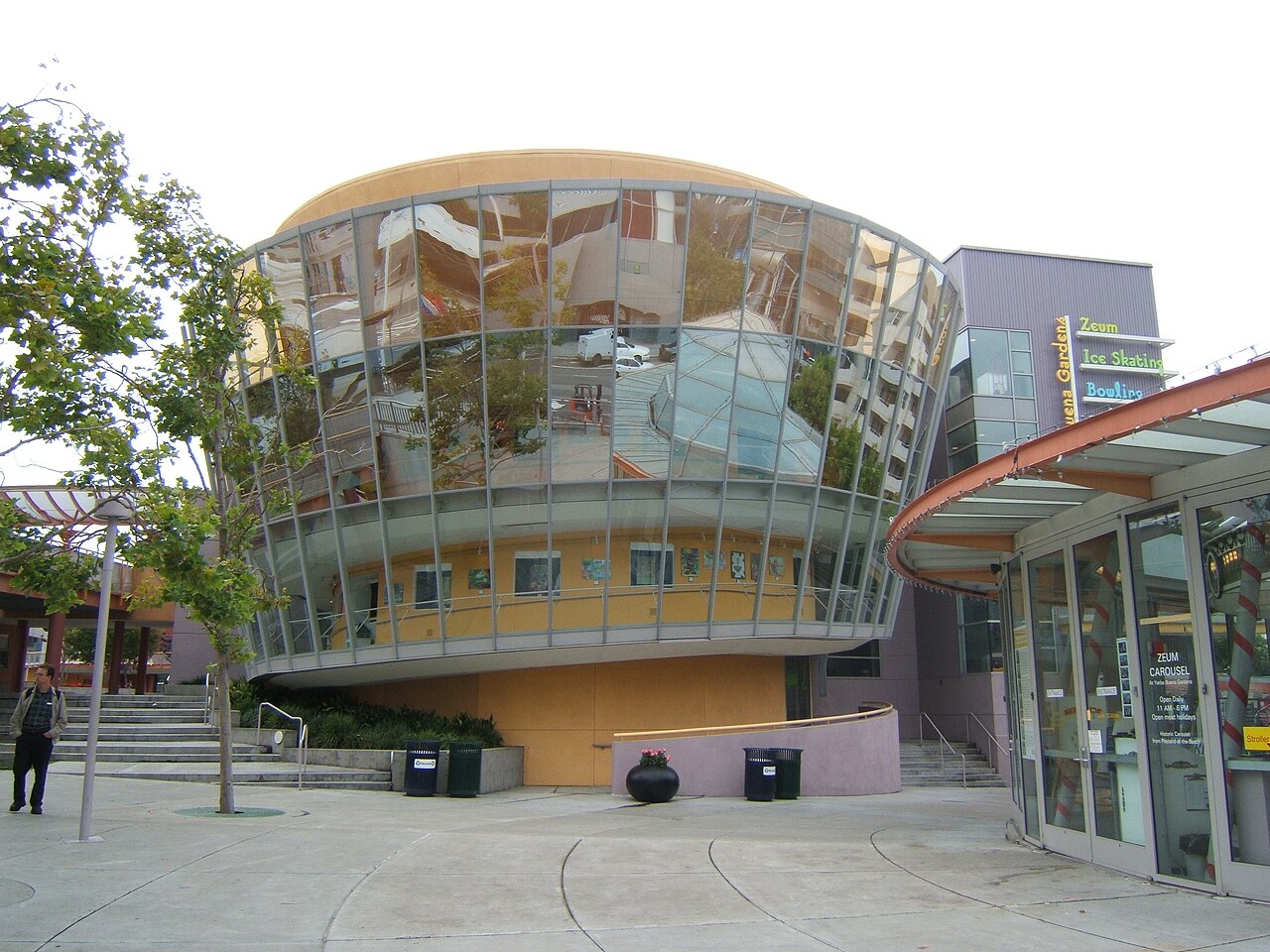
Children’s Creativity Museum is a hands-on museum in downtown San Francisco where children and families make, record, build, and design rather than simply look at finished displays. The museum focuses on creative expression through technology, art, and digital media. Its position beside Yerba Buena Gardens and the Moscone Center makes it a convenient family stop in the central city. The museum’s strongest appeal is participation: children leave with the experience of having created something, while adults can join the process instead of supervising a purely observational visit.
Checked 2026-08-26 · Source
The museum’s creative zones support stop-motion animation, music-video production, digital storytelling, design, and physical making. Children can experiment with tools and materials, repeat an activity, and change the result as they work. The emphasis is on process rather than producing a perfect finished object. Digital stations sit alongside hands-on art and maker activities, giving families different ways to participate. The range of tasks suits children with different interests: one child may prefer movement and performance, another may focus on construction or visual design. The museum is therefore more engaging when families choose activities actively rather than trying to hurry through every station.
Checked 2026-08-26 · Source
Plan on two to four hours for a meaningful visit to Children’s Creativity Museum. A single animation, recording, or making activity can occupy a family longer than expected, especially when children want to revise the result. The museum rewards an unhurried pace because experimentation is part of the attraction. A shorter visit can work when paired with Yerba Buena Gardens or another downtown stop, but two hours gives children time to settle into the creative environment. Repeat visits can feel different because the work produced depends on each child’s choices and the activities that hold attention that day.
Checked 2026-08-26 · Source
Choose a visit time that gives children room to concentrate and complete projects. Weekends and school holidays can be busier because the museum is designed for family outings, while weekday school-group visits may affect the atmosphere during term time. An earlier arrival can make it easier to begin with popular creative stations before queues form. The indoor focus keeps the main experience comfortable in changing San Francisco weather, and Yerba Buena Gardens provide an outdoor extension when conditions suit. Build the schedule with a little spare time: creative work rarely follows an exact timetable, and stopping abruptly can end the most enjoyable part of the visit.
Checked 2026-08-26 · Source
Children’s Creativity Museum is a dedicated family attraction in the Yerba Buena cultural district, so admission belongs in the day’s museum planning rather than being treated as part of access to the surrounding gardens. Families should allow time for the hands-on activities after entering; the value comes from participation, not a quick circuit of rooms. The museum can be paired with nearby downtown attractions, but the child-focused creative experience remains a separate stop. Plan for the possibility that children will want to repeat a favorite activity, since the visit’s pace is shaped by making and experimenting.
Checked 2026-08-26 · Source
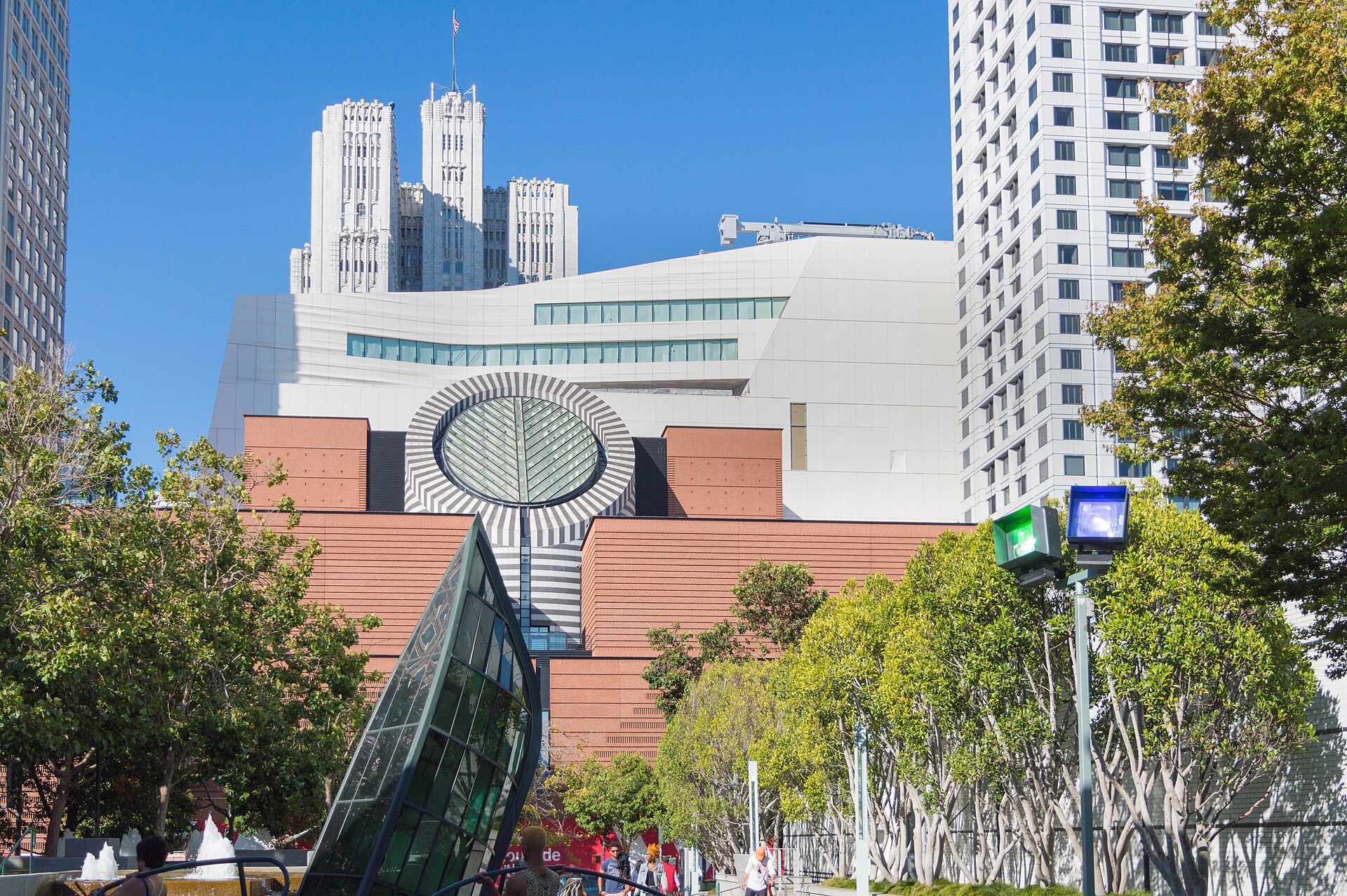
The museum is in downtown San Francisco near Yerba Buena Gardens and the Moscone Center. Muni bus and rail services serve the central area, and BART stations provide regional access with a walk through downtown. The location connects easily to nearby museums, hotels, gardens, and retail streets, so families can build a mostly pedestrian itinerary after arriving in the district. Driving brings the usual downtown difficulties of traffic, parking availability, and cost. Public transport or a short walk from another Yerba Buena destination keeps the journey simple and avoids moving a car between nearby attractions.
Checked 2026-08-26 · Source
Hands-on activities need active adult supervision, particularly when children are using equipment, moving between stations, or working with materials. A project may take longer than the family’s planned schedule, so leave room before the next reservation or meal. Popular stations can attract queues at busy times. Younger children may need help with reading, dexterity, or following a sequence, while older children may want more independence. Comfortable clothing suits an environment built around movement and making. Before leaving, keep track of any digital or physical work the family has created so the visit ends with the intended result.
Checked 2026-08-26 · Source
Photography at Children’s Creativity Museum naturally includes the projects children make, the process of working, and the finished digital or physical results. Keep phones and cameras clear of active equipment and avoid photographing other families without permission. The museum is a working creative environment, so a large camera setup can interfere with narrow activity areas and children’s concentration. Family photographs are most useful when they show the act of making rather than only the final result. The surrounding Yerba Buena Gardens and downtown cultural district offer additional outdoor images after the hands-on visit has finished.
Checked 2026-08-26 · Source
The museum is designed for children and families, with activities that offer different levels of complexity across childhood stages.
Children can create stop-motion animations, music videos, digital stories, designs, and physical maker projects.
Plan on two to four hours, depending on how many activities children choose and how long they spend developing each project.
Yes. The museum is in the downtown Yerba Buena area beside the gardens and near the Moscone Center.
Yes. Its hands-on activities combine naturally with Yerba Buena Gardens and the nearby cultural attractions.
Creative projects can take longer than expected because children may want to repeat activities, revise their work, or complete a digital production.
Loading the interactive map…
The interactive map could not be loaded.
Last updated:
Source: OpenStreetMap contributors, Wikidata ·