


.jpg)

4 min walk
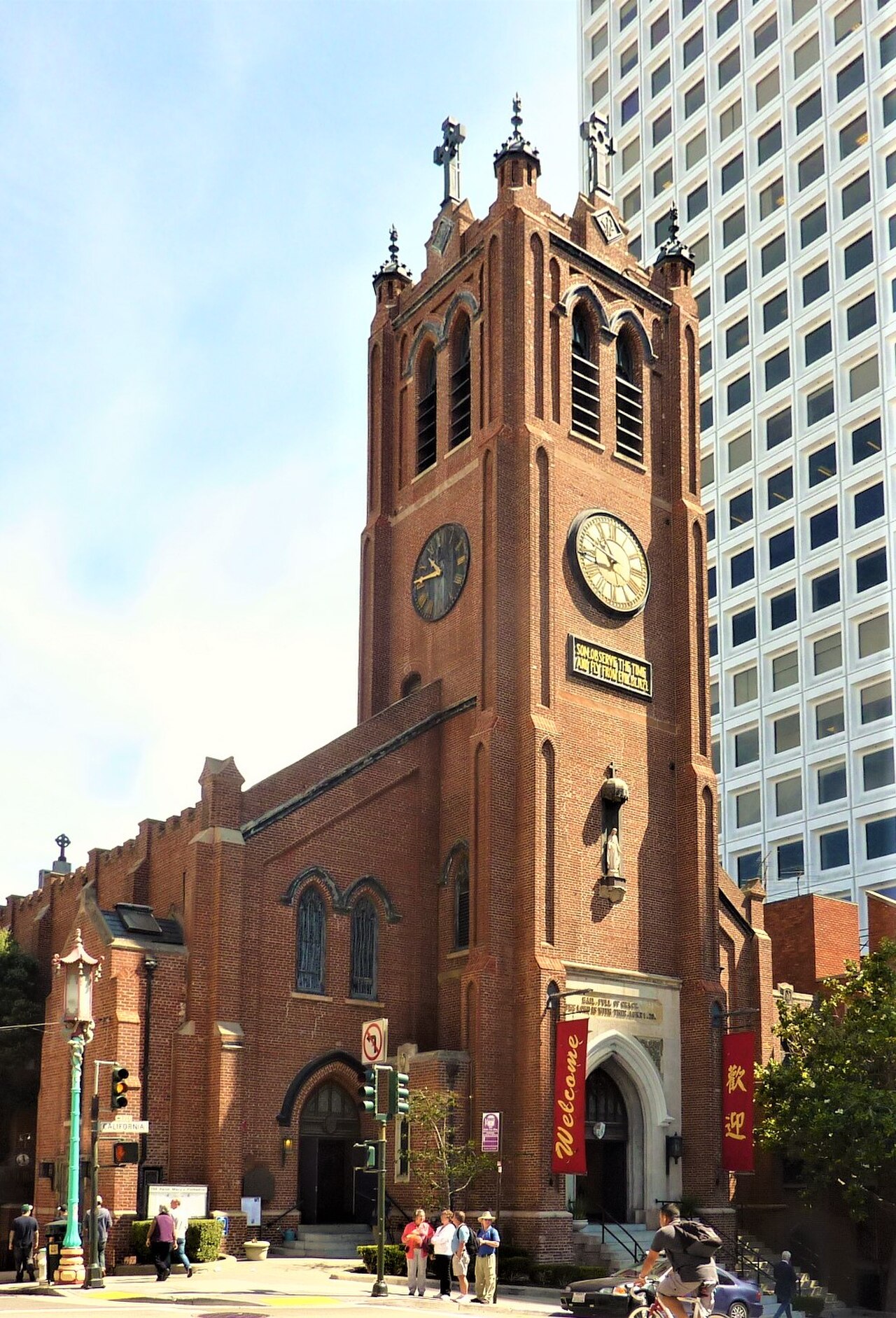
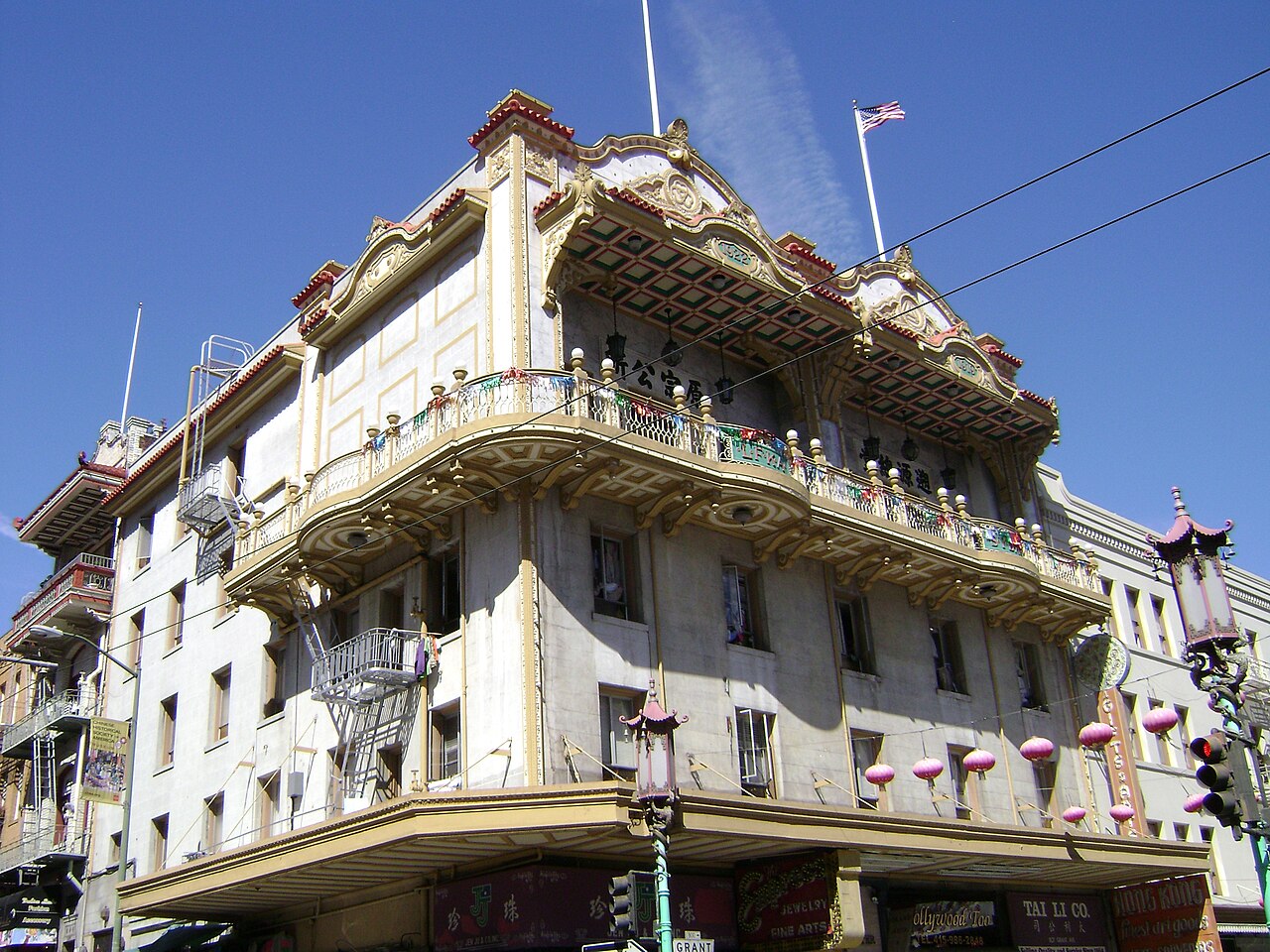
Old Saint Mary's Cathedral
- Notable · Heritage site
- Place of worship
Language · 11 published
Historic monument · San Francisco
Reviewed by Elena Voss · Roavina Travel Editor
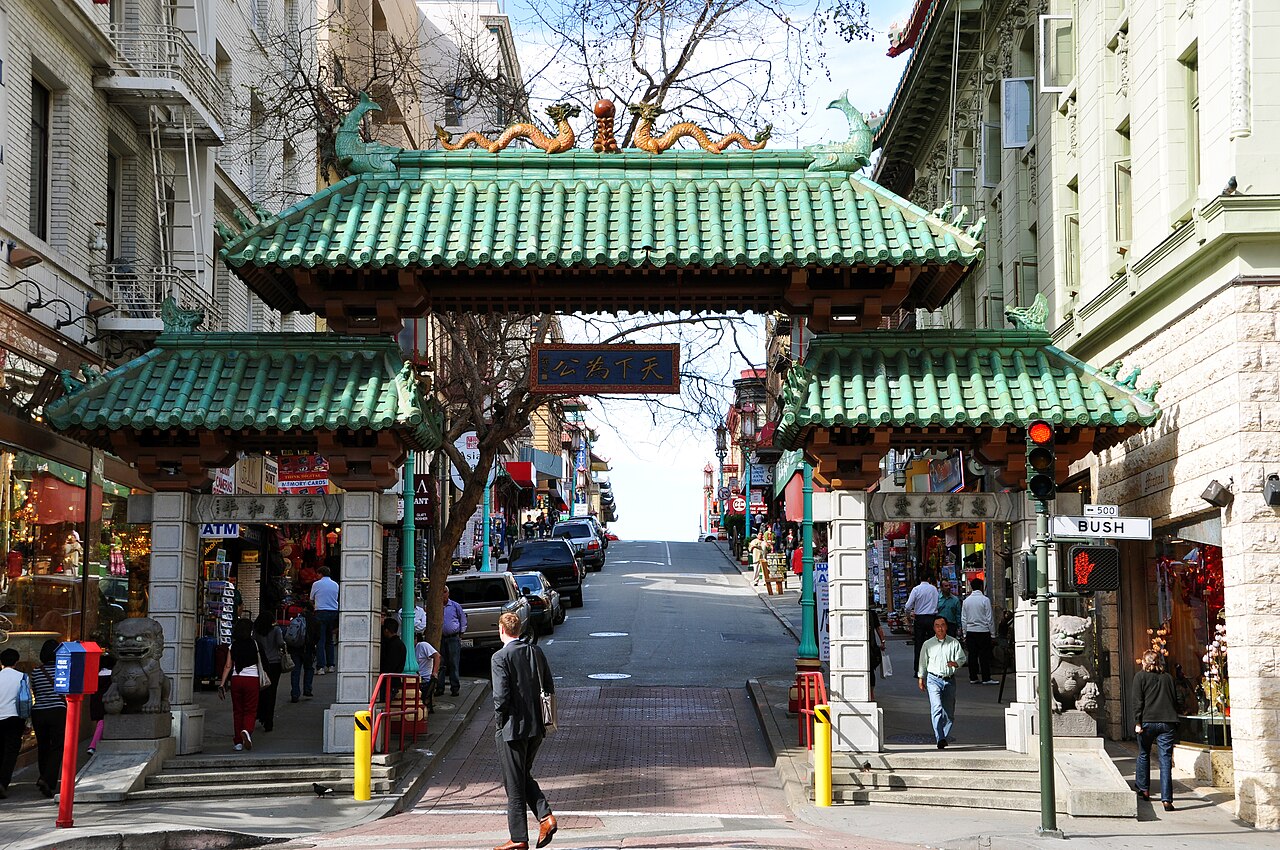
This place is a Attraction. It was designed by Clayton Lee.
Dragon Gate is the ceremonial southern gateway to San Francisco’s Chinatown, standing at Grant Avenue and Bush Street. Gifted by the Republic of China, it is one of the city’s clearest neighborhood landmarks. Stone lions, dragons, and an ornate roof announce the transition from the downtown financial district into Chinatown’s busy commercial streets and cultural landscape. Dragon Gate is the ceremonial southern gateway to San Francisco's Chinatown, positioned at the intersection of Grant Avenue and Bush Street. Installed as a gift from the Republic of China (Taiwan), it serves as the clearest single icon identifying the Chinatown district. The structure follows traditional Chinese gate design with stone lions, dragon sculptures, and ornamental roofing. It marks the symbolic boundary between the downtown financial district and one of North America's oldest and most established Chinatowns. The gate represents cultural heritage and functions as a landmark for orientation within the neighborhood. Dragon Gate serves as the ceremonial southern gateway and most recognizable icon marking Chinatown's boundary, though the neighborhood has multiple access points and no formal walled perimeter.
Checked 2026-08-26 · Source
Dragon Gate is an open architectural passage rather than an enclosed attraction. Look closely at the guardian lions, roof ornaments, carved panels, ceramic details, and decorative lettering. The gateway frames Grant Avenue and the Chinatown streets beyond it. There are no interior rooms or exhibition galleries, so the main reward comes from examining the structure while noticing how it works as a threshold in the urban streetscape. Dragon Gate itself is an architectural structure rather than an enclosed space. Visitors will find traditional Chinese decorative elements including ceramic roof tiles, carved wooden panels, and sculptural details. Stone guardian lions flank the entrance. The gate frames the view northward along Grant Avenue into Chinatown's commercial core. There are no interior rooms or exhibitions within the gate. The surrounding immediate area includes sidewalk space for pedestrian passage and observation. The structure's artistic details reward close examination, particularly the roof ornamentation and calligraphic elements incorporated into the design.
Checked 2026-08-26 · Source
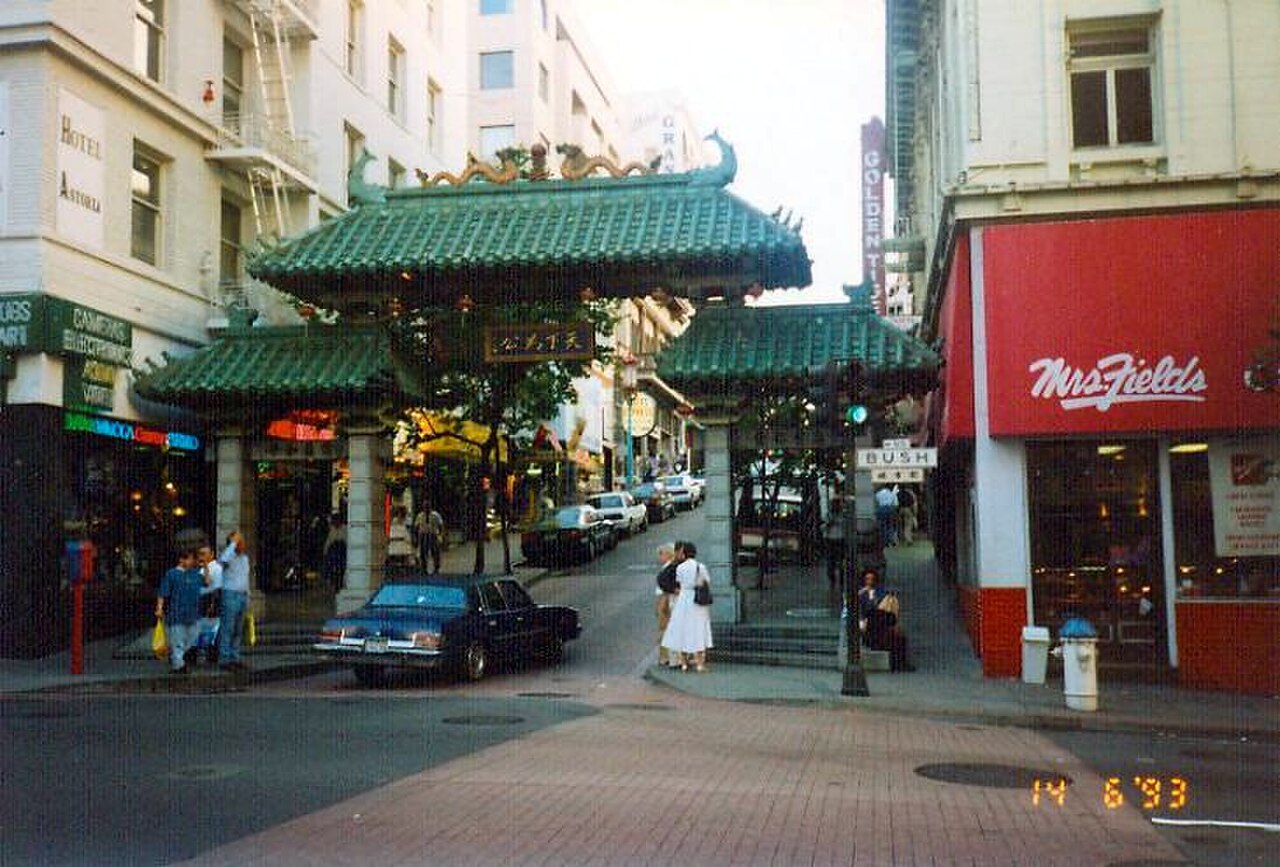
Five to fifteen minutes is enough to walk through Dragon Gate, study its details, and take a few photographs. The landmark is more valuable as the opening point for a Chinatown exploration than as a long standalone stop. Continue north along Grant Avenue for shops, restaurants, and additional neighborhood views; the wider walk can easily become a substantial part of a San Francisco day. A visit to Dragon Gate requires minimal dedicated time as it functions primarily as a passage point and photo opportunity.
Checked 2026-08-26 · Source
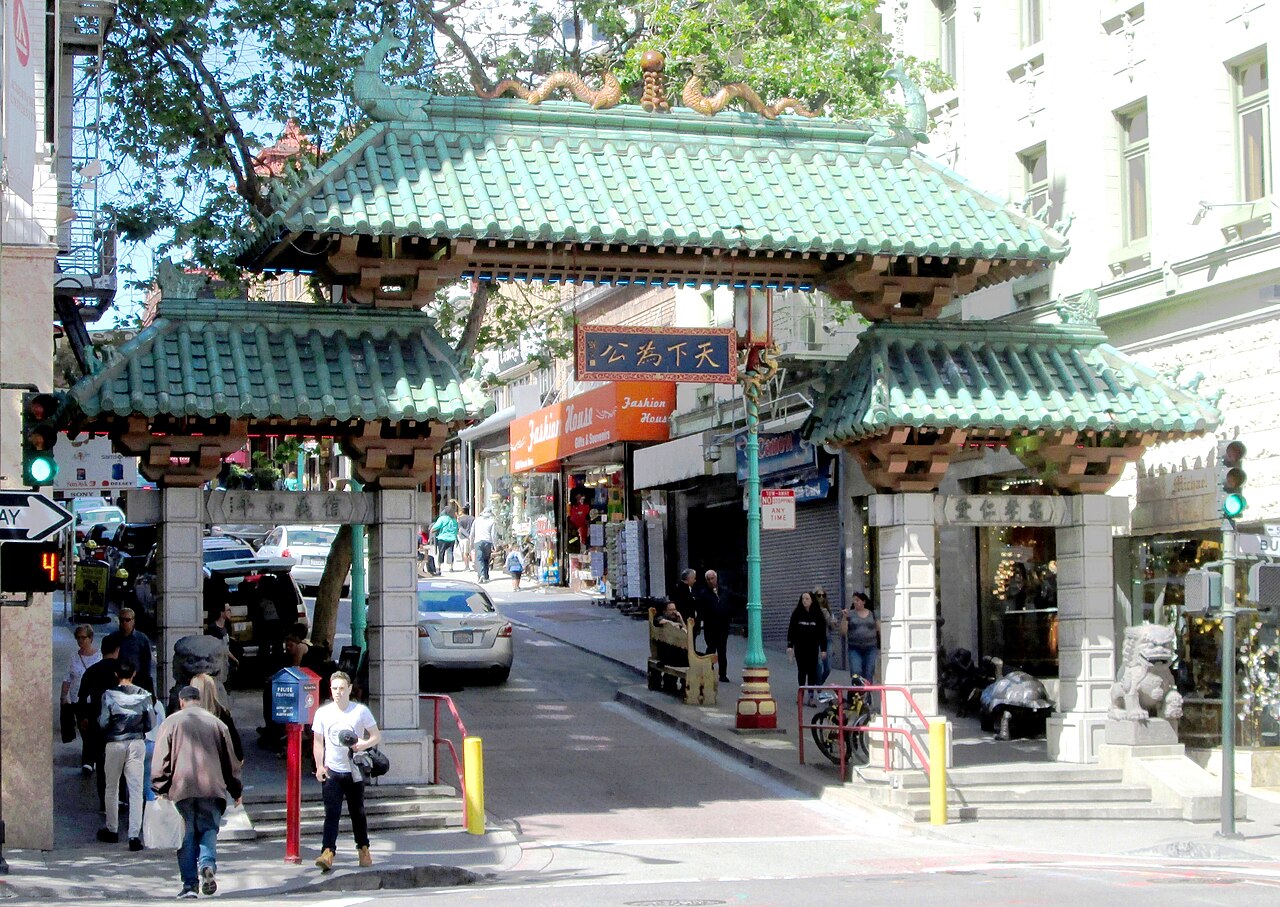
Dragon Gate is an outdoor public landmark accessible throughout the day. Early morning brings calmer sidewalks and cleaner photographic views, while midday offers the liveliest Chinatown atmosphere and the greatest pedestrian activity. Festival periods, including Lunar New Year celebrations, can make the gateway especially energetic and crowded. Evening changes the surrounding street mood, with business lighting replacing the clarity of daylight.
Checked 2026-08-26 · Source
There is no admission ticket for Dragon Gate. It is a public street-level structure that pedestrians can pass through without paying. Plan spending for the Chinatown experience around it instead: food, drinks, shopping, and other nearby activities are separate from the gateway itself. Photography from the public sidewalk also has no entry charge, making this an easy free landmark to add to a city walk.
Checked 2026-08-26 · Source
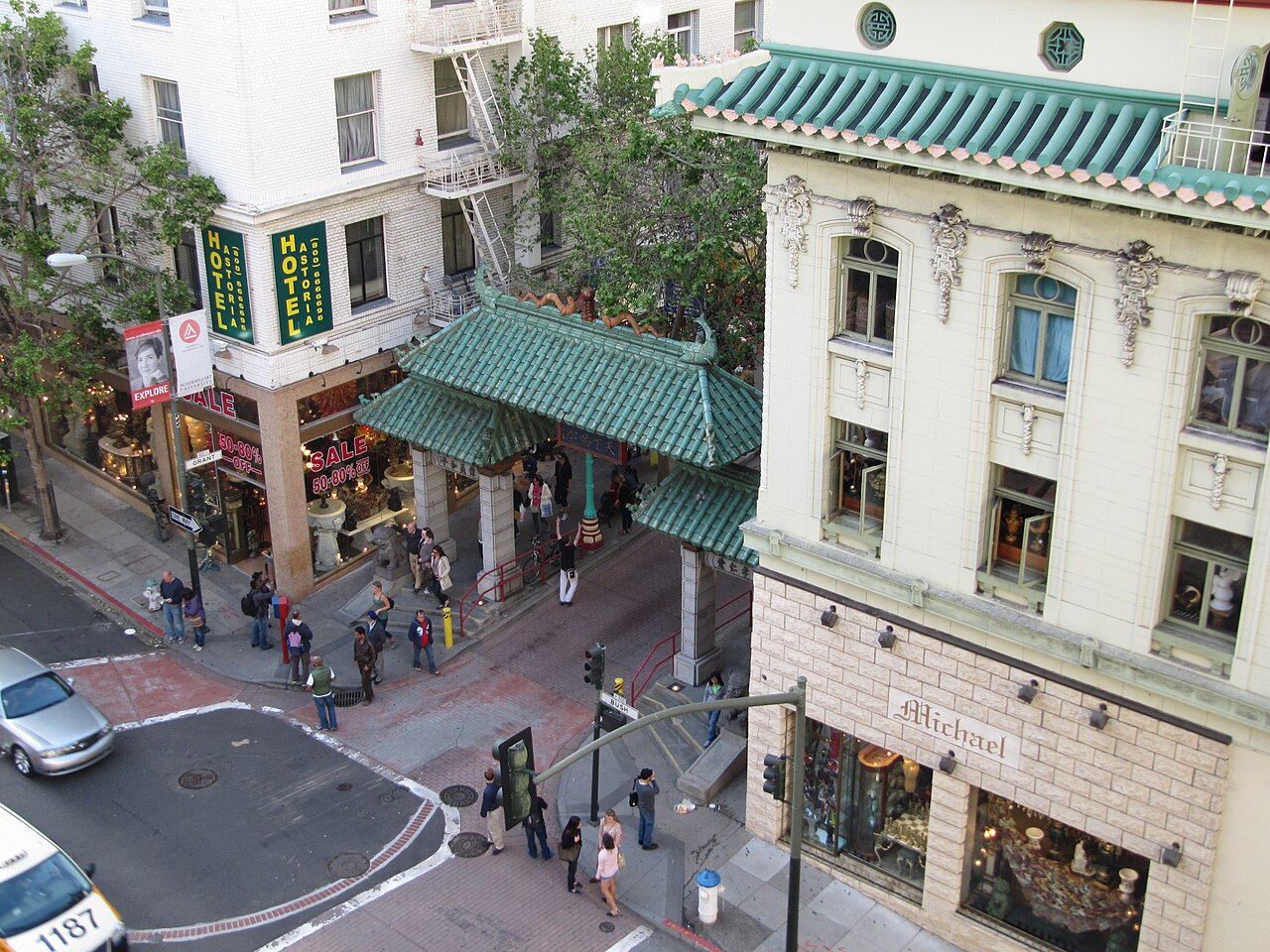
Dragon Gate is at the junction of Grant Avenue and Bush Street on Chinatown’s southern edge. Walk north from the financial district or approach from central downtown transit connections. Powell Street BART and Muni Metro station is south of the gate within walking distance, and Muni buses serve nearby streets. Driving is less convenient because street parking is limited; a downtown garage followed by walking is more practical.
Checked 2026-08-26 · Source
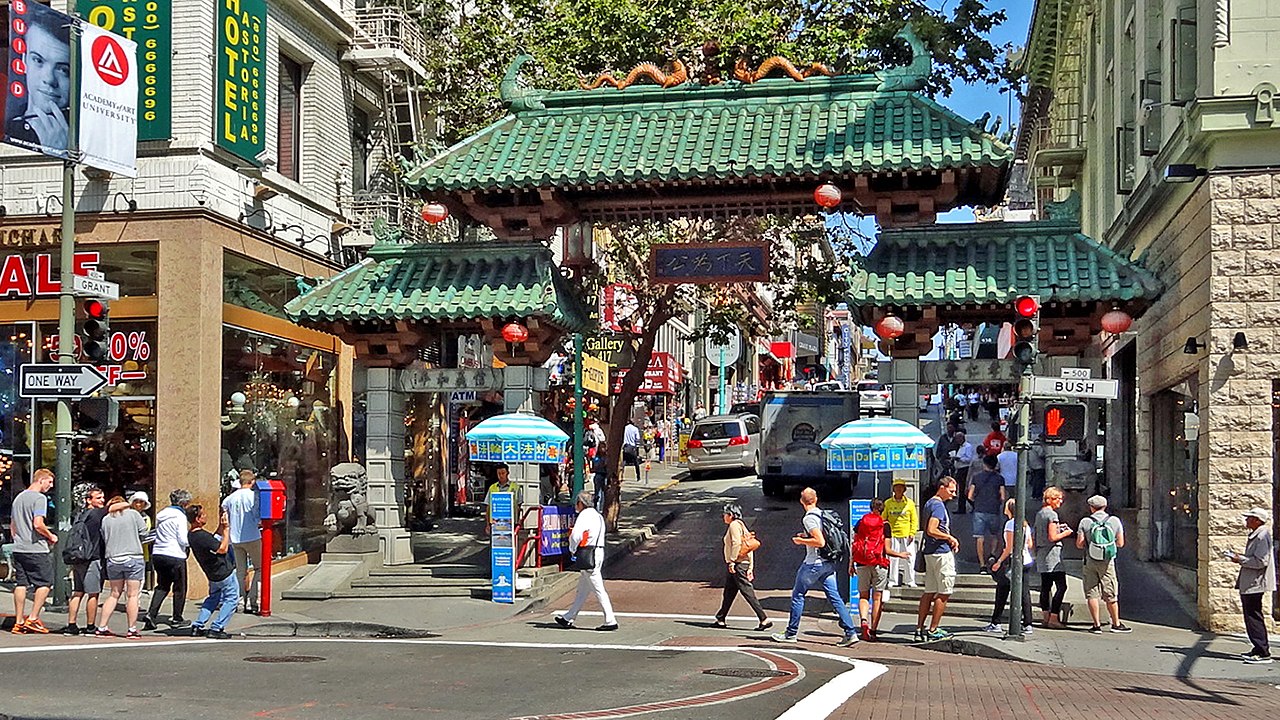
The gate sits at a busy intersection where vehicles, pedestrians, photographers, and people entering Chinatown share limited space. Use crossings carefully and do not climb, lean on, or block the decorative structure. Grant Avenue and surrounding streets can be hilly and crowded. Keep personal belongings secure in the busy tourist area, and give other pedestrians room when stopping to look or take pictures.
Checked 2026-08-26 · Source
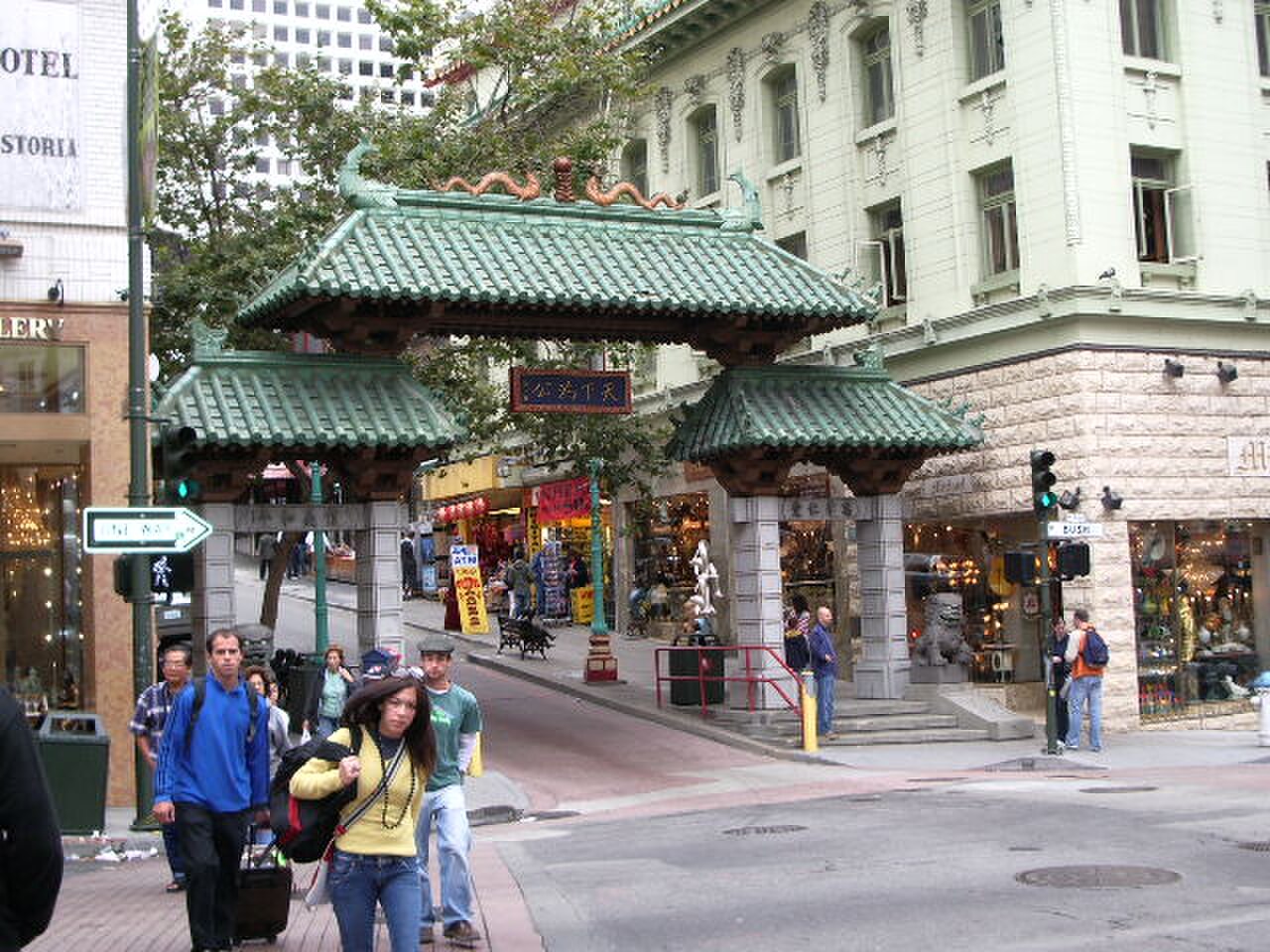
Dragon Gate is an excellent short photographic stop, especially when you can frame the gateway with Grant Avenue and Chinatown beyond it. Morning provides calmer conditions and fewer people crossing the view. Be considerate with tripods because the sidewalk is a passageway. For a wider composition, step back rather than standing beneath the structure for too long, and wait patiently when pedestrian traffic fills the frame.
Checked 2026-08-26 · Source
Yes. Dragon Gate spans Grant Avenue at sidewalk level and functions as a pedestrian passage into Chinatown from the south.
Yes. It is a public street-level landmark with no admission charge or ticketing requirement.
It stands at Grant Avenue and Bush Street, marking Chinatown’s southern edge beside the downtown financial district.
The gateway represents Chinatown’s cultural identity and serves as a ceremonial threshold between downtown San Francisco and the historic neighborhood.
Look for stone guardian lions, dragon sculptures, an ornamental roof, ceramic details, carved panels, and decorative lettering around the open passage.
Grant Avenue continues north through Chinatown, with restaurants, shops, and busy neighborhood streets close to the gateway. Powell Street transit connections are south toward downtown.
Loading the interactive map…
The interactive map could not be loaded.
Last updated:
Source: OpenStreetMap contributors, Wikidata ·