


.jpg)
8 min walk
Murphy Windmill
- High
- Historic monument
Language · 11 published
Historic monument · San Francisco
Reviewed by Elena Voss · Roavina Travel Editor
This place is a Attraction. It was established in 1902. It carries the San Francisco Designated Landmark heritage designation.
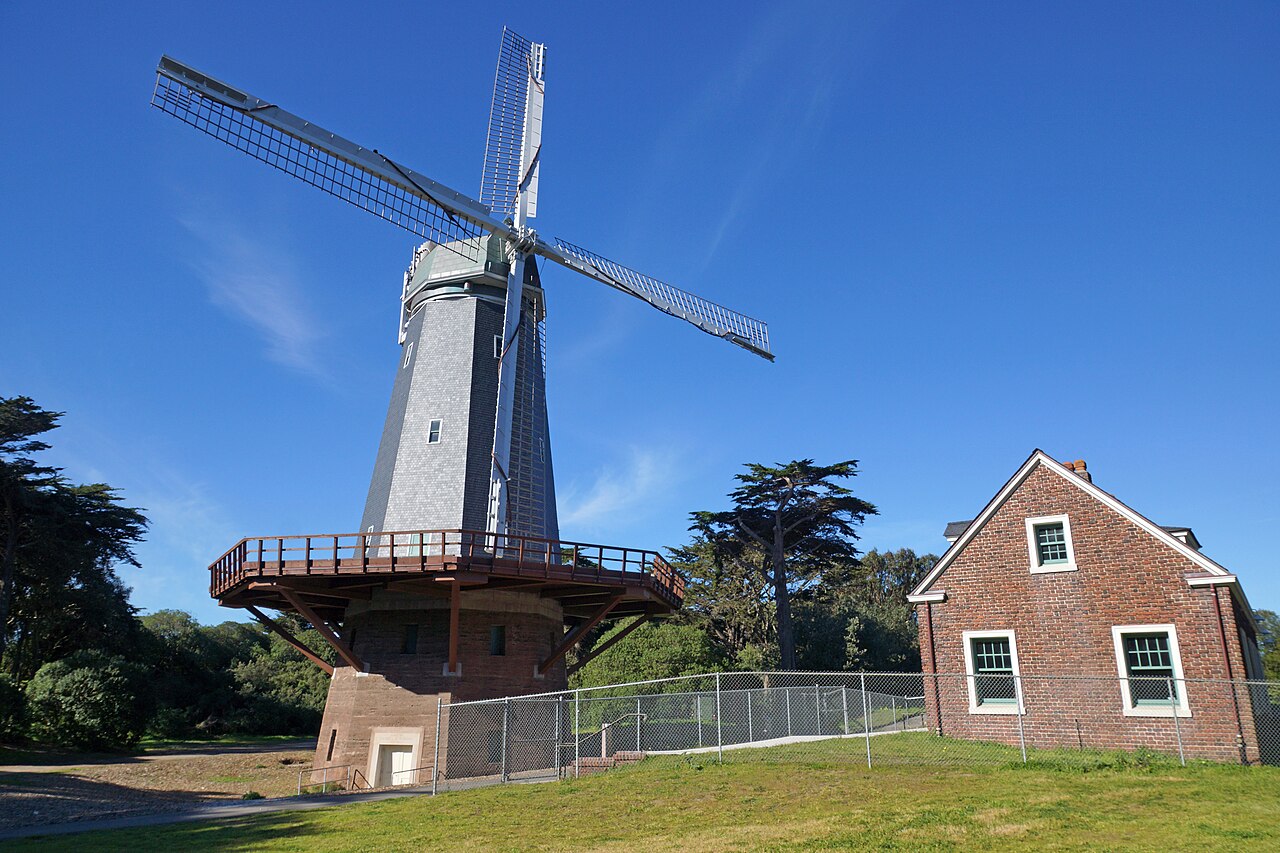
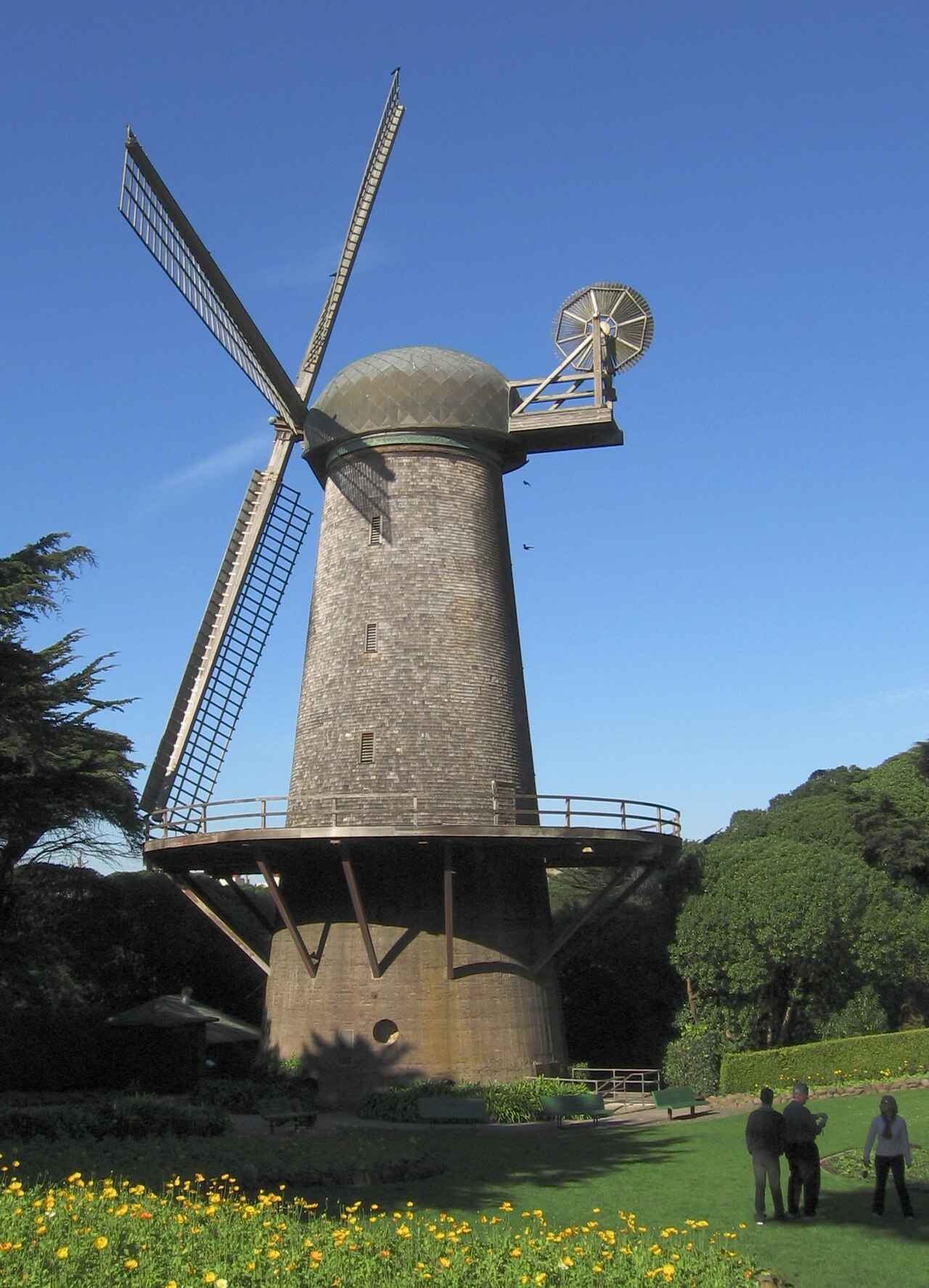
Dutch Windmill is a historic landmark at the western end of Golden Gate Park, beside the tulip garden and close to Ocean Beach. Built in the early twentieth century, it belonged to the park’s system for pumping groundwater used in irrigation. Its Dutch-inspired form gives this corner of San Francisco a distinctive architectural character. The windmill is especially rewarding for travelers already exploring the park’s western landscapes, because it connects engineering, horticulture, coastal weather, and park history in one compact stop. It is an outdoor landmark rather than a conventional museum visit, with the surrounding grounds providing much of the experience.
Checked 2026-08-26 · Source
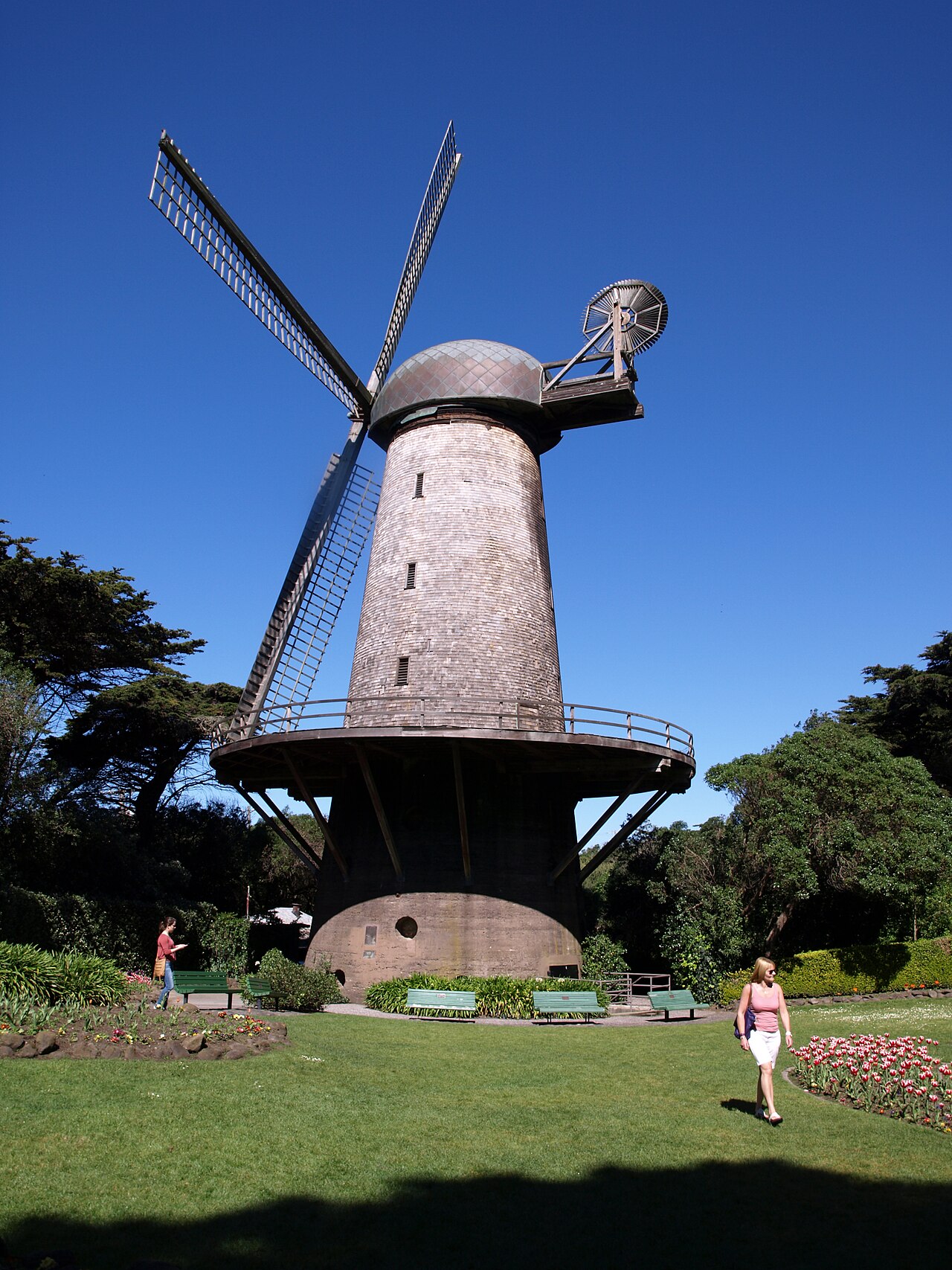
The main experience is the windmill’s exterior, its silhouette, masonry, timber details, and relationship with the surrounding park. The nearby tulip garden adds a seasonal layer of colour and gives the structure a softer foreground for viewing. There is no reason to plan this stop around a large indoor exhibition: the value lies in seeing the landmark in its landscape setting. Walk around the exterior from the available paths, notice how the structure contrasts with the open western park, and pair the visit with a broader stroll toward Ocean Beach or the nearby Murphy Windmill.
Checked 2026-08-26 · Source

Allow about fifteen to thirty minutes for a focused visit. That is enough time to approach the windmill, study its exterior, take photographs, and look through the adjacent tulip garden when flowers are present. The stop becomes longer when folded into a western Golden Gate Park walk. Travelers can continue toward Ocean Beach, compare the Dutch Windmill with Murphy Windmill, or use the landmark as one pause during a much longer park outing. Visitors interested in architecture and landscape photography may want extra time for changing coastal light and different viewpoints.
Checked 2026-08-26 · Source

Visit in daylight so the windmill and its setting can be viewed comfortably. The tulip garden is most visually rewarding when its seasonal flowers are in bloom, while the windmill remains a worthwhile landmark outside that period. Conditions near Ocean Beach can change quickly: fog, cool air, and strong wind are part of the western park atmosphere, including in seasons that feel warmer elsewhere in San Francisco. A jacket is useful, and morning or clear-weather visits can offer more open views across the surrounding landscape.
Checked 2026-08-26 · Source
The windmill stands within Golden Gate Park, so this is best treated as a public outdoor landmark rather than a separately ticketed attraction. Travelers can include it in a park walk without planning an exhibition-style admission visit. Costs connected with reaching the area, such as nearby parking, are separate from seeing the exterior. Keep the visit simple: walk to the structure, enjoy the garden setting, and continue through the park. The nearby Ocean Beach area and other park landmarks make the location suitable for a half-day route built around free outdoor sights.
Checked 2026-08-26 · Source
Dutch Windmill is at Golden Gate Park’s western end, reached by park paths and roads. Muni services run around the Richmond and Sunset sides of the park, followed by a walk to the windmill. Cycling is practical for travelers covering several park landmarks, and walking routes can connect the windmill with Ocean Beach and Murphy Windmill. Drivers should treat parking as a separate planning issue because demand varies around the park and coast. Once inside the park, use the western landmarks as navigation points and leave enough time for the distance between stops.
Checked 2026-08-26 · Source
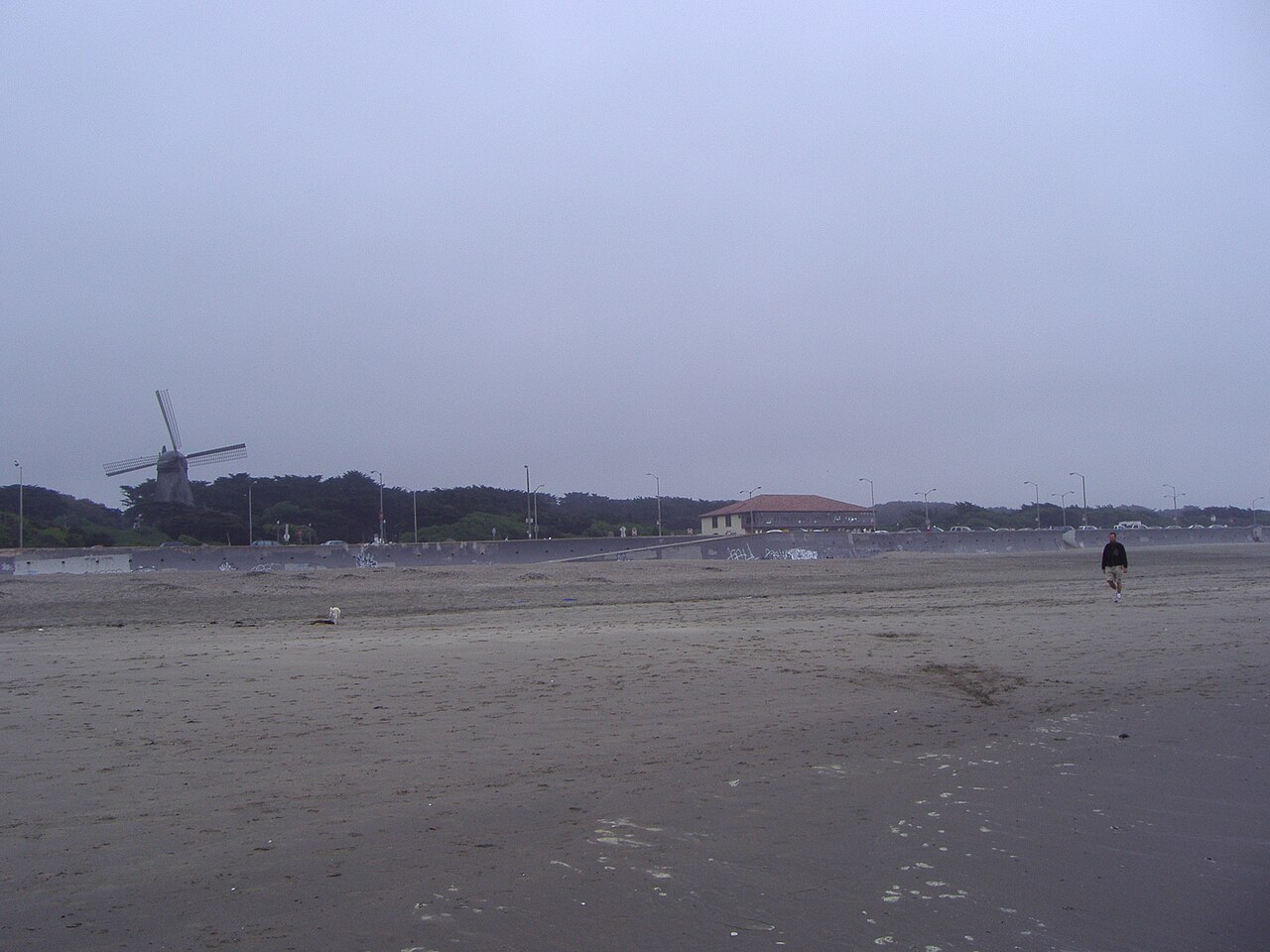
The western edge of Golden Gate Park feels cooler and windier than many inland parts of San Francisco. Fog can arrive quickly near Ocean Beach, reducing visibility and making the visit less comfortable. Paths may be uneven or damp after wet weather, so sturdy footwear helps. The tulip beds are planted landscape, not a surface for walking; stay on paths and keep clear of the windmill’s base. As in any busy urban park, carry valuables discreetly and keep children close near roads and cycle routes. Plan the stop as an outdoor visit exposed to coastal conditions.
Checked 2026-08-26 · Source
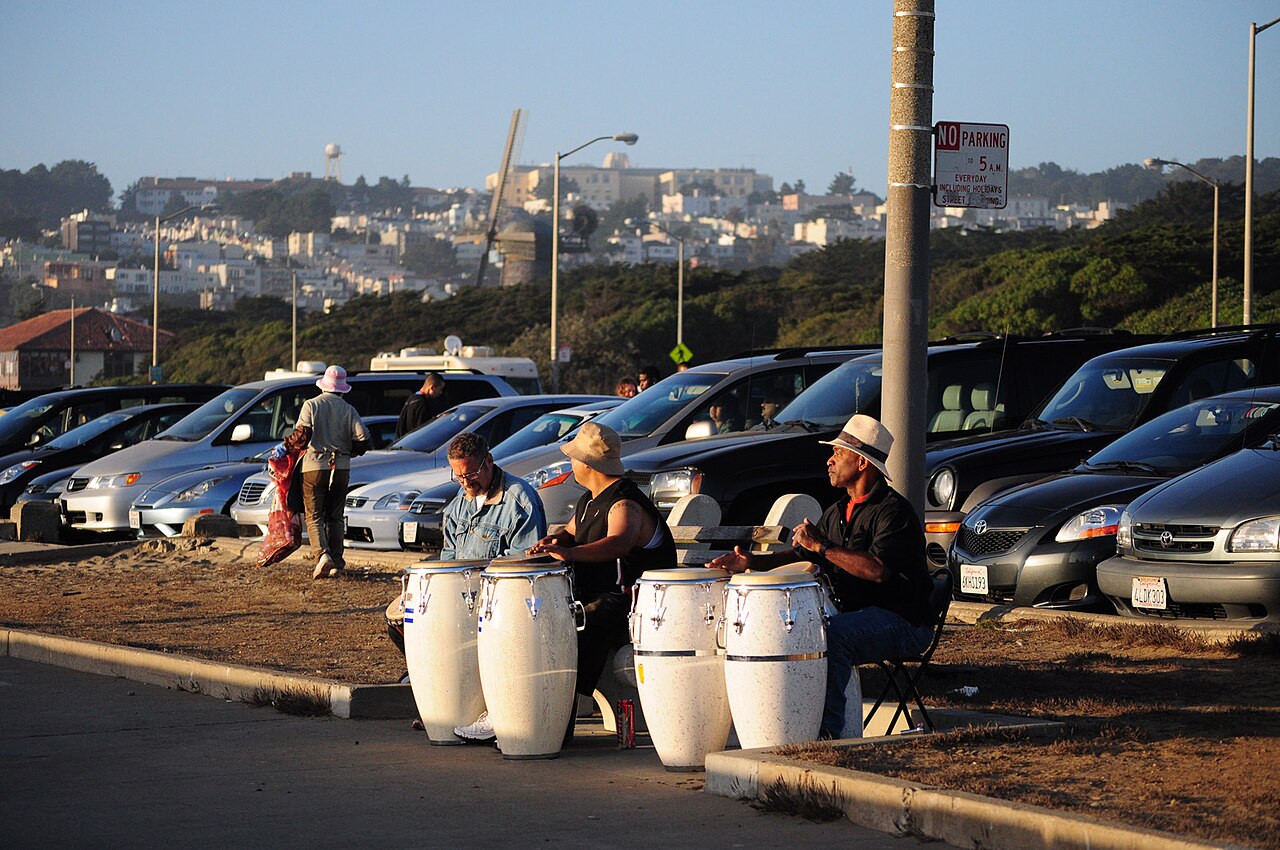
The windmill works well as both an architectural subject and a landscape landmark. Use the tulip garden as a foreground when flowers are in season, or frame the structure against the open park and changing coastal sky. Wide views show how the windmill occupies the western end of Golden Gate Park; closer views bring out its Dutch-inspired details and weathered surfaces. Morning light can give clearer definition, while fog creates a more atmospheric image. Keep tripods and camera bags out of the walking route, respect planted areas, and adapt quickly when sun, cloud, and wind shift.
Checked 2026-08-26 · Source
It is a historic Golden Gate Park landmark built to pump groundwater for park irrigation, with a distinctive Dutch-inspired design.
Plan roughly fifteen to thirty minutes for the exterior, the tulip garden, and photographs; a longer park walk can extend the outing.
The windmill pairs naturally with the nearby tulip garden, Murphy Windmill, Ocean Beach, and other western Golden Gate Park walks.
The coastal setting can bring cool temperatures, fog, and strong wind, so a jacket and comfortable outdoor footwear are useful.
Yes. Murphy Windmill is another historic windmill in the western area of Golden Gate Park and can be included in the same outing.
Its vertical structure, Dutch-inspired details, coastal sky, open park setting, and seasonal tulip foreground create varied compositions.
Loading the interactive map…
The interactive map could not be loaded.

Last updated:
Source: OpenStreetMap contributors, Wikidata ·