
6 min walk
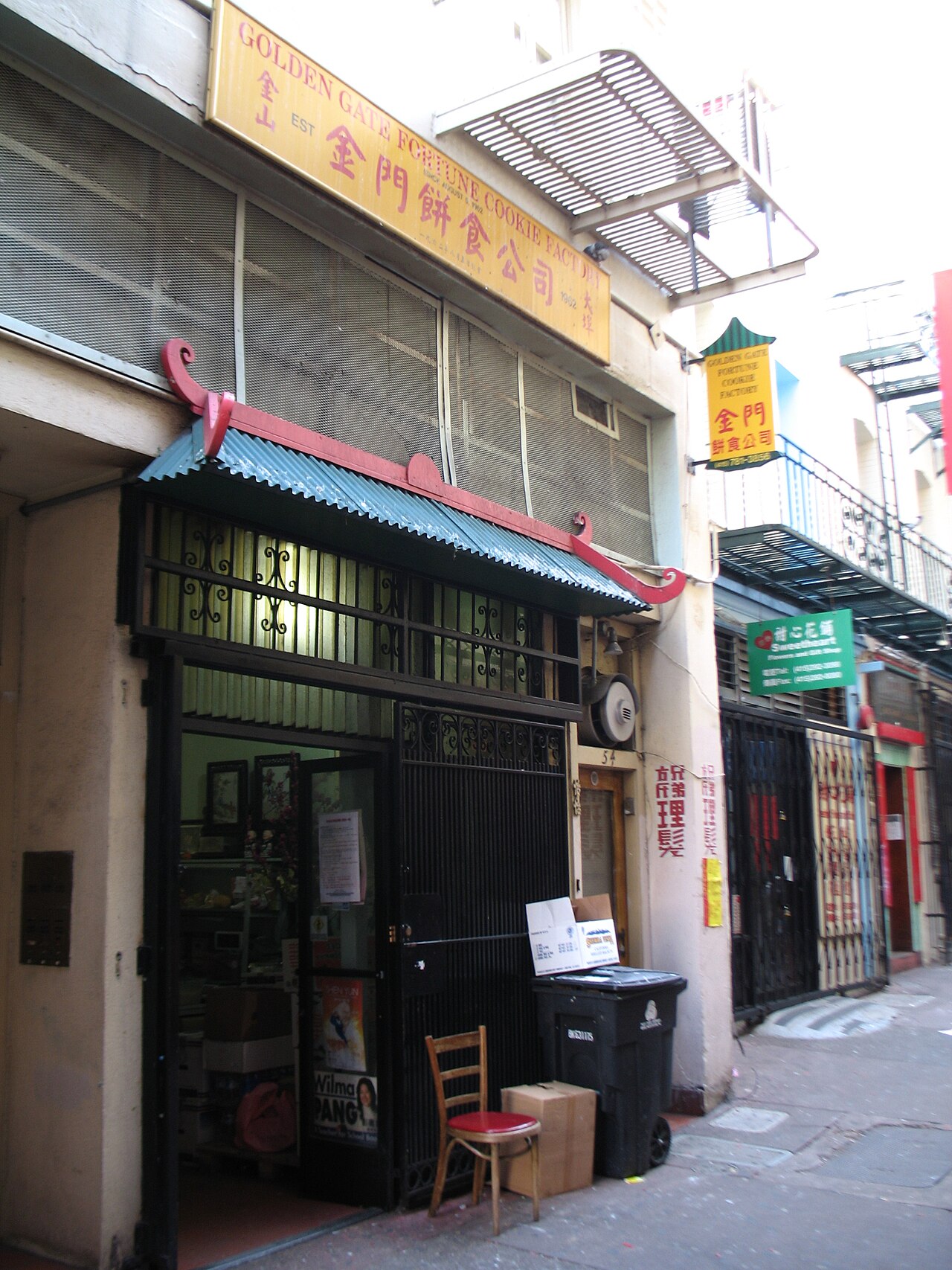
Golden Gate Fortune Cookie Company
- Notable
- Historic monument

Museum · San Francisco
Cable Car Powerhouse and Barn
Closed today, Monday. Next open Tuesday at 10:00 — the planner will not place a stop here on a Monday.
Plan around it| Monday | Closed |
|---|---|
| Tuesday | 10:00 – 16:00 |
| Wednesday | 10:00 – 16:00 |
| Thursday | 10:00 – 16:00 |
| Friday | 10:00 – 17:00 |
| Saturday | 10:00 – 17:00 |
| Sunday | 10:00 – 17:00 |
Checked 2026-08-31 · Source
| Per person | Free entry |
|---|
Checked 2026-08-31 · Source
Read from the OpenStreetMap access tags; anything not listed has no tag recorded.
Set the group type to family in the planner and the day window contracts to about three quarters of a solo day.
The San Francisco Cable Car Museum occupies an active cable-car powerhouse in Nob Hill. It is both a museum and a working piece of the transport system that moves cable cars through the city. The visit reveals the engineering behind San Francisco’s historic manually operated network, making the museum especially rewarding before or after riding a cable car through the surrounding streets. The San Francisco Cable Car Museum is a free museum located inside an active cable car powerhouse. It explains the mechanical system that powers the city's historic cable cars. The museum occupies a working facility where visitors can observe the actual machinery in operation. It serves as both an exhibition space and a functional component of San Francisco's cable car infrastructure. The site preserves and presents the engineering heritage of the world's last manually operated cable car system. Sources describe the museum as free, but current admission policy should be verified on the official website before visiting.
Checked 2026-08-26 · Source
Displays explain cable-car history, technology and operation. From an elevated gallery, visitors can watch the large winding machinery, wheels and moving cables that pull cars along the city’s routes. Historic cable cars and related artefacts add context to the mechanical system. The grip mechanism is an important part of the story: it connects the vehicle to the continuously moving underground cable and allows the car to travel through San Francisco’s steep streets. The museum contains historical displays and exhibits about cable car history and technology. Visitors can view the actual cable winding machinery from an elevated gallery. The powerhouse features the large wheels and cables that pull cars through the city's streets. Historic cable cars and artifacts are on display. The museum provides insight into how the grip mechanism works and how the system has evolved since its nineteenth-century origins. Working equipment is visible in its operational context.
Checked 2026-08-26 · Source
Most visitors can see the main displays and observe the machinery in around thirty to sixty minutes. The self-guided layout allows a quick visit between neighbourhoods or a slower look at the engineering details. Transit enthusiasts may stay longer to understand the cable routes, winding wheels and grip system. Its compact scale makes it easy to combine with Chinatown, Union Square or a cable-car ride in the same outing. Most visitors spend approximately thirty to sixty minutes exploring the museum's exhibits and observing the machinery.
Checked 2026-08-26 · Source
The museum’s indoor setting gives your itinerary a useful shelter stop in San Francisco’s foggy or windy weather. A visit works particularly well before a cable-car journey, because the machinery gives meaning to the ride that follows. The active powerhouse shapes the experience: moving equipment and operating requirements are part of the setting. Leave enough flexibility to enjoy the gallery without rushing through the displays.
Checked 2026-08-26 · Source
The museum is presented as a free attraction, making it an easy addition to a San Francisco day without a paid museum admission. Its value comes from direct observation of working infrastructure rather than from a large collection. The free format also suits visitors who want a short cultural stop between neighbourhood walks. A cable-car ride is a separate activity from the museum visit and has its own fare arrangement.
Checked 2026-08-26 · Source
The museum is on Mason Street in Nob Hill. The Powell-Hyde and Powell-Mason cable-car lines pass nearby, so arriving by cable car creates a natural connection between the ride and the machinery that powers it. Muni buses serve the surrounding streets. Walking from Union Square or Chinatown is possible, but San Francisco’s hills make the approach demanding. Public transport is more practical than searching for street parking.
Checked 2026-08-26 · Source
This is a working industrial facility, not a quiet conventional gallery. The machinery can be loud, and moving cables and wheels remain behind protective barriers. Keep children close and respect railings and marked boundaries. The elevated viewing gallery and historic structure may be difficult for some visitors to navigate. Wear comfortable footwear and allow time to adjust to the noise and compact industrial environment.
Checked 2026-08-26 · Source
The winding wheels, cables and historic vehicles provide strong subjects for personal photography. The industrial interior has uneven lighting, so details may stand out better when you compose around the machinery’s scale and repetition. Photograph from designated viewing areas and keep equipment clear of other visitors. Flash should be considerate in the compact space. The most distinctive images show the museum as working infrastructure, not only as a collection of old vehicles.
Checked 2026-08-26 · Source
It explains the machinery, cables and grip mechanism that operate San Francisco’s historic cable-car system.
Yes. The museum is inside an active powerhouse, and visitors can view the winding machinery from an elevated gallery.
The Powell-Hyde and Powell-Mason lines pass near the museum in Nob Hill.
Yes. The museum is described as free to enter; a separate cable-car ride has its own fare.
Children may enjoy the large moving machinery, but close supervision is important around the active industrial equipment.
Most visitors spend about thirty to sixty minutes viewing the exhibits and observing the machinery.
Loading the interactive map…
The interactive map could not be loaded.
Last updated:
Source: OpenStreetMap contributors, Wikidata ·