Roavina

Country guide

Armenia

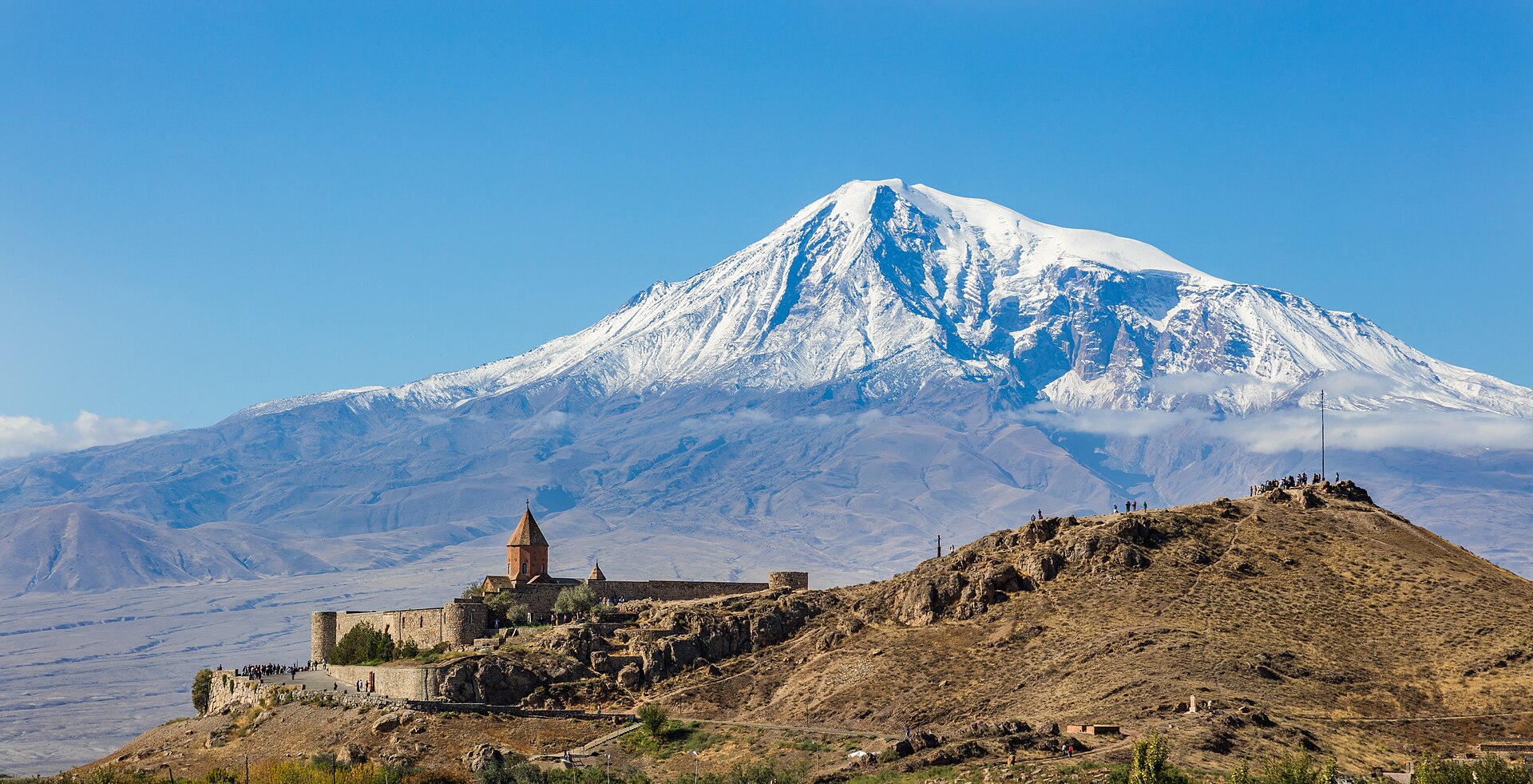
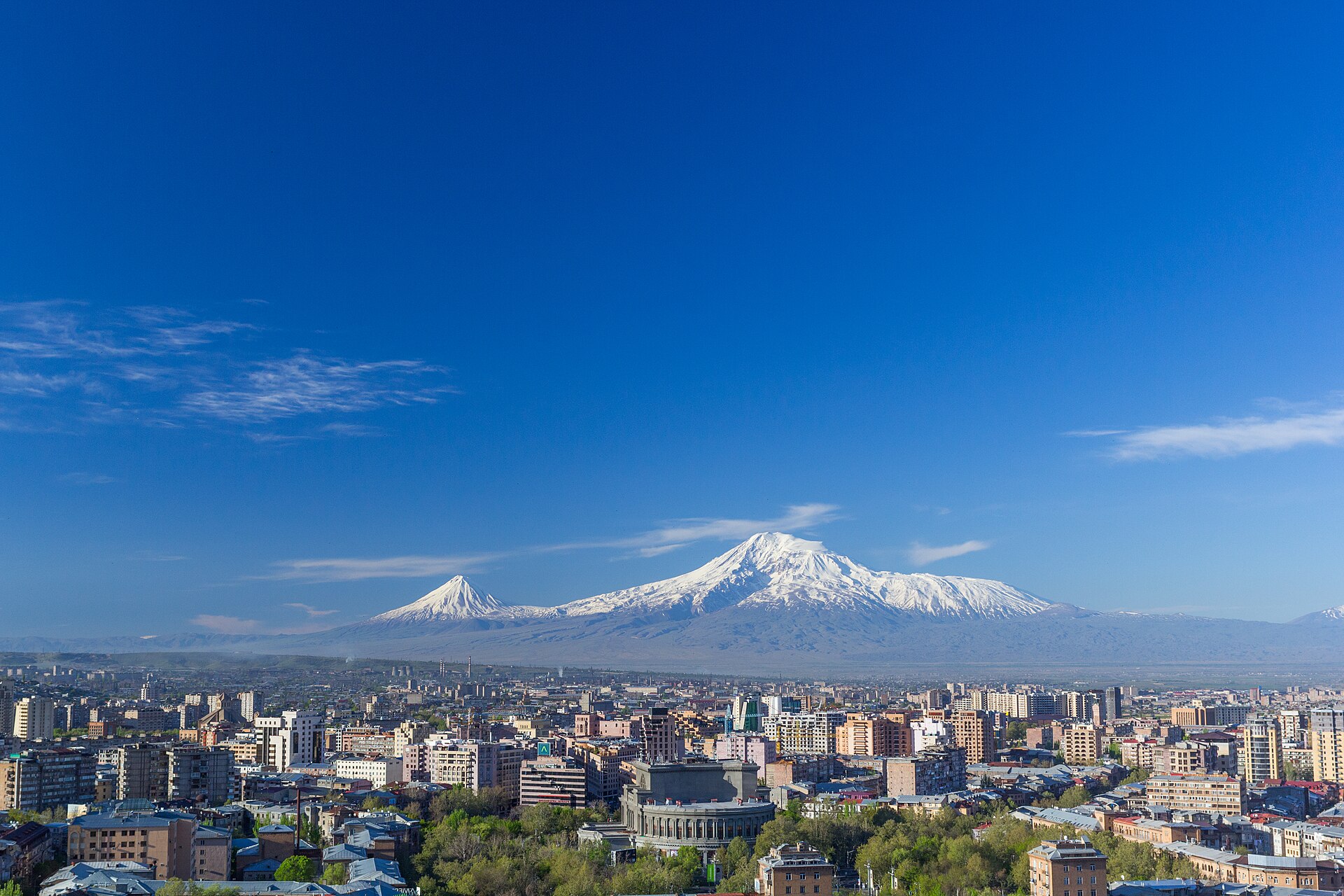
A photograph of Armenia
Photograph · Diego Delso · CC BY-SA 4.0

Armenia fits inside 29,743 km² and about half of that lies above 2,000 m, so a short drive changes the altitude more than the distance suggests. Roughly three million people live here, over a third of them in Yerevan, and most of what is worth the travel sits outside the capital: monasteries built into gorge walls, Lake Sevan holding 1,279 km² of water at 1,900 m, Mount Aragats at 4,090 m. The country made Christianity its state religion in 301, and the churches raised in the centuries after are the thread running through nearly every route across it.

Reviewed by Elena Voss · Roavina Travel Editor

Cities

Every city catalogued in this country so far, ranked by how much there is to see.

Practical information

Language spoken
Armenian
National practical orientation; regional and minority languages may also be used
Dialling code
+374
International calling code; local area and mobile prefixes still apply
Currency
Armenian dram (AMD)
Use the official local currency; card acceptance varies by place
Emergency number
112 or 911
Use only for an emergency; tourist assistance may use a separate number
Plug type
Type C and F · 230 V
Check that chargers support the recorded voltage before using an adapter
Tap water
Not recorded
No verified nationwide visitor drinking-water statement was recorded

Planning a visit

  1. January: seasonal closure recorded
  2. February: seasonal closure recorded
  3. March: seasonal closure recorded
  4. April: no seasonality data recorded
  5. May: seasonal closure recorded
  6. June: seasonal closure recorded
  7. July: seasonal closure recorded
  8. August: seasonal closure recorded
  9. September: no seasonality data recorded — this month
  10. October: no seasonality data recorded
  11. November: no seasonality data recorded
  12. December: seasonal closure recorded

Top things to see

Ranked by importance — sitelinks, pageviews and heritage status, not editor preference.

  1. Erebuni Fortress Erebuni Fortress
    03 45 min

    Erebuni Fortress

    Էրեբունու ամրոց

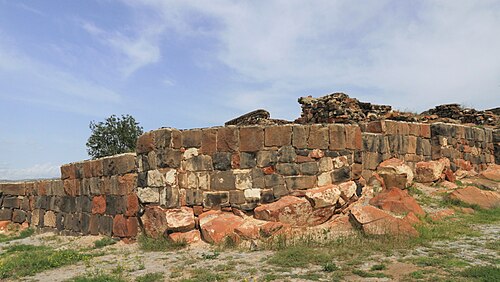
    Erebuni Fortress is an ancient Urartian fortified city that stands as one of the oldest surviving structures in the Yerevan region.

    • Must see
    • Historic monument
    • Yerevan
  2. Teishebaini Teishebaini
    04 45 min

    Teishebaini

    Կարմիր Բլուր

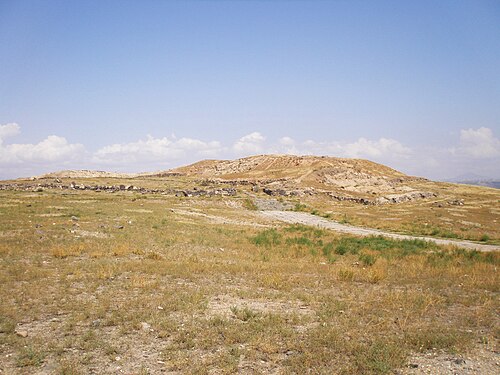
    Karmir Blur means Red Hill in Armenian and names an archaeological site in Yerevan's cultural landscape. The name refers to the reddish character of the terrain and gives the place an immediate sense of location and identity.

    • Must see
    • Historic monument
    • Yerevan
  3. The statue of David of Sasun The statue of David of Sasun
    05 45 min

    The statue of David of Sasun

    Սասունցի Դավիթ

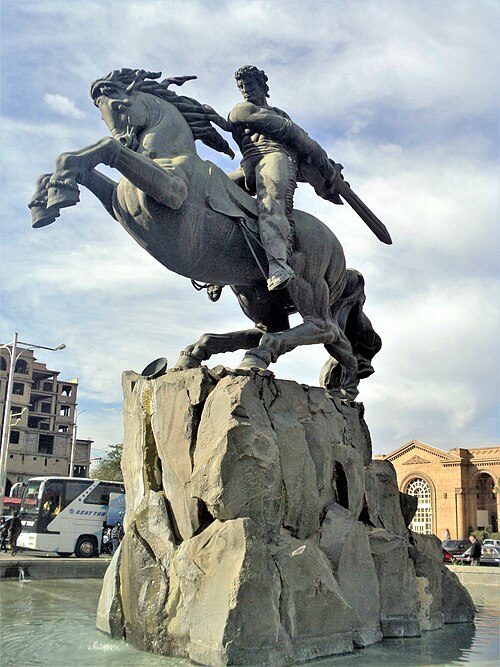
    The statue of David of Sasun is a major outdoor monument in Yerevan, created by sculptor Yervand Kochar and installed in 1959. It portrays David, the heroic figure at the centre of the Armenian epic Daredevils of Sassoun.

    • Must see
    • Historic monument
    • Yerevan
  4. Cathedral of Avan Cathedral of Avan
    06 45 min

    Cathedral of Avan

    Եկեղեցի Սբ. Աստվածածին (Կաթողիկե, Ծիրանավոր)

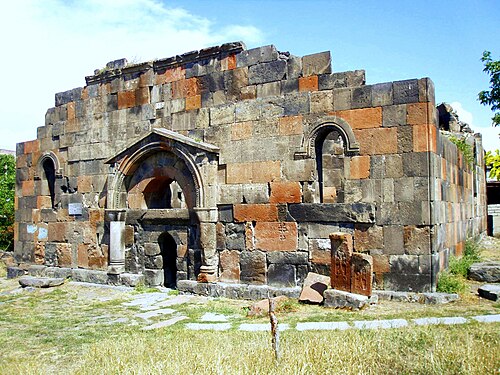
    Cathedral of Avan, also known locally as Եկեղեցի Սբ. Աստվածածին (Կաթողիկե, Ծիրանավոր), is a historic religious landmark in Yerevan.

    • Must see
    • Historic monument
    • Yerevan
  5. Red Bridge Red Bridge
    07 45 min

    Red Bridge

    Կարմիր կամուրջ

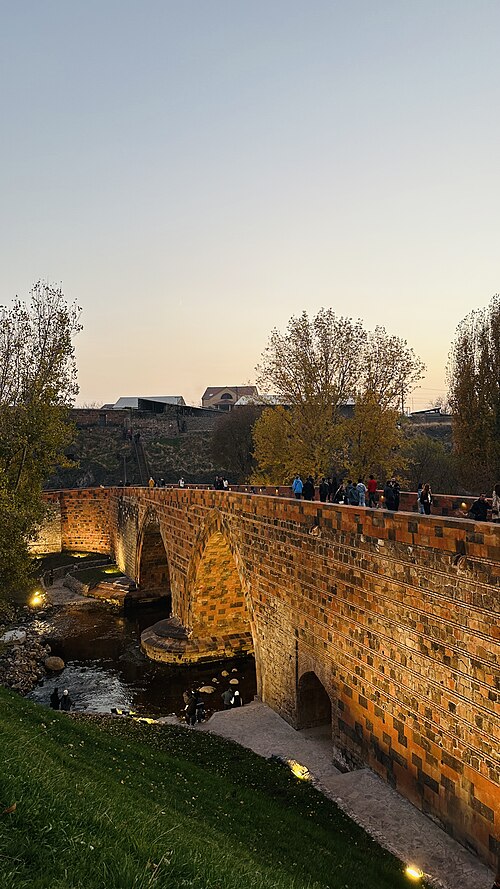
    Red Bridge, locally called Կարմիր կամուրջ, is a historic crossing over the Hrazdan River in Yerevan. Its setting combines a piece of transport infrastructure with the steep river gorge that cuts through the Armenian capital.

    • Must see
    • Historic monument
    • Yerevan
  6. Sayat Nova monument Sayat Nova monument
    08 45 min

    Sayat Nova monument

    Սայաթ Նովայի հուշարձան

    Sayat Nova monument honours the celebrated eighteenth-century Armenian ashugh, or troubadour, Sayat Nova. He wrote poetry and songs in Armenian, Georgian, Azerbaijani and Persian, reflecting the intertwined cultures of the Caucasus.

    • Notable
    • Historic monument
    • Yerevan
  7. Abovian statue, Yerevan Abovian statue, Yerevan
    09 45 min

    Abovian statue, Yerevan

    Խաչատուր Աբովյանի արձան

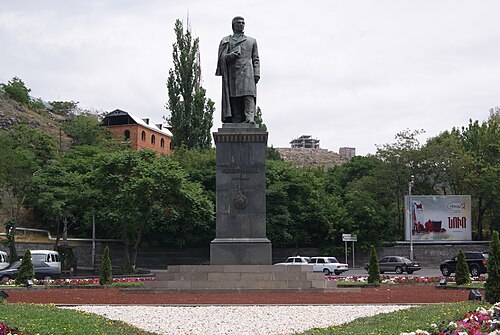
    The Abovian statue is an outdoor monument in Yerevan honouring Khachatur Abovian, a foundational figure in modern Armenian literature and education.

    • Notable
    • Historic monument
    • Yerevan
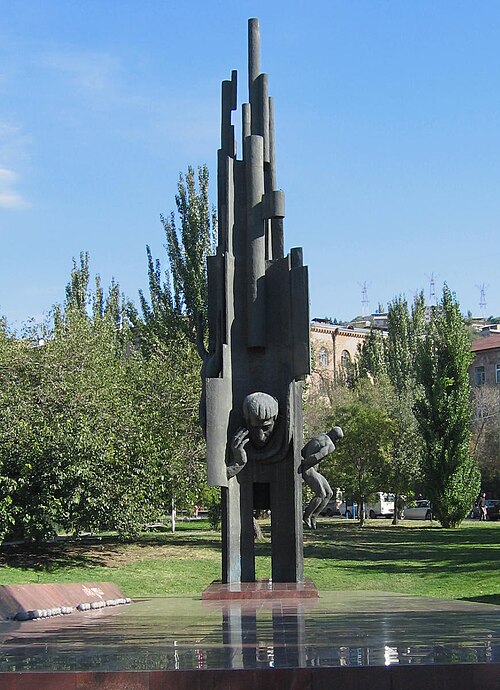
  8. Yeghishe Charents Monument Yeghishe Charents Monument
    10 45 min

    Yeghishe Charents Monument

    Եղիշե Չարենցի արձան

    The Yeghishe Charents Monument is a public memorial in Yerevan dedicated to the celebrated Armenian poet Yeghishe Charents.

    • Notable
    • Historic monument
    • Yerevan
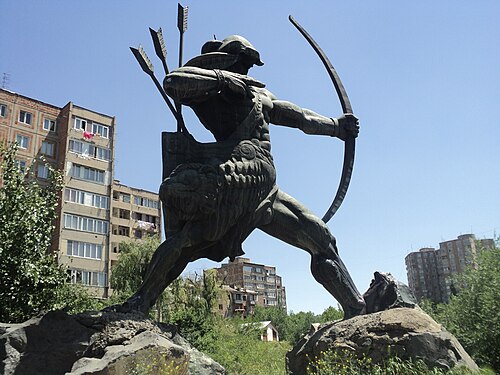
  9. Statue of Hayk the Great Statue of Hayk the Great
    11 45 min

    Statue of Hayk the Great

    Հայկի արձան

    The Statue of Hayk the Great is a monumental outdoor sculpture in Yerevan, Armenia, depicting the legendary patriarch and founder of the Armenian nation. The statue stands as a prominent cultural landmark celebrating Armenian identity and ancient heritage.

    • Notable
    • Historic monument
    • Yerevan
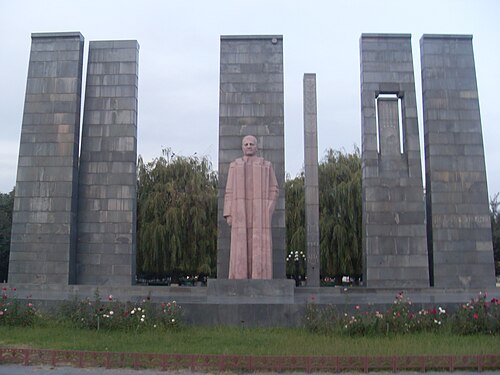
  10. Monument to Alexander Myasnikyan Monument to Alexander Myasnikyan
    12 45 min

    Monument to Alexander Myasnikyan

    Ալեքսանդր Մյասնիկյանի արձան

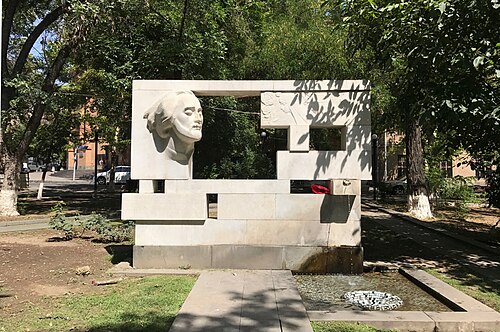
    The Monument to Alexander Myasnikyan is an outdoor memorial in central Yerevan, centred on a sculpture of the Armenian Soviet statesman Alexander Myasnikyan.

    • Notable
    • Historic monument
    • Yerevan

Source: OpenStreetMap contributors, Wikidata ·

Common questions

How long should a first trip to Armenia be?

Six to nine days gives Yerevan enough time and allows a road loop to Garni, Geghard, Lake Sevan or northern monasteries. Southern Armenia requires longer transfers and another base, so Tatev should not be compressed into an already full capital itinerary.

What entry documents are needed for Armenia?

Armenia’s Ministry of Foreign Affairs publishes visa rules and the official application route. Check the exact passport category, permitted duration and border requirements before travel; an eVisa, when available, should be obtained only through the government service linked from that guidance.

What is the best way to travel around Armenia?

Zvartnots Airport is the principal gateway, and Yerevan has metro and bus services. Trains cover only selected routes, so minibuses, taxis and hired cars carry much regional travel; confirm current border-crossing status before planning an international overland leg.

When is a practical time to visit Armenia?

Late May, June, September and early October usually suit Yerevan and lower-elevation touring. Lake Sevan, mountain roads and monastery approaches can be colder or weather-limited, while midsummer heat changes the pace of exposed archaeological visits.

What money and payment basics apply in Armenia?

The Armenian dram is used for everyday prices. Urban card acceptance does not remove the need for cash at small regional stops, markets and some transport services; use banks or authorised exchangers and check the AMD amount before confirming conversion.

What practical safety details should I save for Armenia?

Armenia records 112 or 911 for emergencies and uses Type C and F power at 230 V. Tap-water status is Not recorded here, so ask the accommodation or municipal provider; for remote routes, save local assistance details before leaving Yerevan.