Հանրապետության հրապարակ
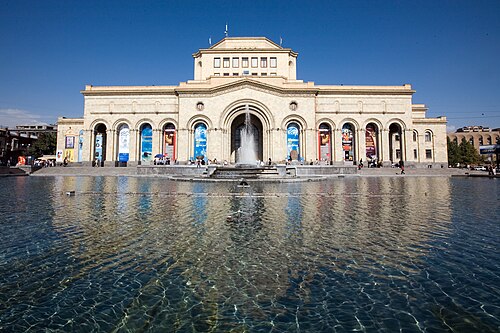
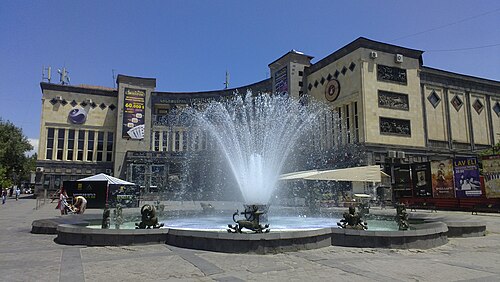
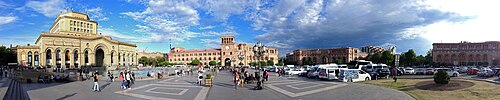
Republic Square is Yerevan's central civic space and the organising heart of Alexander Tamanyan's twentieth-century plan for the Armenian capital.
- Must see
- Activity
- Yerevan
Language · 11 published
Country guide
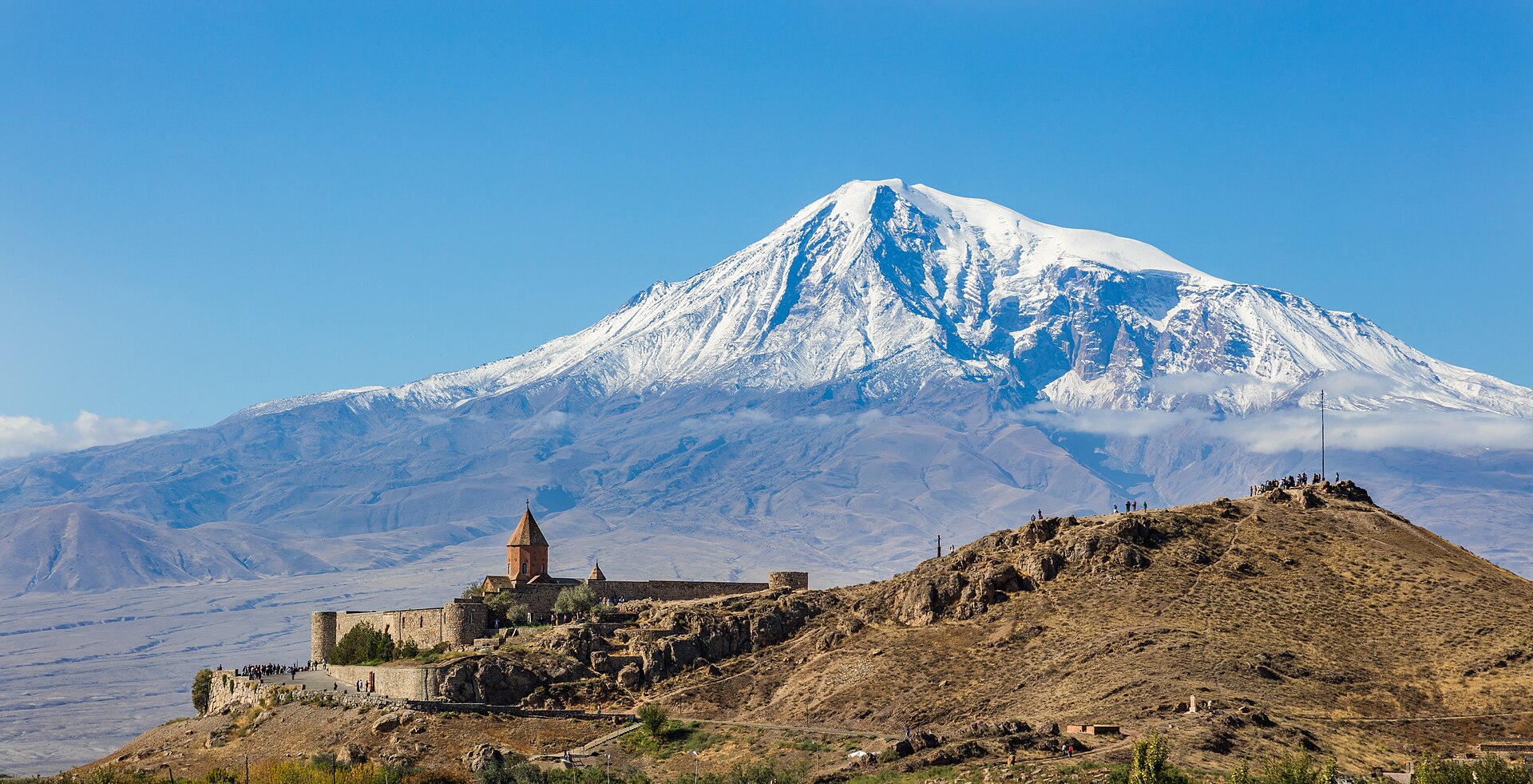
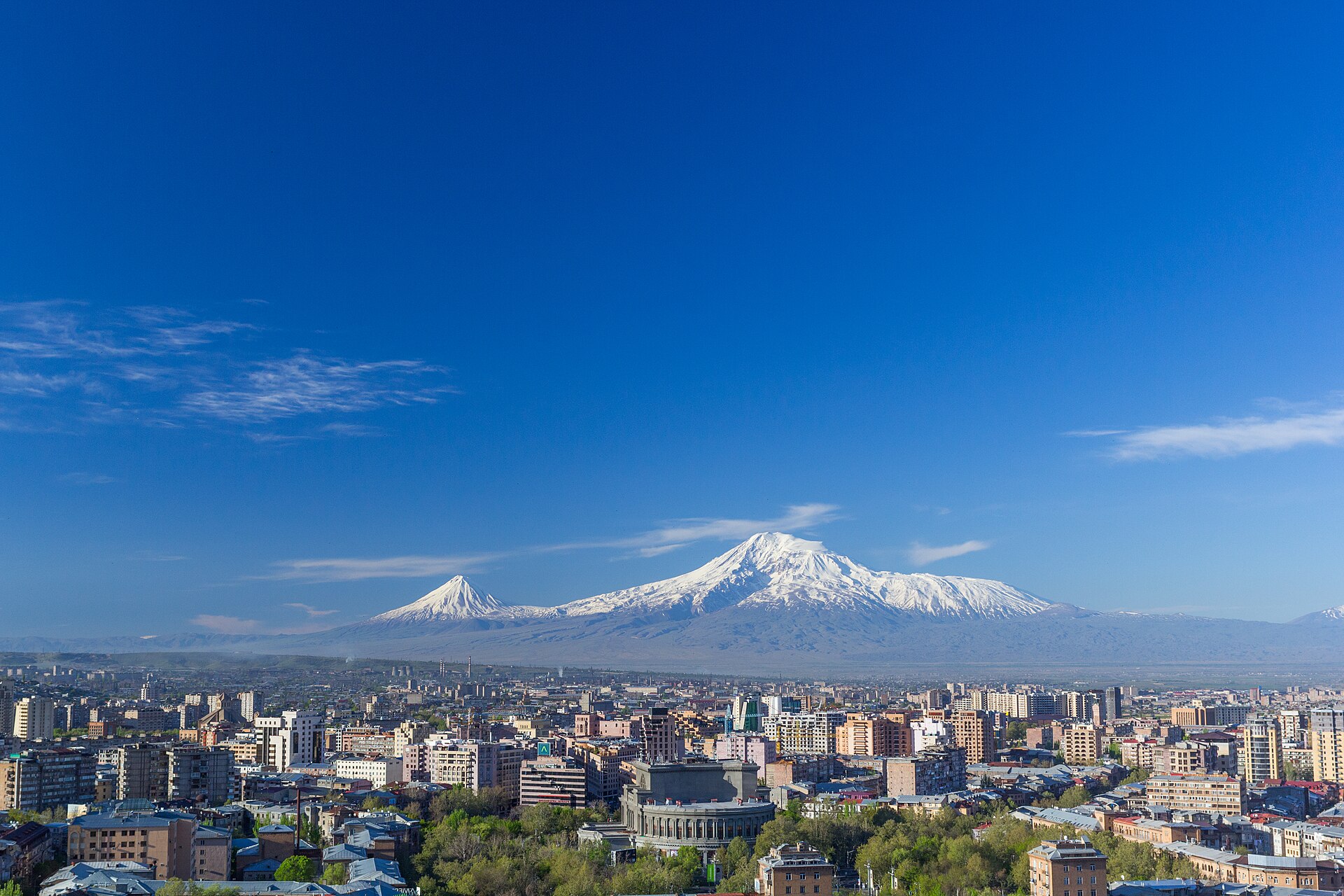
Armenia fits inside 29,743 km² and about half of that lies above 2,000 m, so a short drive changes the altitude more than the distance suggests. Roughly three million people live here, over a third of them in Yerevan, and most of what is worth the travel sits outside the capital: monasteries built into gorge walls, Lake Sevan holding 1,279 km² of water at 1,900 m, Mount Aragats at 4,090 m. The country made Christianity its state religion in 301, and the churches raised in the centuries after are the thread running through nearly every route across it.
Reviewed by Elena Voss · Roavina Travel Editor
Every city catalogued in this country so far, ranked by how much there is to see.
Photograph · Սէրուժ Ուրիշեան (Serouj Ourishian) · CC BY 4.0
Ranked by importance — sitelinks, pageviews and heritage status, not editor preference.
32 places match
Category
Typical visit duration
Interests
Republic Square is Yerevan's central civic space and the organising heart of Alexander Tamanyan's twentieth-century plan for the Armenian capital.
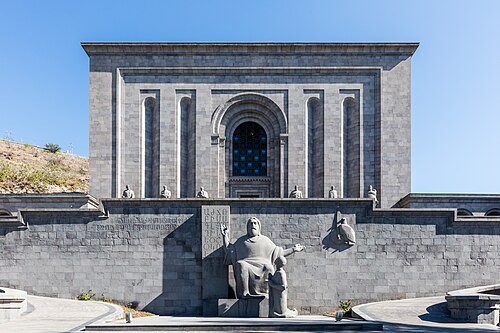
Երևանի Մատենադարան
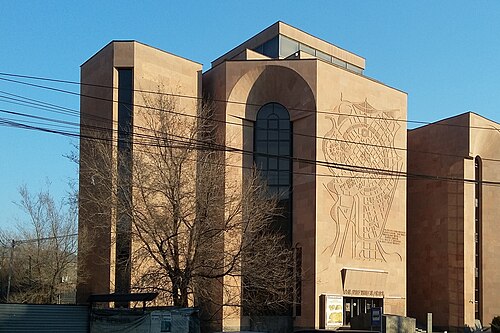
Matenadaran, formally the Mesrop Mashtots Institute of Ancient Manuscripts, is Yerevan's major centre for Armenian manuscript heritage. It functions as both a public museum and an active research institute.
Հայաստանի պատմության թանգարան
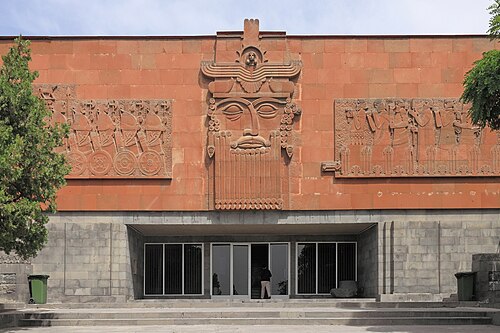
The History Museum of Armenia stands on Republic Square in central Yerevan, sharing a grand building with the National Gallery of Armenia.
Ազգային պատկերասրահ
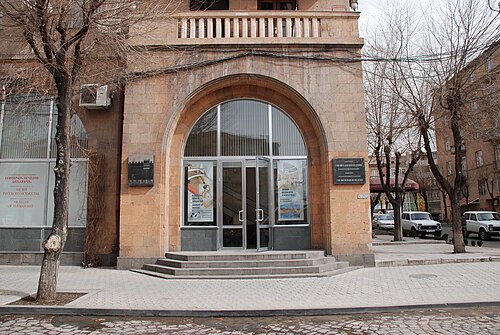
The National Gallery of Armenia occupies several floors of the monumental building on Republic Square in central Yerevan. It is the country’s principal art museum and a defining cultural landmark of the capital.
Մայր Հայաստան
Mother Armenia Military Museum is a military museum located beneath the Mother Armenia monument in Yerevan, Armenia. The monument itself stands in Victory Park on a hill overlooking the city, replacing a former statue of Joseph Stalin in 1967.
Սերգեյ Փարաջանովի թանգարան
The Sergei Parajanov Museum is a museum in Yerevan dedicated to the life and work of Sergei Parajanov, the acclaimed Soviet Armenian film director and artist.
Երևանի պատմության թանգարան
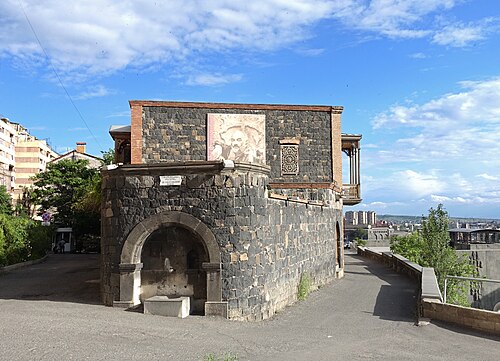
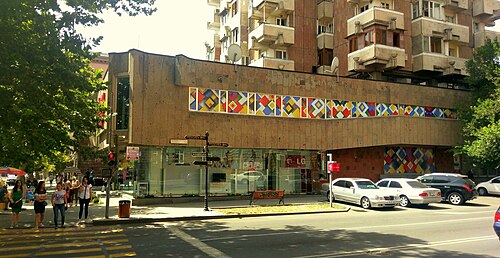
The Yerevan History Museum, known locally as Երևանի պատմության թանգարան, is a municipal museum dedicated to the history of Armenia's capital city.
Մարտիրոս Սարյանի տուն-թանգարան
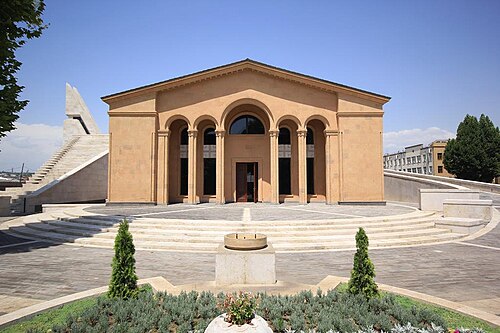
The Martiros Saryan Museum is a house-museum dedicated to the celebrated Armenian painter Martiros Saryan, one of the most significant figures in Armenian art history.
Հովհաննես Թումանյանի տուն–թանգարան
The Hovhannes Tumanyan Museum is a house-museum in Yerevan dedicated to the life and work of Hovhannes Tumanyan, a foundational figure in Armenian literature.
Կոմիտասի թանգարան-ինստիտուտ
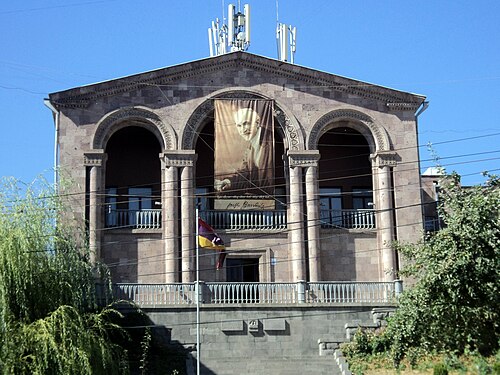
The Komitas Museum-Institute in Yerevan is devoted to Komitas Vardapet, the composer, priest and ethnomusicologist who became a central figure in Armenian musical culture.
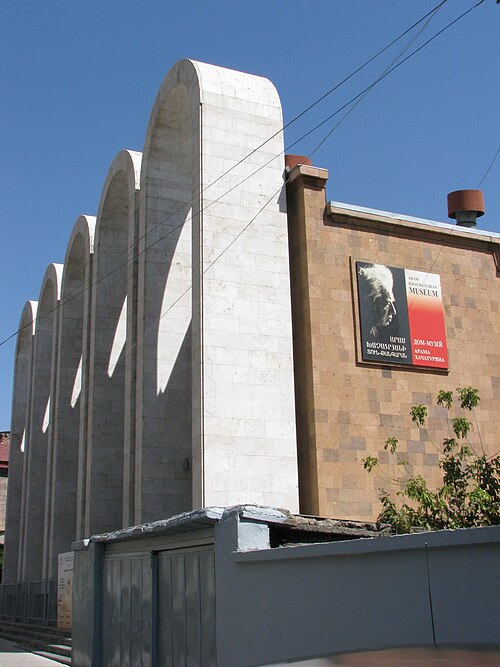
Արամ Խաչատրյանի տուն թանգարան
The Aram Khachaturian Museum is a house-museum in Yerevan devoted to the Armenian composer Aram Khachaturian. It occupies the residence where he lived and worked, giving the visit an intimate character that differs from a large national museum.
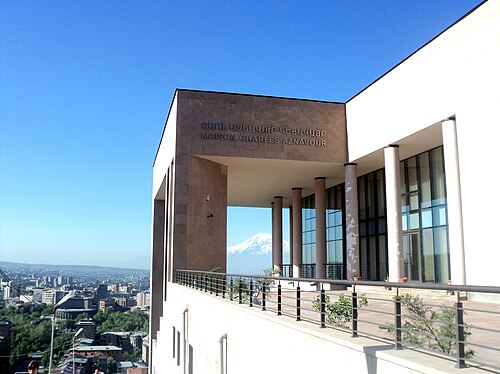
Շառլ Ազնավուրի կեցավայր
The Aznavour Center is a cultural institution in Yerevan dedicated to the life and legacy of Charles Aznavour, the renowned French-Armenian singer, songwriter, and actor.
Արա Սարգսյանի և Հակոբ Կոջոյանի տուն-թանգարան
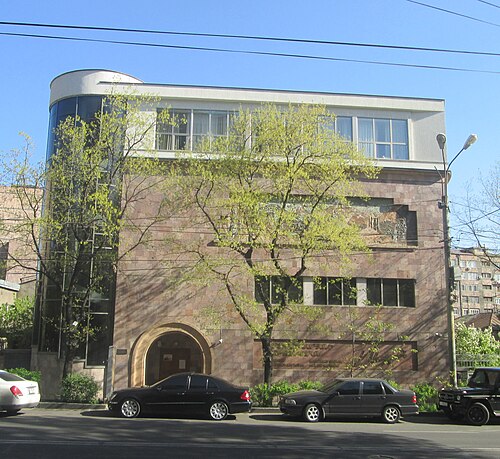
Ara Sargsyan and Hakob Kojoyan House Museum is a Yerevan cultural stop devoted to two Armenian artists. Ara Sargsyan is remembered as a sculptor, while Hakob Kojoyan was a painter and graphic artist.
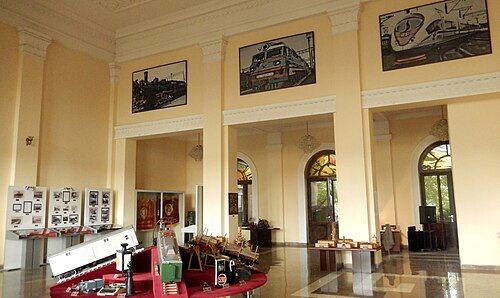
Հայաստանի երկաթուղու թանգարան
The Armenian Railways Museum presents the railway heritage of Armenia through the equipment, records, and stories associated with rail transport. It offers a focused way to explore how trains supported movement, industry, communication, and everyday life across the country.
Arthur Tarkhanyan Centre is a named place in Yerevan associated with Arthur Tarkhanyan.
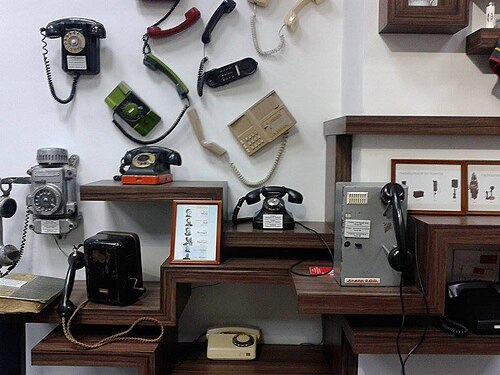
Կապի թանգարան
Communication Museum explores the history of communication technology in Yerevan and Armenia. Its subject reaches from postal services and telephones to telegraphy, radio, and the systems that connected people across distance.
Էրեբունի ամրոցի թանգարան
The Erebuni Museum is an archaeological museum located at the foot of the Erebuni Fortress in Yerevan, Armenia.
Ժողովրդական Արվեստների Թանգարան
The Folk Art Museum in Yerevan is a museum dedicated to Armenian folk art traditions. Its local name is Ժողովրդական Արվեստների Թանգարան. The institution preserves and displays examples of traditional Armenian craftsmanship.
Ֆրիտյոֆ Նանսենի թանգարան
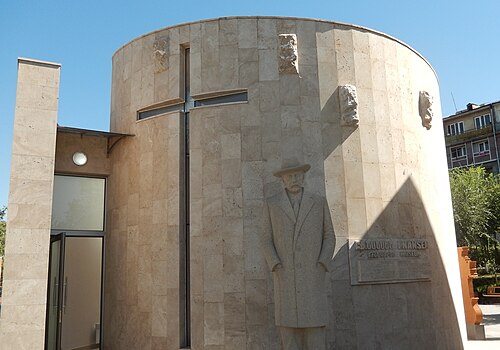
The Fridtjof Nansen Museum in Yerevan is a cultural institution dedicated to the Norwegian polar explorer, humanitarian, and Nobel Peace Prize laureate Fridtjof Nansen. The museum commemorates Nansen's significant humanitarian efforts on behalf of Armenian refugees following the Armenian Genocide.
Երկրաբանական թանգարան
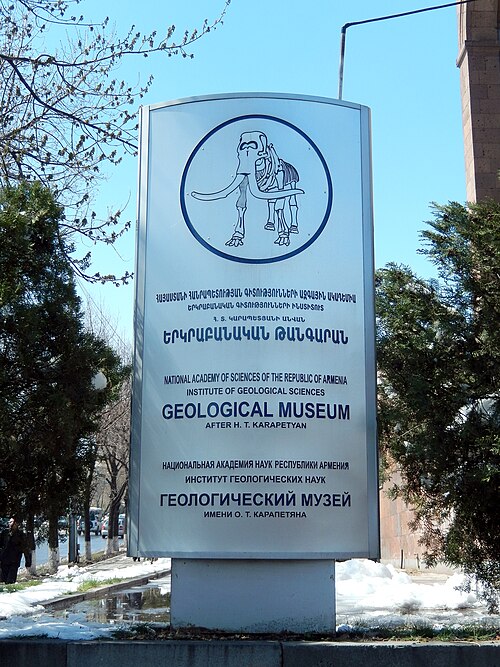
The Geological Museum after H. Karapetyan is a Yerevan museum devoted to geology and earth science. Its collection focuses on minerals, rocks, and fossils connected with Armenia and the surrounding region.
Տուն-թանգարանը Կարեն Դեմիրճյանի
Karen Demirchyan Museum is a house-museum in Yerevan devoted to the life and public career of Karen Demirchyan.
Խաչատուր Աբովյան
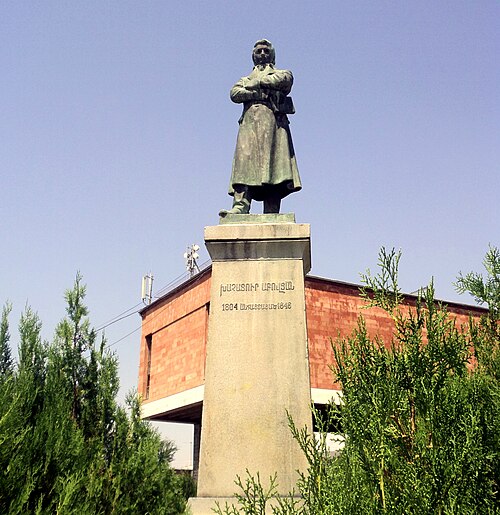
Khachatur Abovian house-museum commemorates the Armenian writer, educator, and intellectual Khachatur Abovian (1809–1848). Abovian is widely associated with the development of modern Armenian literary language and remains an important figure in Armenia’s cultural history.
Ժամանակակից արվեստի թանգարան
The Modern Art Museum of Yerevan is a city museum devoted to modern and contemporary artistic expression. Its Armenian name, Ժամանակակից արվեստի թանգարան, places it within Yerevan’s distinctive cultural landscape, where twentieth-century and newer art sit alongside older Armenian traditions.
Museum of Russian Art
The Museum of Russian Art in Yerevan is a private museum formed around the collection of Professor A. Abrahamian. It offers travelers a focused encounter with Russian artistic heritage within Armenia’s capital.
Գրատպության թանգարան
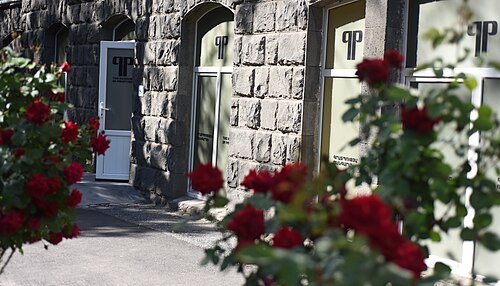
The Museum of Printing in Yerevan preserves Armenia's typographic heritage, tracing the evolution of printing technology and book production in the region.
Միջին արևելքի թանգարան
The Near East Art Museum is a Yerevan institution devoted to art and cultural heritage from the Near East. Its Armenian name is Միջին արևելքի թանգարան.
Սիլվա Կապուտիկյանի տուն թանգարան
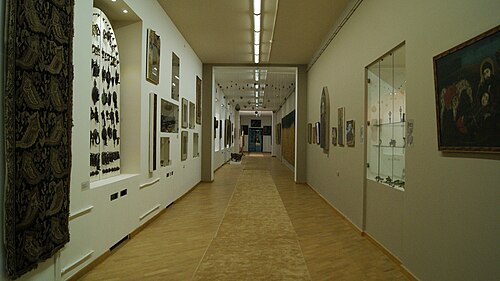
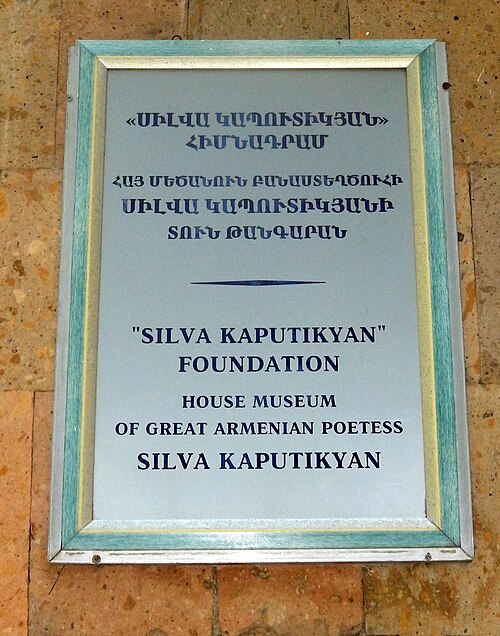
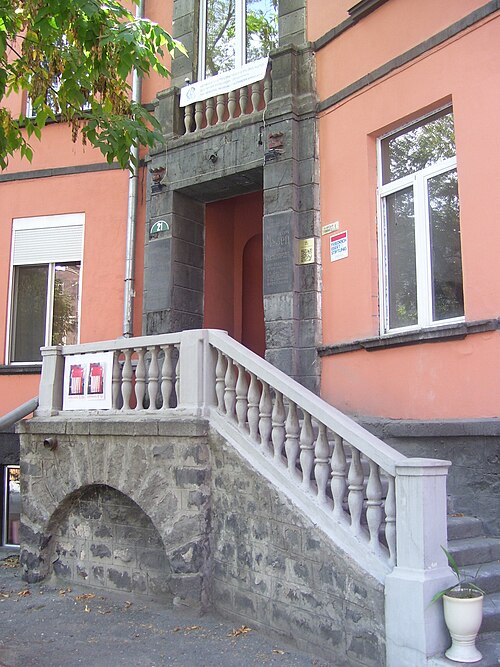
The Silva Kaputikjan Museum is a house museum in Yerevan dedicated to the life and work of Silva Kaputikyan, one of Armenia's most celebrated 20th-century poets and public intellectuals.
Երվանդ Քոչար թանգարան
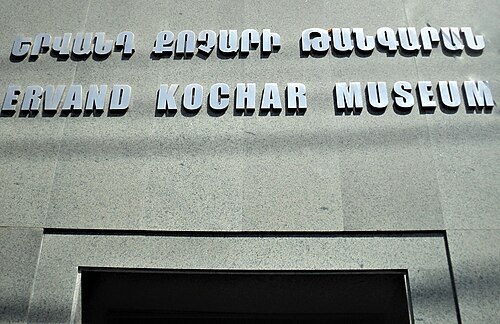
The Yervand Kochar Museum is dedicated to the Armenian avant-garde artist and sculptor Yervand Kochar. The museum gives visitors a concentrated view of a major twentieth-century figure whose work connects painting, sculpture, movement, and experimentation.
The Alexander Spendiaryan House Museum is a memorial museum in Yerevan dedicated to the life and work of Alexander Spendiaryan, a prominent Armenian composer and conductor.
Երևանի կենդանաբանական այգի
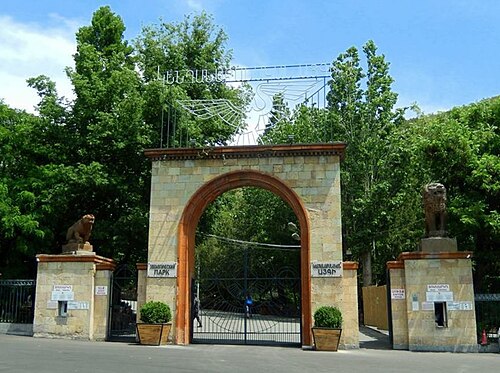
Yerevan Zoo is a zoological garden located in the Armenian capital. Established during the Soviet period, it occupies a hillside position in the city. The facility houses various animal species and serves as a recreational destination for residents and visitors.
Մոսկվա
Moscow Cinema is a historic film venue in Yerevan, known locally as Մոսկվա. Its Soviet-era architectural character and long role in the city’s entertainment life make it more than a place to watch a film.
Նաիրի կինոթատրոն
Nairi Cinema is a historic cinema in Yerevan and a longstanding place of public entertainment. Its Armenian name, Նաիրի կինոթատրոն, connects the venue with Armenian cultural identity and the historical Nairi region.
Source: OpenStreetMap contributors, Wikidata ·
Six to nine days gives Yerevan enough time and allows a road loop to Garni, Geghard, Lake Sevan or northern monasteries. Southern Armenia requires longer transfers and another base, so Tatev should not be compressed into an already full capital itinerary.
Armenia’s Ministry of Foreign Affairs publishes visa rules and the official application route. Check the exact passport category, permitted duration and border requirements before travel; an eVisa, when available, should be obtained only through the government service linked from that guidance.
Zvartnots Airport is the principal gateway, and Yerevan has metro and bus services. Trains cover only selected routes, so minibuses, taxis and hired cars carry much regional travel; confirm current border-crossing status before planning an international overland leg.
Late May, June, September and early October usually suit Yerevan and lower-elevation touring. Lake Sevan, mountain roads and monastery approaches can be colder or weather-limited, while midsummer heat changes the pace of exposed archaeological visits.
The Armenian dram is used for everyday prices. Urban card acceptance does not remove the need for cash at small regional stops, markets and some transport services; use banks or authorised exchangers and check the AMD amount before confirming conversion.
Armenia records 112 or 911 for emergencies and uses Type C and F power at 230 V. Tap-water status is Not recorded here, so ask the accommodation or municipal provider; for remote routes, save local assistance details before leaving Yerevan.