

51
1 hour
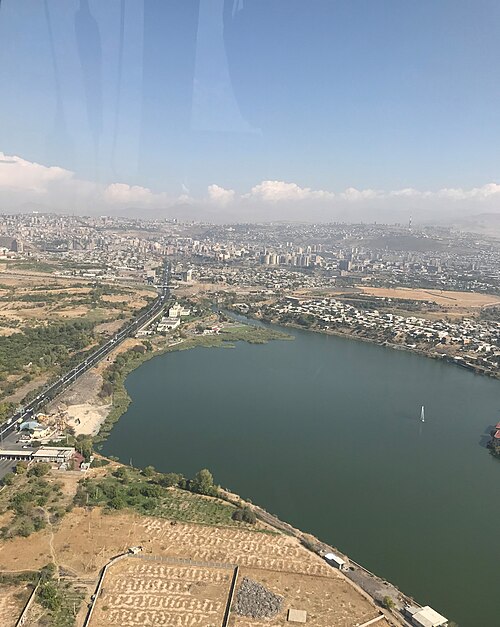
Yerevan Lake
Երևանյան լիճ
Yerevan Lake, also known locally as Երևանյան լիճ, is an artificial reservoir on the southwestern side of Armenia’s capital.
- Notable
- Nature site
- Yerevan
Country guide
Armenia fits inside 29,743 km² and about half of that lies above 2,000 m, so a short drive changes the altitude more than the distance suggests. Roughly three m...
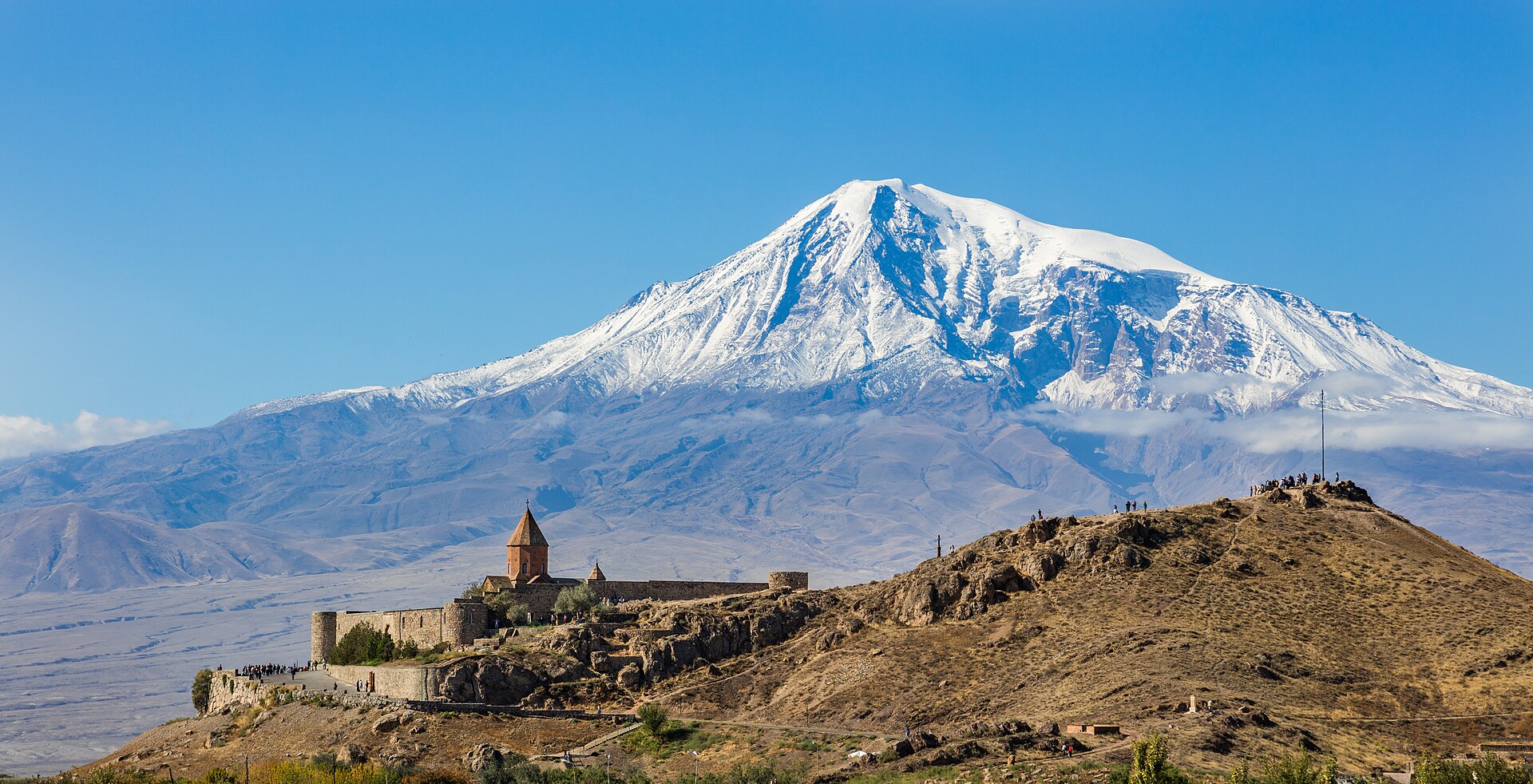
Photograph · Diego Delso · CC BY-SA 4.0
Reviewed by Elena Voss · Roavina Travel Editor
Armenia fits inside 29,743 km² and about half of that lies above 2,000 m, so a short drive changes the altitude more than the distance suggests. Roughly three million people live here, over a third of them in Yerevan, and most of what is worth the travel sits outside the capital: monasteries built into gorge walls, Lake Sevan holding 1,279 km² of water at 1,900 m, Mount Aragats at 4,090 m. The country made Christianity its state religion in 301, and the churches raised in the centuries after are the thread running through nearly every route across it.
Checked 2026-08-25
Every city catalogued in this country so far, ranked by how much there is to see.
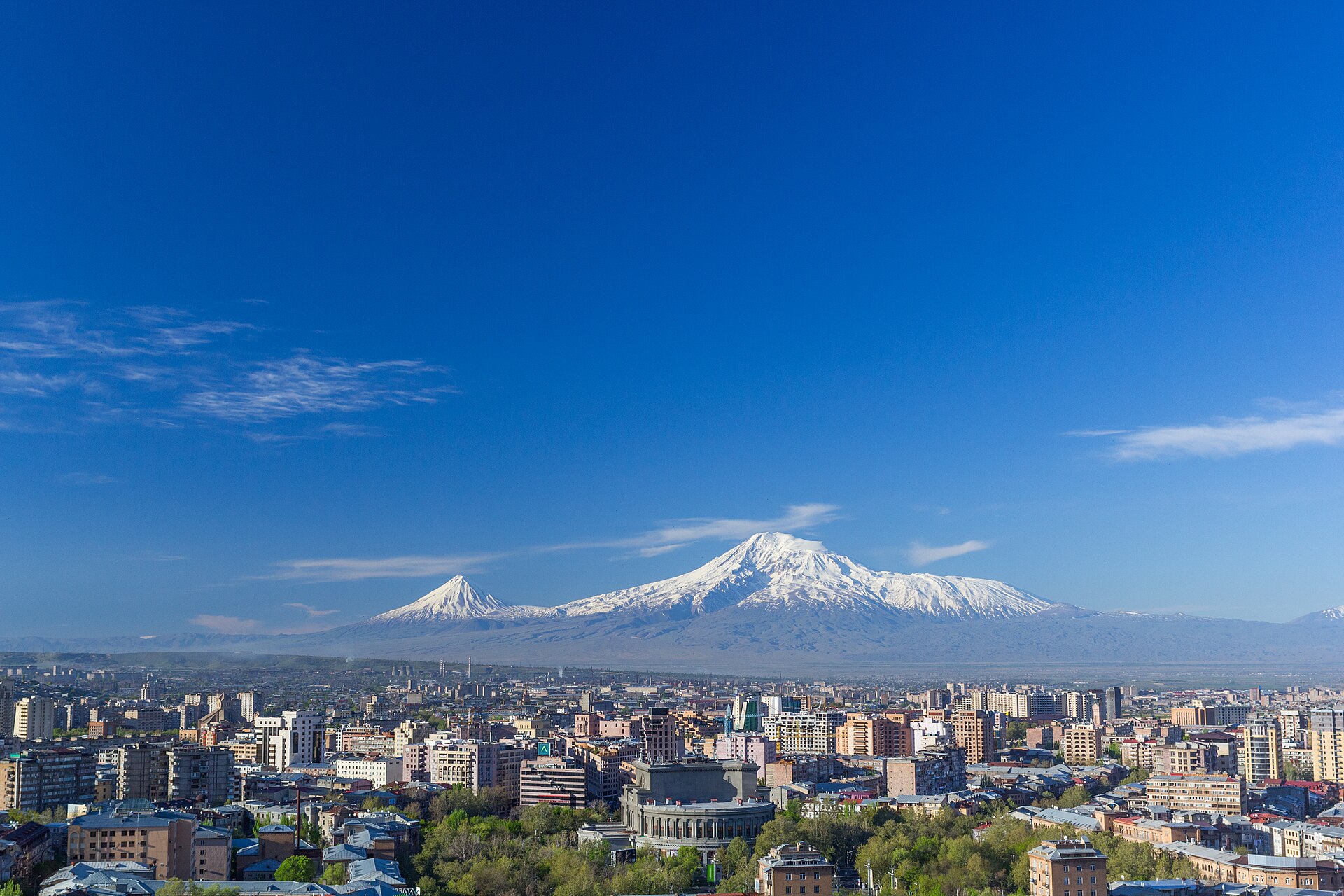
Photograph · Սէրուժ Ուրիշեան (Serouj Ourishian) · CC BY 4.0
Seasonal closures come from recorded opening hours.
Ranked by importance — sitelinks, pageviews and heritage status, not editor preference.
64 places match
Category
Typical visit duration
Interests
Երևանյան լիճ
Yerevan Lake, also known locally as Երևանյան լիճ, is an artificial reservoir on the southwestern side of Armenia’s capital.
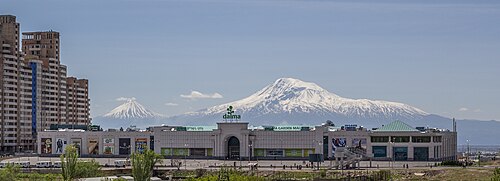
Դալմա Գարդեն Մոլ
Dalma Garden Mall is a modern shopping and entertainment complex in Yerevan. It gives visitors an indoor setting for retail, food, and leisure activities, making it a practical change of pace from the city’s outdoor sights.
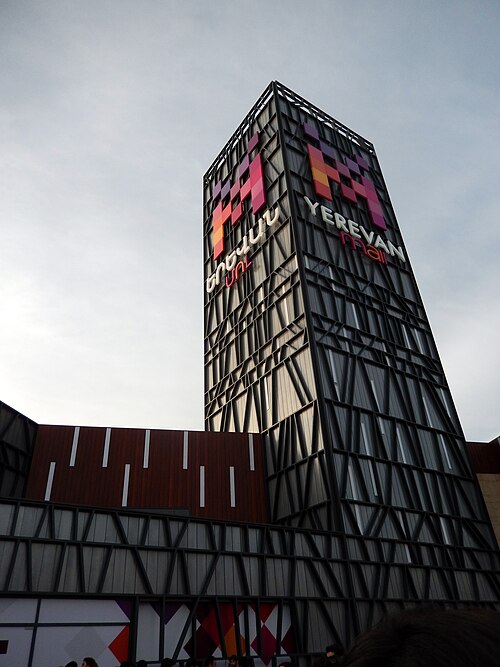
Երևան Մոլլ
Yerevan Mall is a large shopping and entertainment complex in Armenia’s capital. It brings retail, dining, and leisure into one indoor destination, making it a useful complement to Yerevan’s historic streets, museums, and outdoor viewpoints.
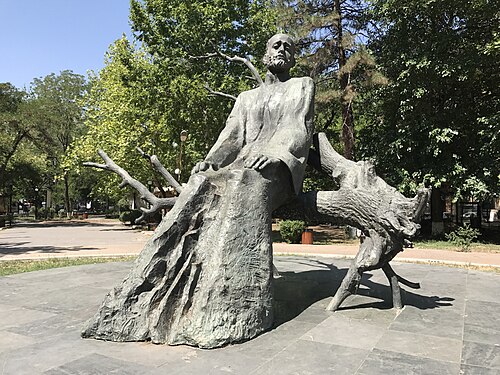
Կոմիտասի արձան
Komitas Monument is an outdoor memorial in Yerevan dedicated to Komitas, the Armenian priest, composer, and ethnomusicologist. His work preserved Armenian folk music and remains closely connected with Armenian cultural identity.
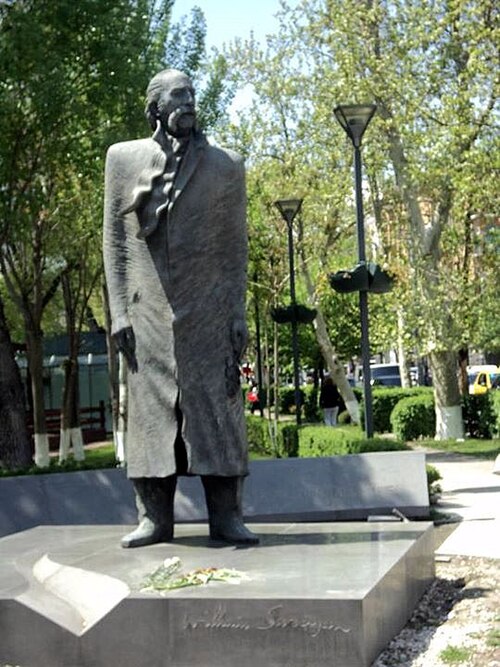
Վիլյամ Սարոյանի արձան
William Saroyan’s Monument is an outdoor memorial in Yerevan honouring the Armenian-American writer William Saroyan.
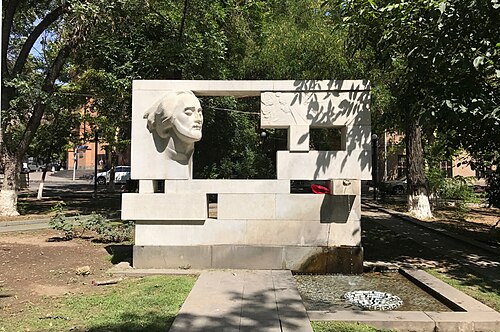
Սայաթ Նովայի հուշարձան
Sayat Nova monument honours the celebrated eighteenth-century Armenian ashugh, or troubadour, Sayat Nova. He wrote poetry and songs in Armenian, Georgian, Azerbaijani and Persian, reflecting the intertwined cultures of the Caucasus.
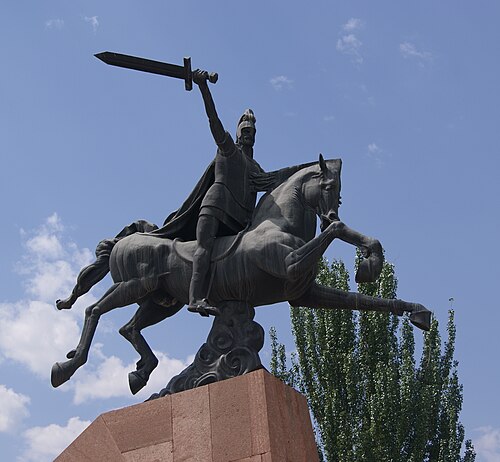
Վարդան Մամիկոնյանի արձան
Monument to Vardan Mamikonyan is an outdoor Yerevan memorial dedicated to Vardan Mamikonyan, the fifth-century Armenian military leader and Christian martyr. He is remembered especially for the Battle of Avarayr, a defining episode in Armenian historical and religious memory.
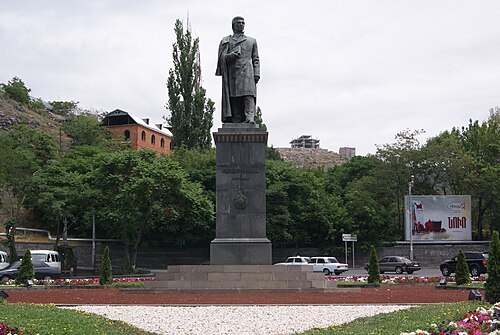
Խաչատուր Աբովյանի արձան
The Abovian statue is an outdoor monument in Yerevan honouring Khachatur Abovian, a foundational figure in modern Armenian literature and education.
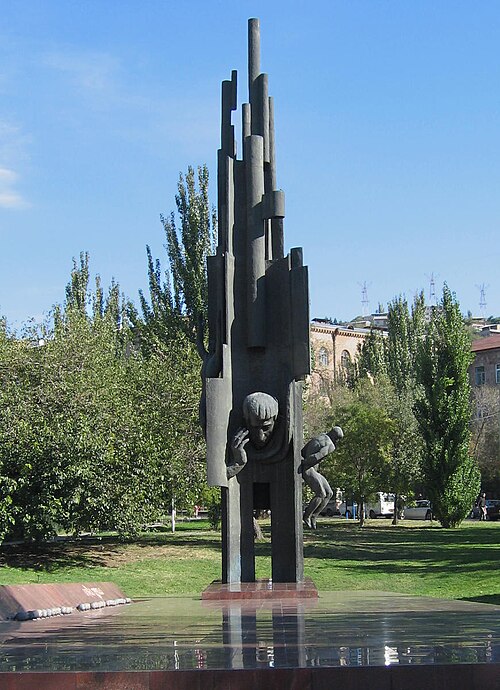
Եղիշե Չարենցի արձան
The Yeghishe Charents Monument is a public memorial in Yerevan dedicated to the celebrated Armenian poet Yeghishe Charents.
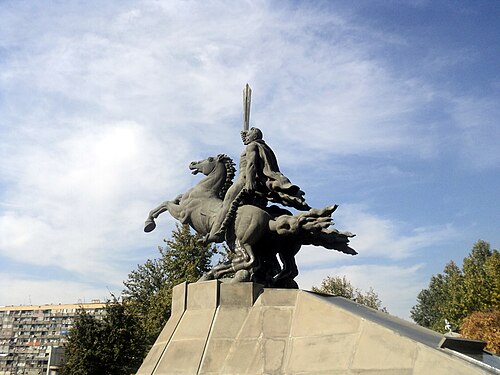
Զորավար Անդրանիկի արձան
The Andranik statue is an outdoor monument in Yerevan dedicated to General Andranik Ozanian, a celebrated Armenian military commander. The sculpture forms part of the city's public landscape of monuments honoring historical figures and national memory.
Արամ Մանուկյան
The Aram Manukian monument is an outdoor statue in Yerevan honouring Aram Manukian, a revolutionary leader and statesman connected with the establishment of the First Republic of Armenia in 1918.
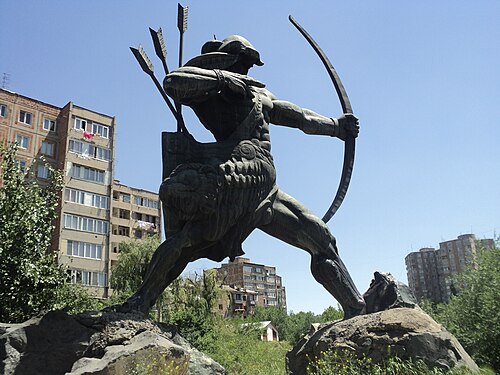
Հայկի արձան
The Statue of Hayk the Great is a monumental outdoor sculpture in Yerevan, Armenia, depicting the legendary patriarch and founder of the Armenian nation. The statue stands as a prominent cultural landmark celebrating Armenian identity and ancient heritage.
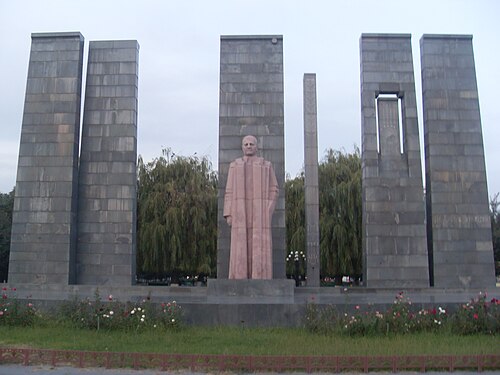
Ալեքսանդր Մյասնիկյանի արձան
The Monument to Alexander Myasnikyan is an outdoor memorial in central Yerevan, centred on a sculpture of the Armenian Soviet statesman Alexander Myasnikyan.
Զատիկյանի անվ. այգի
Six to nine days gives Yerevan enough time and allows a road loop to Garni, Geghard, Lake Sevan or northern monasteries. Southern Armenia requires longer transfers and another base, so Tatev should not be compressed into an already full capital itinerary.
Armenia’s Ministry of Foreign Affairs publishes visa rules and the official application route. Check the exact passport category, permitted duration and border requirements before travel; an eVisa, when available, should be obtained only through the government service linked from that guidance.
Zvartnots Airport is the principal gateway, and Yerevan has metro and bus services. Trains cover only selected routes, so minibuses, taxis and hired cars carry much regional travel; confirm current border-crossing status before planning an international overland leg.
Late May, June, September and early October usually suit Yerevan and lower-elevation touring. Lake Sevan, mountain roads and monastery approaches can be colder or weather-limited, while midsummer heat changes the pace of exposed archaeological visits.
The Armenian dram is used for everyday prices. Urban card acceptance does not remove the need for cash at small regional stops, markets and some transport services; use banks or authorised exchangers and check the AMD amount before confirming conversion.
Armenia records 112 or 911 for emergencies and uses Type C and F power at 230 V. Tap-water status is Not recorded here, so ask the accommodation or municipal provider; for remote routes, save local assistance details before leaving Yerevan.