

_as_seen_from_the_rooftop_of_Shrine_of_Remembrance.jpg)

.jpg)

01
1 hour
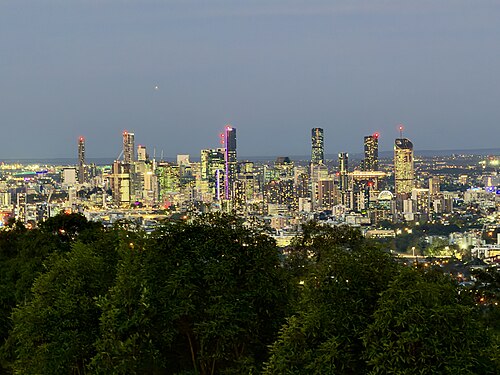
Mount Coot-tha Lookout
Mount Coot-tha Lookout is a prominent elevated viewing platform situated in the western suburbs of Brisbane, Queensland.
- Must see
- Nature site
- Brisbane
Country guide
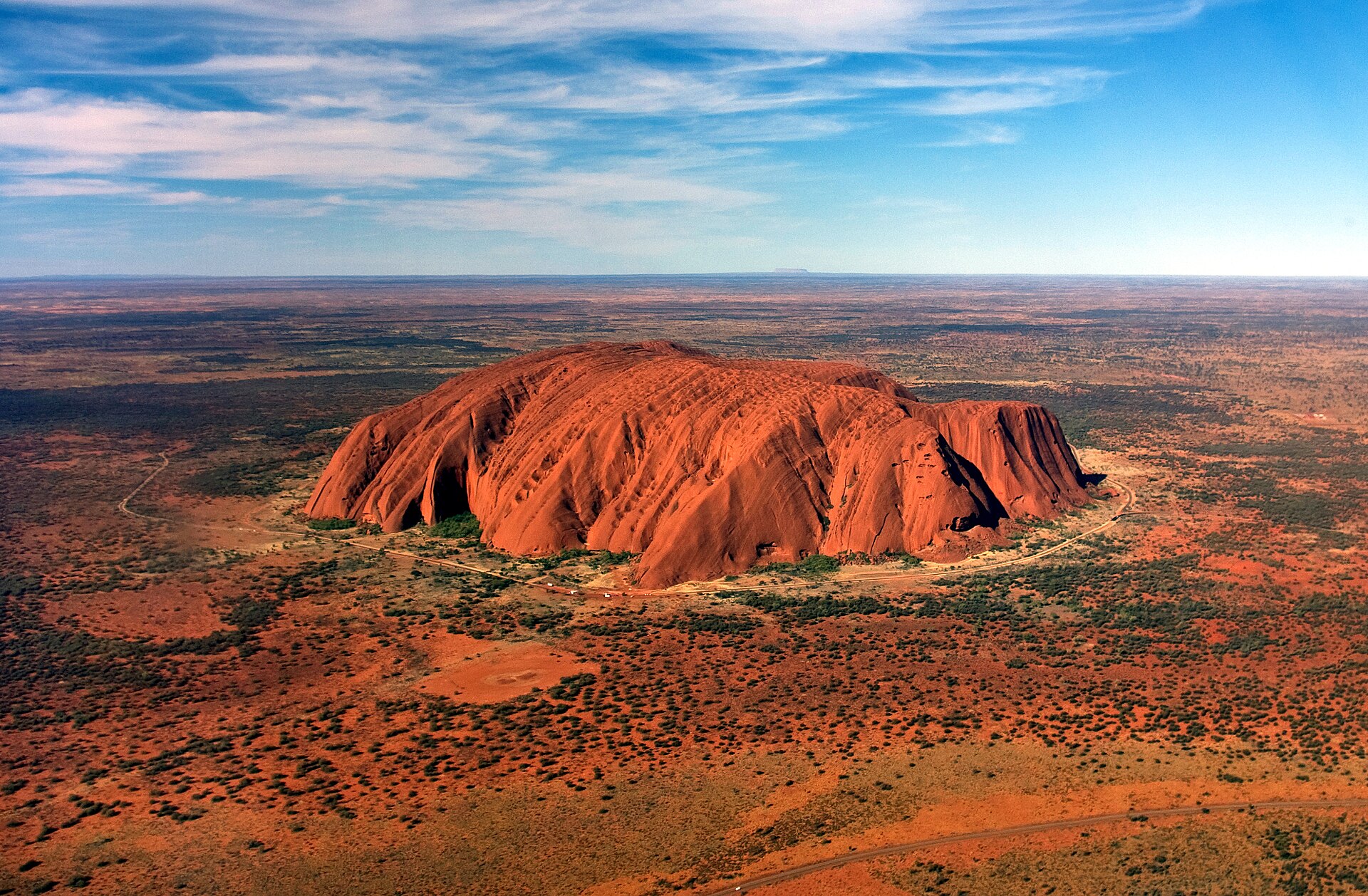
Australia covers 7,688,287 km², sixth largest in the world, and close to 4,000 km separate its east coast from its west. Nearly 28 million people live here, abo...
Photograph · Corey Leopold · CC BY 2.0
Reviewed by Elena Voss · Roavina Travel Editor
Australia covers 7,688,287 km², sixth largest in the world, and close to 4,000 km separate its east coast from its west. Nearly 28 million people live here, about 80 per cent of them within 25 km of a mainland coastline 35,821 km long — which is the fact that governs any trip taken across it. The cities form a rim around an interior that stays largely empty; Sydney and Melbourne pass five million each, and Canberra, the capital, is neither of them. Six states and ten territories, and a sensible visit chooses two of them rather than the map.
Checked 2026-08-25
Every city catalogued in this country so far, ranked by how much there is to see.
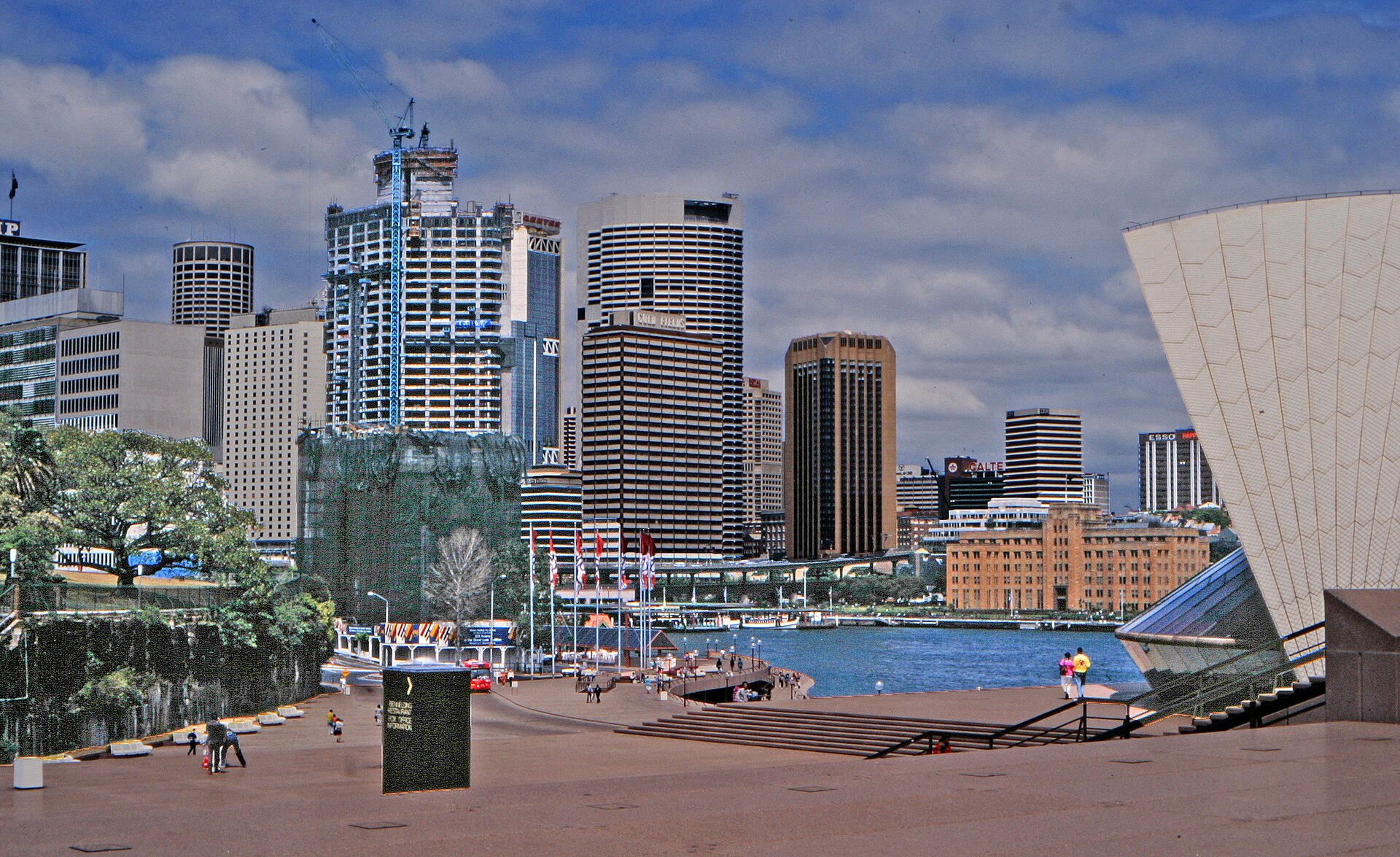
Photograph · W. Bulach · CC BY-SA 4.0
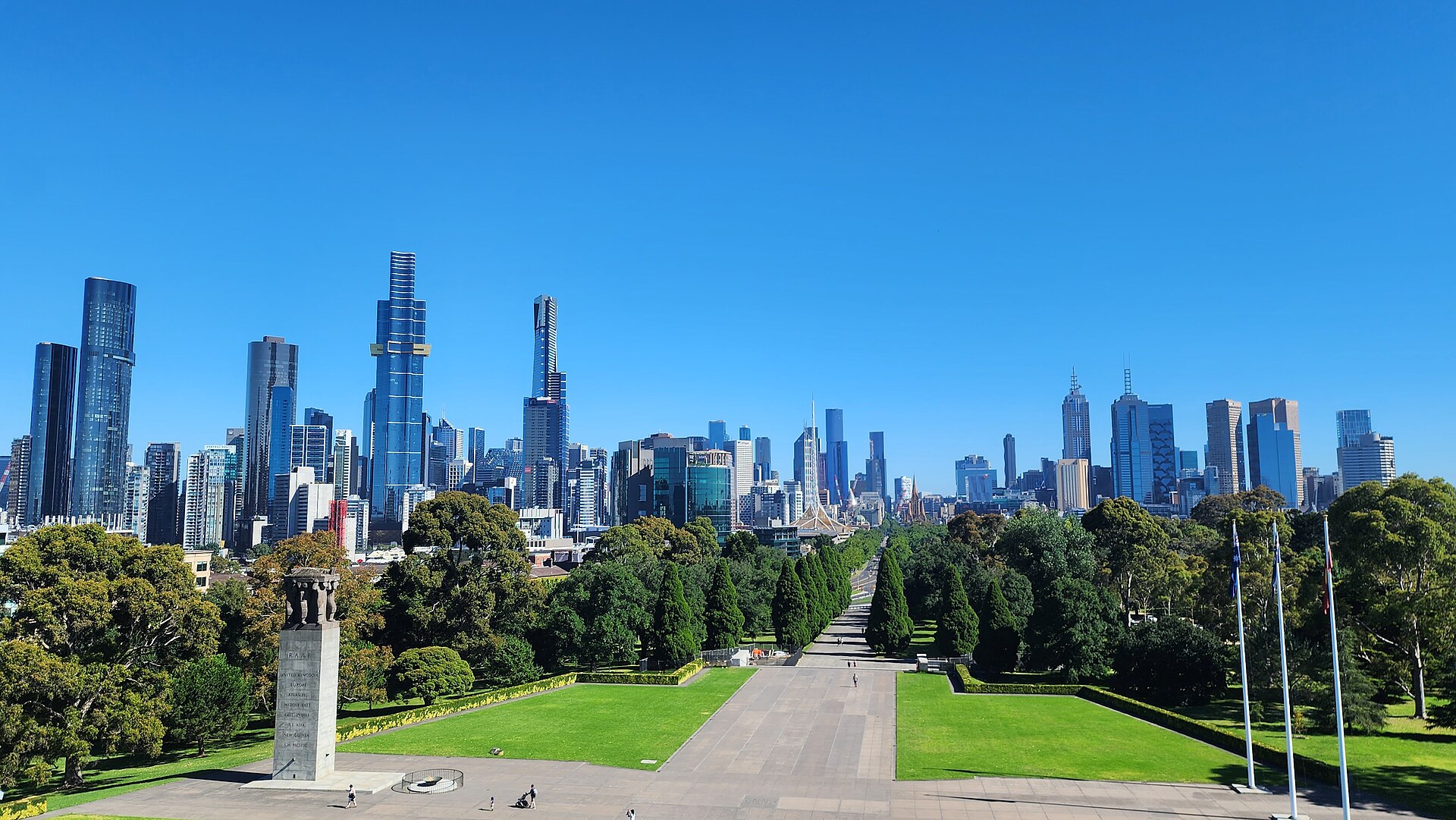
Photograph · Shkuru Afshar · CC BY-SA 4.0

Photograph · Chris Olszewski · CC BY-SA 4.0
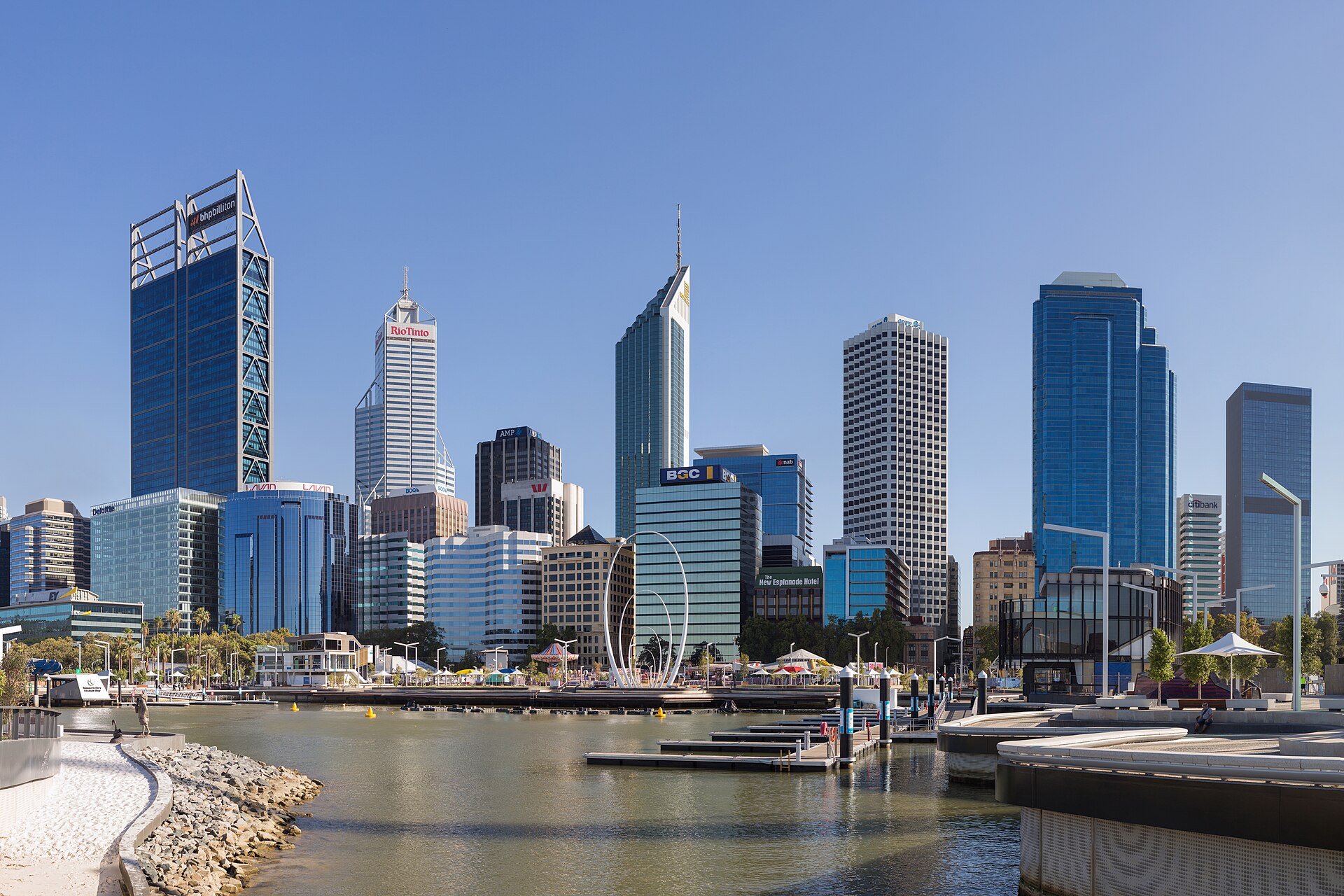
Photograph · Samuel Wiki · CC BY 4.0
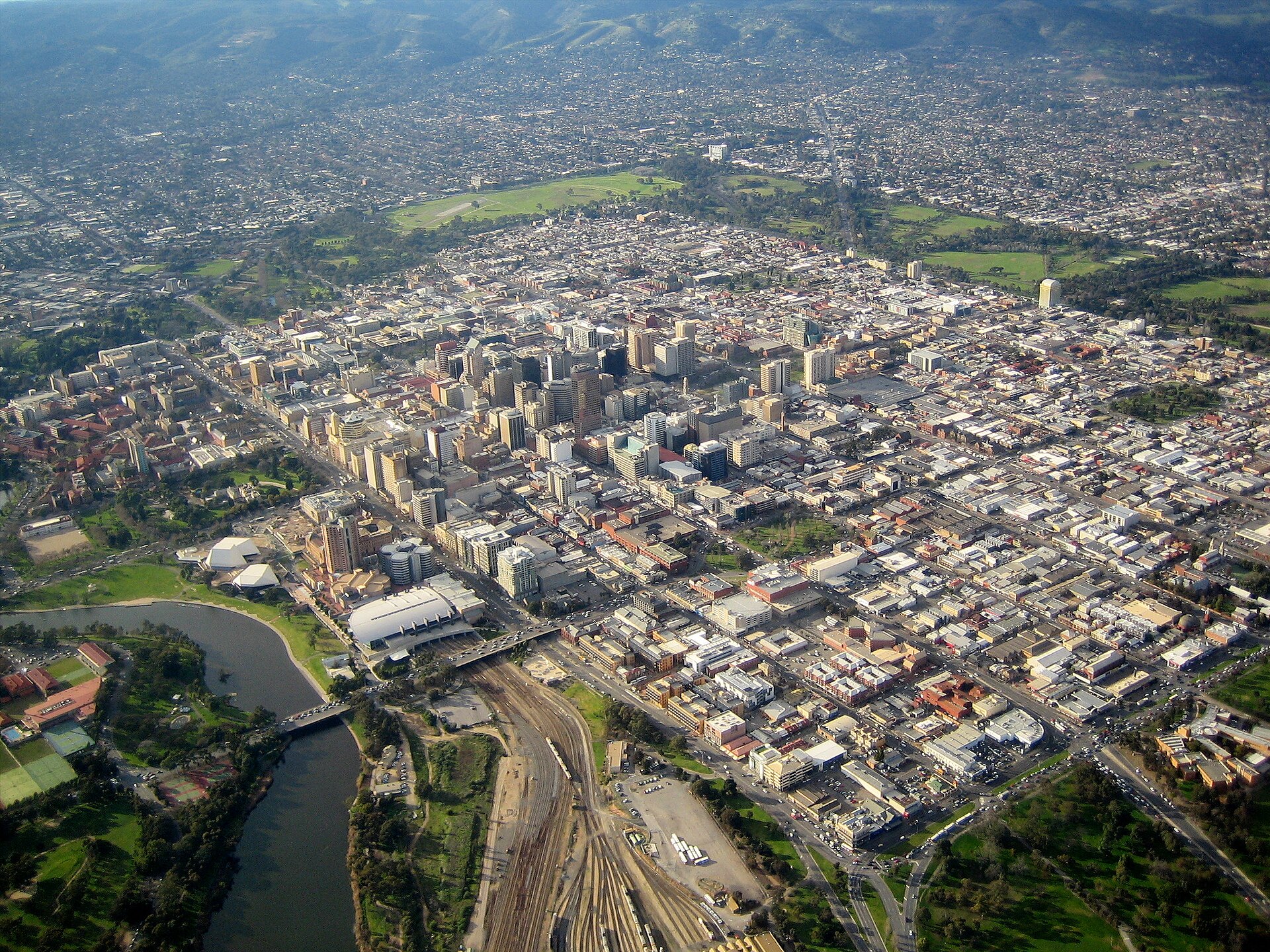
Photograph · Photograph by Doug Barber · CC BY-SA 3.0
Seasonal closures come from recorded opening hours.
Ranked by importance — sitelinks, pageviews and heritage status, not editor preference.
217 places match
Category
Typical visit duration
Interests
Mount Coot-tha Lookout is a prominent elevated viewing platform situated in the western suburbs of Brisbane, Queensland.

Cleland Wildlife Park is a wildlife attraction in the Adelaide Hills region near Adelaide, South Australia. The park is situated within Cleland Conservation Park and offers visitors encounters with native Australian animals.
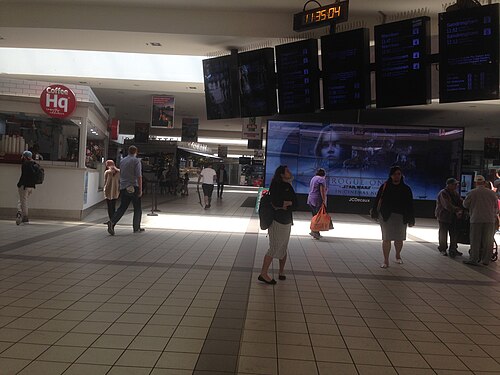
Flinders Street railway station is a railway station on the corner of Flinders and Swanston Streets in Melbourne, Victoria, Australia. It serves the entire metropolitan rail network.
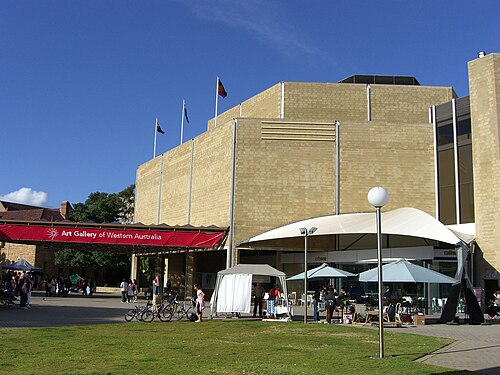
The Art Gallery of Western Australia is a public art museum located in the Perth Cultural Centre. It serves as the principal state art collection holder for Western Australia.
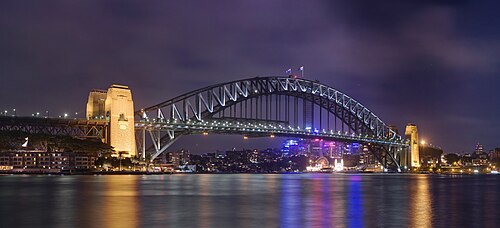
Circular Quay is a harbourfront precinct and major transport interchange in Sydney, New South Wales. It serves as the primary ferry terminal for Sydney Harbour, connecting passengers to locations including Manly, Taronga Zoo, and Parramatta.
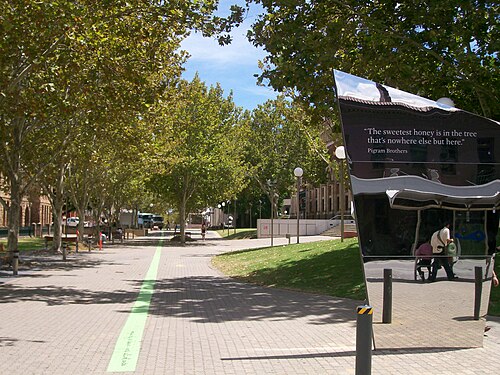
Perth Cultural Centre is a public cultural precinct in the heart of Perth, Western Australia. It serves as a hub for arts, culture, and learning, bringing together several major institutions in one connected space.

Rundle Mall is Adelaide's premier pedestrian shopping street and public thoroughfare in the South Australian capital. It functions as the city's commercial and social heart, stretching east from King William Street through the central business district.

River Torrens Linear Park is a public open space corridor following the River Torrens through Adelaide. It forms part of the broader Adelaide Park Lands system, which encircles the city centre.
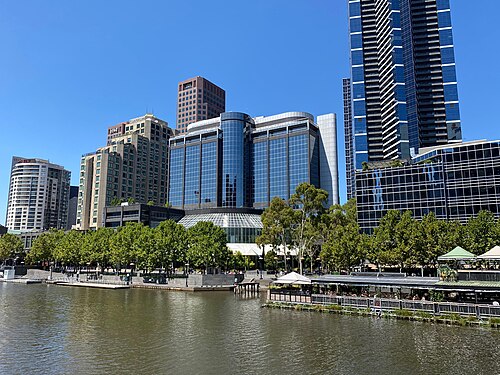
Southbank Promenade is a pedestrianised riverside walkway along the southern bank of the Yarra River in central Melbourne. It forms the spine of the Southbank precinct, connecting the central business district to the Crown Entertainment Complex and beyond.
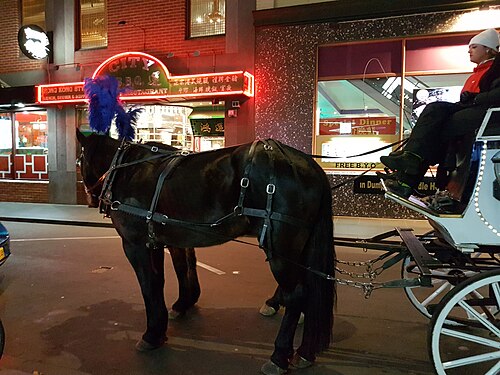
Chinatown Melbourne is an ethnic enclave in the central business district of Melbourne, Australia.
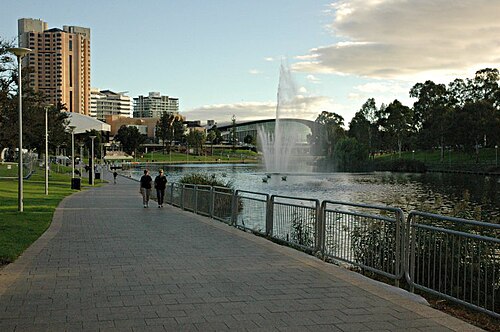
Elder Park is a public park situated on the southern bank of the River Torrens in Adelaide, South Australia. It forms part of the linear parklands that characterise the city's layout.
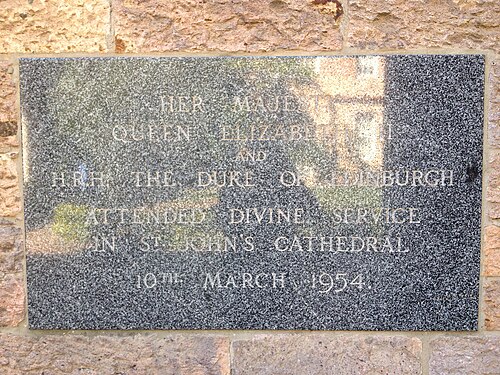
St John's Cathedral is a Gothic Revival cathedral in Brisbane, Queensland. It serves as the cathedral church of the Anglican Diocese of Brisbane and stands as a prominent religious and architectural landmark in the city.

Parliament House Queensland is the meeting place of the Parliament of Queensland, located in Brisbane. The building occupies a prominent position on the corner of George and Alice Streets in the CBD, overlooking the Brisbane River.
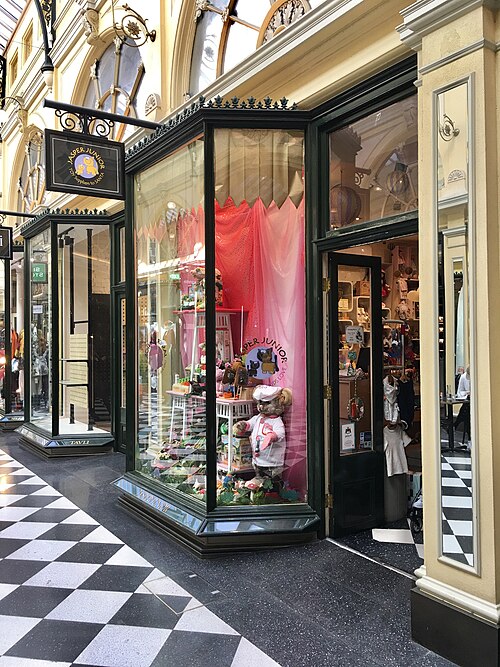
Royal Arcade is a working nineteenth-century shopping passage in central Melbourne, opened in 1870 and still linking the city’s retail streets.
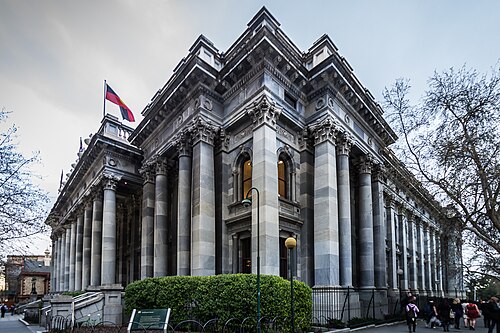
Parliament House South Australia is the seat of the bicameral Parliament of South Australia, comprising the House of Assembly and the Legislative Council.
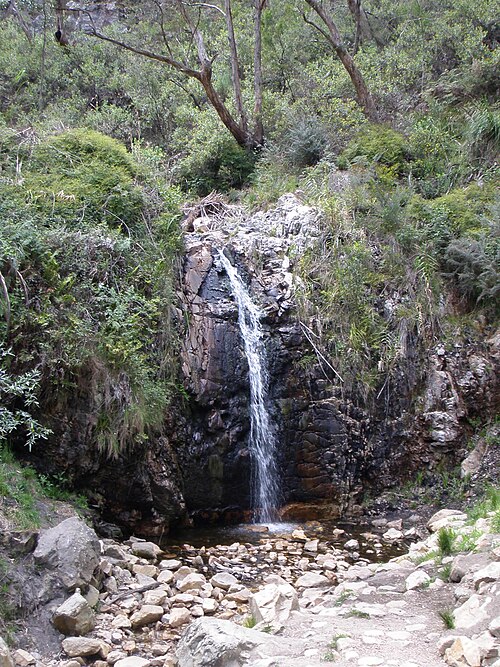
Waterfall Gully is a valley and recreational area located in the Adelaide Hills face zone, within the Greater Adelaide metropolitan area.
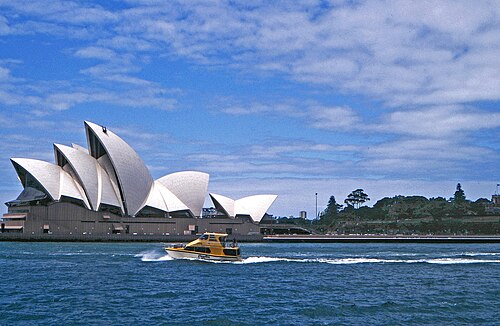
Sydney Opera House is a performing-arts complex at Bennelong Point, where its white sail-like roof shells project into Sydney Harbour beside Circular Quay.
The Sydney Harbour Bridge is a steel through arch bridge spanning Sydney Harbour, connecting the Sydney central business district with the North Shore. Opened in 1932, it carries rail, vehicular, bicycle and pedestrian traffic.
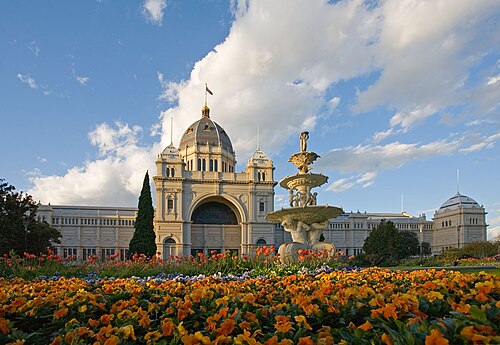
Royal Exhibition Building is a historic exhibition building and one of Melbourne's highest-priority visitor stops in the current curated list.
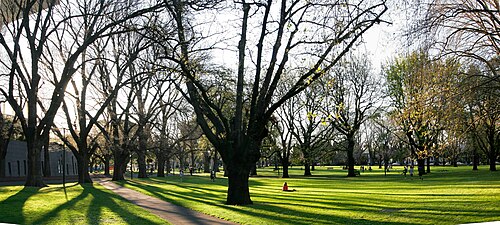
Carlton Gardens is a heritage-listed public garden located in the inner-city suburb of Carlton, adjacent to the Melbourne central business district.
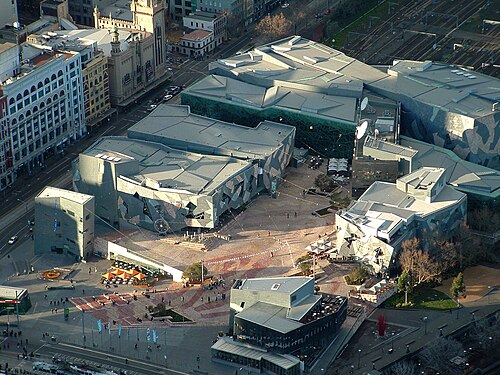
Federation Square is Melbourne’s civic gathering place beside the Yarra River and Flinders Street Station, built around open terraces, angular architecture and a changing programme of cultural activity.
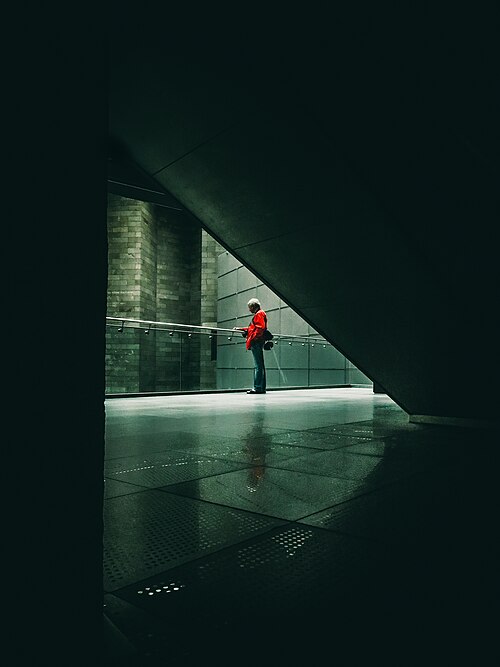
National Gallery of Victoria is an art museum and one of Melbourne's highest-priority visitor stops in the current curated list.
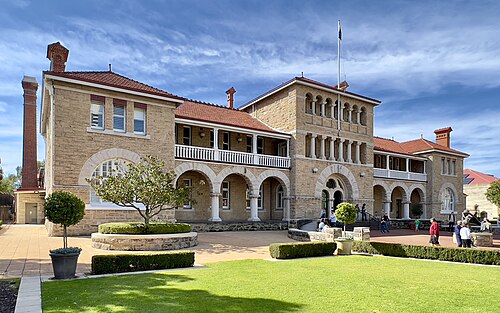
The Perth Mint is a heritage precious metals refining facility and tourist attraction in Perth, Western Australia. Established in 1899 as a branch of Britain's Royal Mint, it originally struck gold sovereigns from Western Australian gold rush output.
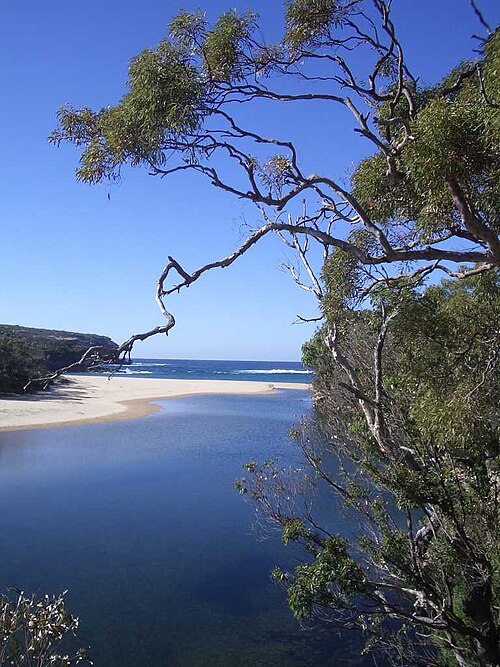
Royal National Park is a large protected landscape on Sydney’s southern edge, stretching between eucalyptus forest, sandstone country, coastal heath and the Pacific shoreline. Established in 1879, it is recognised as one of the world’s oldest national parks.
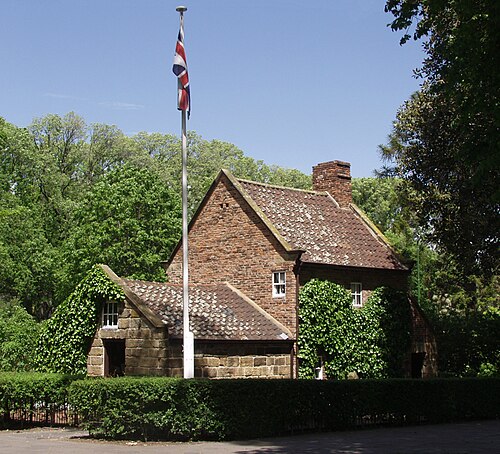
Cook's Cottage is a historic building in Melbourne's Fitzroy Gardens. It was built in 1755 in Great Ayton, Yorkshire, England, then dismantled, shipped to Australia and rebuilt in Melbourne in 1934.
Ten to fourteen days should cover one coast, one city pair or one city plus a nearby landscape, not the continent. Sydney and Melbourne can share a southeastern route; Perth, the tropical north and the Red Centre each demand separate flights and more time.
Australia’s Department of Home Affairs is the authority for Visitor visas and electronic travel permissions. Select the product for the passport and purpose, complete required declarations, and remember that visa approval does not remove Australia’s strict biosecurity obligations.
Flights are usually the efficient link between distant states. Rail and coaches serve selected corridors, cars become important outside cities, and urban fare cards are local rather than national; remote drives require fuel, water, communications and realistic distance planning.
Australia’s seasons and hazards vary dramatically by latitude. Southern-city summers, tropical dry seasons and Red Centre heat create different windows, so choose dates for the selected region and check official fire, cyclone or flood advice before road travel.
The Australian dollar is the sole recorded currency. Contactless payment is common, but remote roadhouses and small services justify a backup card or cash; check surcharges at the point of sale and budget fuel around long gaps rather than metropolitan prices.
Use 000 for urgent police, fire or ambulance assistance; Australia uses Type I power at 230 V. Treated public tap supplies are recorded as safe, but remote-site notices take precedence, and travellers should save the state emergency service relevant to their route.